
GloveWise

Sustainable Glove Manufacturing

Review material and packaging options, waste reduction practices and project requirements.
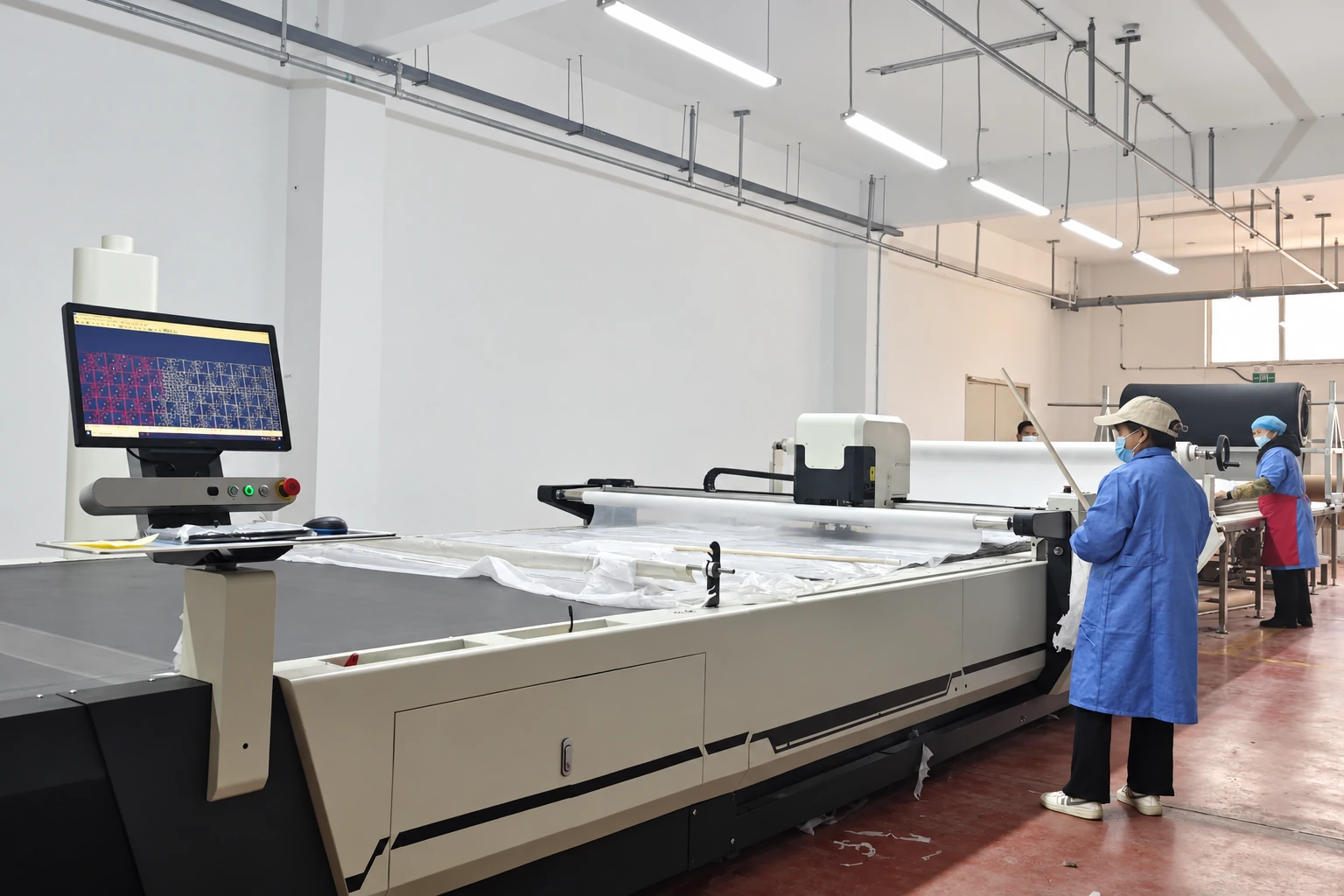
Workers at a fabric cutting table with patterns displayed on a monitor

Three Areas to Review

Review materials, production controls, and packaging against your glove specification, required documents, and order conditions.

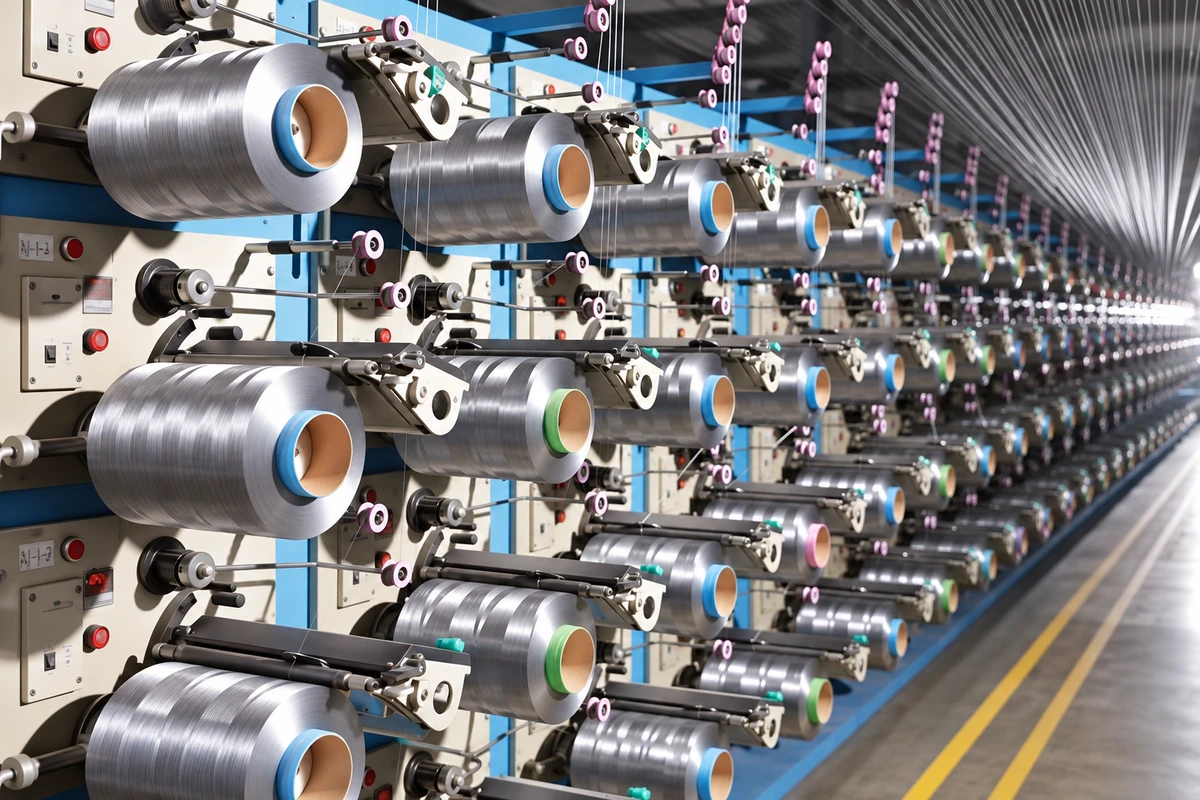
Rows of thread spools feeding a textile machine

Materials and Sourcing

Review conventional, organic, recycled, leather, synthetic, high-performance fiber, and coating options confirmed for the project. Suitability and available documents are checked per project.

Blue fabric, scissors and small offcuts beside a sewing-machine needle

Production and Waste

Cutting layouts, production planning, in-process checks, and training help reduce avoidable waste and rework. Remaining waste is sorted and handled by material type.
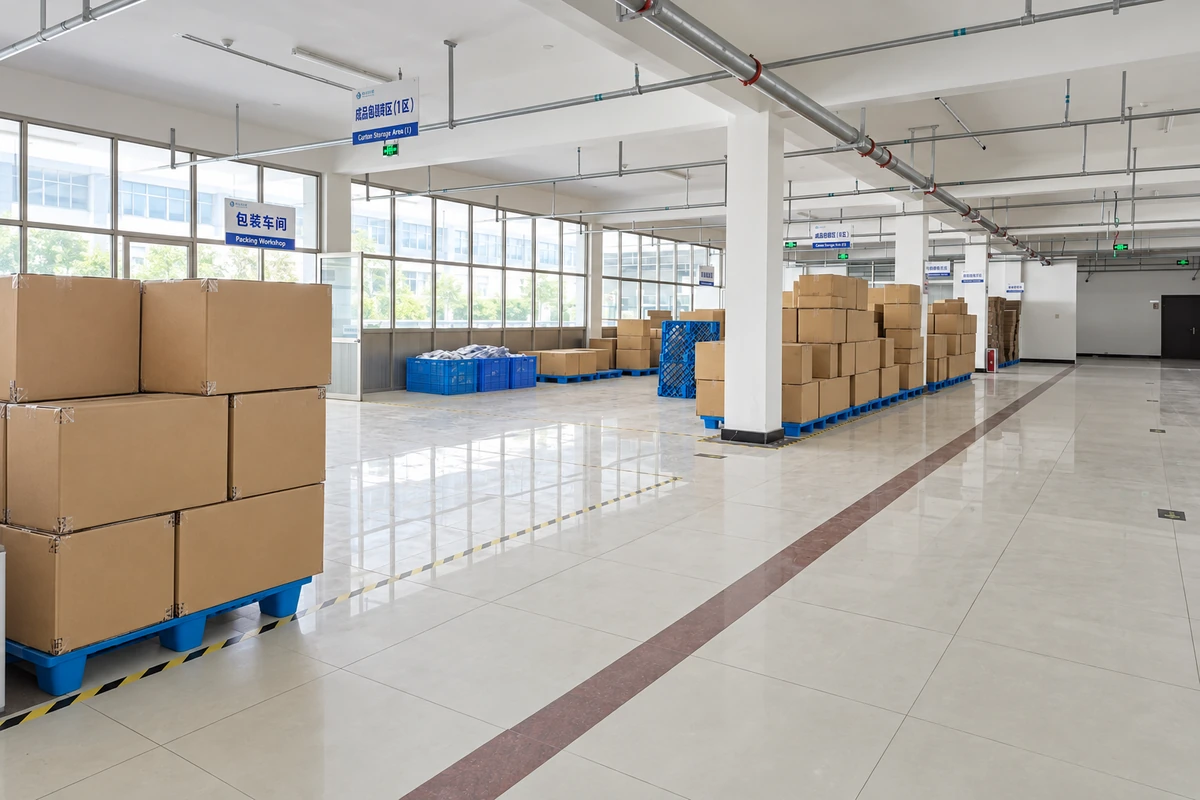
Sealed cartons grouped on blue pallets inside a packing workshop

Packaging and Delivery

Projects can reduce unnecessary poly bags, optimize carton size and void space, or use listed alternatives while maintaining required product protection.

Pink fingerless gloves with stitched knuckle openings and a buttoned wrist strap

Material Choices for Custom Glove Projects

Material availability, glove performance, composition, supporting documents, MOQ, cost, and timing are reviewed together for each project.

  • Cotton and Organic Cotton
    Cotton and organic cotton can be reviewed for suitable glove constructions, subject to specification and supply.
  • Recycled and Performance Materials
    Recycled polyester, recycled leather when available, HPPE and Kevlar blends can be considered according to the required glove performance.
  • Leather, Synthetics, and Coatings
    Split or full-grain leather, synthetic leather or PU, plus natural rubber or nitrile coatings are available choices for relevant glove types.
  • Documents and Project Conditions
    Available specifications, test reports, certification documents, and traceability records are matched to the selected material; MOQ, price, and timing are confirmed per project.

Production Planning and Waste Handling

GloveWise uses practical production controls to limit avoidable material loss and sorts remaining leather and fabric waste for appropriate handling.
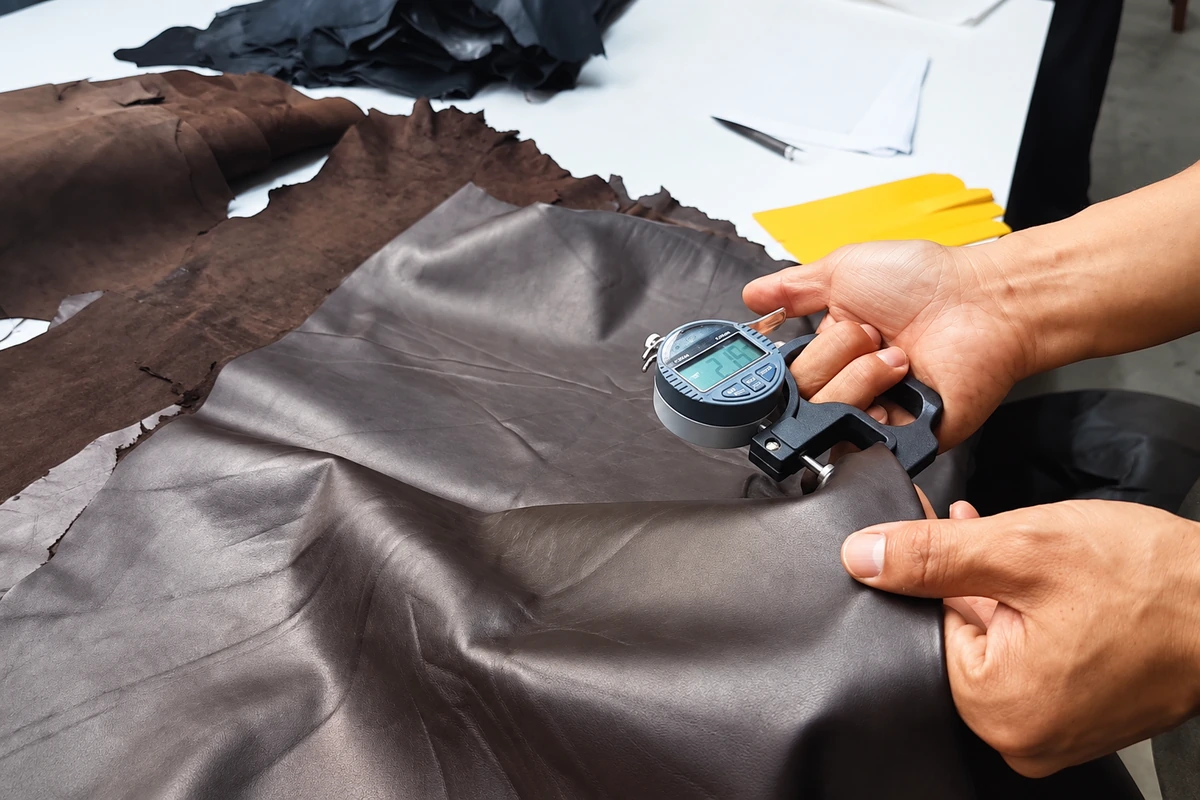
Hands checking a leather sheet with a digital thickness gauge

Reducing Avoidable Material Use and Rework

Four practices address cutting efficiency, production coordination, early defect detection, and workmanship consistency.
  • Optimized Cutting Layouts
    Pattern placement is organized to reduce avoidable material offcuts during cutting.
  • Production Planning Controls
    Order planning coordinates materials and production stages.
  • In-Process Inspection
    Checks during production identify defects earlier and help limit additional rework.
  • Operator Training
    Employee training supports consistent workmanship and helps reduce defects.
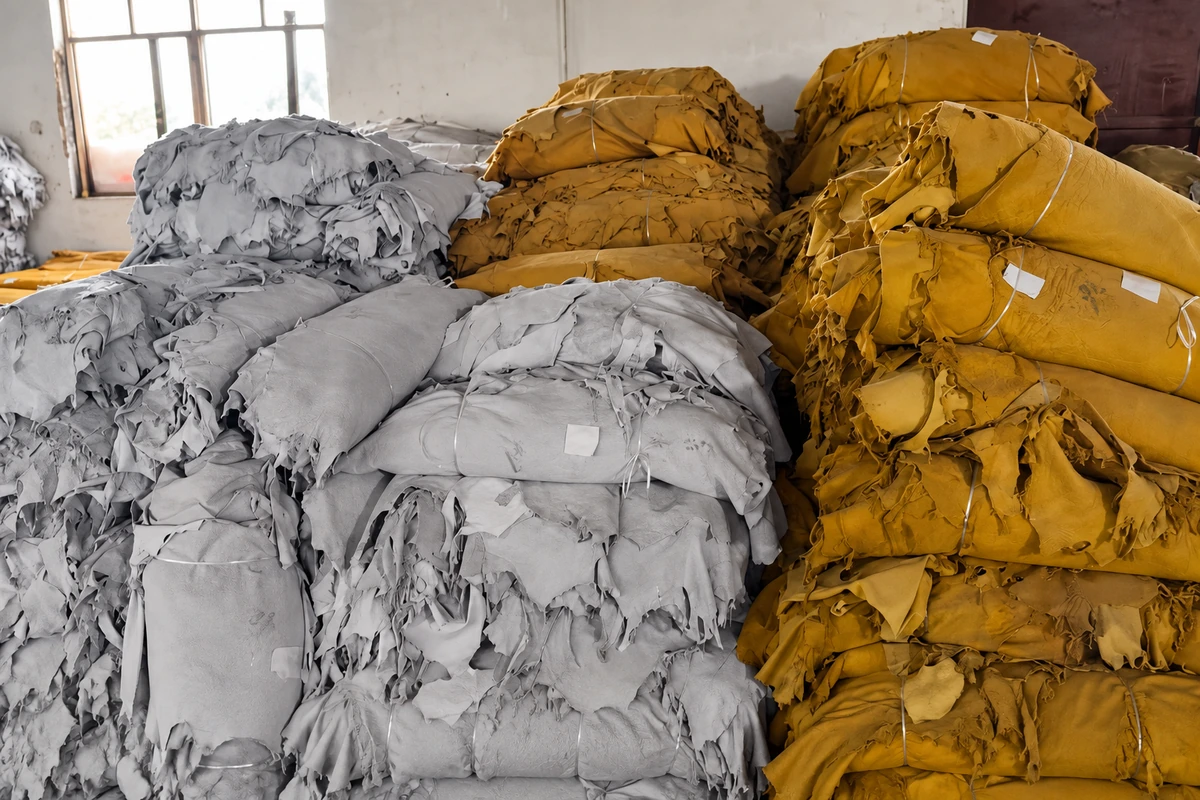
Gray, tan and yellow leather pieces grouped in tied bundles

Sorting and Handling Production Waste

Leather and fabric waste is separated by material type, with reuse, recycling, or controlled local handling applied where suitable.

  • Sort by Material Type
    Leather and fabric waste is collected separately by material category.
  • Reuse or Recycling Where Suitable
    Suitable offcuts may be recycled or used for small components and filling materials.
  • Controlled Handling for Remaining Waste
    Material that is not reused or recycled is handled under applicable local requirements.

Packaging Choices by Project Requirement

Packaging can use less material while retaining the protection, branding, labeling, handling, and shipping functions required by the order.
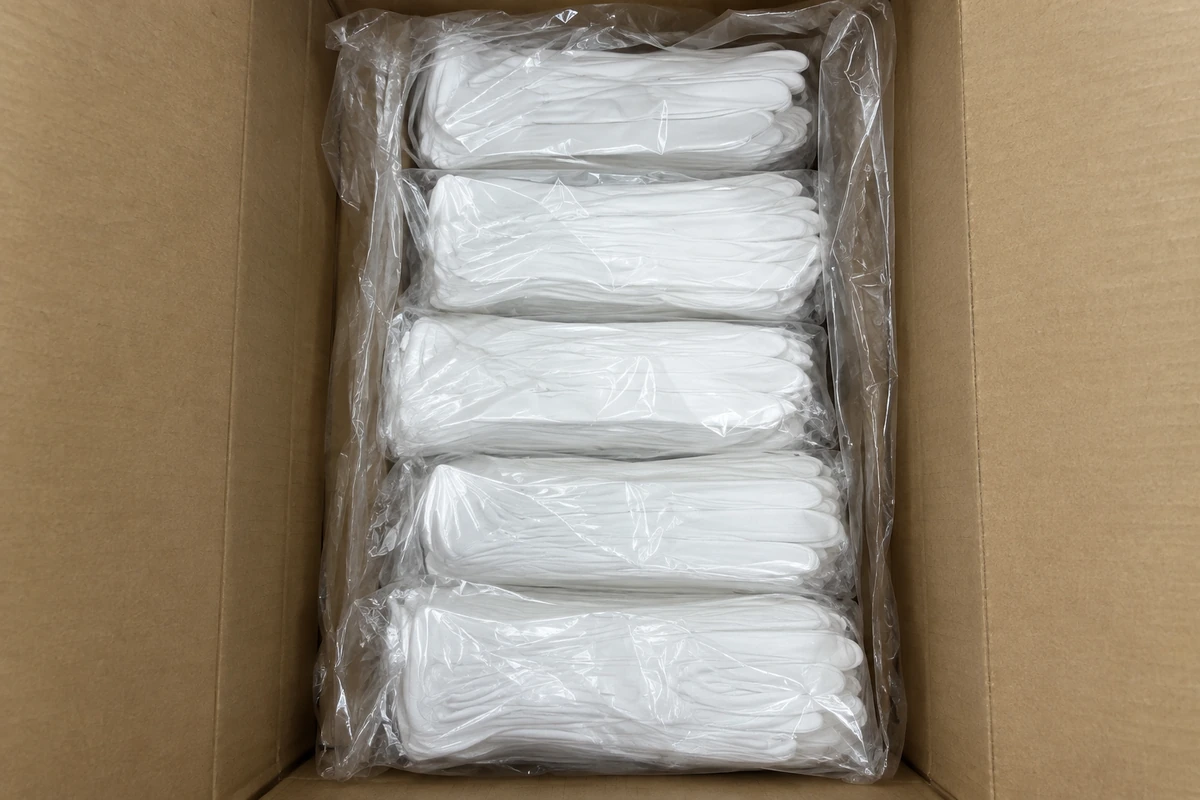
Bagged white gloves arranged closely inside an open carton

Reduce Excess Packaging

Projects can reduce unnecessary poly bags and optimize carton size and void space when protection and handling requirements permit.
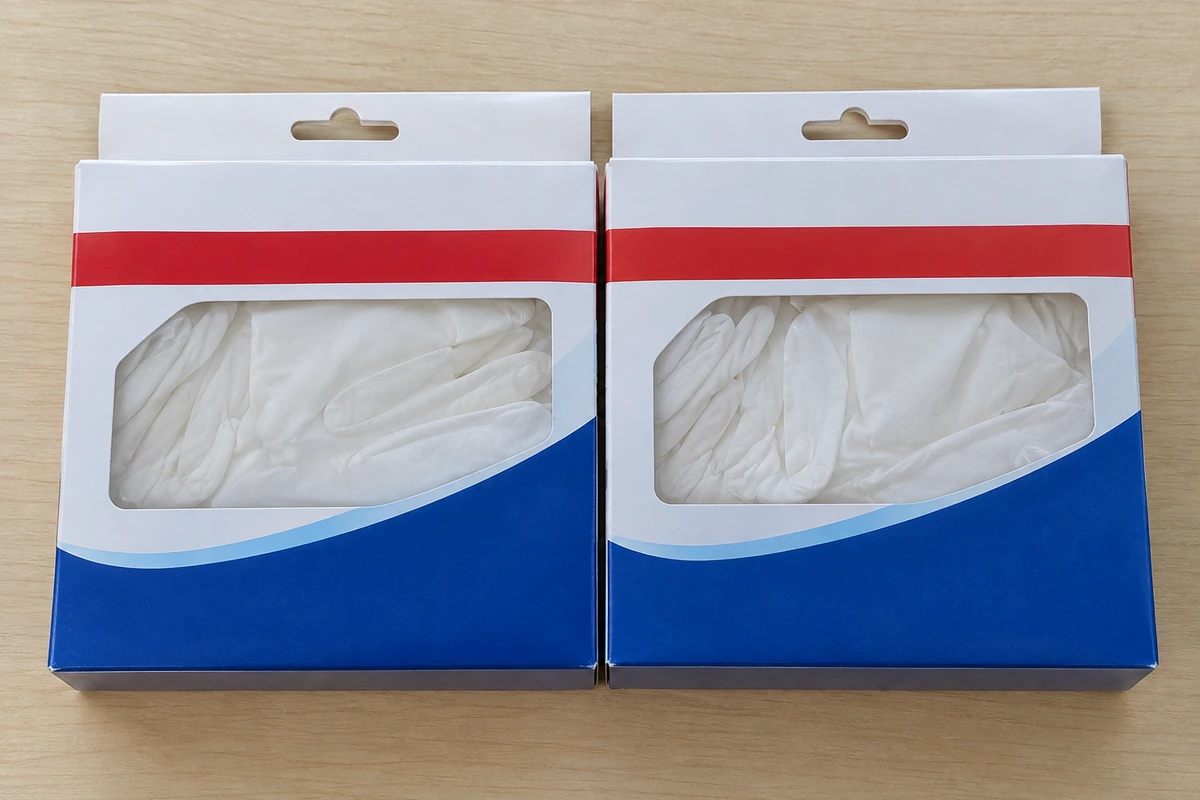
White cotton gloves displayed in two paperboard retail boxes

Paper-Based Alternatives

Kraft paper, recycled paper, and recyclable cartons can be considered according to product, branding, and transport needs.

White gloves inside a clear retail pouch

Project-Specific Alternatives

Biodegradable poly bags and compostable hang tags may be available; supply, branding, protection, MOQ, cost, and timing are confirmed per project.

Two people discussing papers at a table in a glove exhibition booth

Documents Behind Material and Project Claims

Supporting information must match the selected material or glove project. We verify document scope and sharing permission before use.

  • Material Specifications and Traceability
    Material specification sheets and supplier traceability documents may be shared according to the selected material and disclosure permissions.
  • Physical and Chemical Test Reports
    Available reports, including REACH testing when relevant, are matched to the actual material or project scope.
  • Certification Scope
    OEKO-TEX or other material certification documents may be requested, but holder, coverage, validity, and permission to disclose must be verified before use.

Review Sustainability Requirements for Your Gloves

Send the glove type, intended use and approximate quantity to start. If you have a reference, destination or required date, include it so we can review the next steps.

Request a Project Review

Material & Packaging Questions

Available choices include cotton, organic cotton, recycled polyester, recycled leather when available, split or full-grain leather, synthetic leather or PU, HPPE and Kevlar blends, and natural rubber or nitrile coatings. Suitability and supply are confirmed per project.
Available documents may include material specification sheets, physical and chemical test reports, supplier traceability records, REACH testing, OEKO-TEX upon request, and other applicable certificates. Scope and disclosure permission are verified before sharing.
GloveWise reduces avoidable waste through cutting layouts, production planning, in-process checks, and training. Leather and fabric waste is sorted by material, reused or recycled where suitable, and otherwise handled under local requirements.
Yes. Unnecessary poly bags may be reduced, carton size and void space optimized, and Kraft paper, recycled paper, recyclable cartons, biodegradable poly bags, or compostable hang tags considered while meeting protection and shipping needs.
Yes. Organic cotton, recycled polyester, and GRS-certified materials can affect MOQ, price, and lead time depending on supply, so terms are confirmed for each project.
Email Us Send an inquiry