
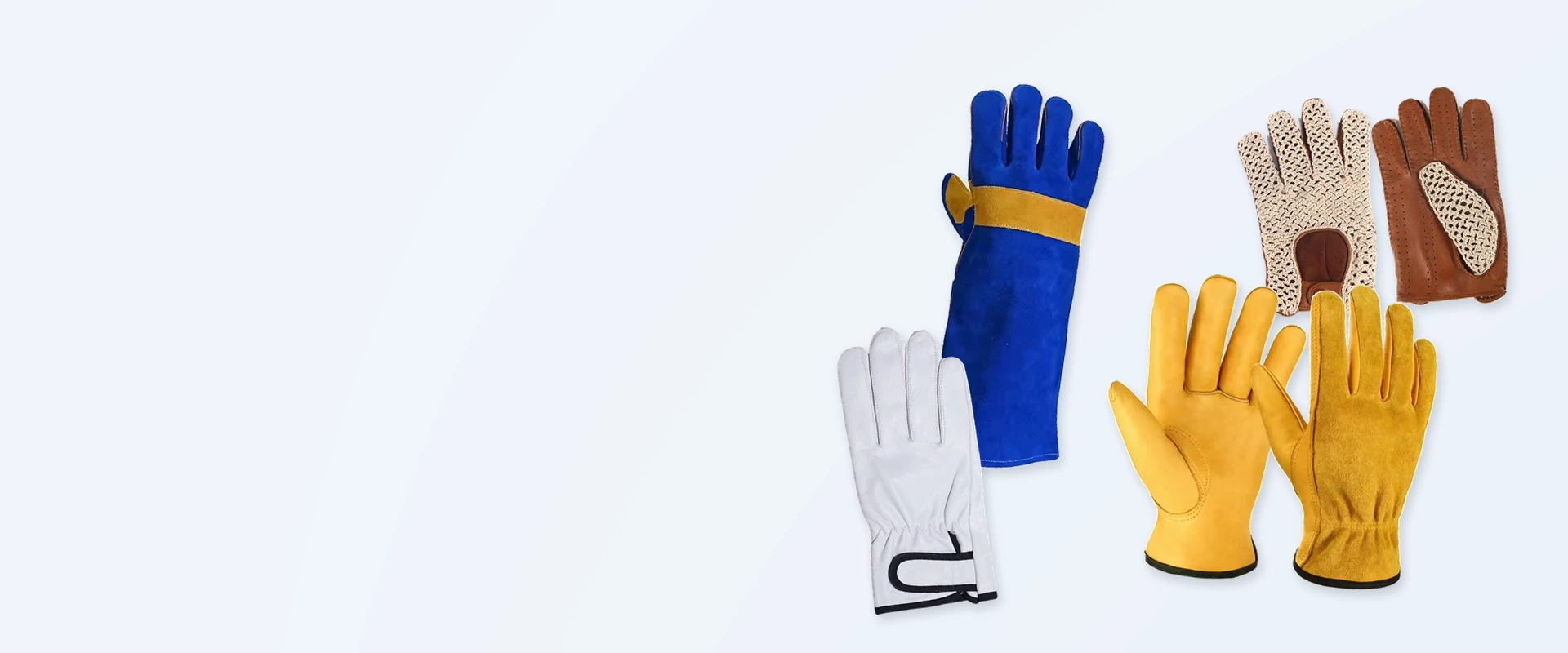
Custom Leather Gloves
Leather gloves made to your preferred feel, fit and finish, with custom branding for work, welding and driving styles.
- ✓ Full-Grain, Split or Synthetic
- ✓ Sample Before Production
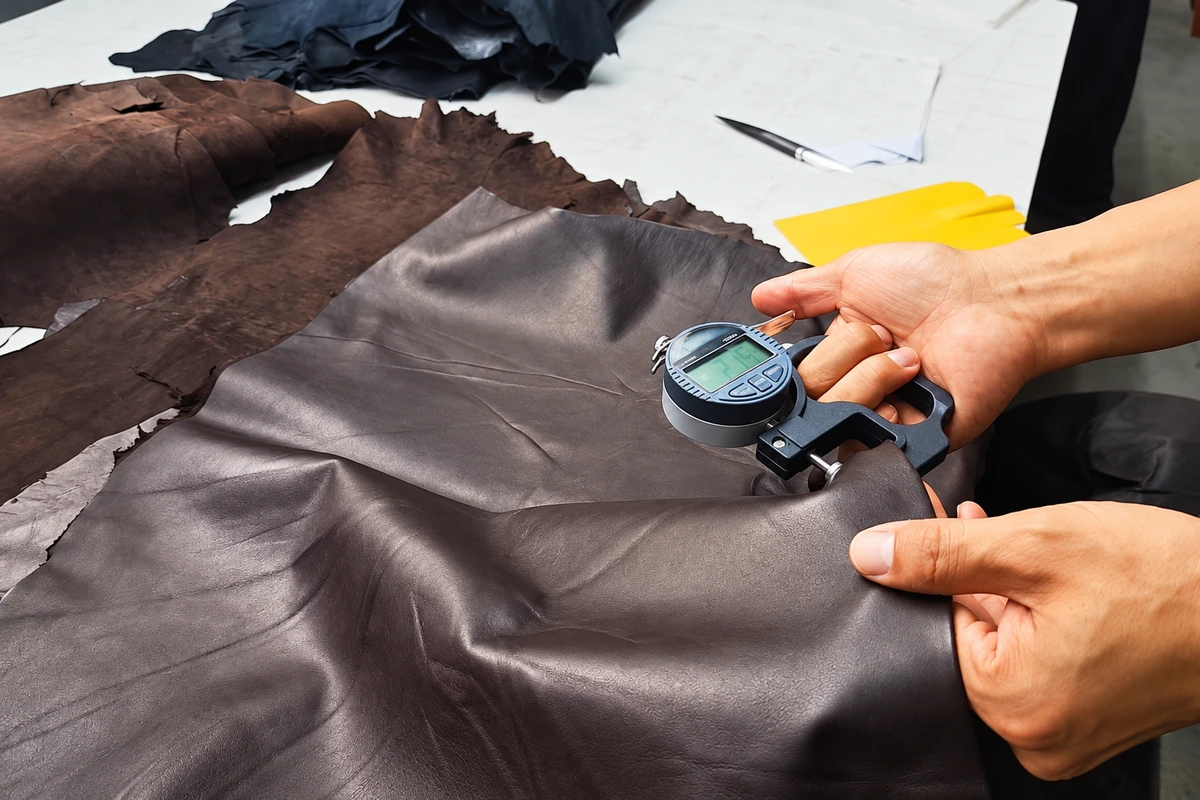
Compare leather and intended use
Cowhide and goatskin identify the leather; welding and driving describe how the glove will be used. We review the material, fit, seams, branding and packing together on the sample.
Six Decisions That Shape a Leather Glove Project
Define these points before sampling to review material, construction, appearance, and commercial conditions together.

1. End Use and Product Route
Choose a cowhide, goatskin, welding, or driving route according to the task, desired hand feel, and market.

2. Leather Type
Confirm whether the project uses animal or synthetic leather, then specify the required balance of structure, flexibility, appearance, and cost.

3. Surface and Hand Feel
Compare full-grain, split, or synthetic surfaces and approve thickness, texture, shade, and flexibility on a material or glove sample.

4. Pattern and Seams
Define size, finger shape, thumb construction, seam position, reinforcement, and fit according to the intended movements.

5. Cuff and Added Details
Select cuff length, lining, perforation, or decorative stitching only where the use and design require them.

6. Branding and Packing
Match embossing, hot stamping, printing, embroidery, labels, and packaging to the leather, artwork, quantity, and sales channel.
Choose the Leather Glove Route for Your Project
Start with the intended use and hand feel, then refine leather, pattern, seams, color, branding, and packing during development.
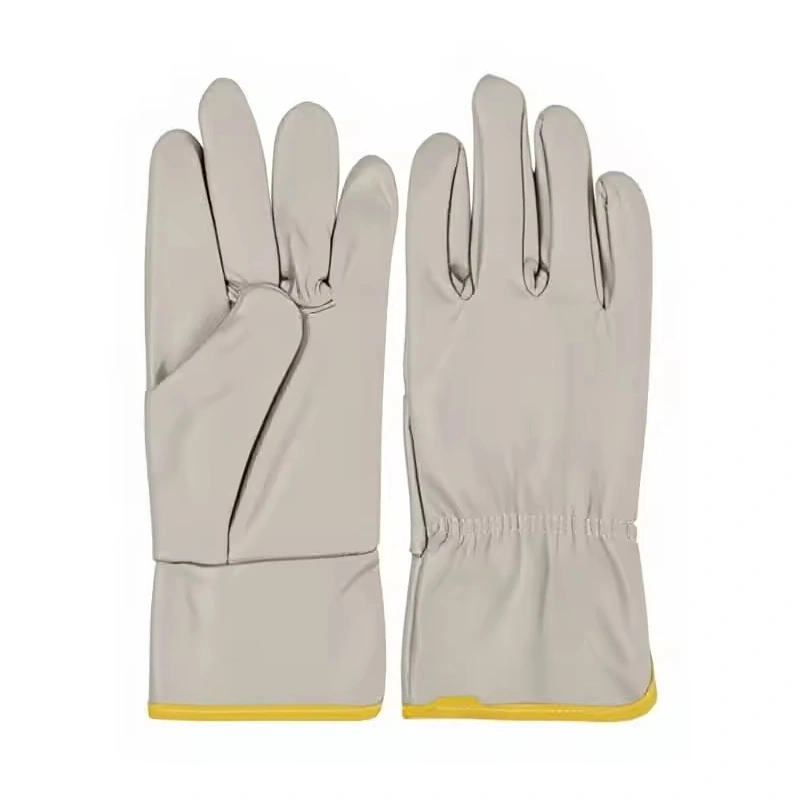
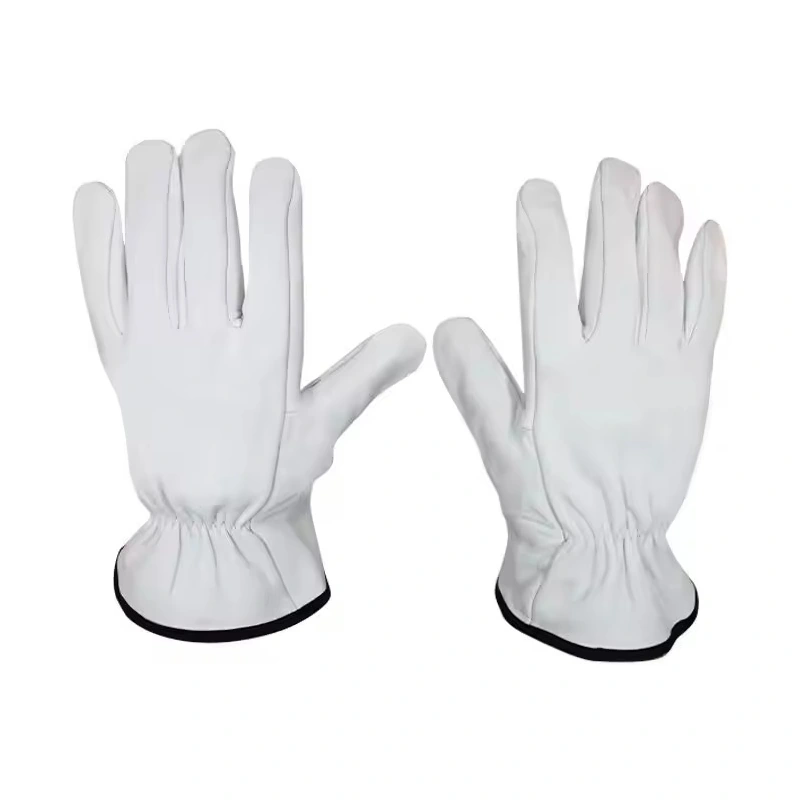
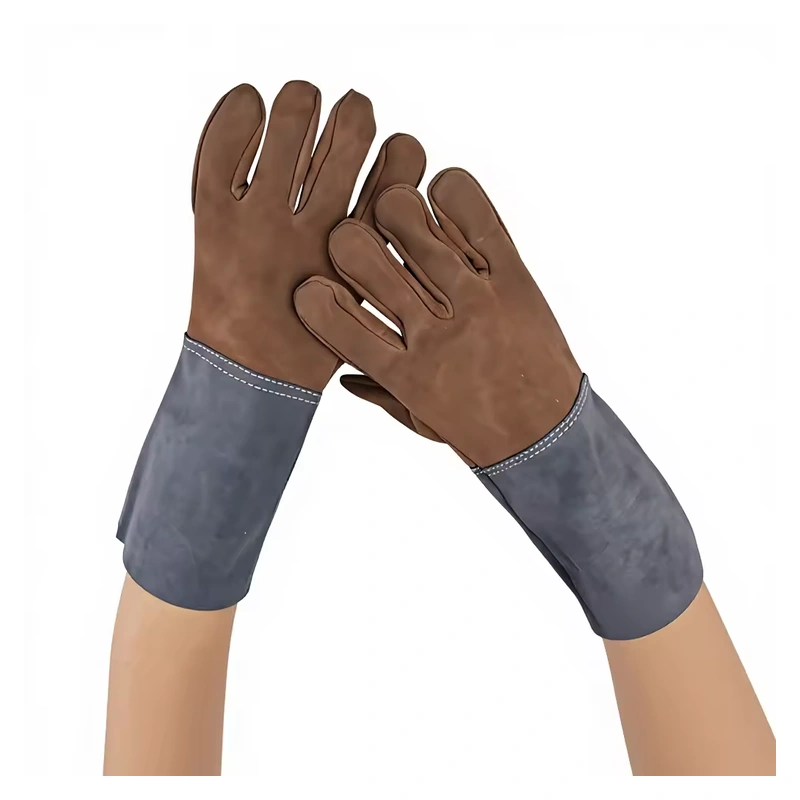
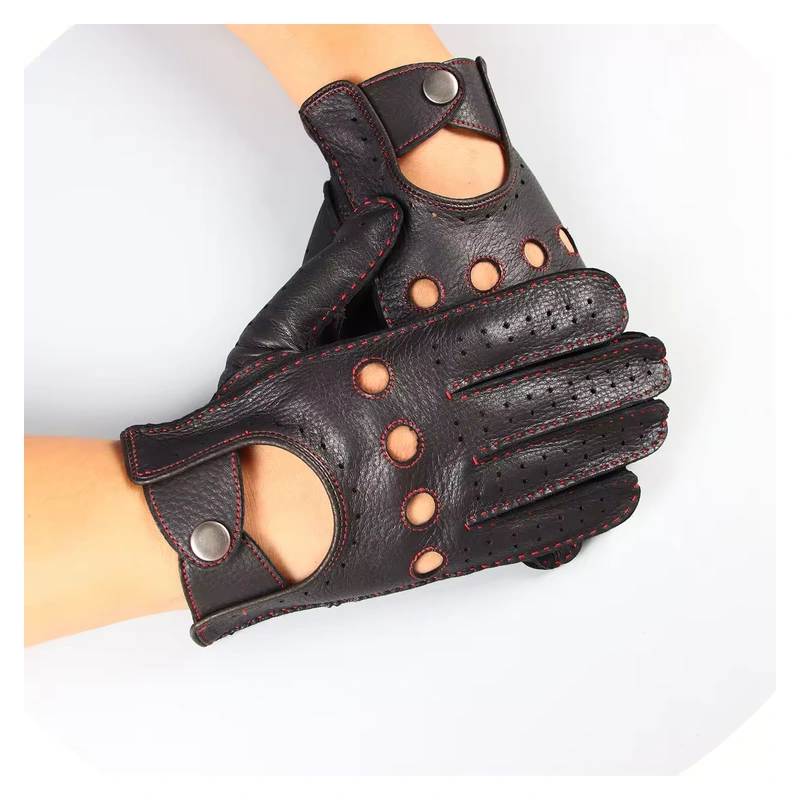
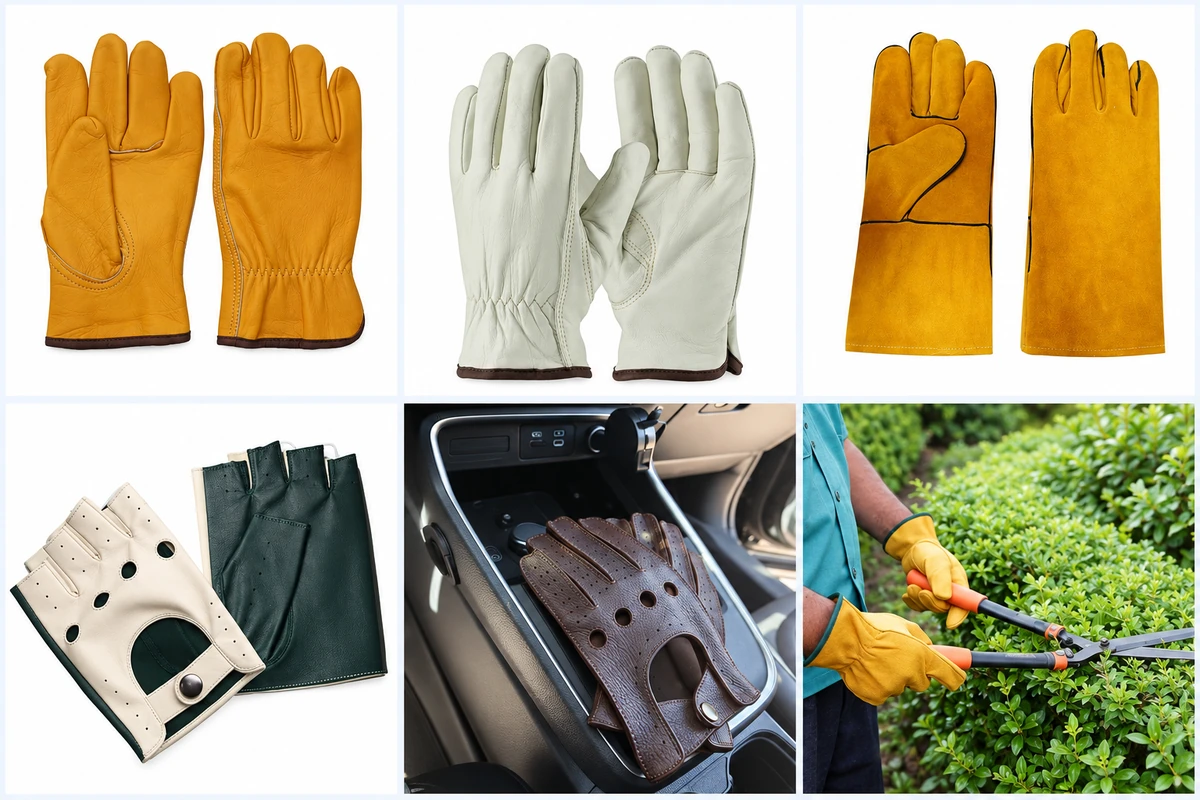
Choose Leather Around End Use and Handling
A leather name alone does not define the right glove. Compare the task, required hand feel, movement, wear areas, cuff coverage, and any test target before selecting a route for the first sample.
- Cowhide Route
Choose a more structured, durable feel for work, handling, and projects where wear life is a priority. - Goatskin Route
Choose a softer, more flexible feel where finger movement, grip, and close fit matter. - Welding Route
Define the welding process, exposure, leather, lining, seam, reinforcement, and cuff; verify required performance by project. - Driving Route
Prioritize close fit, steering control, palm feel, perforation, stitching, and the intended retail appearance.
Control Fit Through Pattern and Construction
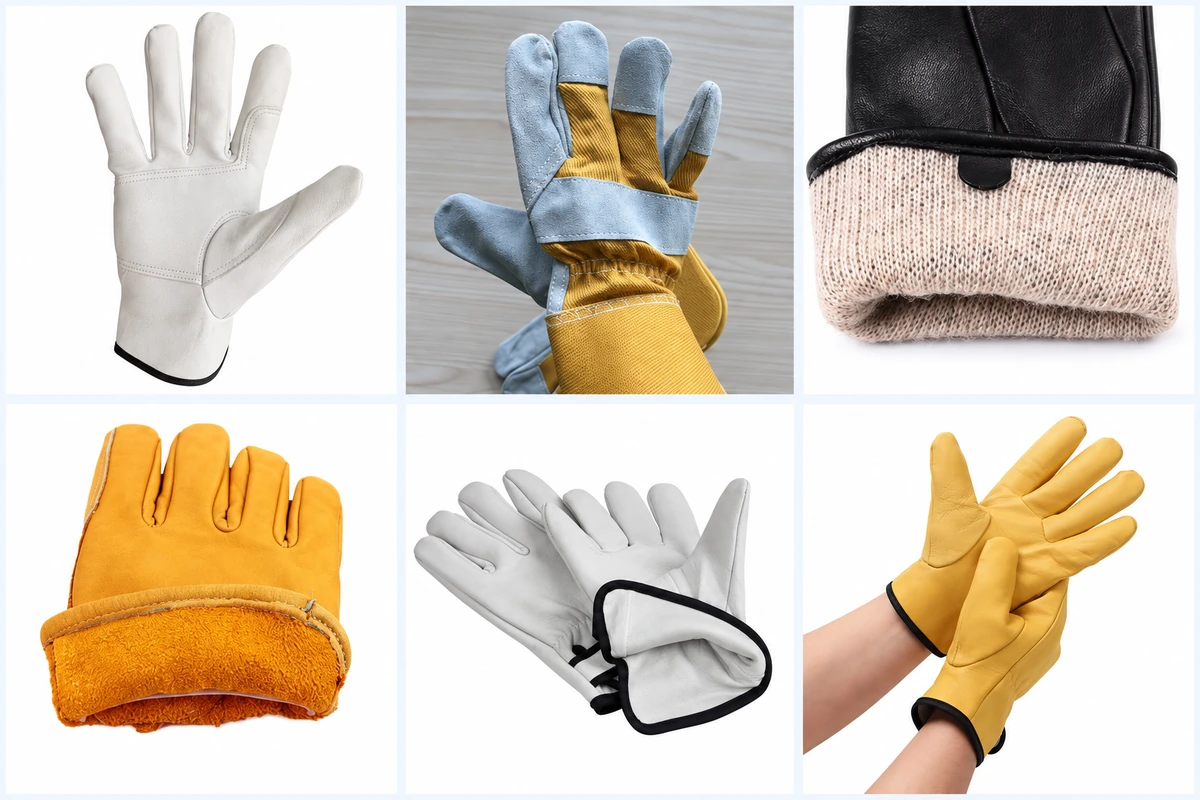
Leather stretches, folds, and responds to seams differently from knitted materials. Use a representative sample to approve the size chart, pattern, thumb, seam placement, reinforcement, cuff, fit, and movement for the intended use.
- Size Range
Start with S–XXL or provide custom hand dimensions and the quantity ratio for each size. - Pattern and Thumb
Confirm finger length, palm width, thumb construction, and ease for the intended grip and movement. - Seams and Reinforcement
Place seams and extra layers around stress points without adding unnecessary stiffness or bulk. - Sample Fit Check
Review comfort, symmetry, finger control, cuff entry, seam feel, and movement before approving production.
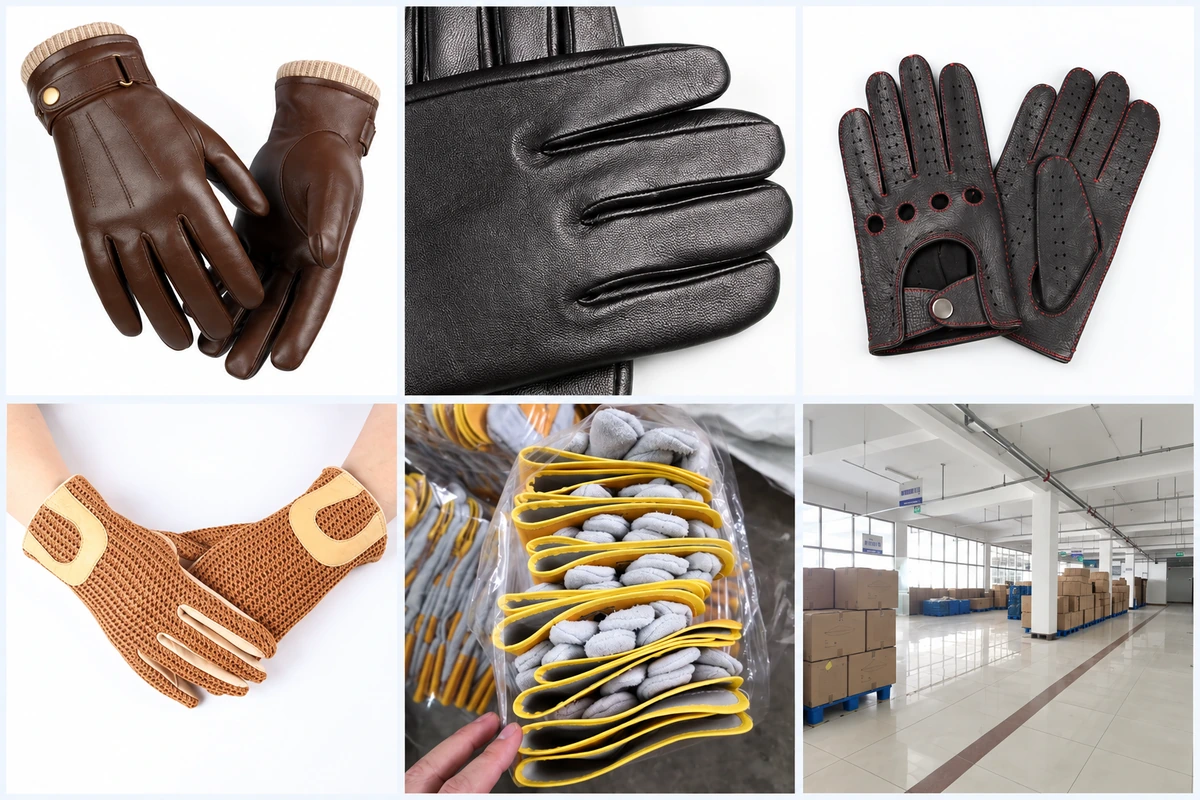
Approve Color, Surface, and Brand Details
Confirm the leather shade, texture, perforation, decorative stitching, logo method, labels, and packing during sampling and before production.
- Color and Surface
Approve the available leather shade and texture, allowing for reasonable variation in natural material. - Perforation and Stitching
Use perforation or decorative stitching where it supports ventilation, styling, or product identity. - Logo Method
Hot stamping, embossing, screen printing, or embroidery depends on the surface, artwork, placement, and quantity. - Labels and Packing
Confirm label content, barcode, pair packing, retail presentation, carton marks, and destination requirements.
Three Material Routes to Compare Before Sampling
Compare surface, hand feel, use, appearance, consistency, and project conditions before choosing material for the first sample.
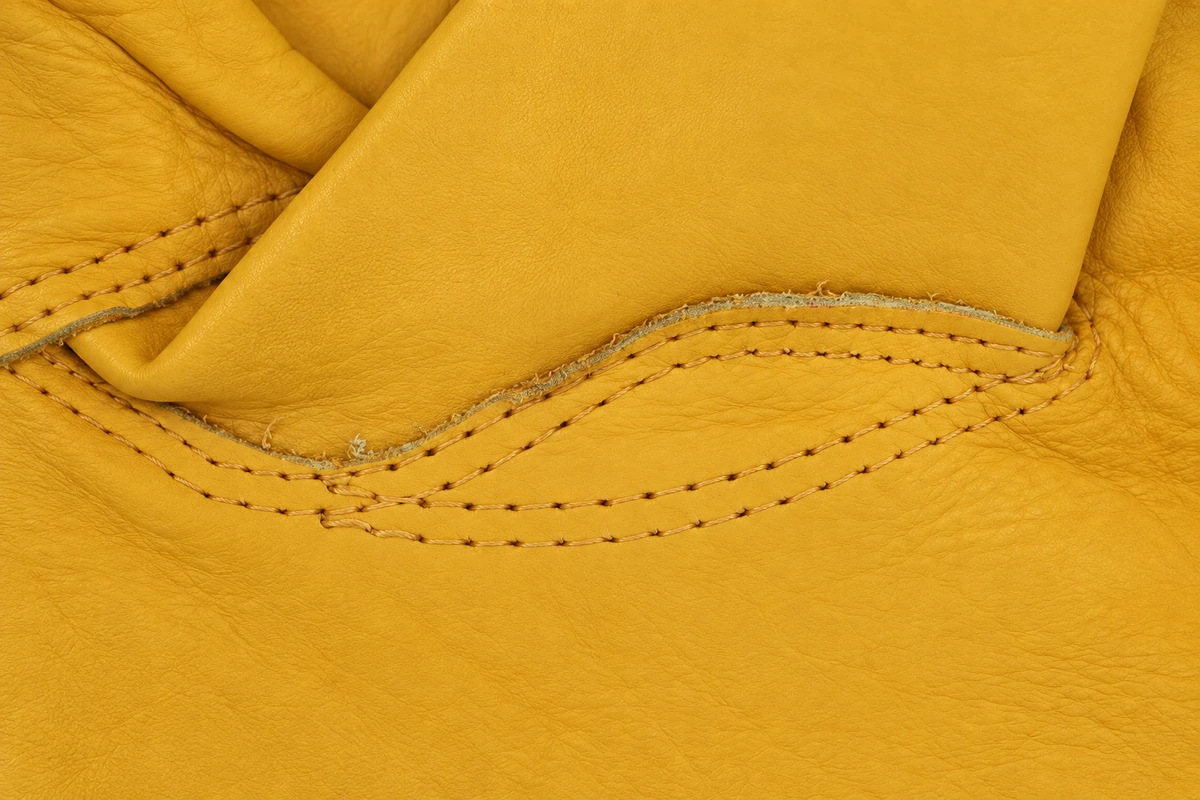
Full-Grain Leather
Retains the grain surface and suits projects that prioritize natural appearance and feel. Confirm animal source, thickness, finish, shade, and availability.
Review Full-Grain Options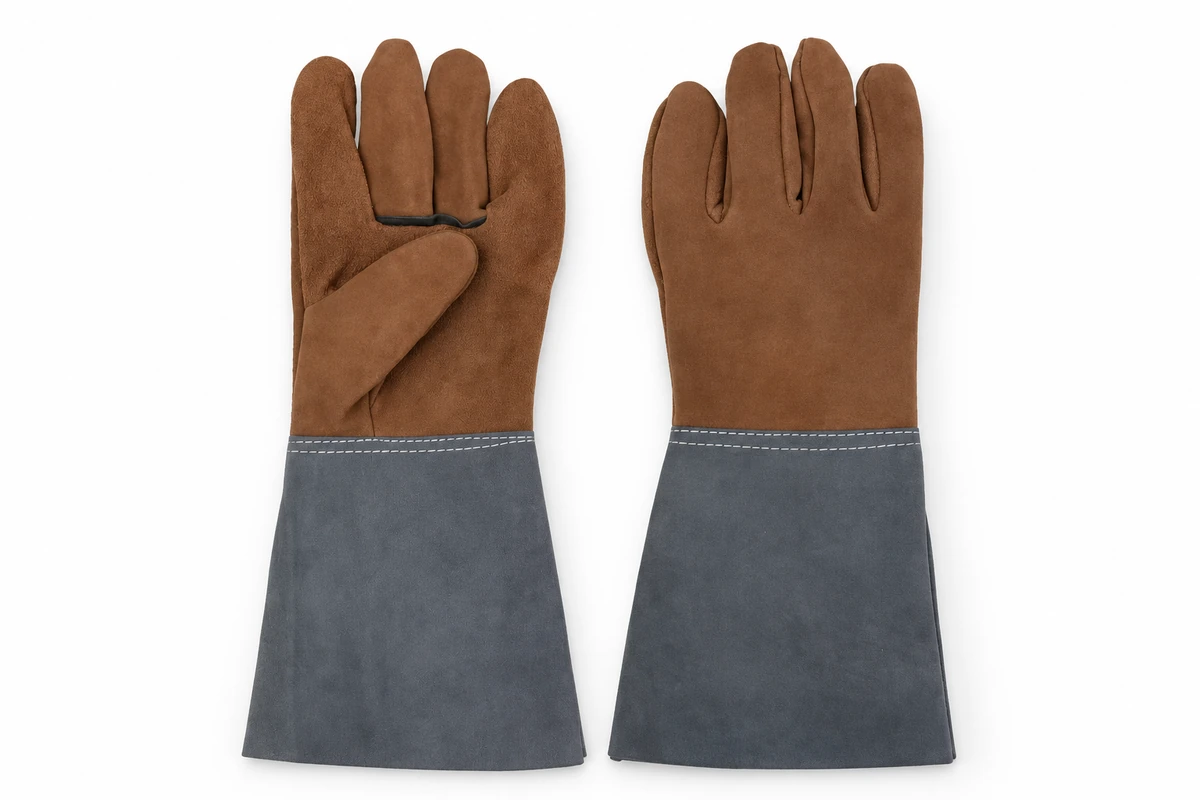
Split Leather
Offers a different surface and structure for work or welding routes. Confirm thickness, softness, lining, seam design, and the intended task.
Compare Split Leather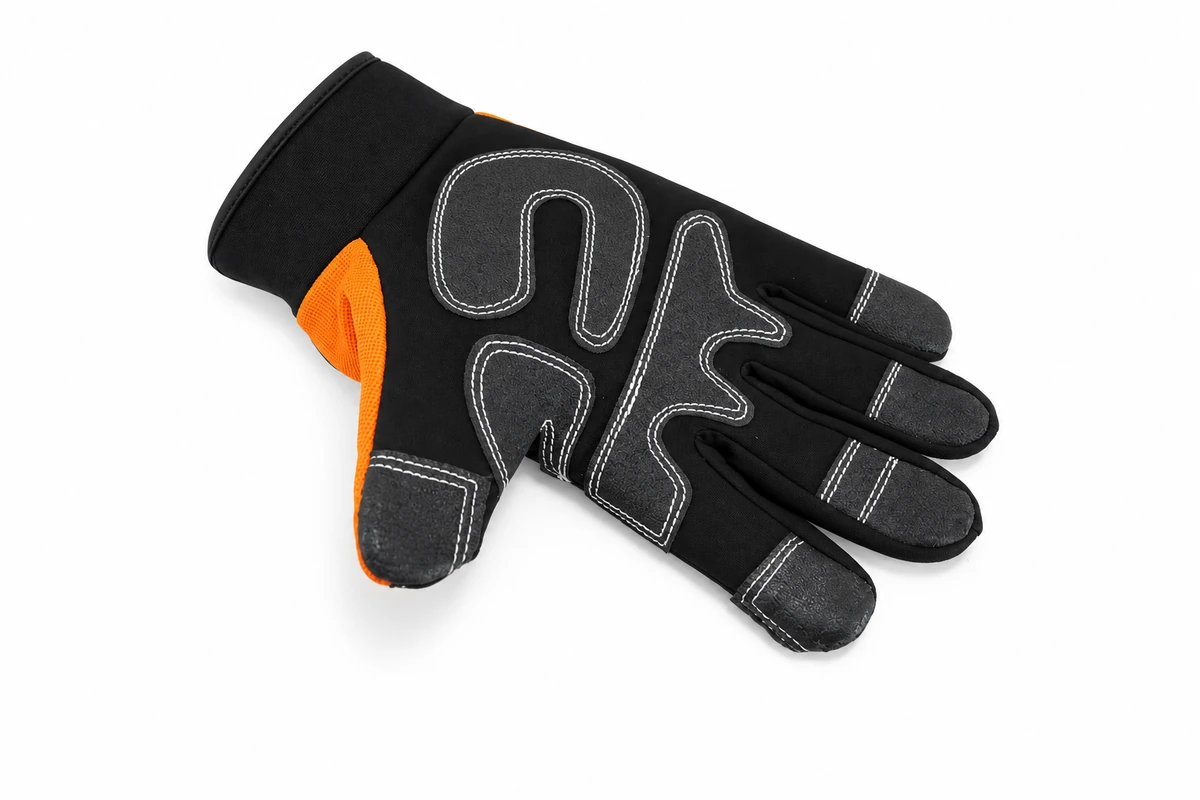
Synthetic Leather
Synthetic leather offers more uniformity for selected designs. Confirm composition, hand feel, surface durability, color, and suitability for the intended use.
Discuss Synthetic Options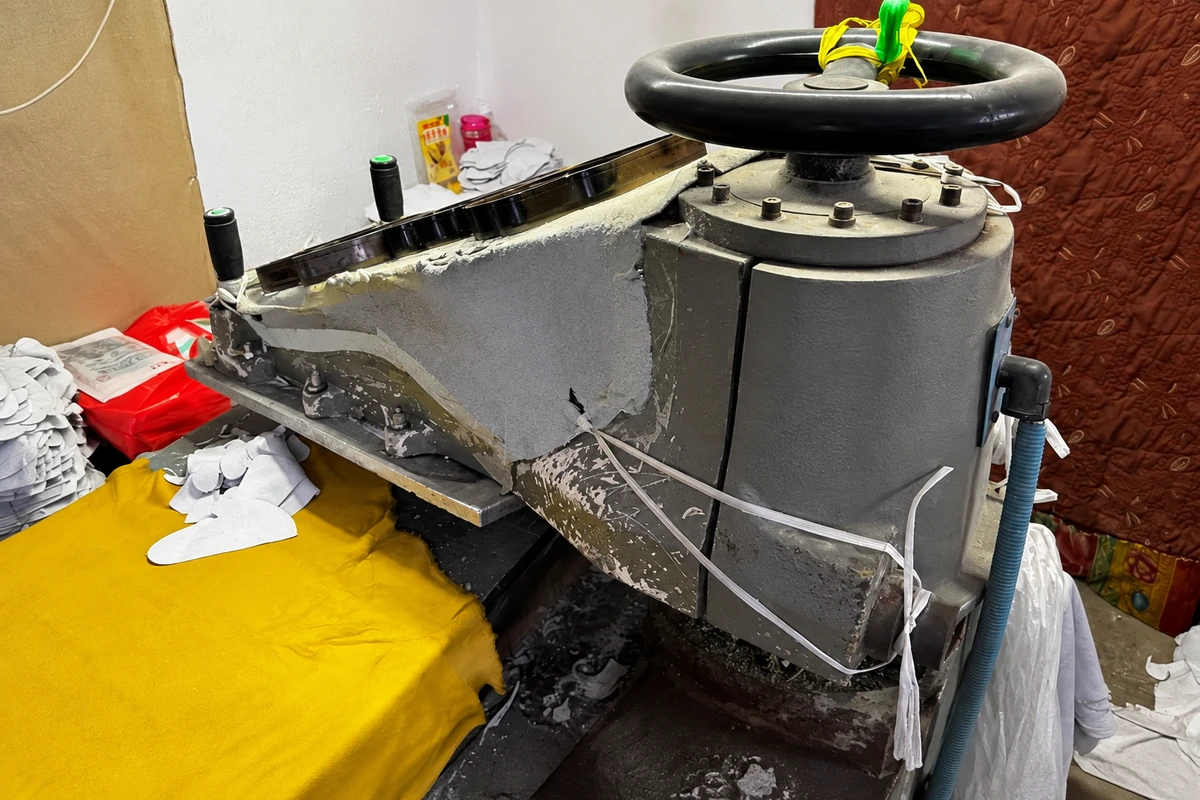
Production Resources for Custom Leather Gloves
Our facility includes leather and fabric cutting, 30 sewing stations, two hot-stamping or embossing machines, screen printing, punching, inspection, and packing. IQC, IPQC, and FQC cover incoming leather, cutting, seams, logo placement, measurements, symmetry, pairing, and final packing.
Define Your Custom Leather Gloves
Share your leather preference, intended use and quantity to discuss sampling.
Request a Quote