
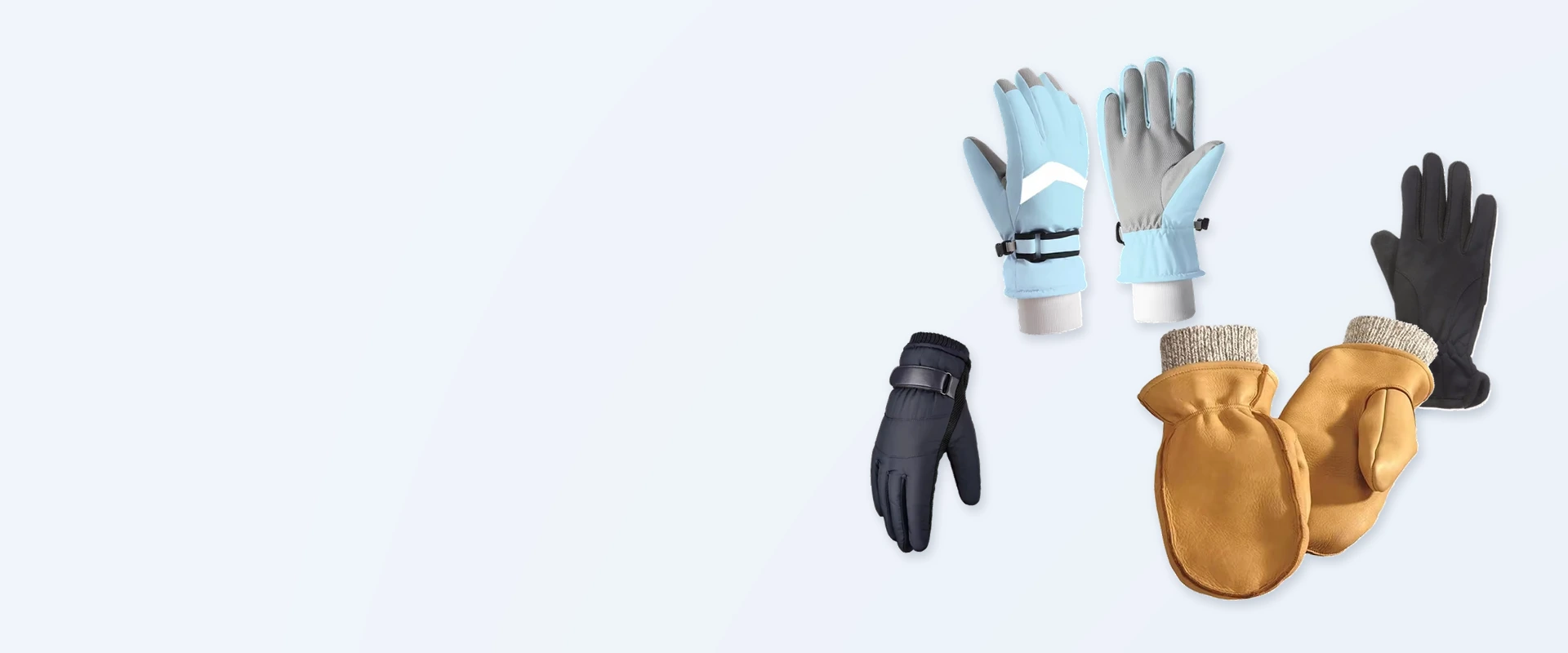
Custom Winter Gloves
Winter gloves developed around your warmth, fit and branding needs, with heated designs subject to separate review.
- ✓ Four Warmth Options
- ✓ Cold-Condition Sample Checks
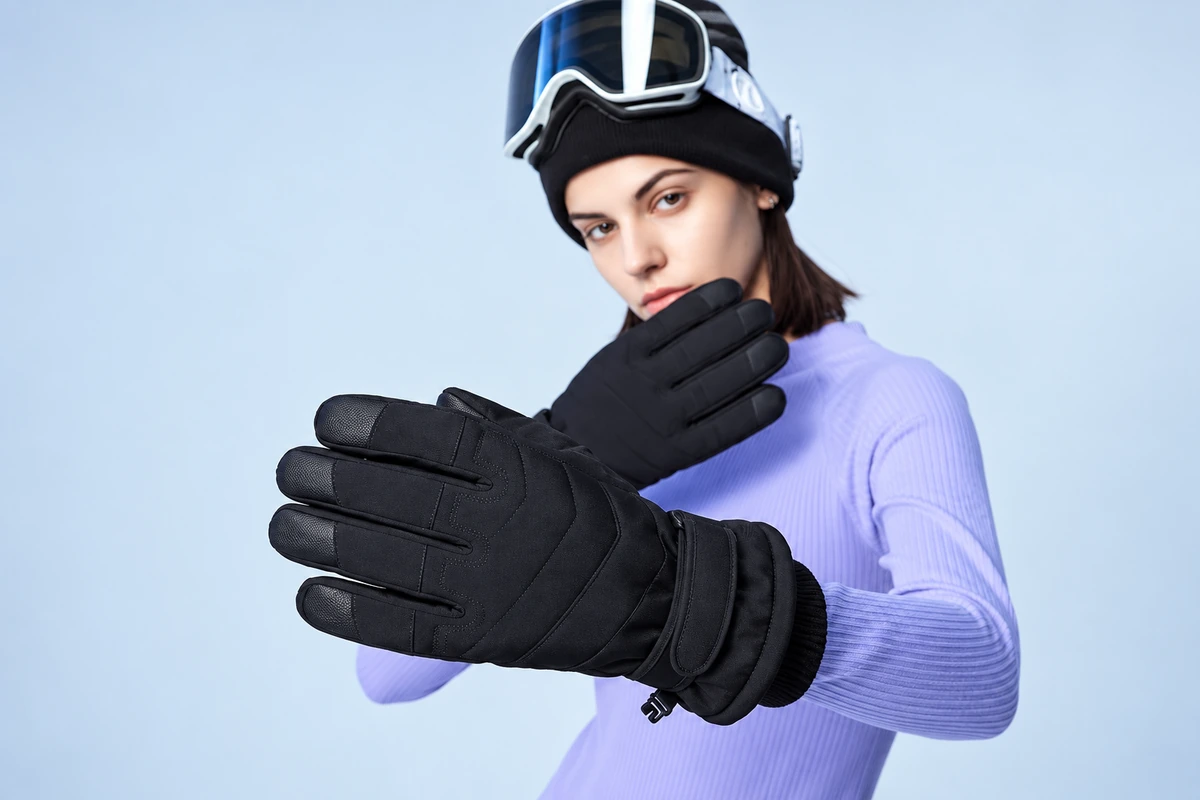
Choose the right source of warmth
Passive insulation, lightweight fleece and cold-wet layers serve different uses. GloveWise supports glove construction and sampling; powered heating requires a separate feasibility, component, testing and transport review.
Six Decisions That Shape a Winter Glove Project
Start with the cold-use brief, then define warmth, layers, fit, powered components, branding, and sample checks for the intended customer and market.

1. Cold, Duration, and Activity
State the temperature range, wind or moisture exposure, wear duration, activity level, hand task, and intended user.

2. Warmth Route
Choose lightweight fleece, passive insulation, waterproof insulated construction, or a separately reviewed powered-heating system.

3. Shell, Insulation, and Lining
Build the layers around warmth, wind and moisture exposure, hand feel, drying expectations, bulk, and flexibility.

4. Fit, Fingers, and Cuff
Confirm palm width, finger length, size grading, liner movement, closure, jacket overlap, entry, and removal.

5. Heated-System Requirements
Share available heated-glove specifications for feasibility review: heat zones, battery, controls, connectors, charging, safety documents, service and transport.

6. Branding and Packing
Match embroidery or another approved logo method, labels, hangtags, pair packing, and cartons to the material and market.
Choose the Winter Glove Route for the Cold
Choose the route by exposure, duration, and activity, then refine the warming method, layers, fit, cuff, branding, sample tests, and project documents.
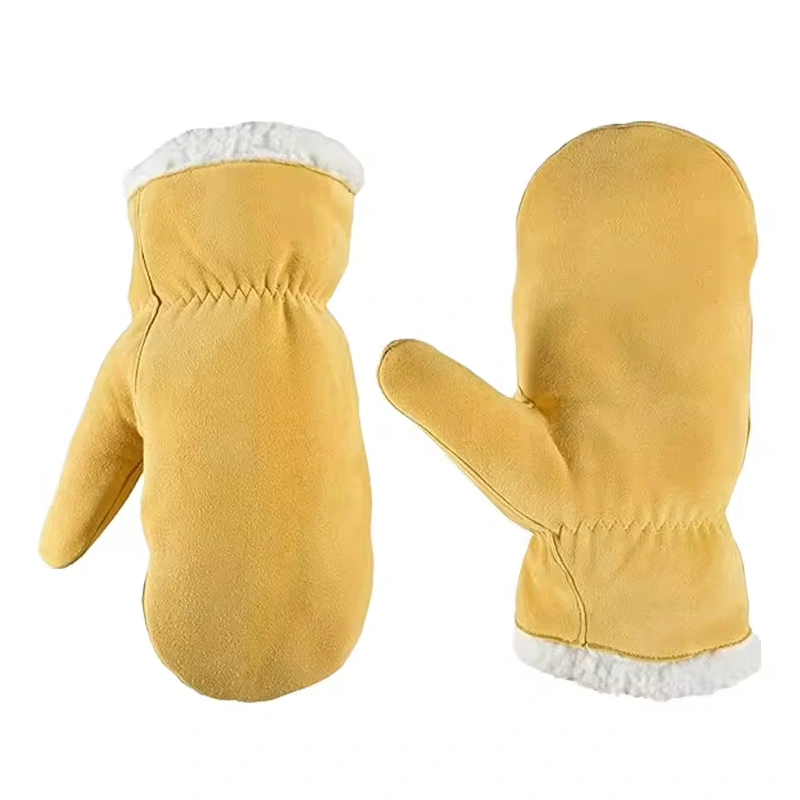
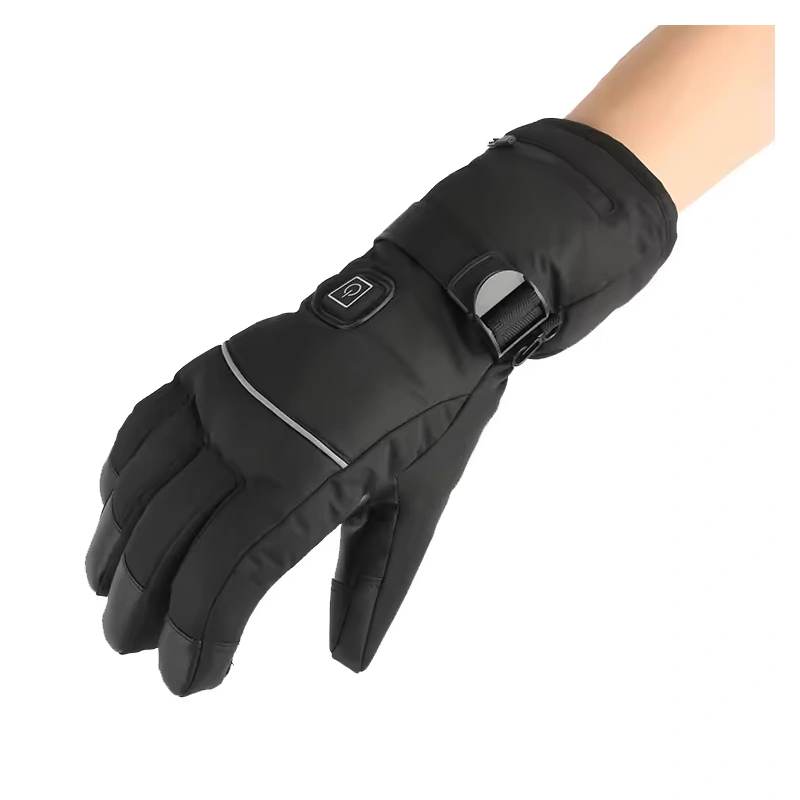
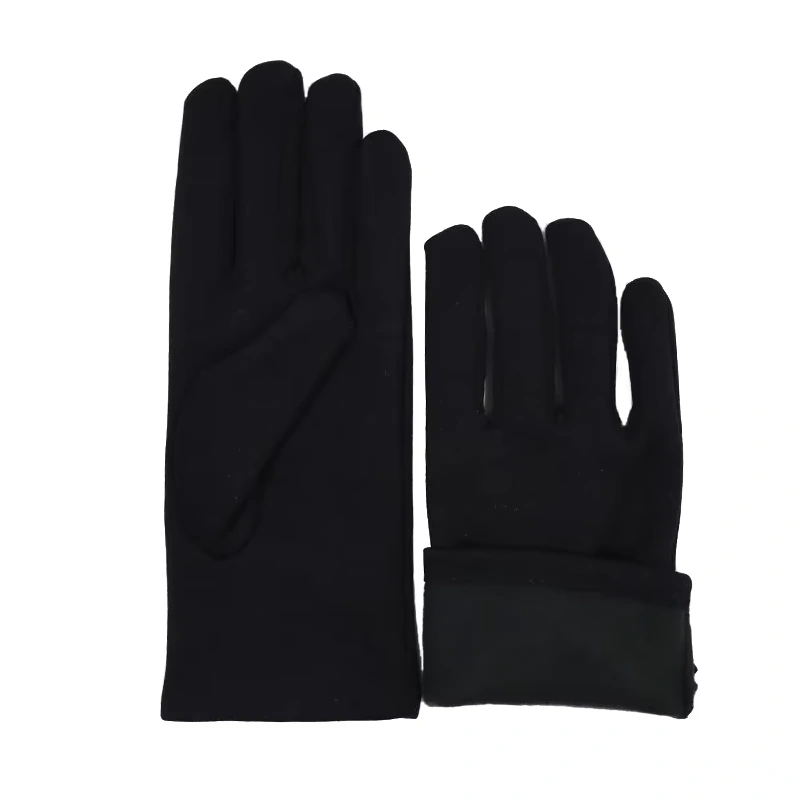
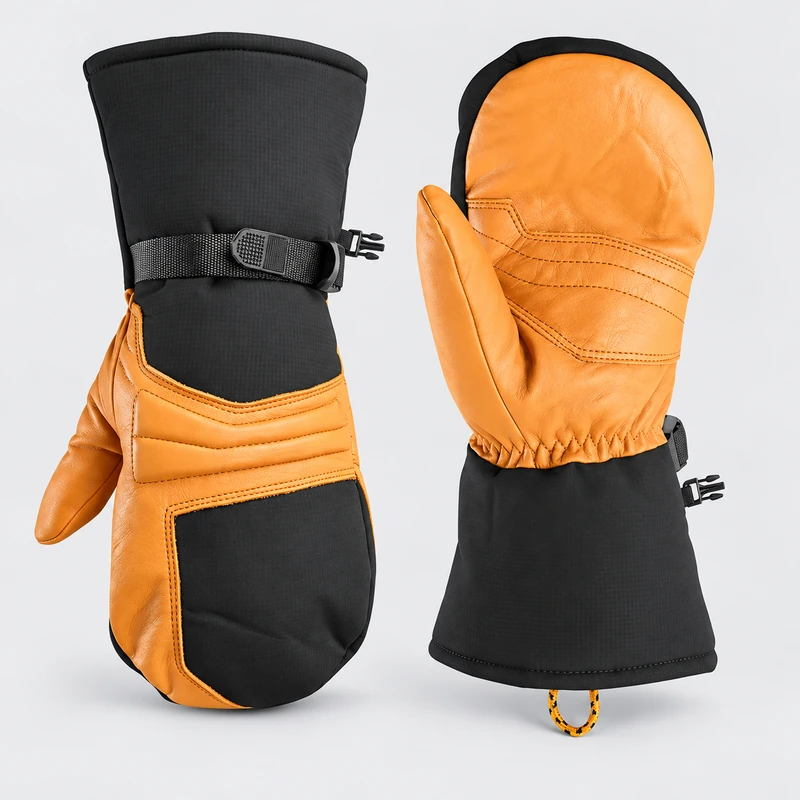
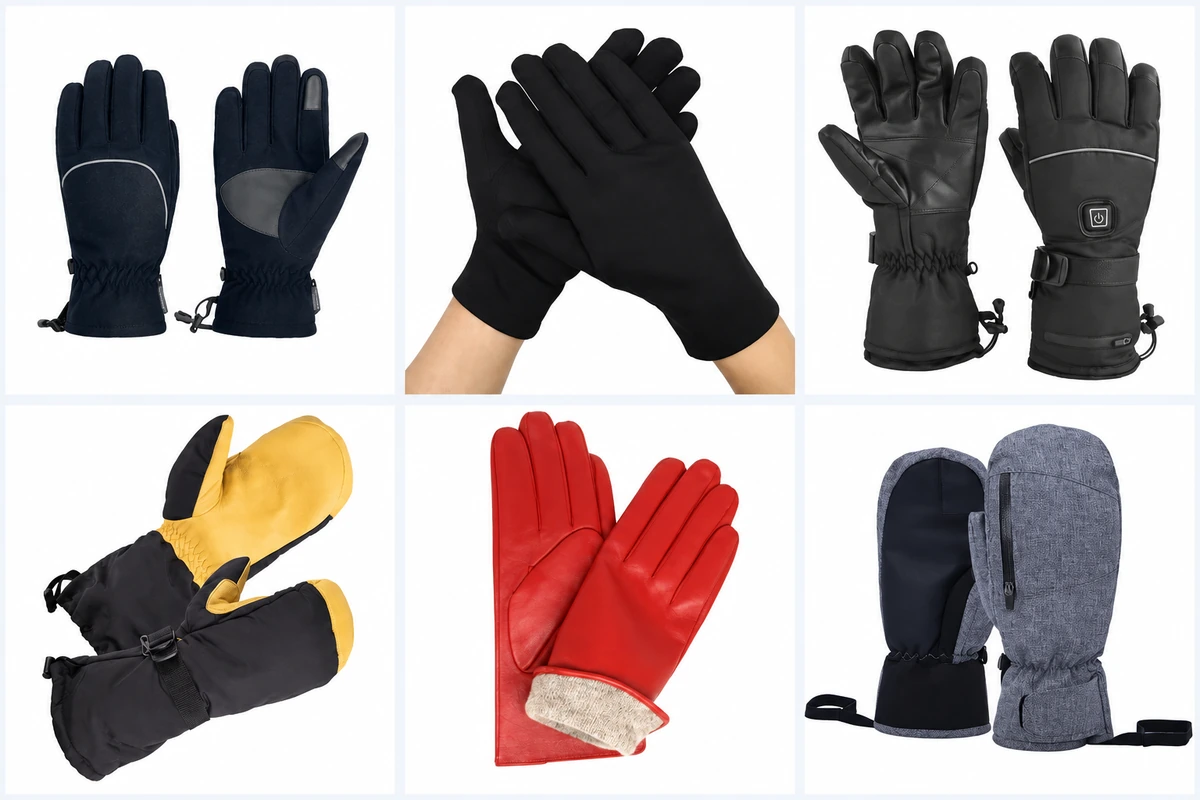
Choose Warmth by Exposure and Activity
Match the glove to the temperature, exposure time, activity level, and hand task. Define the use case before choosing insulation or a powered system.
- Thermal Route
Use passive insulation for cold-weather warmth, then balance loft, flexibility, grip, cuff coverage, and the intended duration. - Heated Route
Consider powered heat only after defining heat zones, runtime target, battery, controls, service, safety documents, and transport conditions. - Fleece Route
Choose lightweight, soft warmth for active or milder cold use; clarify wind, moisture, palm wear, and weather limits. - Waterproof Winter Route
Combine cold and wet management through shell, weather layer, insulation, lining, seams, cuff, and finished-glove validation.
Build the Thermal System as a Whole Glove
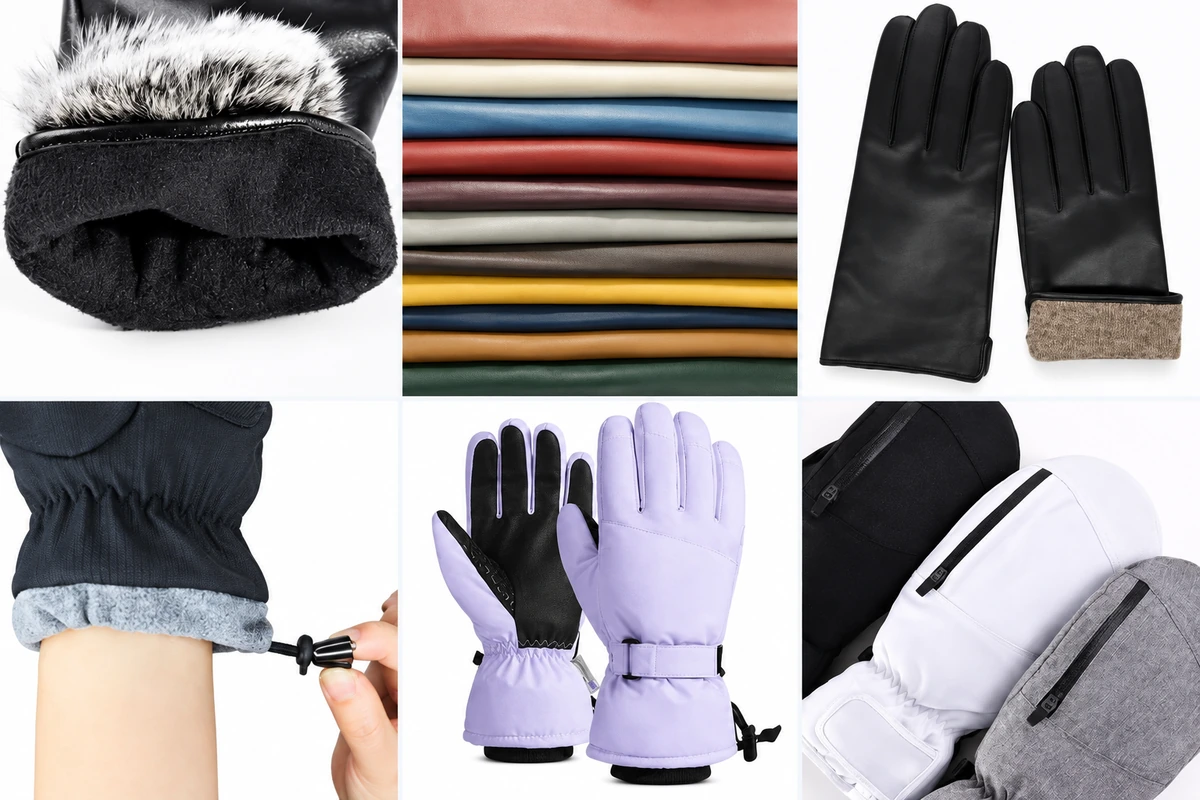
Shell, insulation, lining, fit, and cuff work together. More material is not automatically better: excess bulk can compress loft, shift the liner, reduce grip, and make finger movement harder.
- Outer Shell
Select cotton, polyester, fleece, leather, or a project-specific combination based on exposure, flexibility, wear, appearance, and price position. - Insulation and Loft
Set the thermal lining route and thickness based on cold, duration, movement, available hand volume, and required dexterity. - Inner Lining
Review hand feel, moisture, drying expectations, liner stability, seam feel, and ease of entry and removal on the sample. - Fit and Cuff
Check size grading, finger space, wrist closure, cuff length, jacket overlap, cold-air paths, and bulk across representative users.
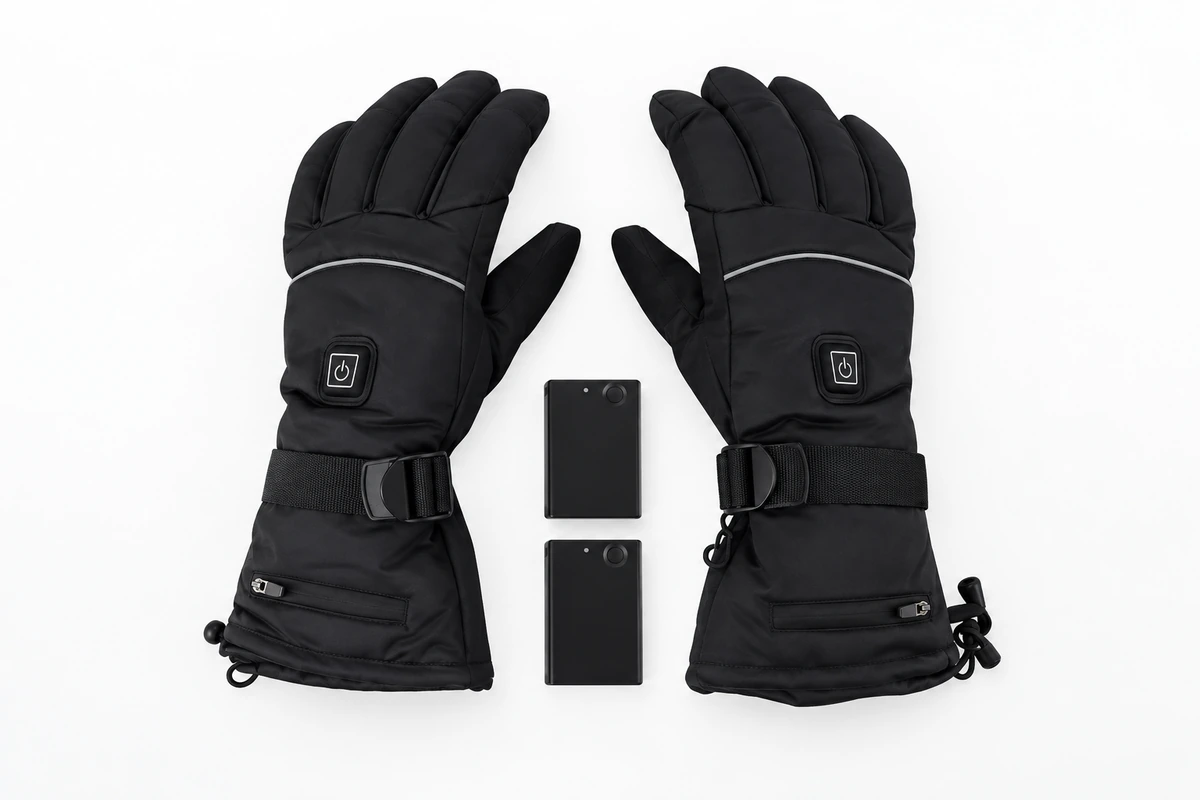
Treat Heated Gloves as a Separate System Project
A heated glove is not a standard winter glove with one added part. The textile build, heating circuit, power source, controls, charging, user instructions, service plan, safety evidence, and shipping route must be reviewed together before acceptance.
- Heat Map and Harness
Define heating zones, routing, flex points, insulation around components, connector position, and strain relief before prototyping. - Battery and Controls
Specify chemistry, capacity target, enclosure, pocket, controller, settings, charger, connector, replacement, and intended operating conditions. - Safety and Documents
Identify applicable product, battery, charging, market, labeling, instruction, and test requirements before claims or production approval. - Packing and Transport
Confirm battery configuration, UN test summary, short-circuit protection, packaging, marks, documents, carrier acceptance, destination, and service plan.
Three Winter Warmth Strategies to Compare
Compare each route by cold exposure, activity, bulk, flexibility, moisture, sample work, documentation, service responsibility, and target price.
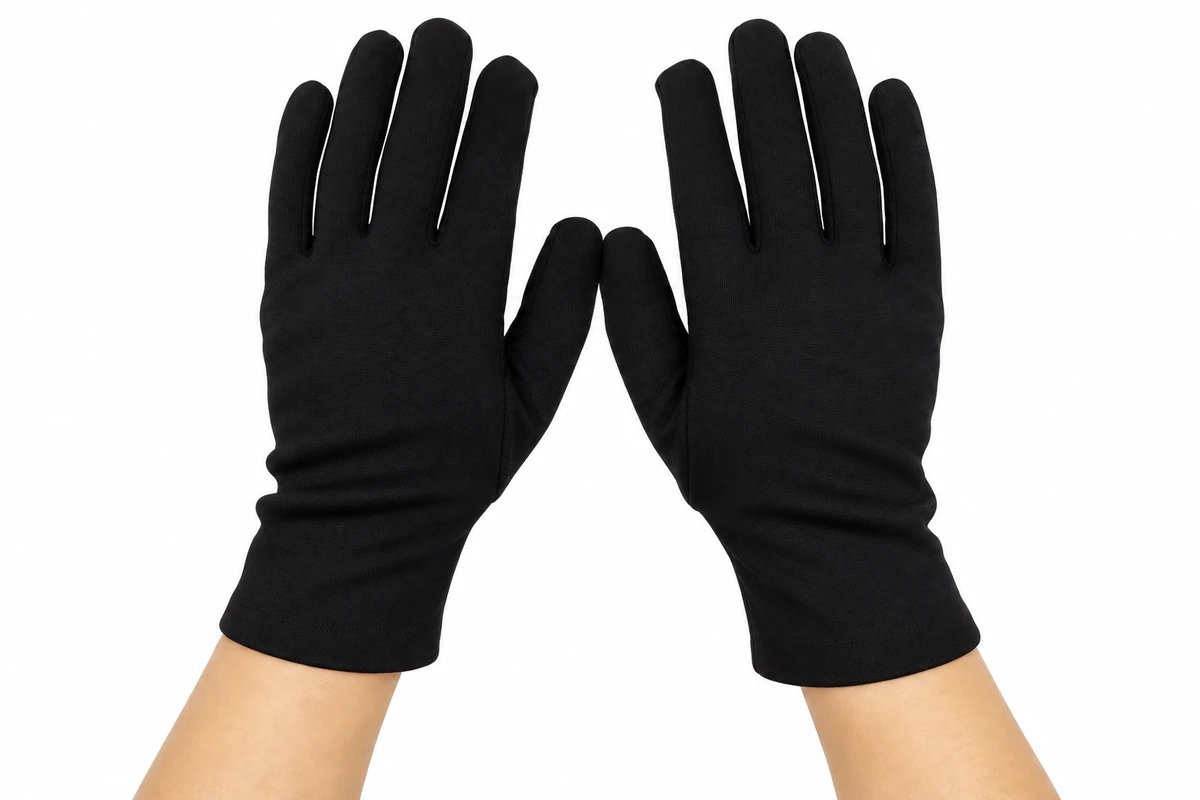
Lightweight Fleece Build
A lightweight fleece build suits active or milder cold programs that prioritize softness and movement. Confirm fabric, weight, wind and moisture limits, palm wear, cuff, fit, and branding.
Review Fleece Options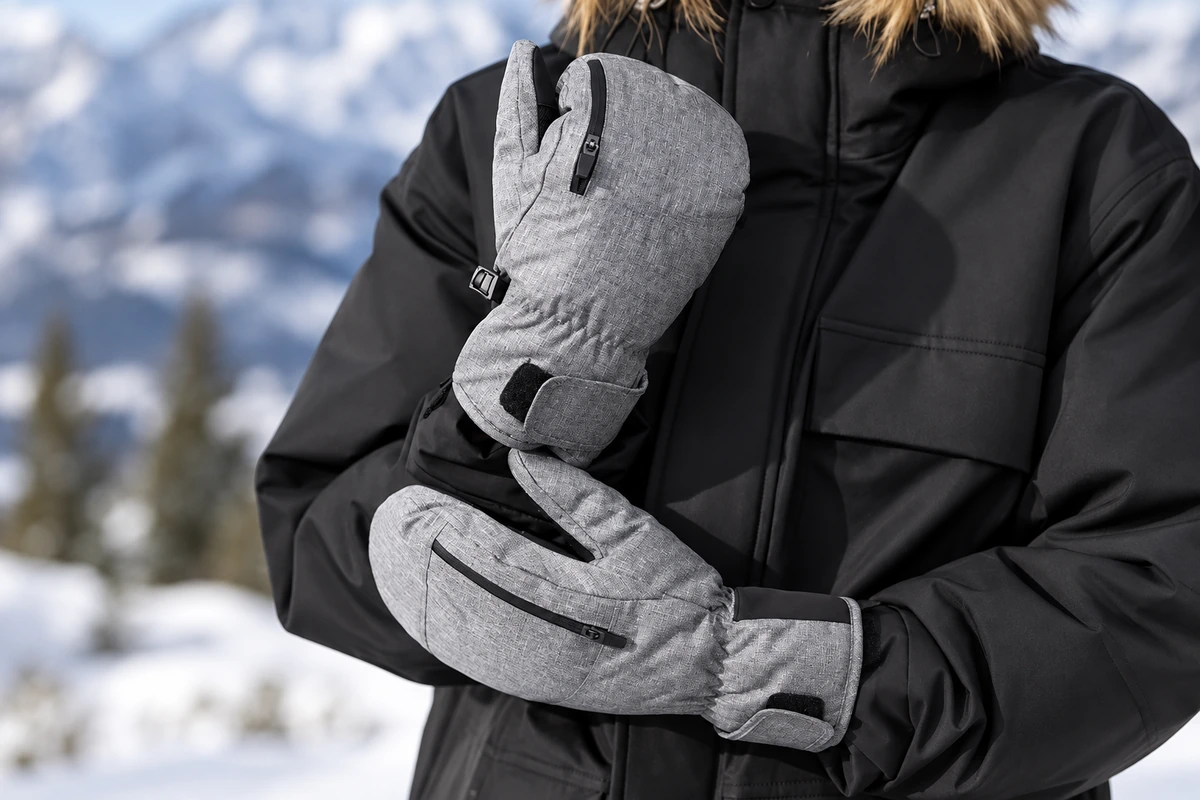
Passive Insulated Build
Uses shell, thermal lining, inner lining, and cuff without a power source. Confirm exposure, loft, moisture, bulk, dexterity, grip, and finished-sample fit.
Compare Insulated Builds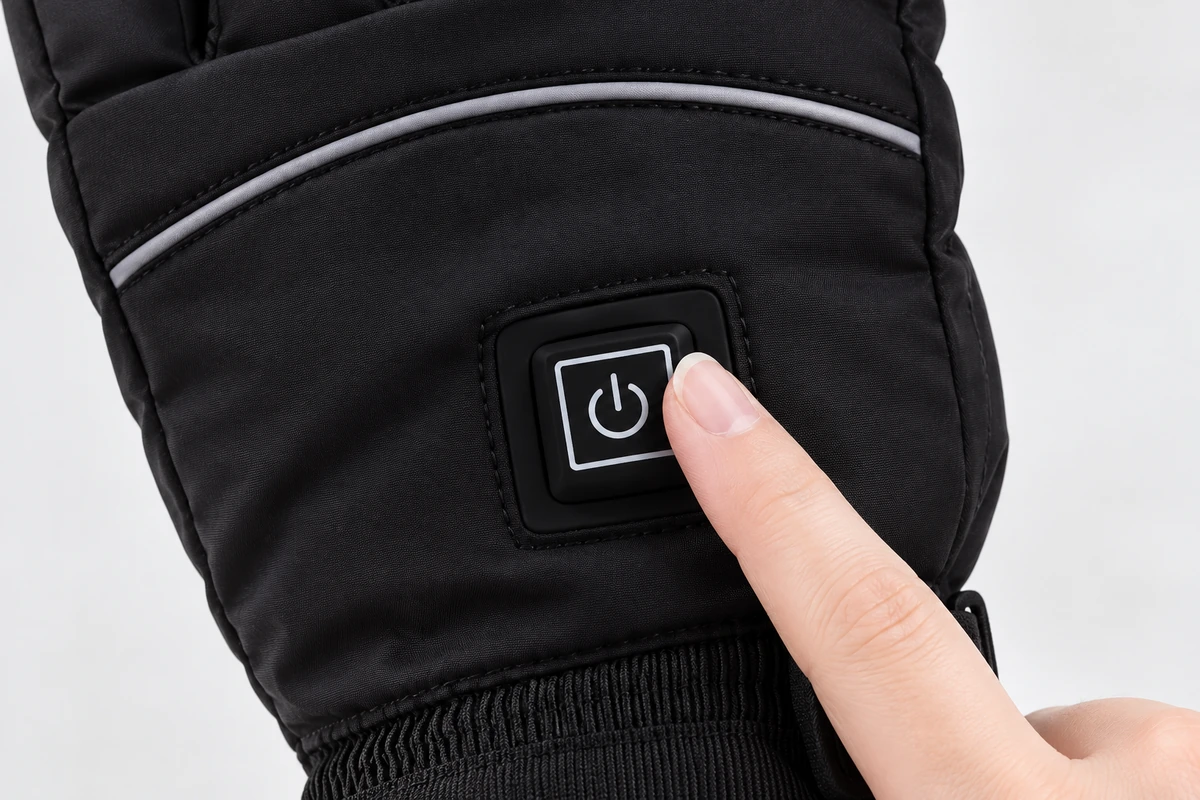
Powered Heated System
A powered heated system adds heat zones, battery, controls, charging, instructions, testing, transport, and service responsibilities. Feasibility and documentation must be confirmed before quoting or sampling.
Discuss Heated Feasibility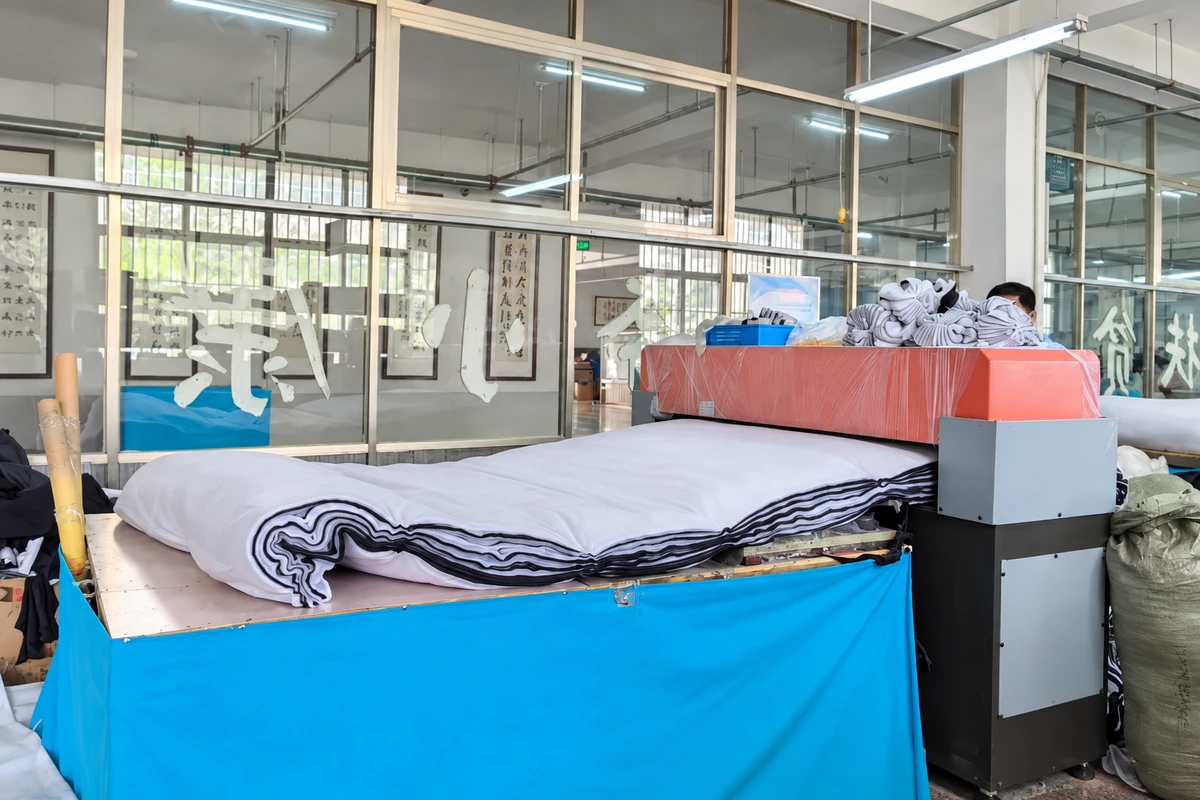
Production Support for Custom Winter Gloves
Our facility includes leather and fabric cutting, 30 sewing stations, screen printing, hot stamping or embossing, punching, inspection, and packing. IQC, IPQC, and FQC cover incoming materials, layer and liner placement, seams, measurements, cuff, logo position, pairing, and final packing. Heated-system capabilities require separate project confirmation.
Develop Your Custom Winter Gloves
Share your cold-weather requirements and quantity. Heated projects need battery and control requirements for separate review.
Request a Quote