
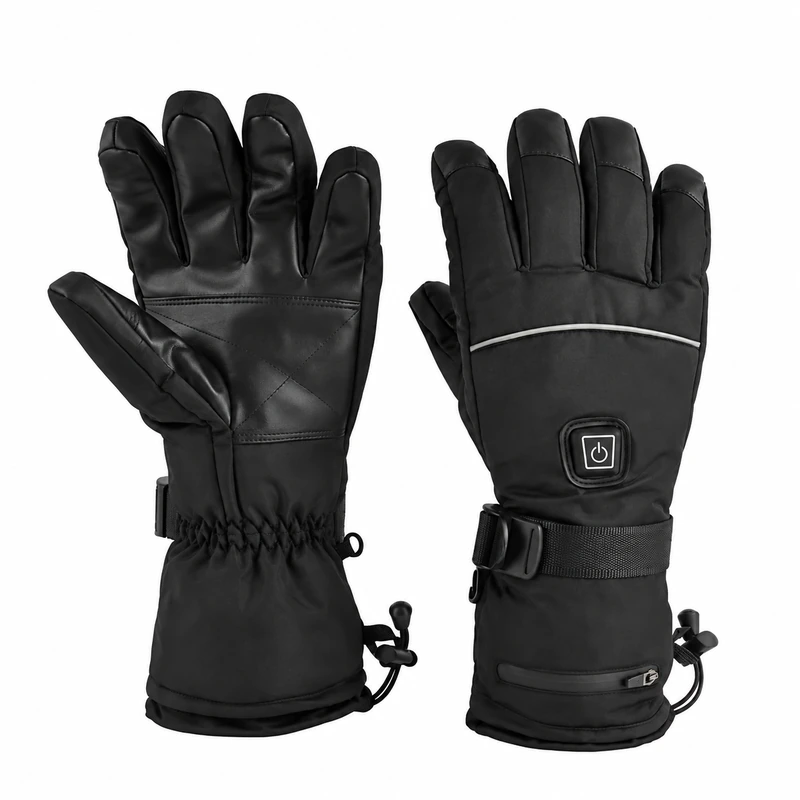
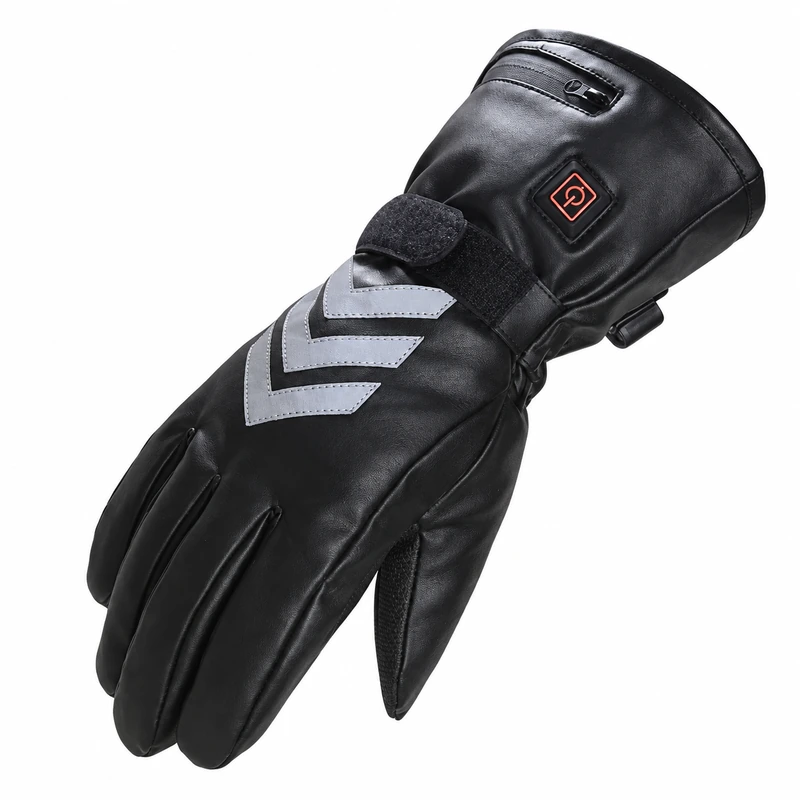
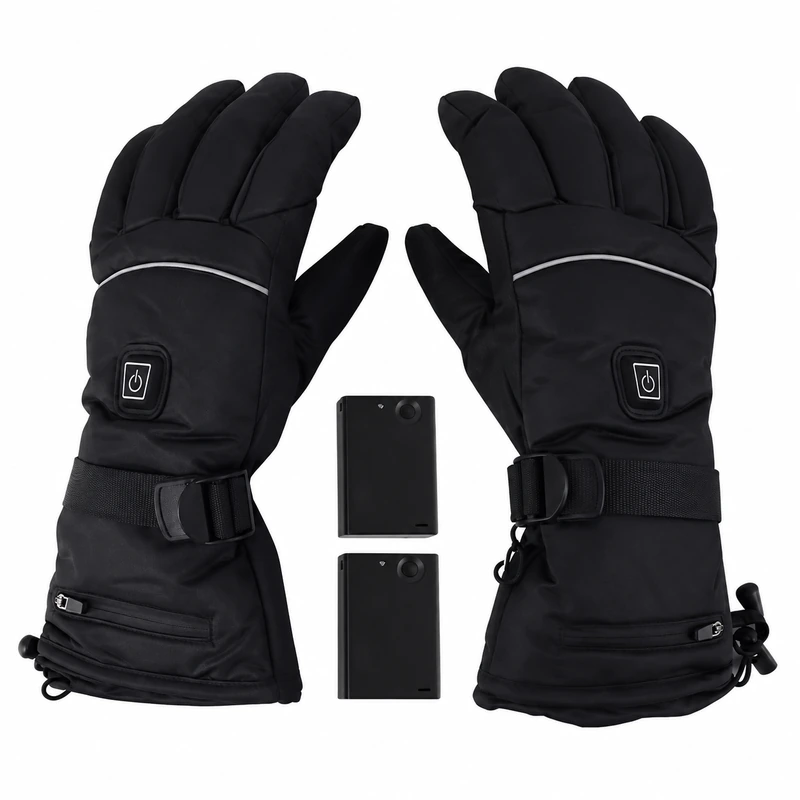
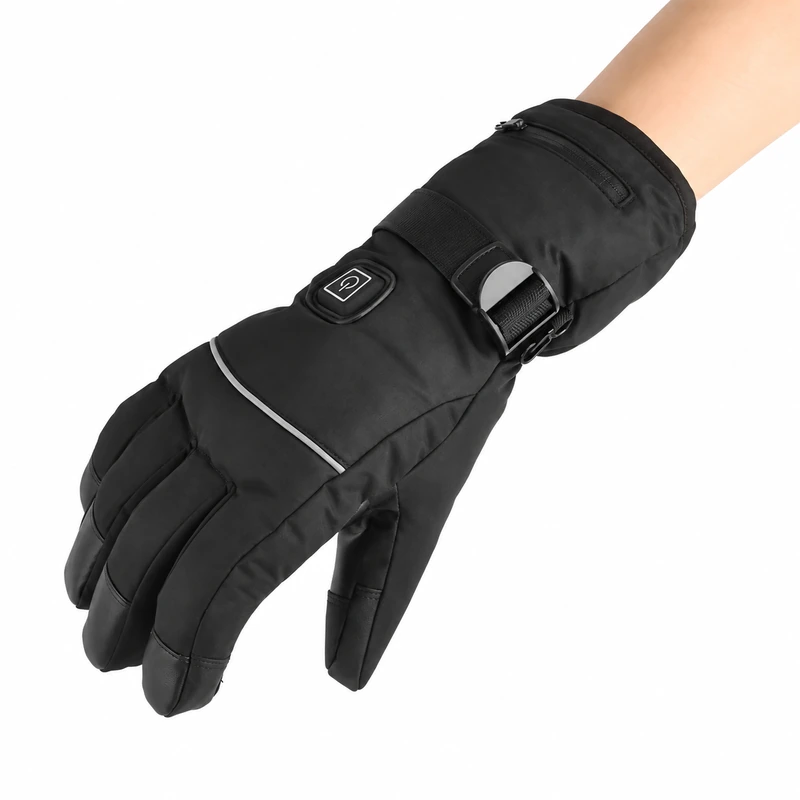
Custom Heated Gloves
Explore an OEM heated-glove project with GloveWise. We review the glove construction alongside your heating, battery, control, and testing requirements to establish feasibility, responsibilities, and a functional sample plan.
- Use Case: Target user, cold conditions, exposure time, activity, and hand tasks defined first
- Heated System: Heat zones, power, controls, battery, connectors, and charging reviewed by project
- Glove Build: Shell, thermal lining, fit, wrist, and component placement approved together
- Branding: Color, logo, labels, and packaging matched to the accepted construction
- Documents: Testing, battery records, care information, market needs, and transport route confirmed before order
Feasibility, timing, cost, testing, documentation, and shipment depend on the accepted heating system, battery route, glove construction, target market, quantity, and approval plan.
Request a Quote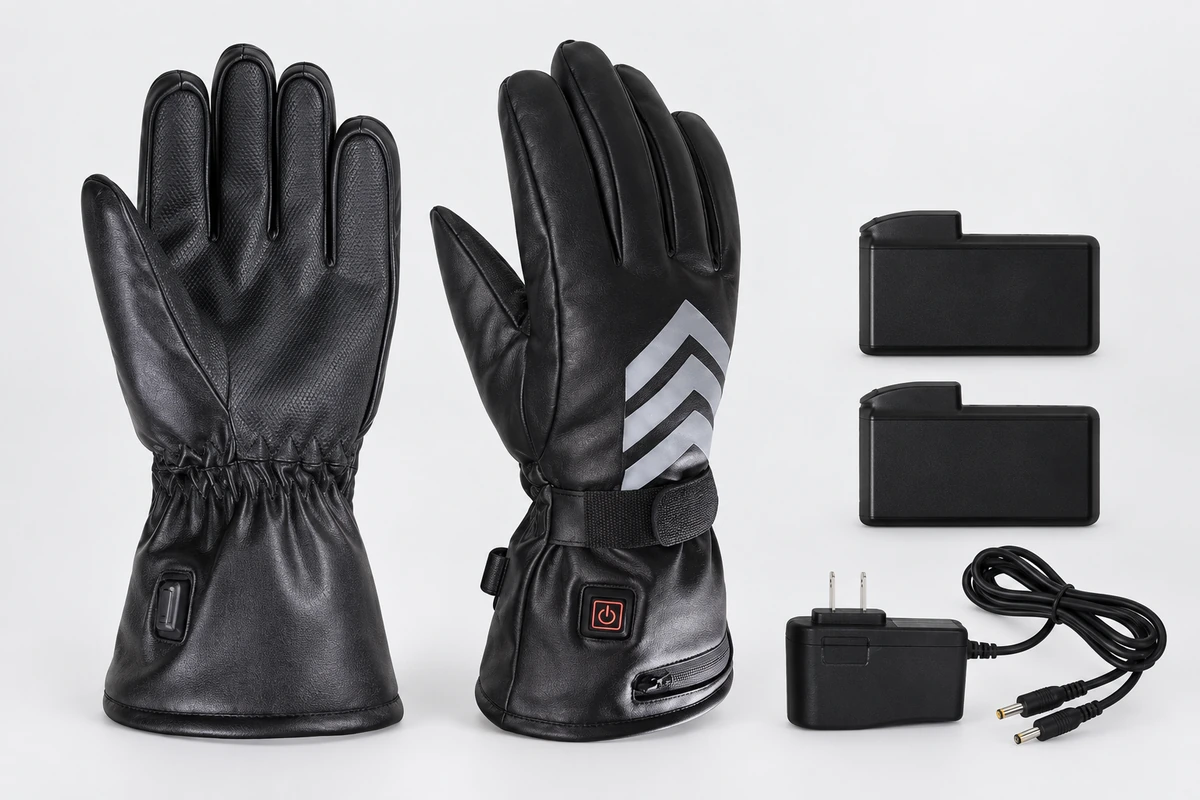
Confirm the complete heated-glove scope
Glove construction: Review shell, thermal lining, measurements, wrist and branding using the confirmed glove-side options. Powered system: Define heat zones, battery, controller, connections and charging. These are project requirements, not a standard module offer. Functional approval: Agree testing, instructions, service responsibilities and battery transport requirements before accepting production.
Glove Construction for Heated Projects
GloveWise contributes shell construction, lining assembly, and brand decoration to heated-glove development. Heating components and specialist work are scoped separately for each project.
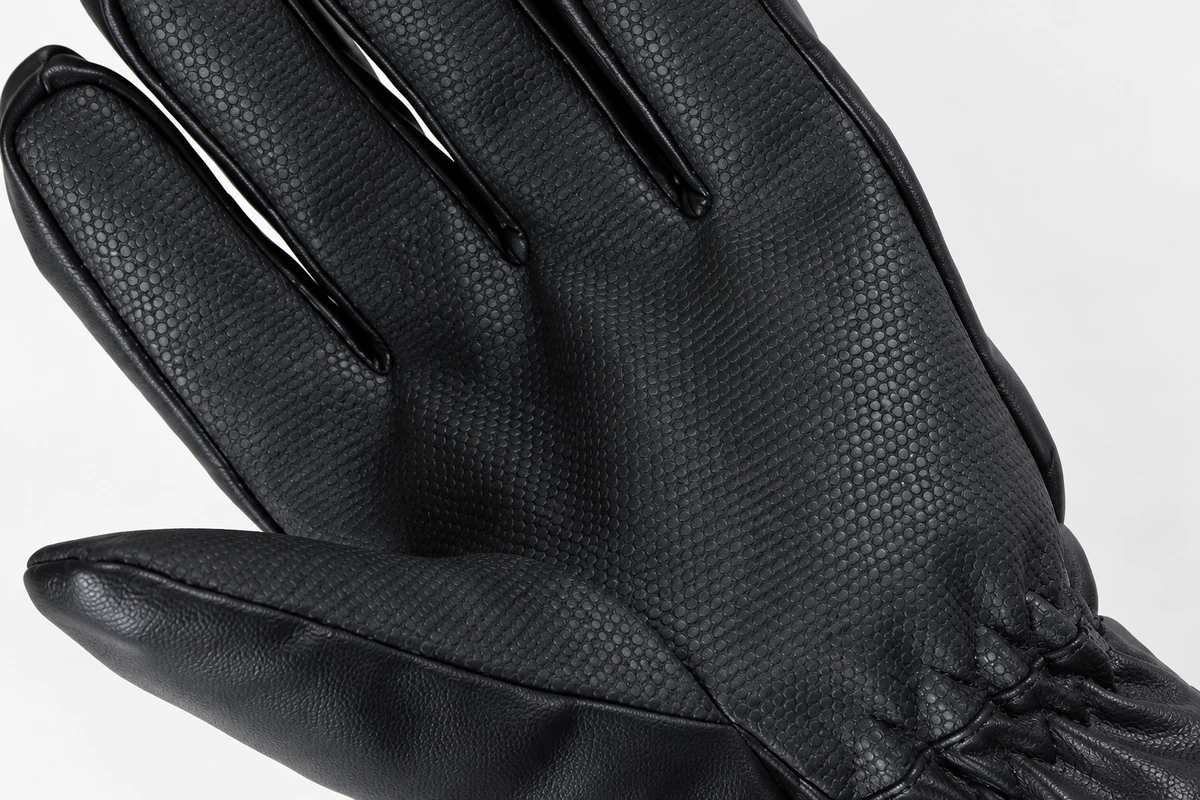
Fabric and Leather Around Heating Components
The development team can design fabric and leather components around the specified heating system for the product’s enclosure and wearable finish.
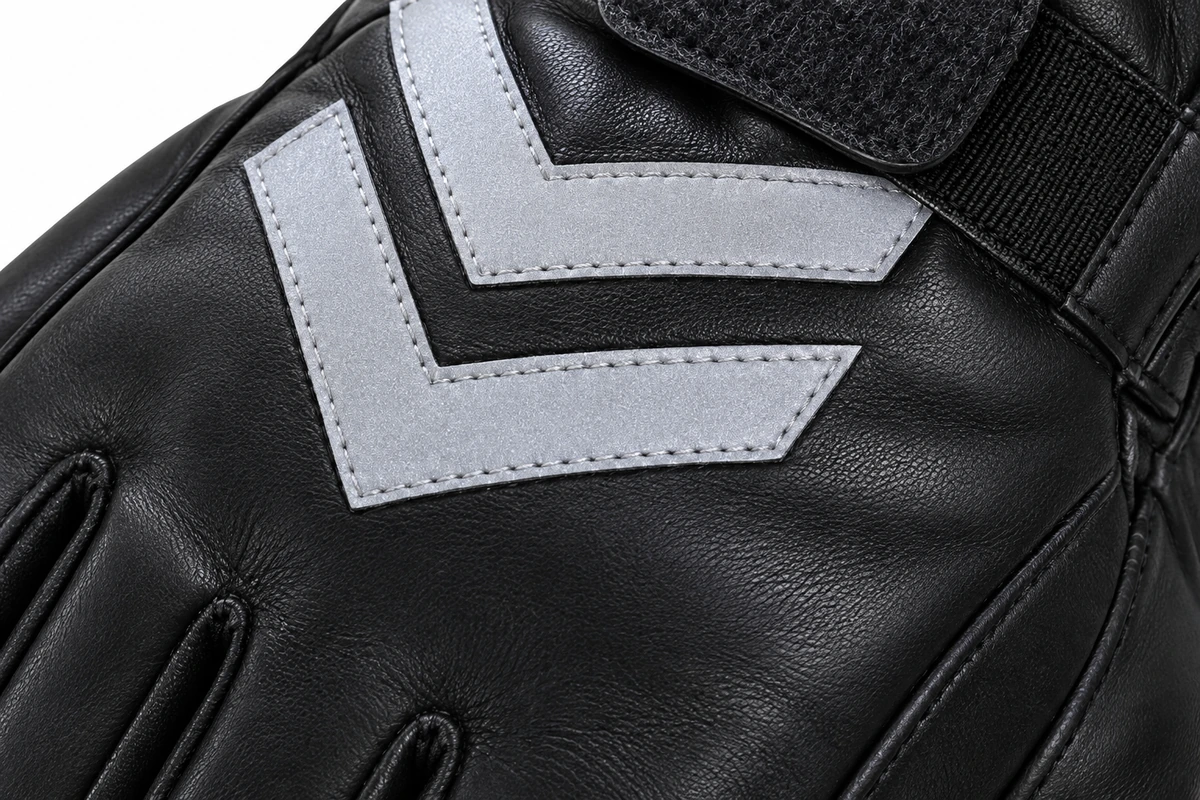
Decoration Planned With the Build
Embroidery or printing on compatible outer areas can be planned with the glove assembly and agreed control and connection positions.
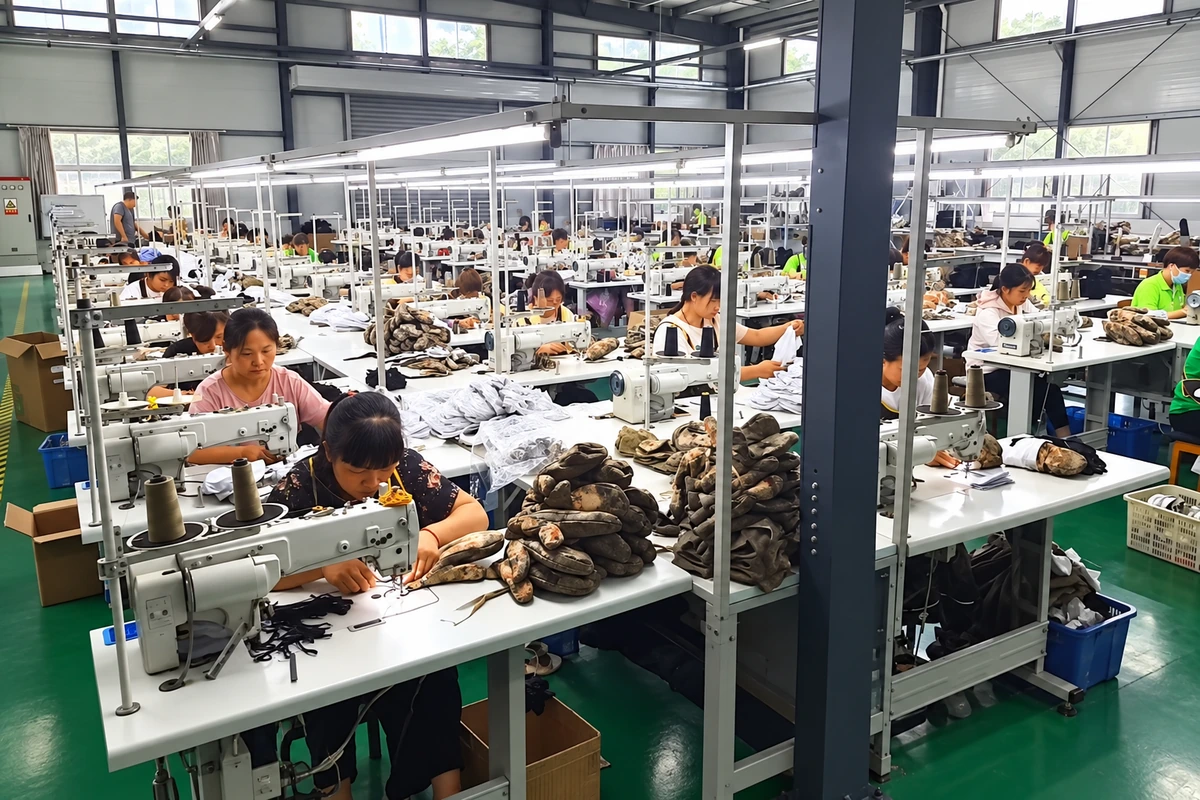
Development, Production and Quality Teams
Product development, production management and quality control coordinate construction changes from sampling through finished-glove production.
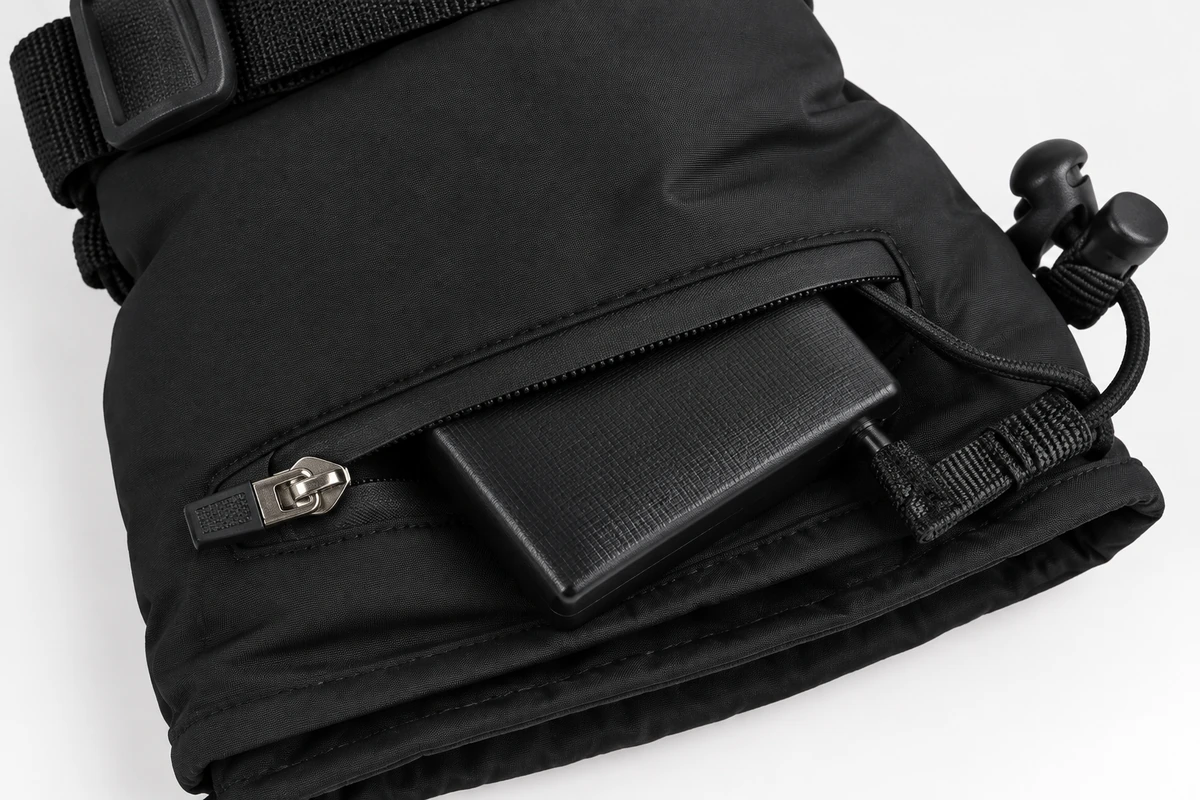
Define the Complete Heated-System Brief
Specify how heat, power, controls, connections, documents and transport should work together, then review what can be accepted for the project. These are feasibility inputs, not confirmed standard modules.
- Use Case and Exposure
Base every powered-product decision on the target users, temperature, exposure time, activity, moisture, objects handled, and required dexterity. - Heating Zone Map
Mark the fingers, back of hand, palm, or other required heating zones. Feasibility and finished heat distribution still need project review. - Power and Runtime Target
Balance warmth, battery size, weight, and use duration by providing the desired power source and runtime target. Do not assume that a voltage, capacity, temperature, or operating time is available. - Controller Behavior
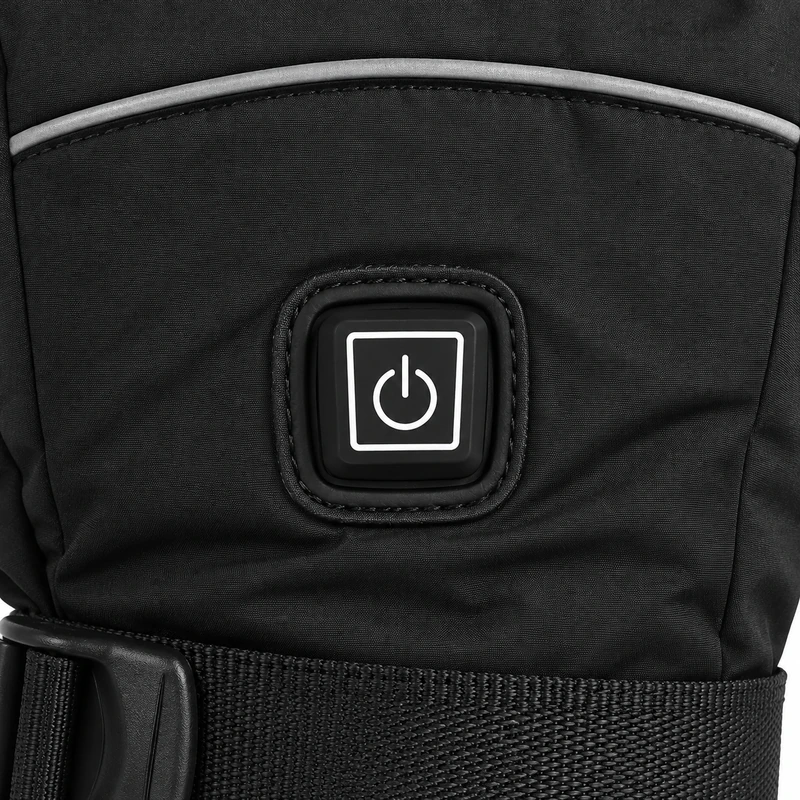
Define how the user starts, adjusts, and stops heating. Specify controls, indicators, settings, default state, shutdown, and fault expectations for feasibility and sample testing. - Connections and Battery Placement
Coordinate comfort, movement, charging, and service by defining connector location, cable routing, battery pocket, removal, charging route, strain points, and size interaction. - Safety, Documents, and Transport
For a defined market or shipping route, list required tests, battery records, labels, instructions, care warnings, destination, carrier, and responsibility before acceptance.
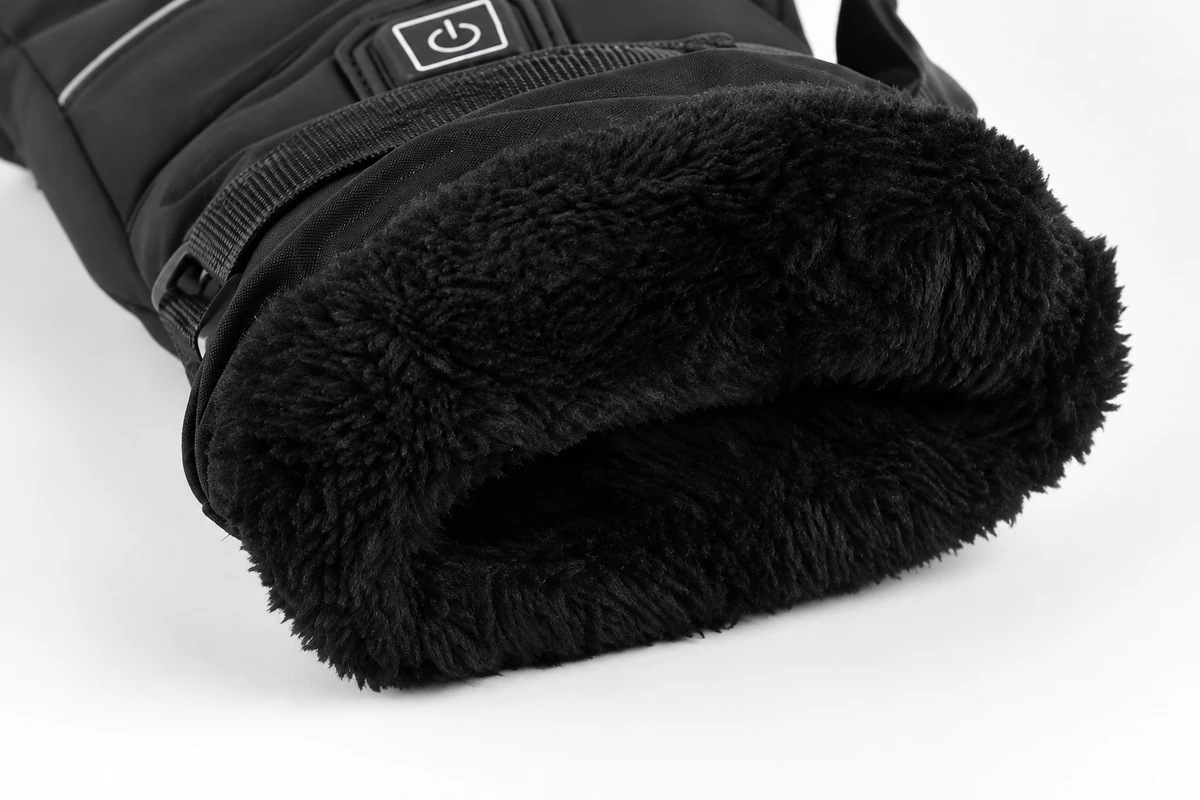
Select the Glove Shell and Thermal Layers
Select confirmed shell and lining options for appearance, flexibility, passive warmth, care, component integration and exposure. Validate the finished assembly; active heating does not replace these structural requirements.
- Polyester
For fabric-led shells or components, confirm polyester weight, texture, flexibility, color, care, component placement, and compatibility with the selected layers. - Fleece
For soft constructions or a warm inner layer, confirm whether fleece is used as the shell or lining, plus thickness, bulk, pilling expectations, component access, and weather limits. - Leather
For shells, palms, or reinforcement areas, confirm leather type, placement, flex, grip, color variation, care, and interaction with wiring or heating zones. - Cotton
For selected fabric components and comfort-led constructions, confirm cotton weight, structure, moisture expectations, shrinkage or care needs, color, and role in the powered glove. - Thermal Lining
To retain body heat and support the intended thermal system, confirm the lining specification, thickness, hand feel, stability, component clearance, fit allowance, and sample checks.
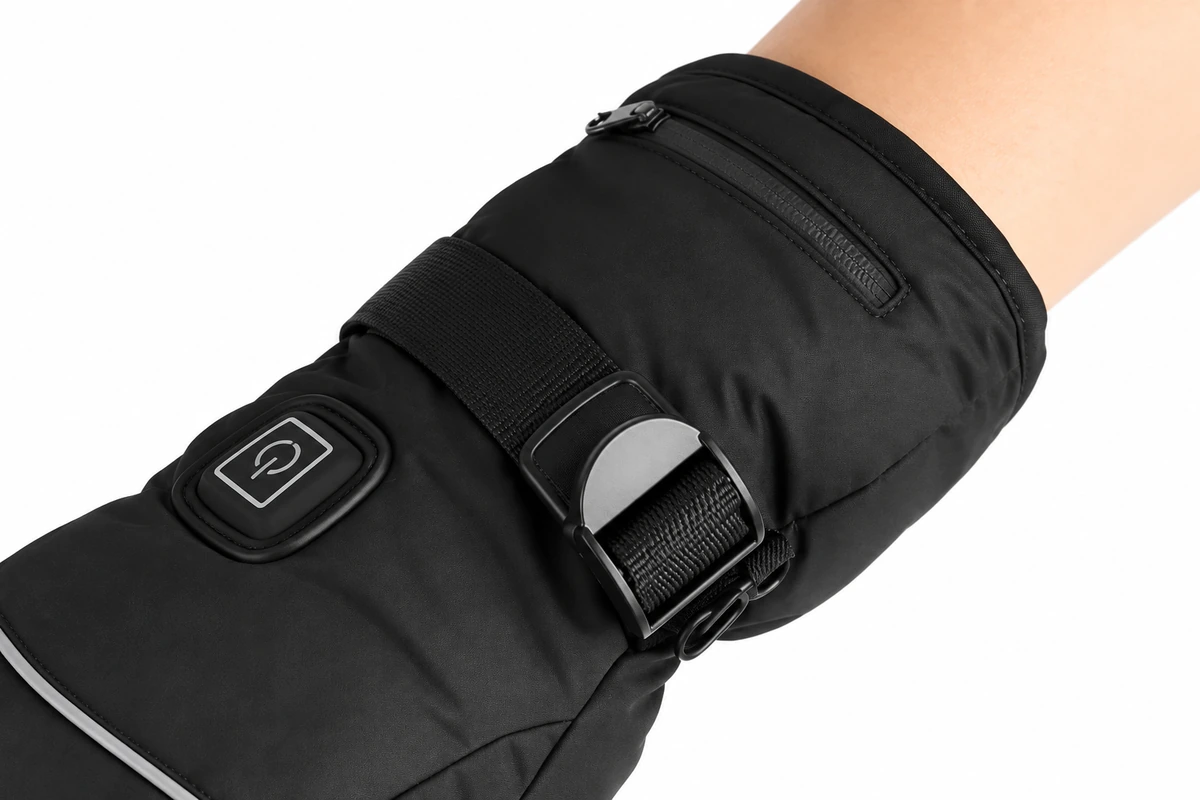
Set the Fit Around Layers and Components
Heating elements, wiring, lining, connectors and batteries can change internal space and movement. Approve measurements and representative sizes with the actual components and layers.
- Palm Circumference
Use an agreed measuring method and palm measurement for each size; check fit on the sample. - Finger Length
Specify finger proportions by size and check fingertip space, reach and movement. - Overall Length
Agree the measurement points and glove length, including the intended wrist or sleeve coverage. - Wrist Opening
Confirm entry, comfort and retention with the selected cuff or closure. - S–XXL Size Range
For standard adult private-label programs, approve measurements, grading, functional fit samples, component position, labels, size ratio, and tolerances before production. - Special Sizes
Send hand measurements, a size chart or a reference glove. Pattern changes, MOQ, cost and timing need review.
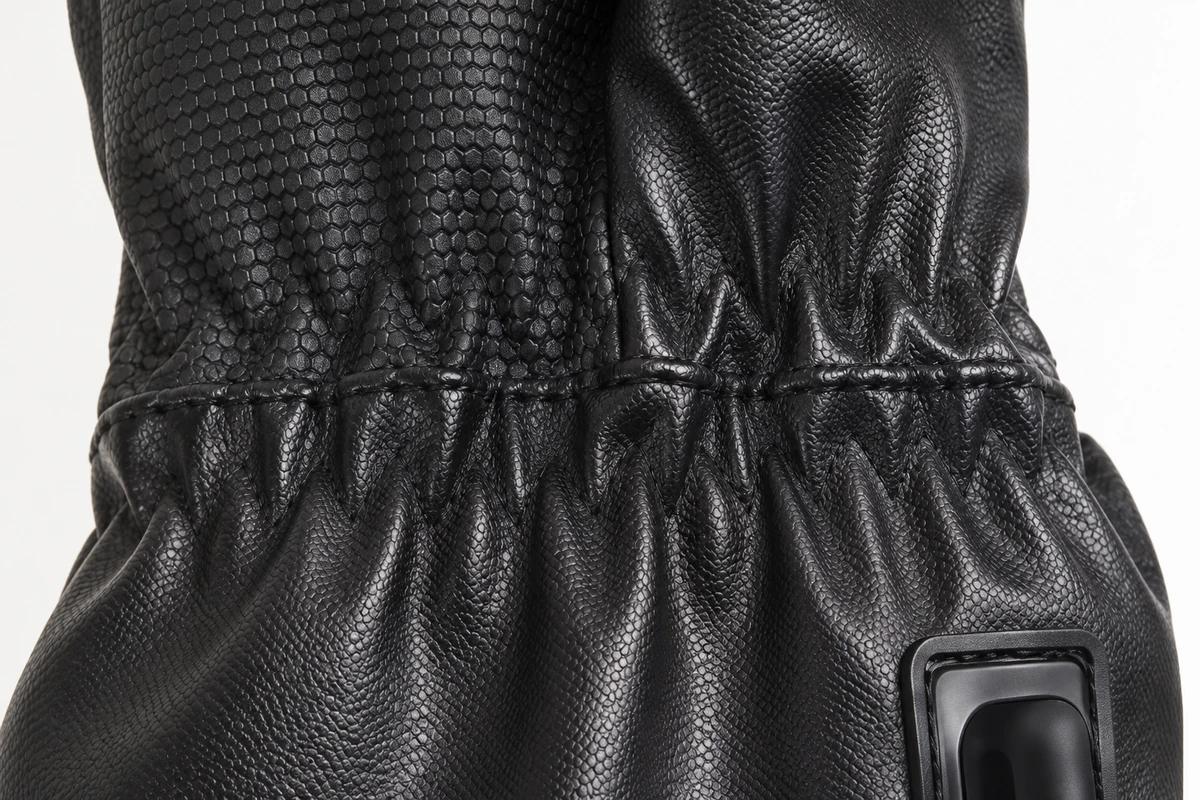
Choose the Wrist and Component Interface
Wrist design affects entry, sleeve compatibility, closure, cold-air exposure and room for powered components. GloveWise has confirmed elastic and hook-and-loop options; battery pockets and connector layouts need separate feasibility review.
- Elastic Wrist
For simple entry and a close everyday wrist fit, confirm elastic tension, opening size, recovery, component clearance, sleeve interaction, comfort, and grading. - Hook-and-Loop Wrist
For adjustable wrist retention, confirm strap position, adjustment range, material compatibility, component access, glove entry, sleeve overlap, and the sample reference.
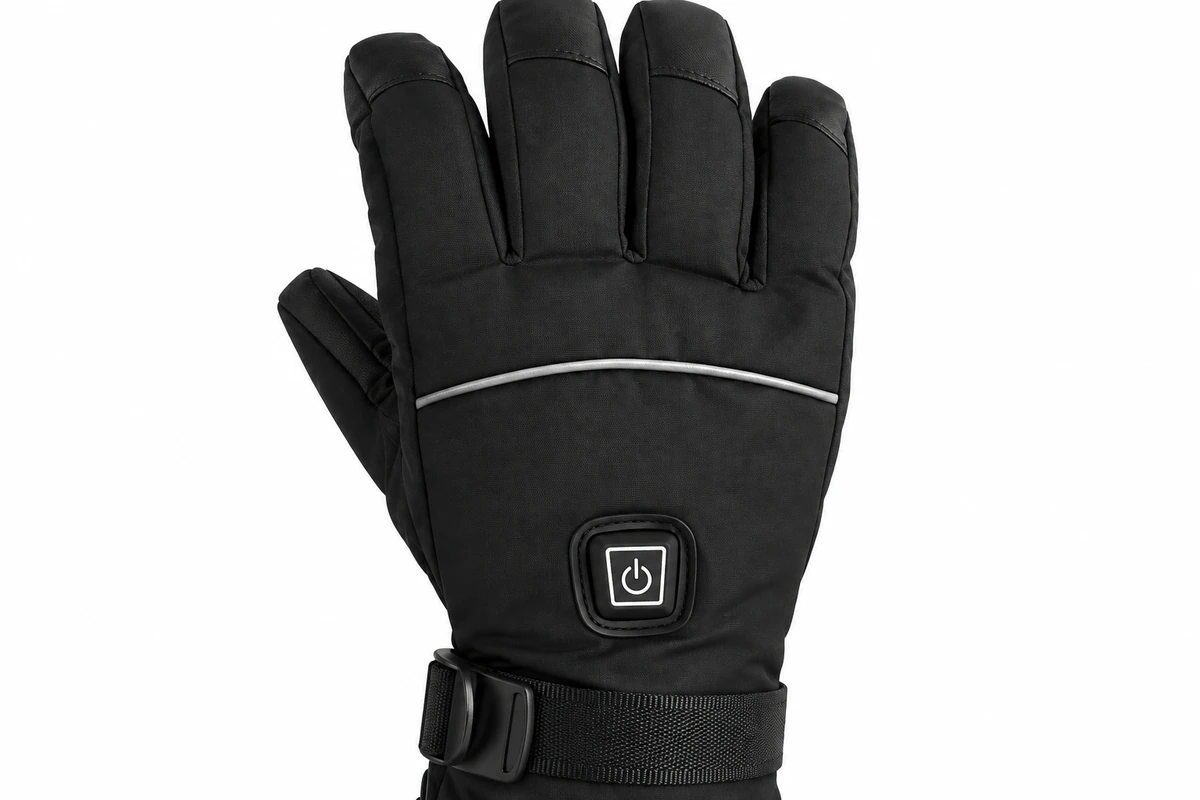
Match the Logo Method to the Powered Glove Surface
Logo suitability depends on shell or cuff material, artwork, placement, flex, heat, and nearby components. Approve the method on the actual construction and keep branding clear of controls, wiring, battery access, labels, and warnings.
- Embroidery
For stitched branding on textile shells or cuffs, confirm stitch density, backing, placement, flex, bulk, and clearance from powered components. - Screen Printing
For clear artwork on compatible flat fabric, confirm ink, color count, print size, surface, placement, flex, and component clearance on the sample. - Heat Transfer
For detailed or multicolor artwork on compatible surfaces, confirm transfer material, processing temperature, edge quality, placement, flex, and distance from sensitive components. - Hot Press or Embossing
For understated branding on compatible leather or synthetics, confirm material response, depth, artwork detail, placement, color effect, and the approved construction. - Silicone Printing
For raised branding or selected graphics, confirm compound, height, coverage, placement, hand feel, flex, and approved adhesion. - Sublimation
For broad graphics on printable fabric panels, confirm compatibility, panel artwork, color reference, seam alignment, component clearance, and the approved print sample.
Related Custom Products
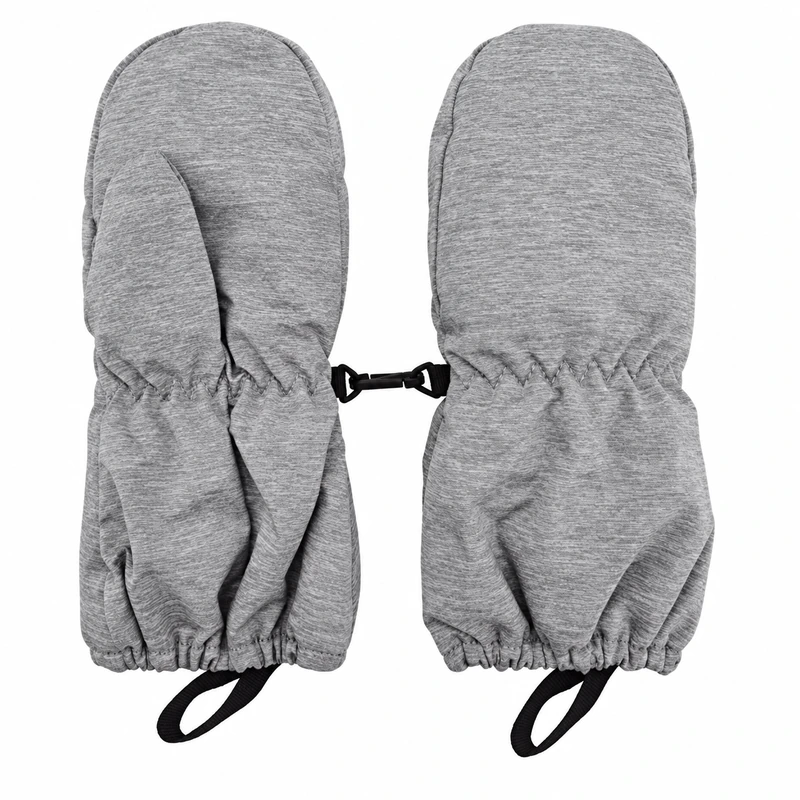
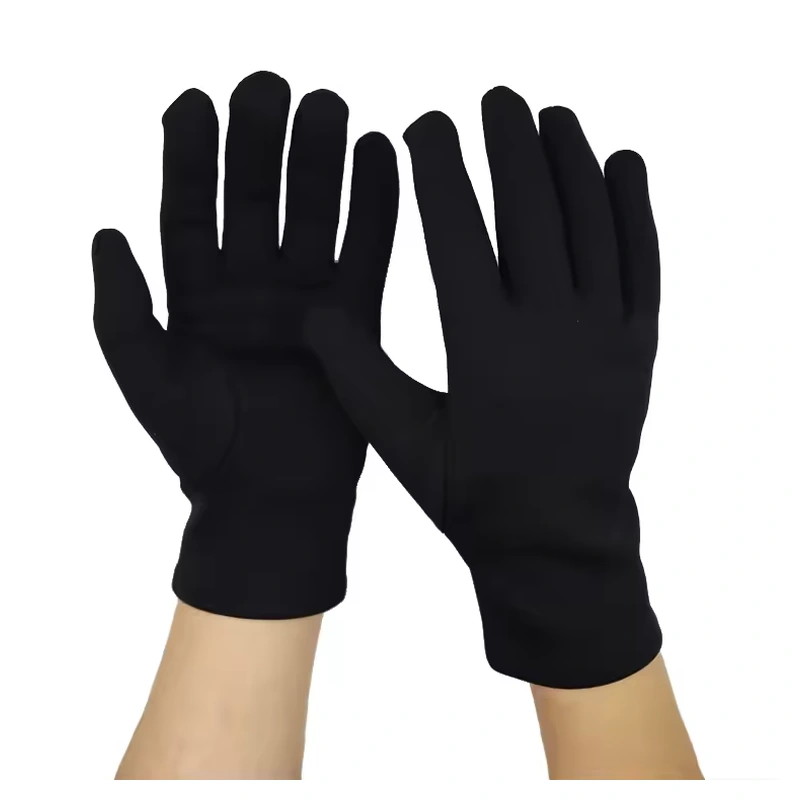
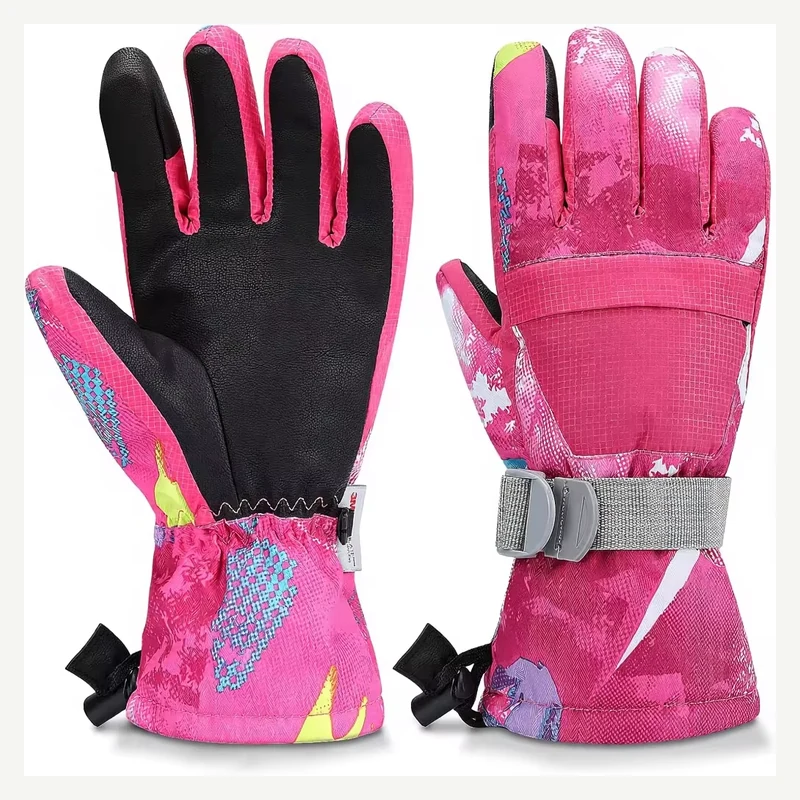
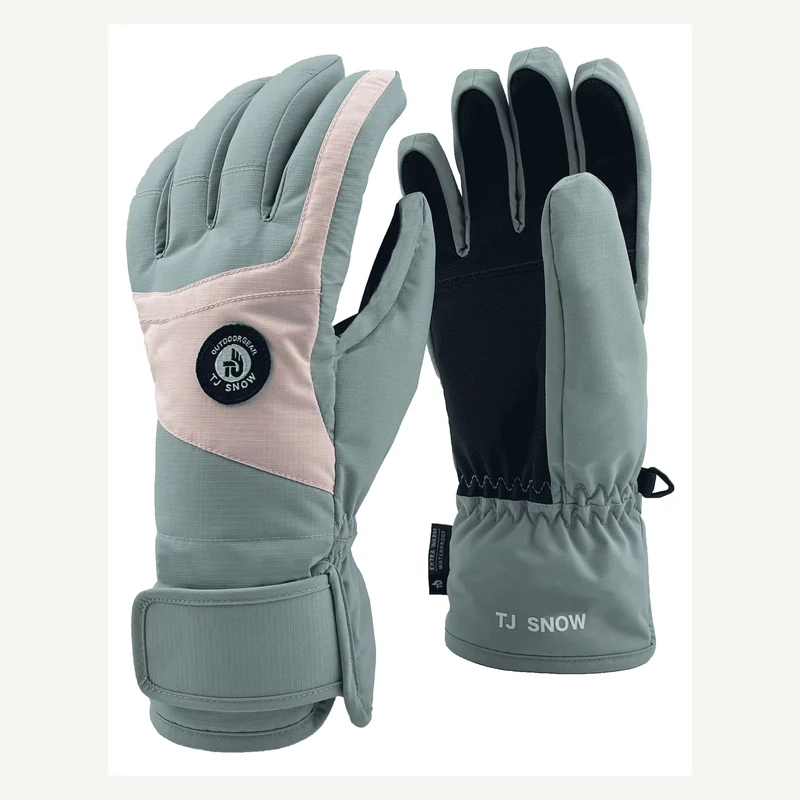
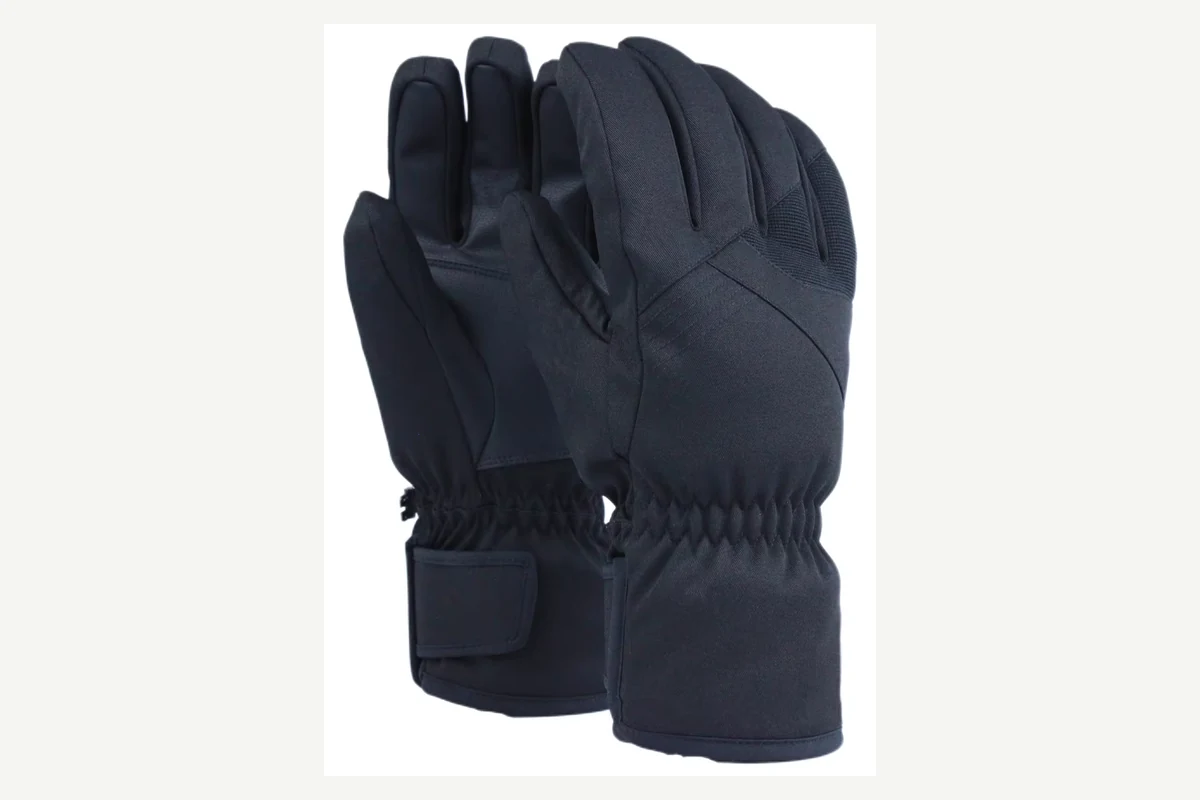
Compare related custom thermal, fleece, waterproof winter, and touchscreen gloves.
Validate the Complete Functional Sample
Test the assembled glove against the agreed use case, heat-zone map, controls, connections, battery route, component placement, fit, dexterity, thermal comfort, fault expectations, care instructions, relevant sizes, and transport plan. A glove sample or component document alone does not approve the complete powered product.
Review Your Heated Glove Project
Send your heating system and glove requirements for feasibility review.
Request a Review