
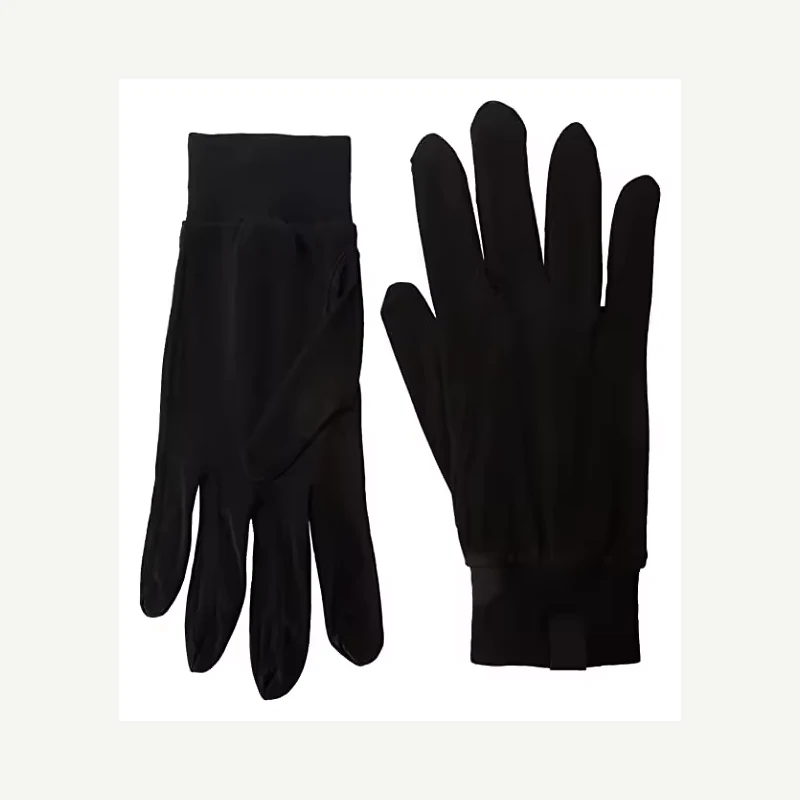
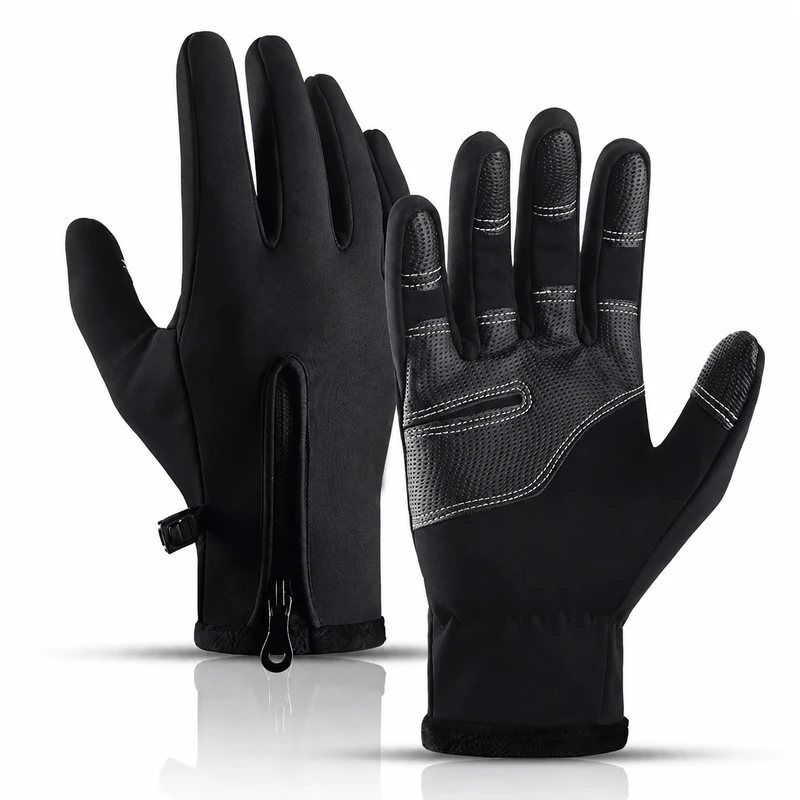
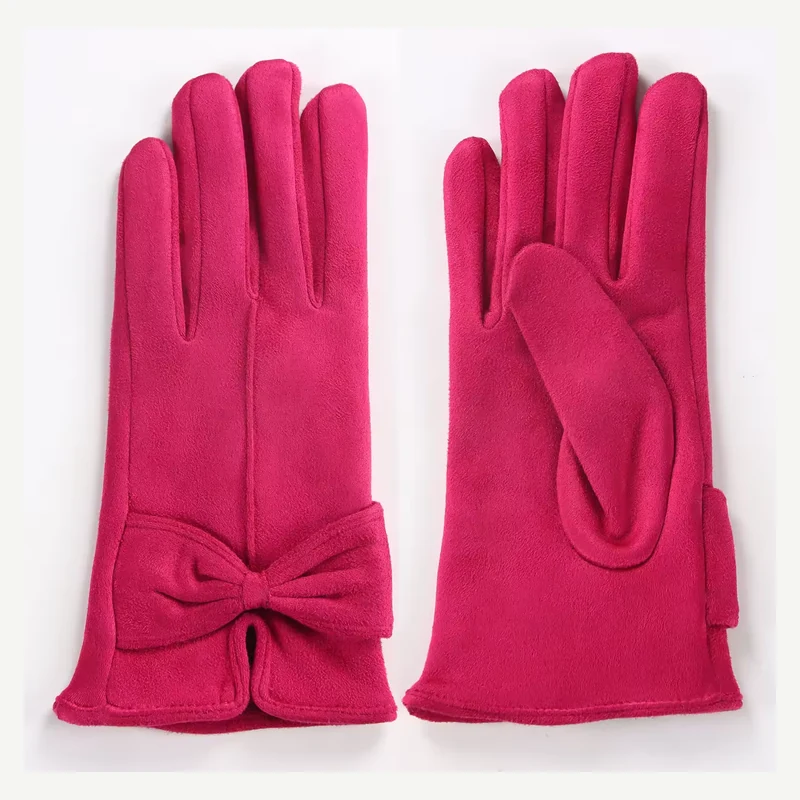
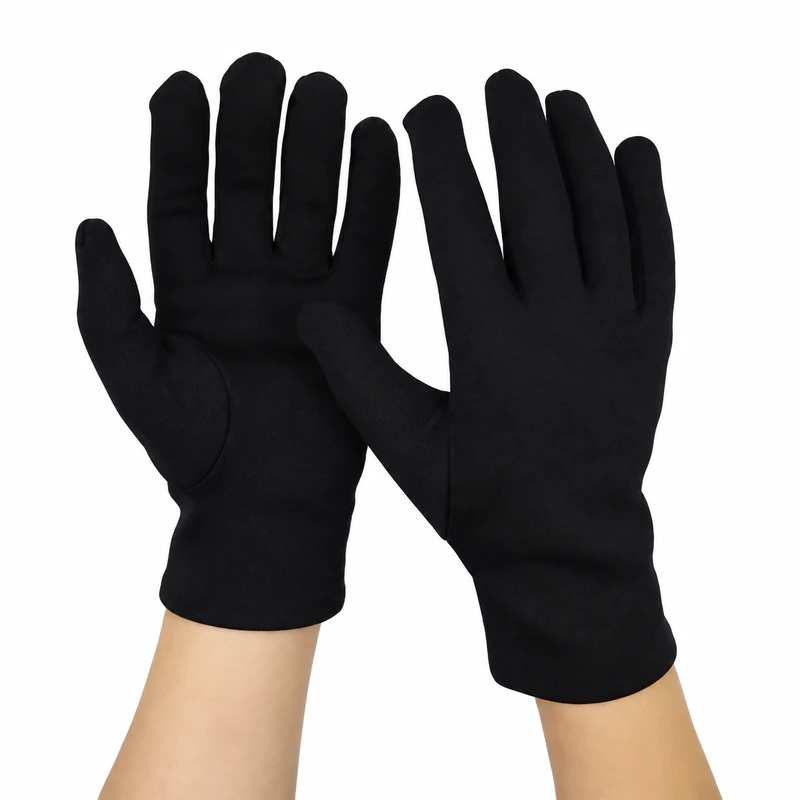
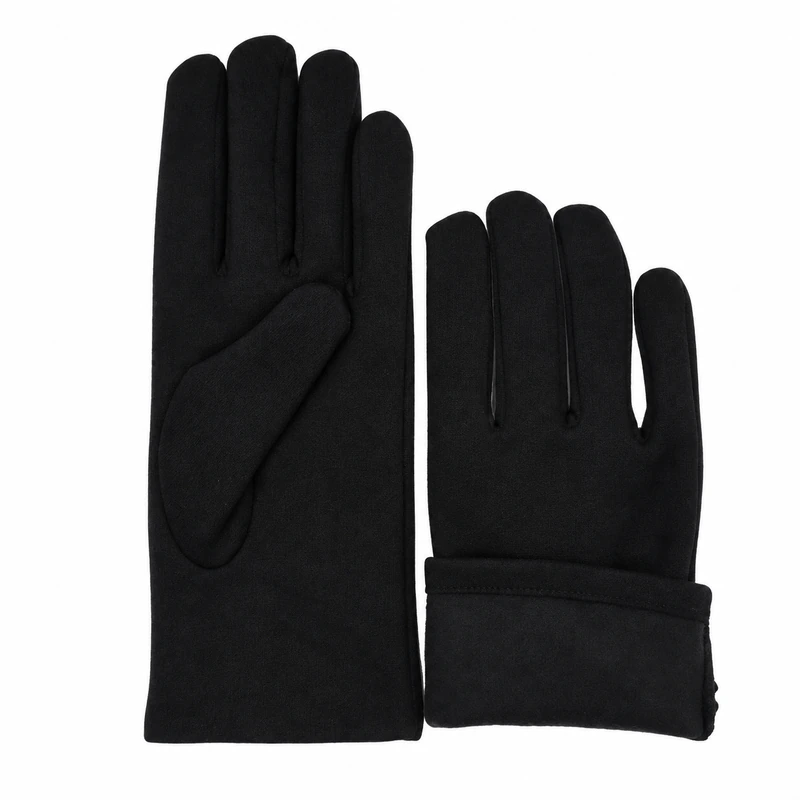
Custom Fleece Gloves
Custom fleece gloves for daily winter wear, commuting, retail, and promotional orders. Review fabric composition, weight, surface, fit, cuff, and your logo on a sample suited to the intended cold-weather use.
- Use Case: Mild-to-cold conditions, activity, exposure, and hand tasks defined first
- Fleece Role: Shell or lining route confirmed with the complete construction
- Fit: S–XXL or special measurements approved on the actual material stack
- Branding: Color, logo, labels, and placement tested on the selected fleece
- Packaging: Retail, promotional, or bulk packing confirmed by order and market
MOQ, timing, price, warmth, care, branding suitability, and finished performance depend on the accepted fleece specification, construction, sizes, quantity, packaging, target conditions, and approval plan.
Request a Quote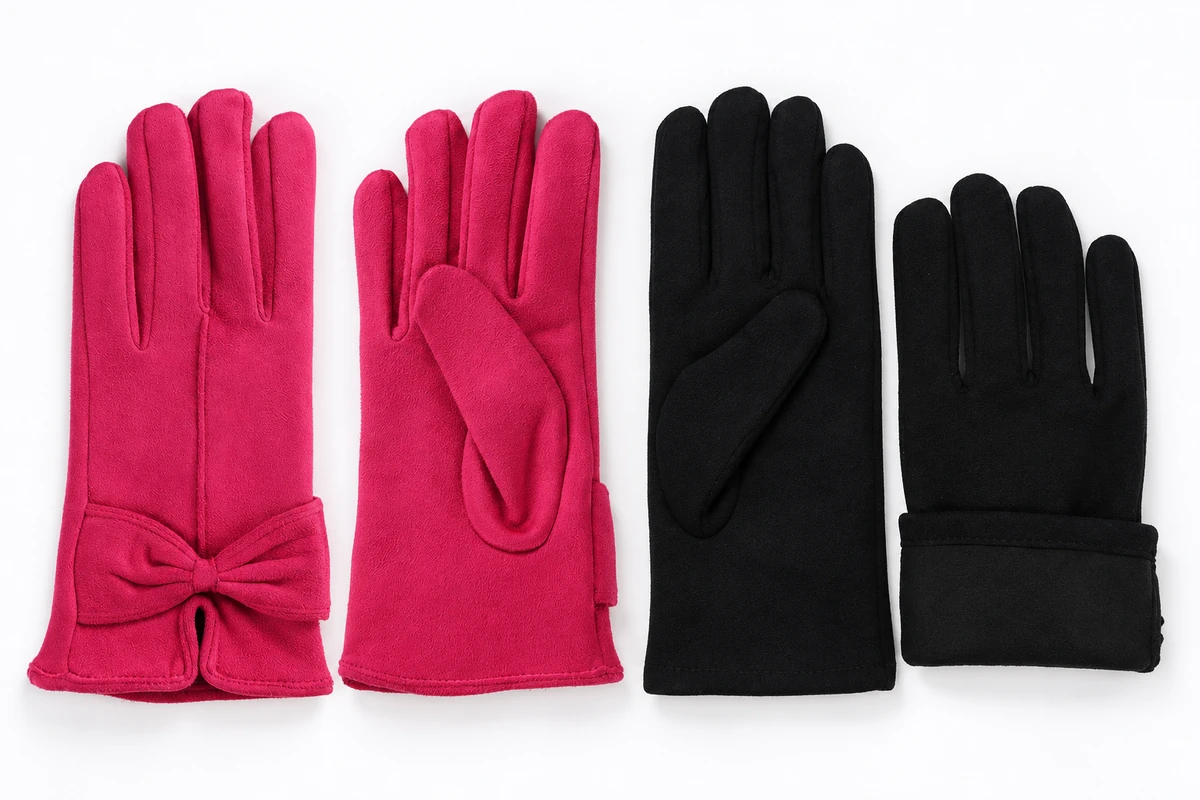
Choose the fleece finish and construction
Fleece outer glove: For a soft, lightweight finished glove. Check surface, stretch, seams, palm wear and weather limits. Fleece as a lining: For another approved shell construction; allow for the extra bulk and check liner stability. Branding on fleece: Test the chosen method on the actual pile and stretch before approving appearance, adhesion and comfort.
Fleece Cutting, Sewing and Embroidery
Fleece cutting, sewing and decoration create the glove’s shape and stitched brand finish.
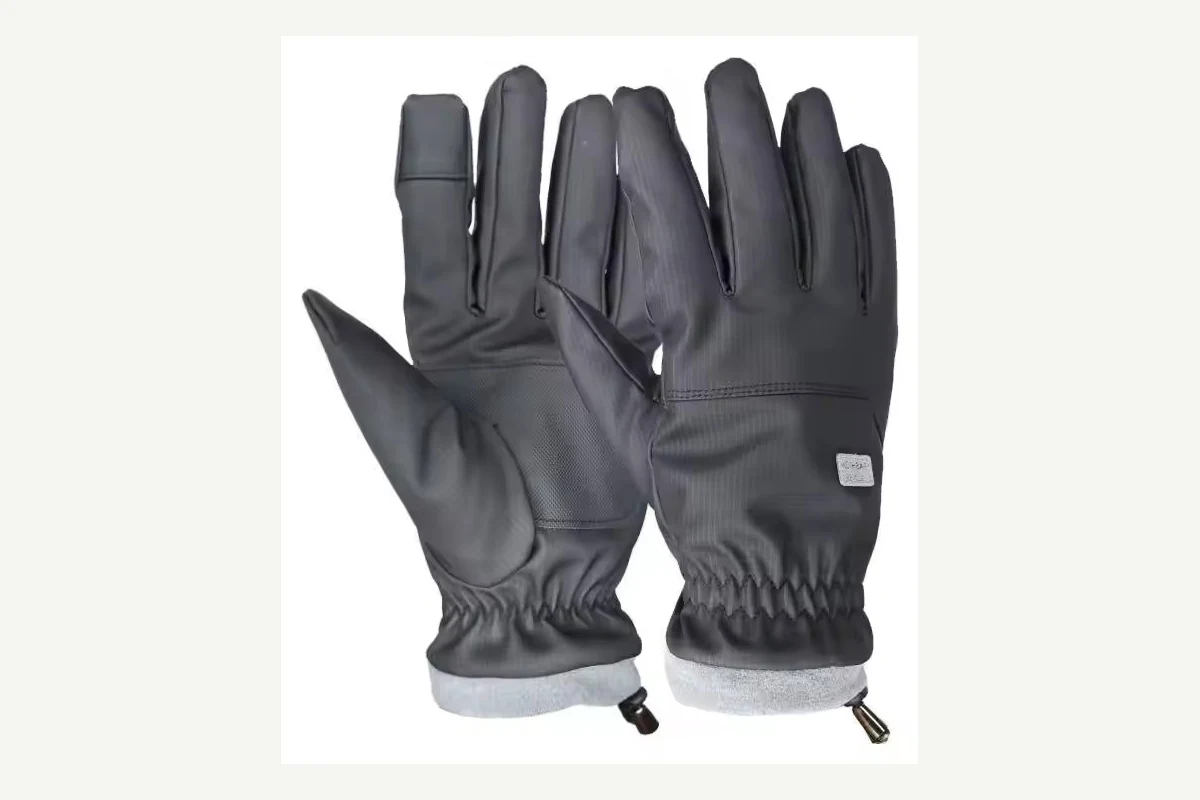
Embroidery on the Actual Fleece
The stitched logo is developed on the selected fleece so the sample shows the thread against the raised fabric surface.
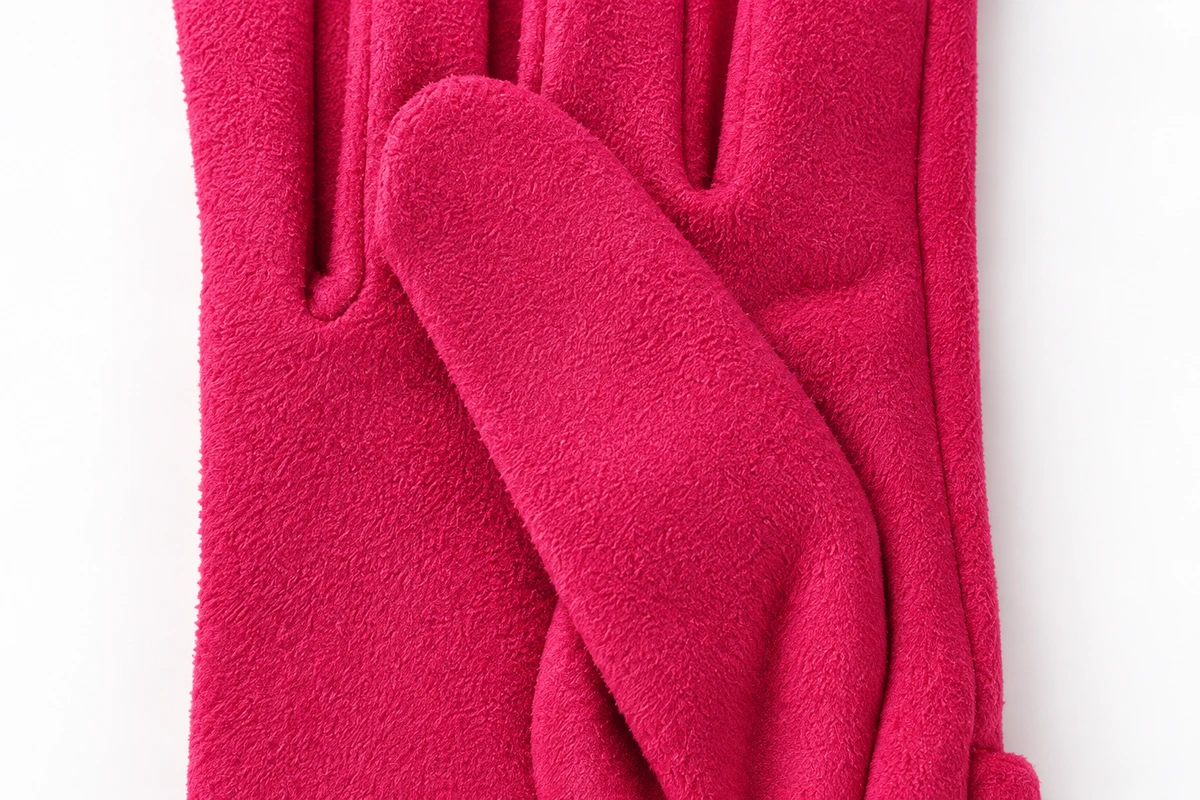
Fleece Panel Assembly
Fabric cutting and sewing turn the fleece design into a complete glove, with stitch spacing and thread tension checked at panel joins.
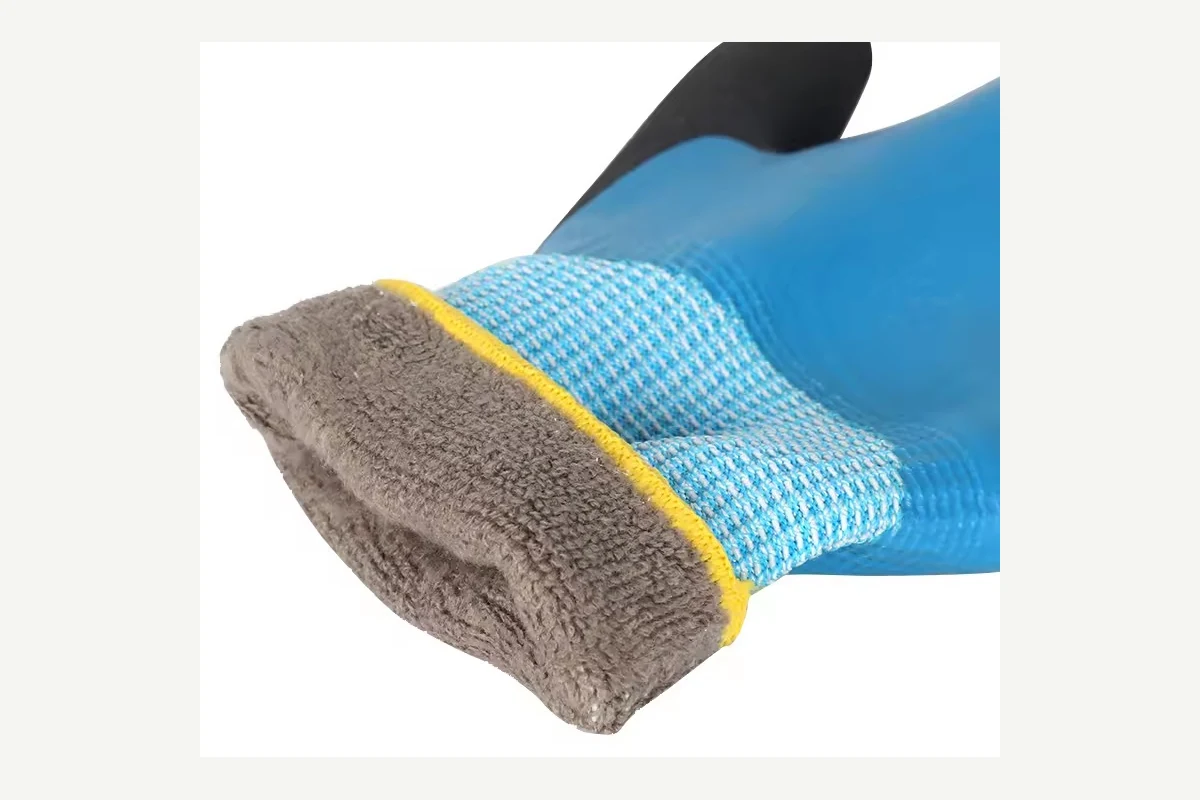
Matching or Contrasting Embroidery
Custom embroidery thread can blend with the fleece or add a contrasting accent without a large graphic.
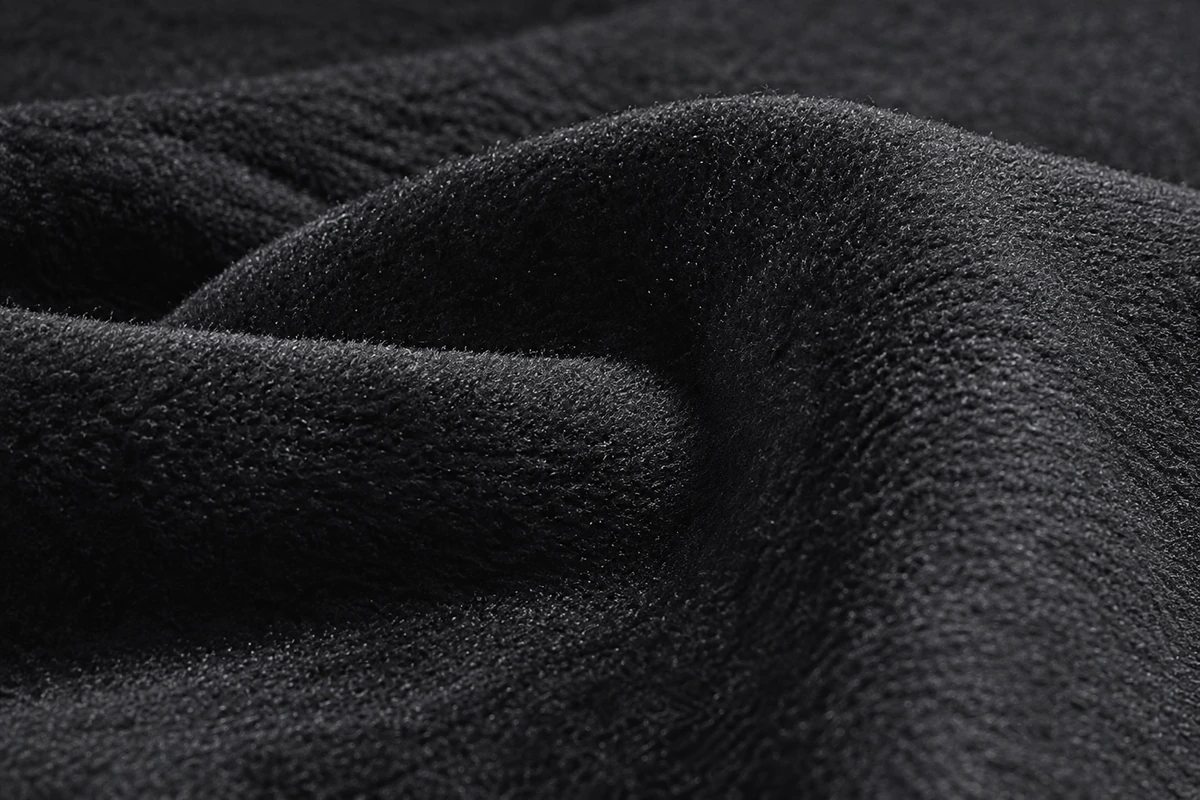
Define the Complete Fleece Fabric Specification
Specify the fleece attributes affecting hand feel, warmth, flexibility, appearance, care and consistency. Compare the swatch and finished glove with that specification.
- Fiber Composition
Confirm the actual fiber composition, supplier specification, color route, care implications, and any required material documents to establish the base material identity and label content. - Fabric Weight and Thickness
Balance lightness, warmth, bulk, cost, and dexterity by stating the target specification or reference swatch. Do not infer a temperature rating from weight alone. - Face and Pile Structure
To control softness, visual texture, contact feel, and branding surface, approve the actual face, pile height, brushing, inside and outside orientation, and acceptable appearance. - Stretch and Recovery
For close-fitting or active-use glove patterns, confirm stretch direction, recovery, seam interaction, size grading, and whether repeated movement changes the intended fit. - Pilling and Fiber-Shedding Reference
For retail programs concerned with appearance and care, define the sample standard or agreed check method. No resistance grade applies unless the material or finished glove is tested. - Color and Care Reference
For repeatable color and clear consumer instructions, provide a color target and care expectation, then approve the swatch, finished sample, label wording, and allowed variation.
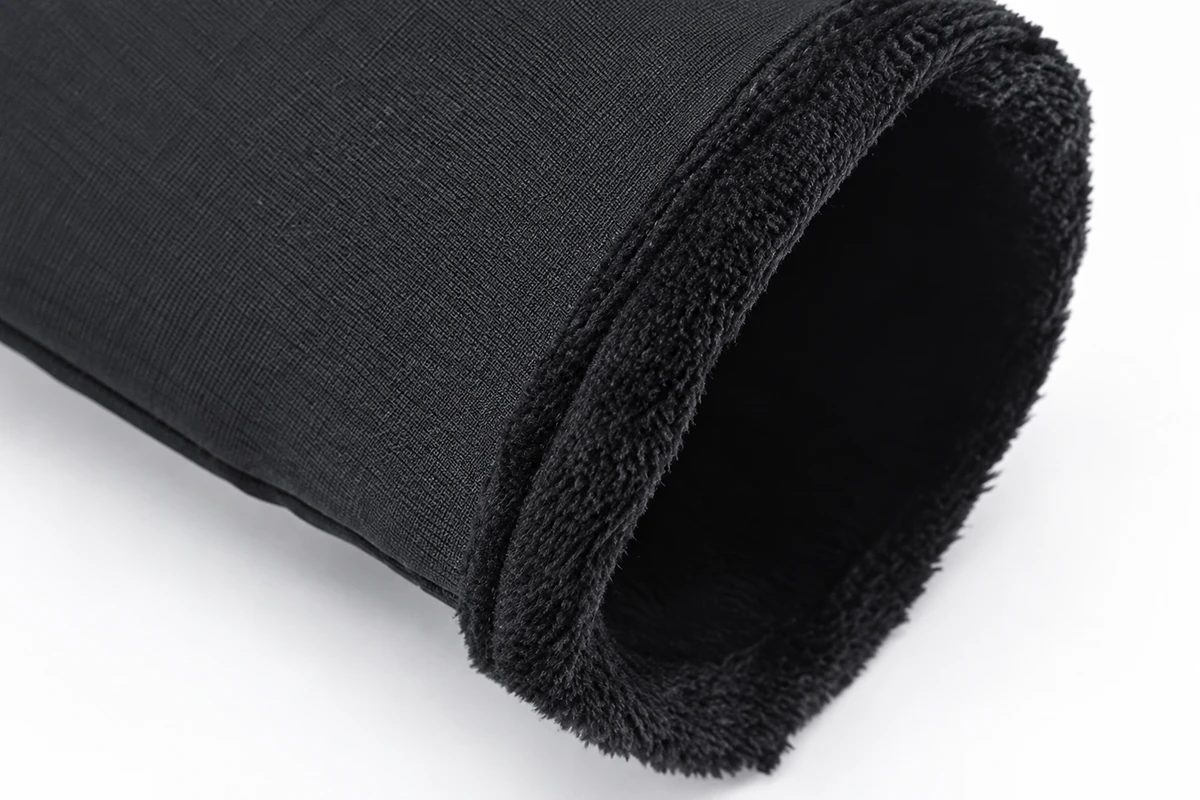
Choose Where Fleece Works in the Glove
Fleece can be the outer shell or a soft lining. Its role affects appearance, seams, fit allowance, wind and moisture exposure, branding position and finished-sample checks.
- Fleece Shell
For lightweight daily, retail, promotional, or active-use gloves where soft hand feel and simple construction are priorities, confirm fabric stability, exposed seams, palm treatment if any, branding surface, care, and the intended wind or moisture boundary. - Fleece Lining
For projects using fleece inside another confirmed shell material, confirm liner attachment, thickness, internal volume, finger movement, seam comfort, shell compatibility, care, and the complete sample fit.
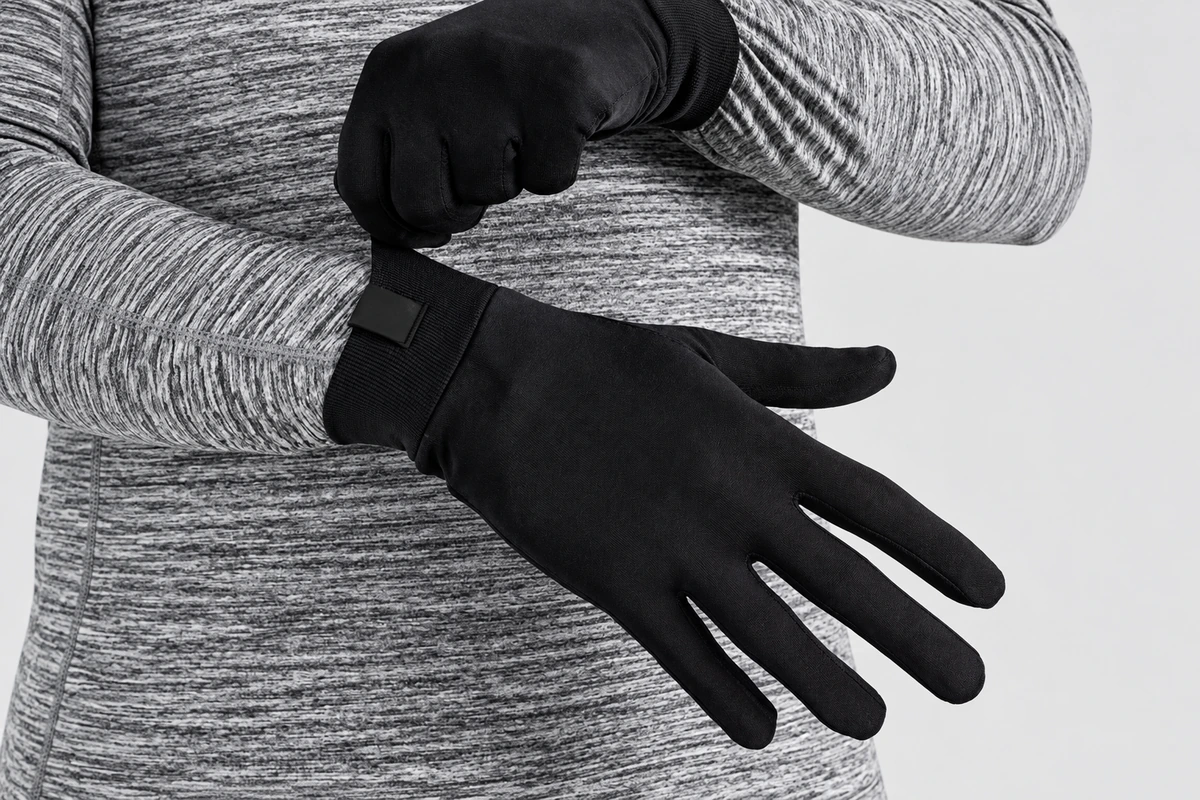
Build the Fit Around the Actual Fleece Construction
Fleece thickness, stretch, seams and shell or lining placement affect internal space and movement. Approve measurements and grading in the actual layers to avoid tightness, looseness, twisting or restricted movement.
- Palm Circumference
Use an agreed measuring method and palm measurement for each size; check fit on the sample. - Finger Length
Specify finger proportions by size and check fingertip space, reach and movement. - Overall Length
Coordinate hand and wrist coverage by confirming the finished length with the selected fleece, cuff construction, sleeve interaction, entry, and removal. - Wrist Opening
Confirm entry, comfort and retention with the selected cuff or closure. - S–XXL Size Range
For standard adult private-label programs, approve measurements, grading, representative samples, size labels, order ratio, and tolerances before production. - Special Sizes
Send hand measurements, a size chart or a reference glove. Pattern changes, MOQ, cost and timing need review.
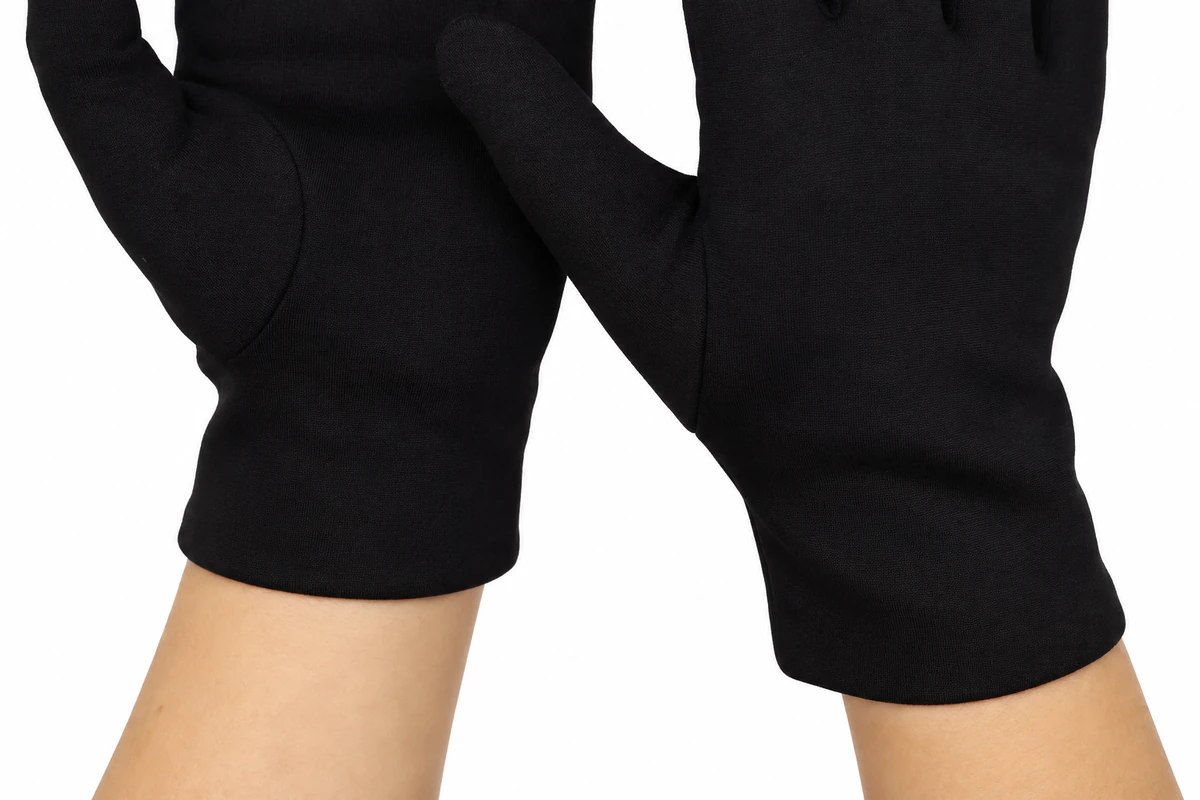
Match the Wrist to Entry and Retention Needs
Choose elastic or hook-and-loop construction for entry, retention, sleeve overlap and cold-air coverage. Approve tension, opening, bulk, comfort and appearance on the sample.
- Elastic Wrist
For simple daily, retail, promotional, or active-use gloves needing easy entry and a close wrist fit, confirm elastic position, tension, recovery, opening, fleece gathering, seam comfort, sleeve interaction, and grading. - Hook-and-Loop Wrist
For adjustable retention or a more controlled wrist opening, confirm strap position, adjustment range, material compatibility, closure contact, glove entry, sleeve overlap, and sample hand feel.
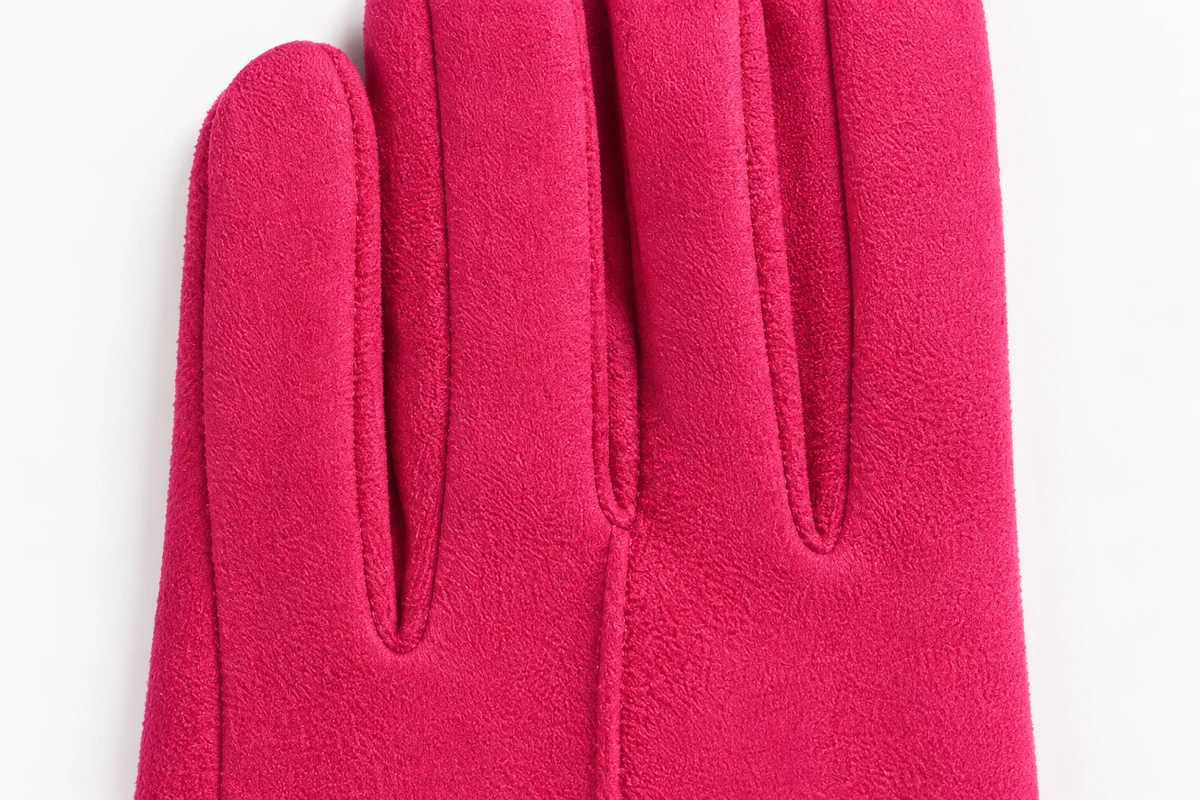
Test the Logo Method on the Actual Fleece Surface
Fleece pile, stretch, heat sensitivity, and panel shape can change logo clarity and hand feel. Choose from confirmed branding methods only after checking the actual material, artwork, placement, processing conditions, edge quality, and finished appearance.
- Embroidery
For visible textile branding on compatible fleece panels or cuffs, confirm stitch density, backing, pile compression, size, placement, flex, reverse-side comfort, and approved sample appearance. - Screen Printing
For clear artwork on a compatible flatter fabric area, confirm ink, color count, surface, print size, pile interaction, flex, coverage, and wash reference on the sample. - Heat Transfer
For detailed or multicolor artwork on a compatible panel, confirm transfer film, processing temperature, edge quality, pile compression, stretch, placement, and material response. - Hot Press or Embossing
Only where the selected material or added panel accepts a pressed effect, confirm surface compatibility, pressure, temperature, depth, artwork detail, color effect, and sample approval. - Silicone Printing
For raised branding or selected graphics on a compatible surface, confirm compound, height, coverage, pile interaction, placement, hand feel, flex, adhesion, and approved appearance. - Sublimation
For broad graphics on compatible printable polyester panels, confirm fiber and panel compatibility, artwork, color reference, pile appearance, seam alignment, placement, and sample result.
Related Custom Products
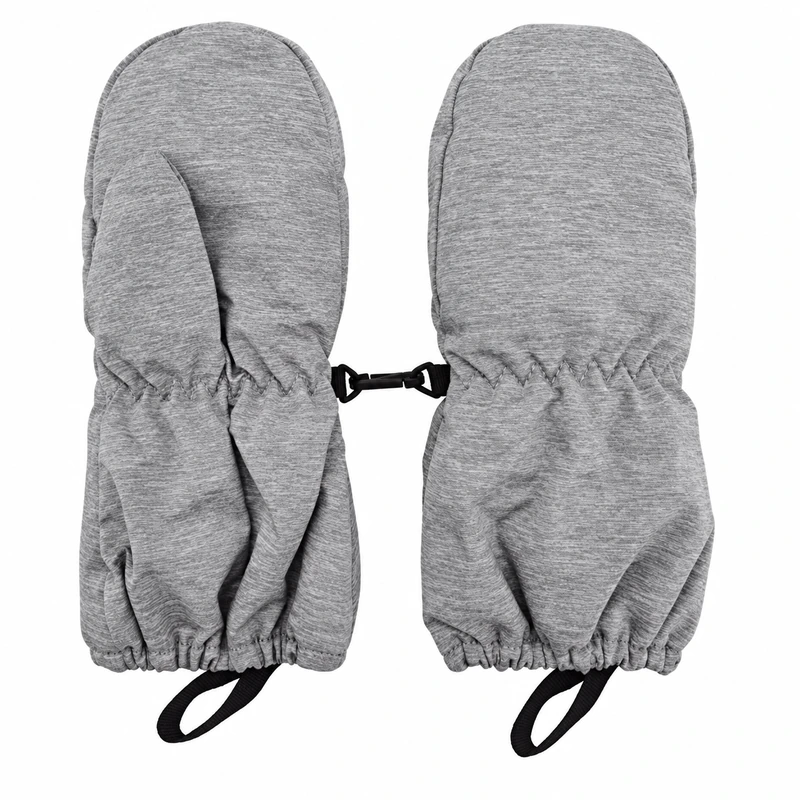
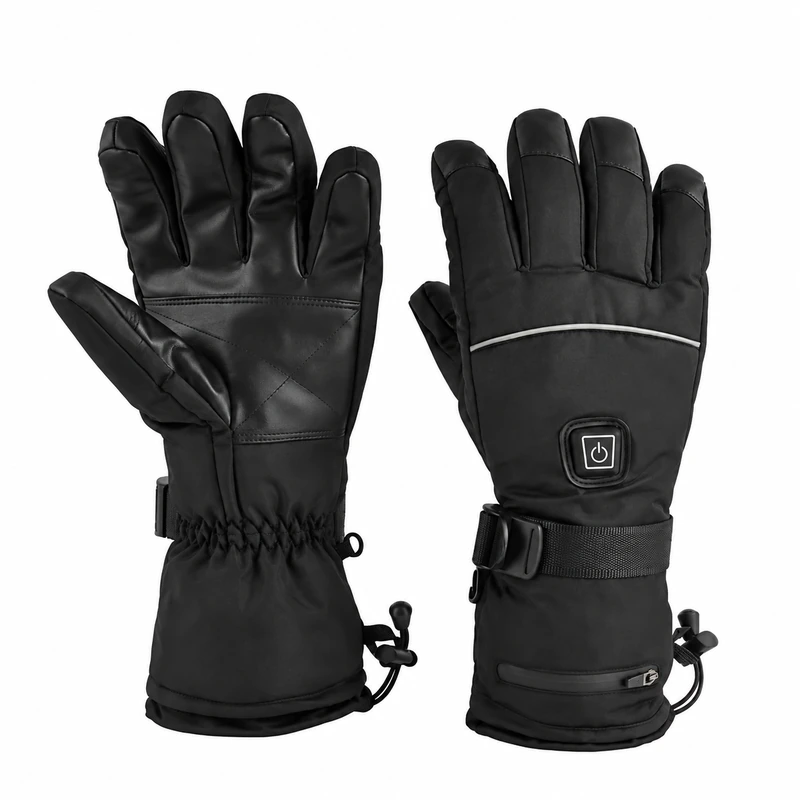
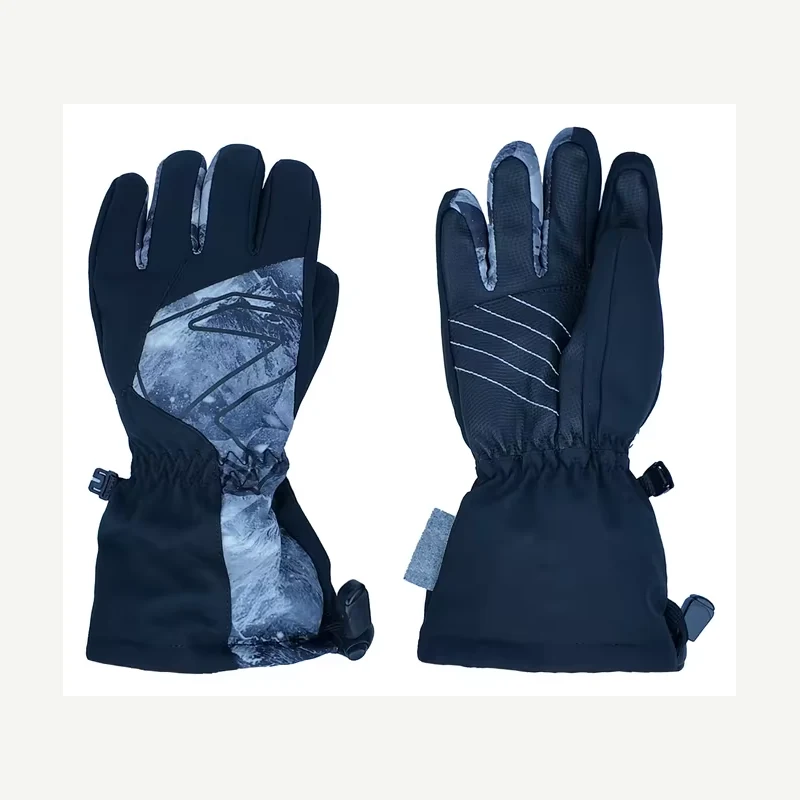
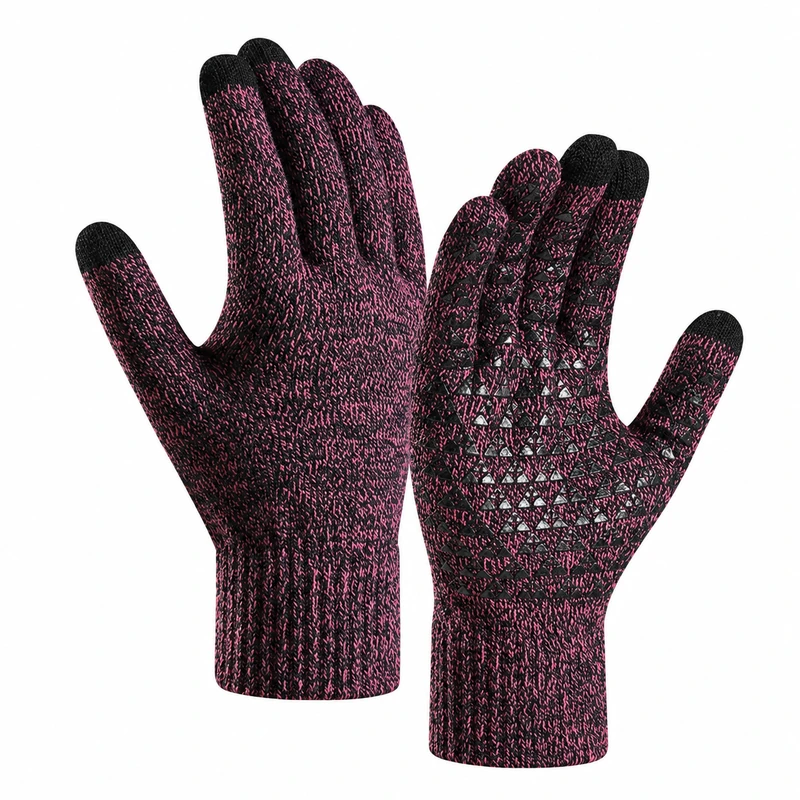
Compare related custom thermal, heated, waterproof winter, and wool gloves.
Validate the Complete Fleece Glove Sample
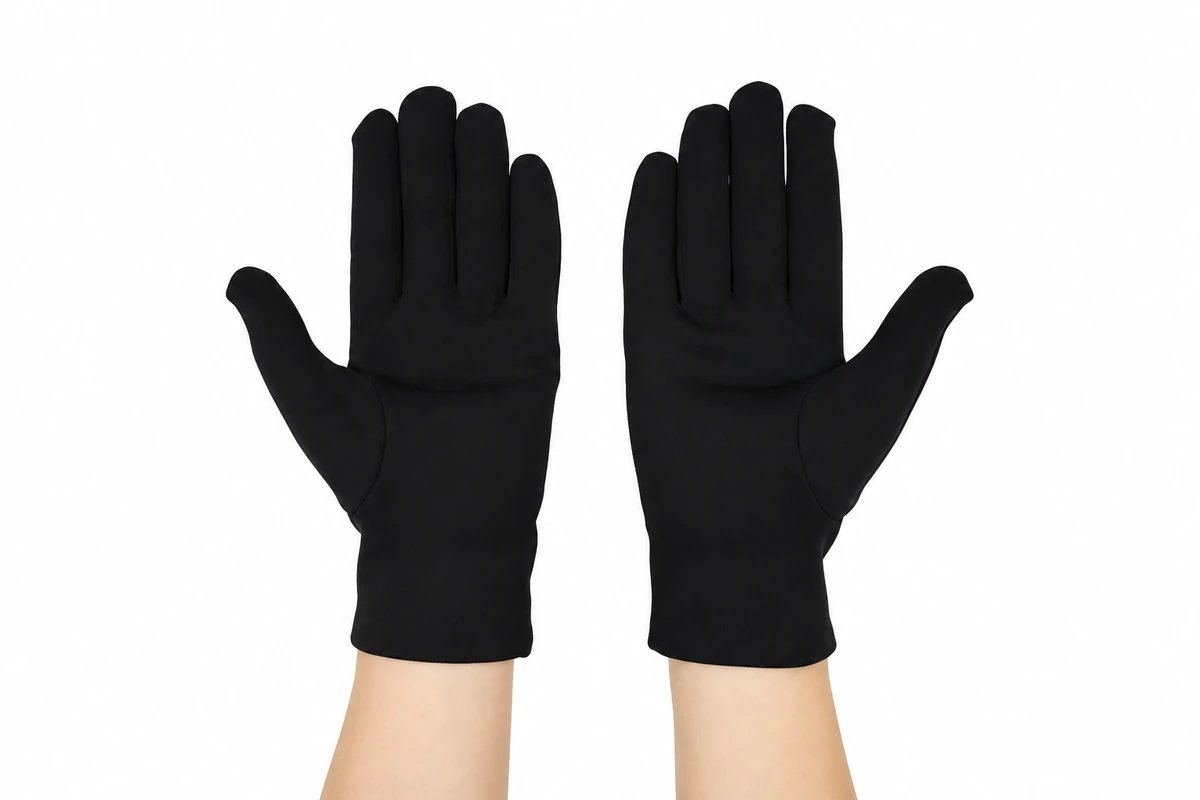
Approve fabric, construction, fit, movement, branding, labels, care and packaging on the complete glove for its intended use. A swatch alone is insufficient.
Request a Fleece Glove Quote
Share your intended use and quantity. Add a reference if available.
Request a Quote