
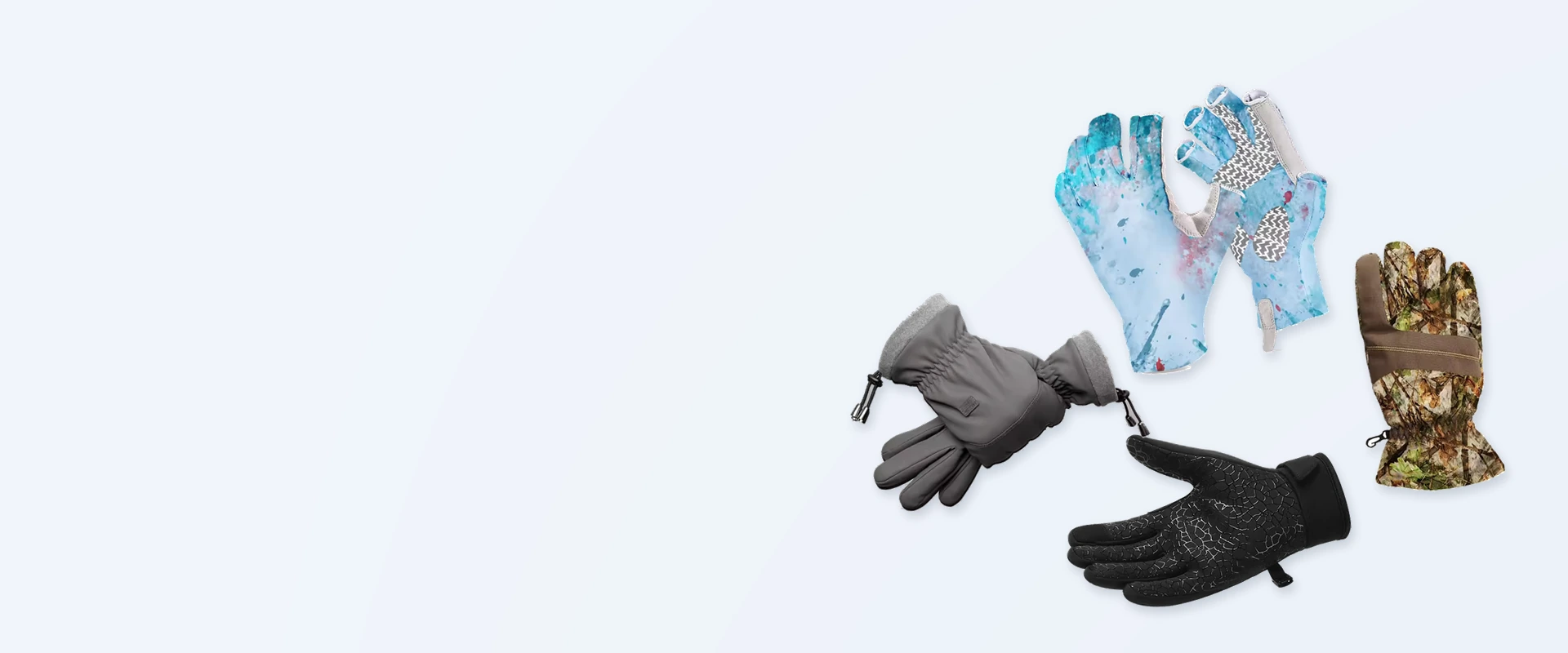
Custom Outdoor Gloves
Outdoor gloves tailored to your activities, with grip, finger coverage and weather layers developed for your intended conditions.
- ✓ Designs for Your Activity
- ✓ Field-Use Sample Checks
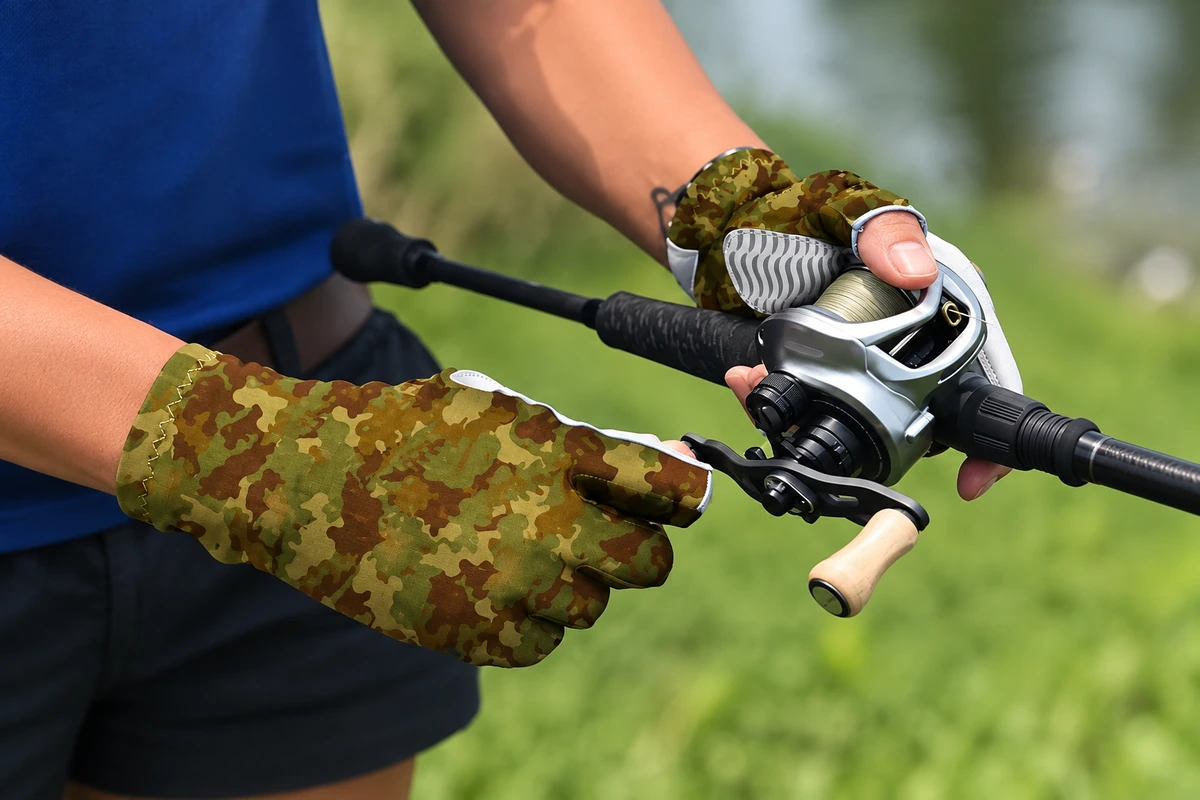
Choose by activity and exposure
GloveWise reviews shells, palms, lining, cuffs and branding as a complete glove. Samples are used to check fit and handling; weather or other performance claims require an agreed finished-glove test.
Six Decisions That Shape an Outdoor Glove Project
Start with the activity and exposure, then define grip, coverage, weather layers, fit, branding, and sample checks for the intended user and market.

1. Activity and Field Task
Identify hiking, fishing, hunting, or wet-weather use, plus the objects handled, movement, duration, and expected conditions.

2. Weather Exposure
Define rain, wind, temperature, activity level, and exposure time instead of selecting a material from a weather label alone.

3. Palm Grip and Wear
Map wet or dry contact zones, friction needs, abrasion areas, reinforcement, and the feedback required for poles, lines, or equipment.

4. Finger Coverage and Dexterity
Compare full, half, or selected open-finger routes based on protection, small-item handling, touch, warmth, and market needs.

5. Layers, Cuff, and Fit
Align shell, membrane or weather layer, lining, seams, cuff entry, closure, measurements, and size grading as one system.

6. Branding and Packing
Match logo method, color or pattern, labels, hangtags, pair packing, and cartons to the materials and retail channel.
Choose the Outdoor Glove Route for the Activity
Choose the route by field task and exposure, then refine palm grip, finger coverage, weather layers, warmth, fit, cuff, branding, and packing.
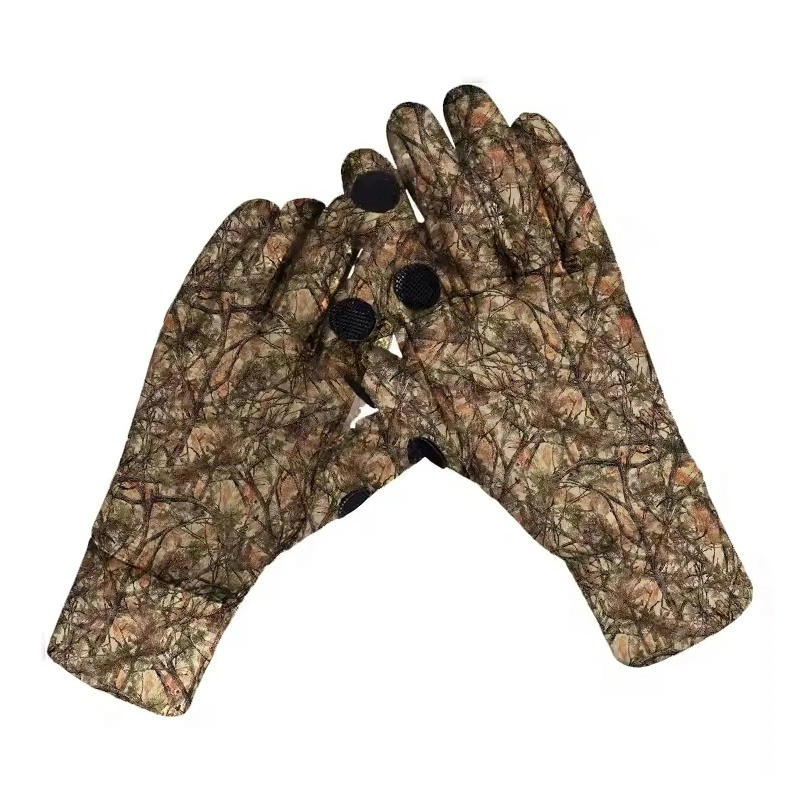
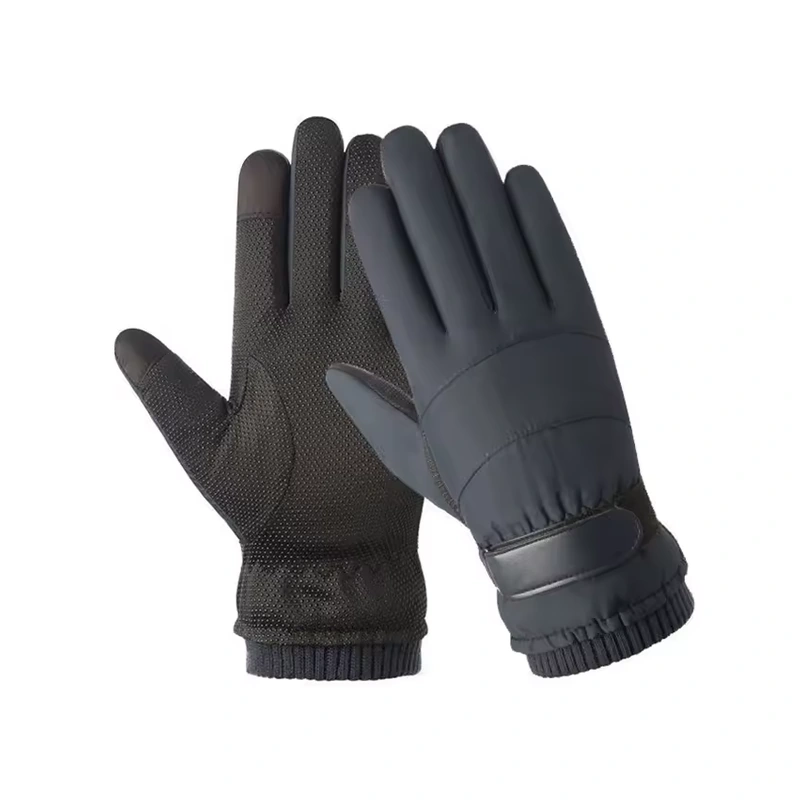
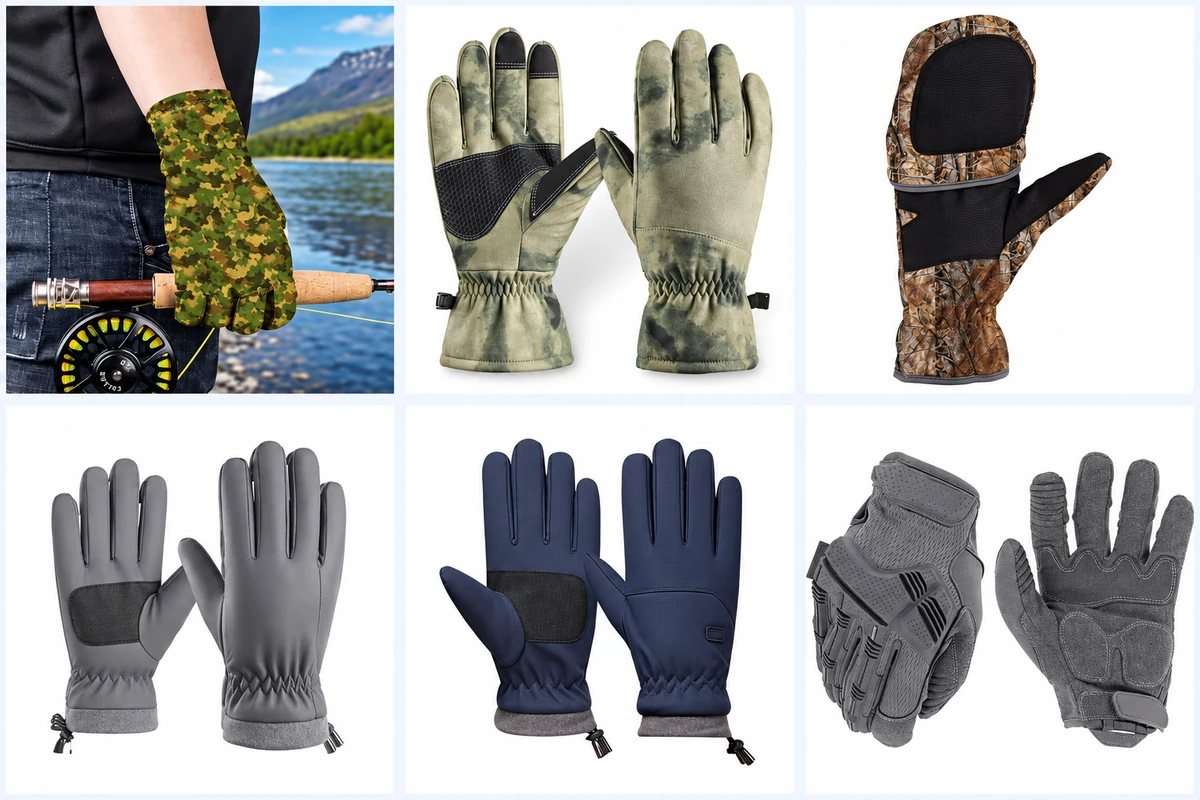
Match the Glove to the Activity and Environment
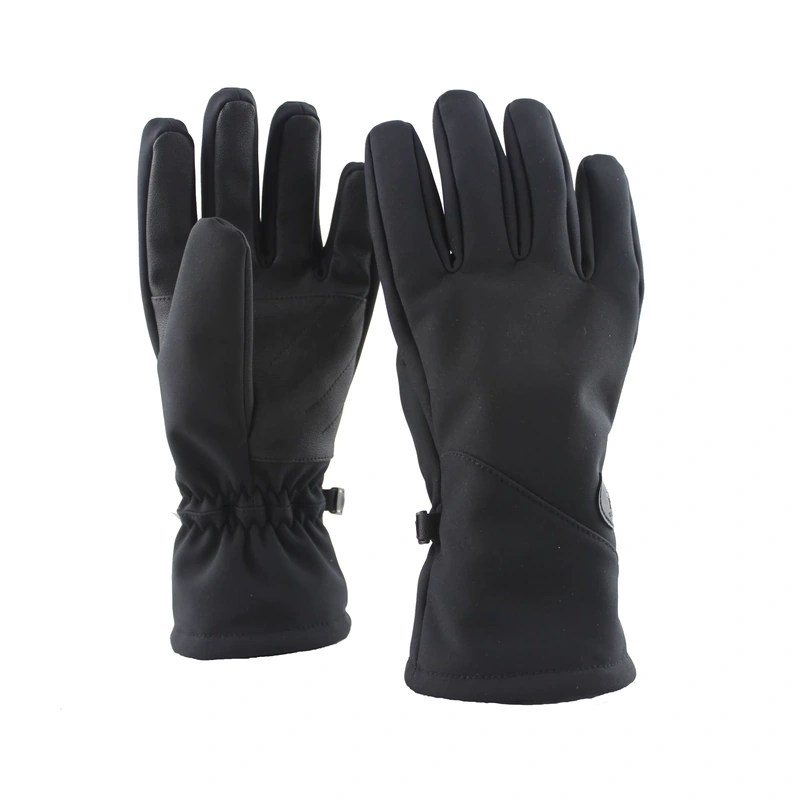
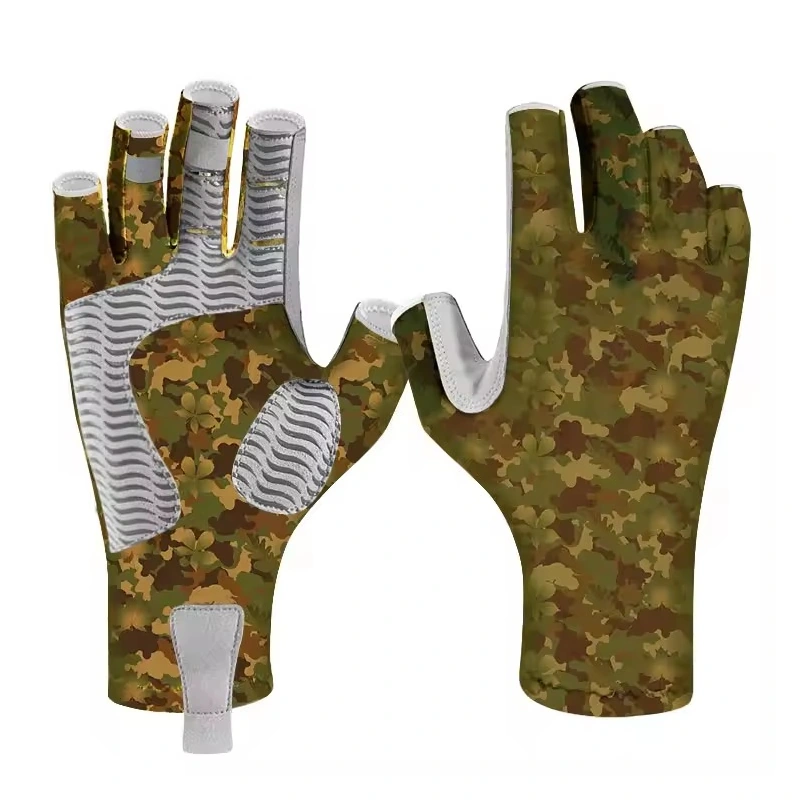
Develop each glove for one primary use. Define what the hand must hold, expected rain or cold, which fingers need direct contact, and how long the glove will be worn.
- Hiking Route
Map pole or rock contact, camp tasks, wear areas, coverage, ventilation, warmth, and cuff fit for the intended trail conditions. - Fishing Route
Define rod, reel, line, and fish handling, then compare wet grip, full or open fingers, palm reinforcement, and easy removal. - Hunting Route
Balance equipment handling, finger movement, warmth, cuff coverage, visual requirements, and material noise for the intended terrain and waiting time. - Waterproof Route
Specify rain and exposure conditions, then review shell, weather layer, lining, seams, flex areas, cuff entry, grip, and the planned test.
Build Weather Protection as a Complete System
A nylon or leather shell, waterproof membrane, thermal lining, seams, and cuff each serve a different function. Review them together because one weather-resistant material does not prove whole-glove performance.
- Outer Shell
Select nylon, leather, or a project-specific combination based on flexibility, wear, surface exposure, appearance, and the intended activity. - Membrane or Weather Layer
Place the approved layer within the construction, then check flex, seams, assembly, moisture handling, and sample test conditions. - Thermal or Comfort Lining
Choose lining by temperature, activity level, hand feel, thickness, drying expectations, and the dexterity required for field tasks. - Seams and Cuff
Review stitch routes, openings, cuff length, tightening, jacket overlap, entry, removal, and likely water paths on the finished sample.
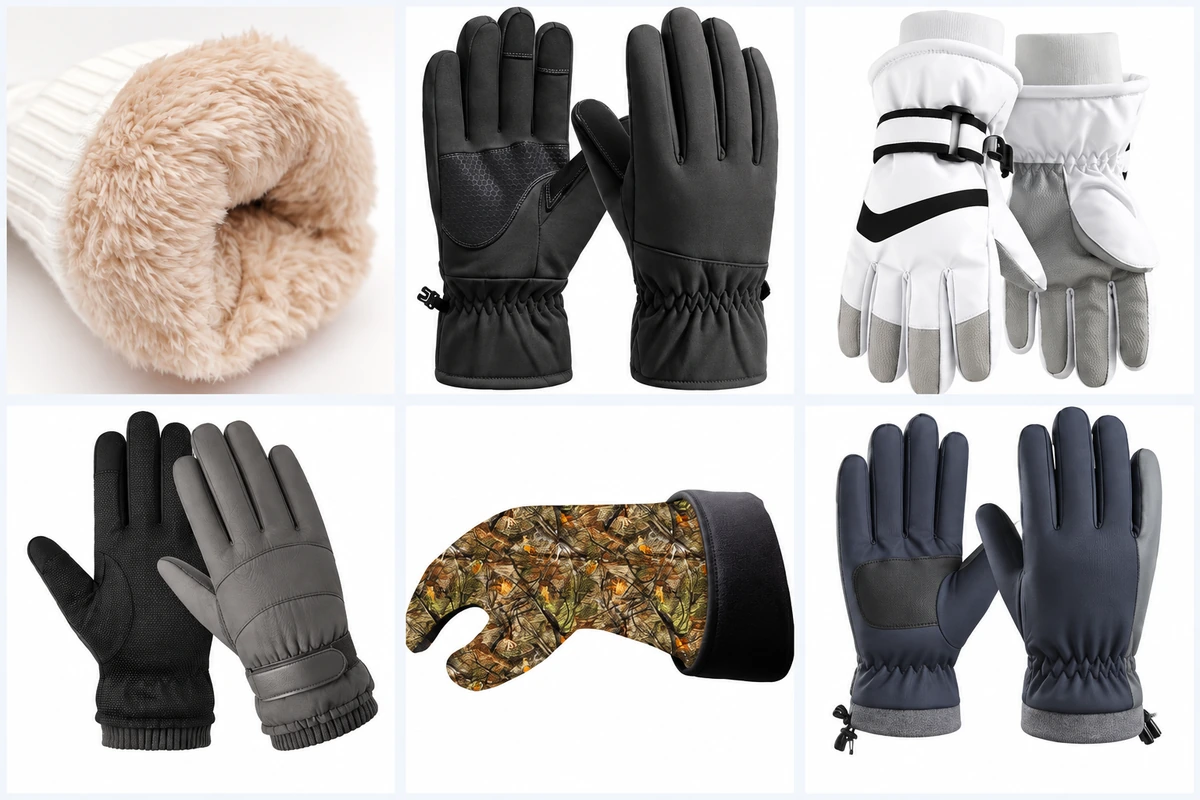
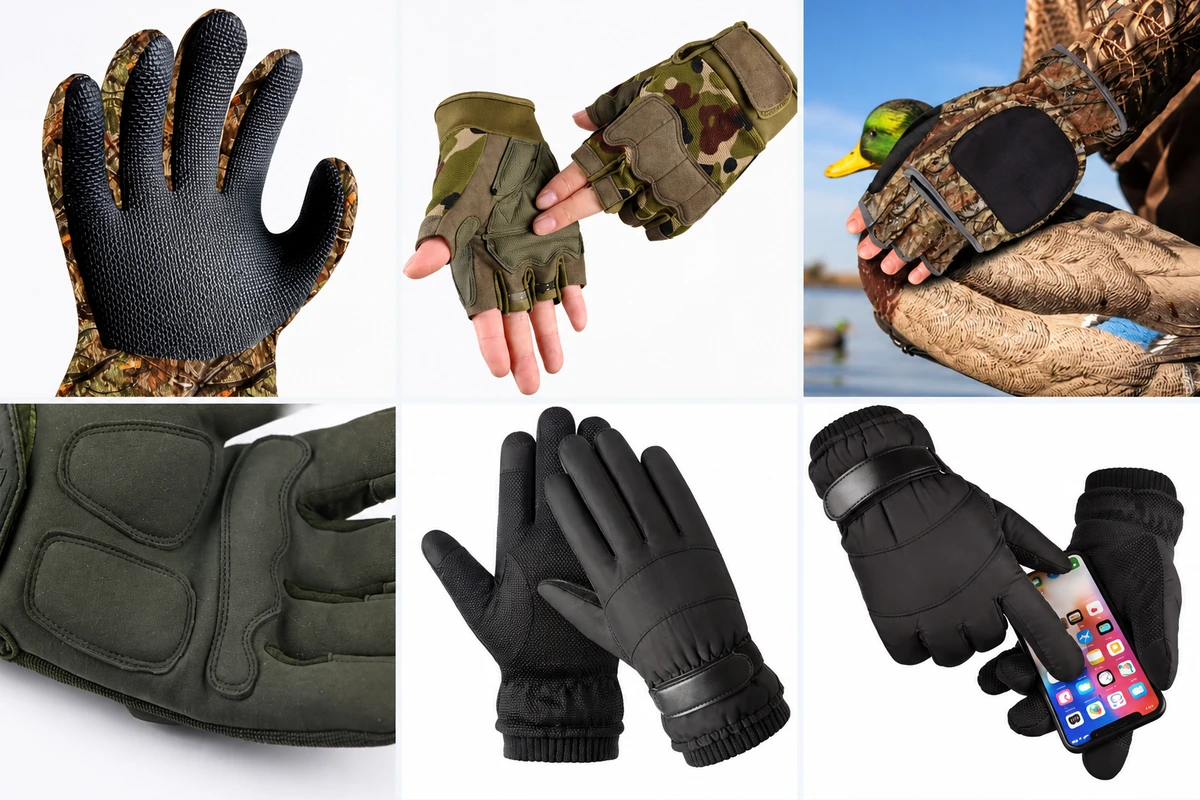
Balance Wet Grip, Dexterity, Coverage, and Warmth
More coverage and insulation can improve comfort but may reduce line handling or small-item control. Approve palm feel, finger movement, fit, cuff, and warmth in the intended activity.
- Palm Contact
Define wet and dry grip zones, base material, reinforcement, seam placement, and the wear expected from poles, rods, or equipment. - Finger Coverage
Compare full fingers, half fingers, or selected openings based on weather, contact, handling precision, protection, and the sales market. - Fit and Layer Bulk
Check palm width, finger length, liner movement, seam feel, cuff entry, and size grading across representative users. - Field Sample Check
Test grip, flexion, small-item handling, warmth, cuff overlap, water entry points, removal, and touchscreen only where specified.
Three Outdoor Glove Builds to Compare Before Sampling
Choose the construction route based on activity level, rain and cold exposure, required dexterity, wet grip, coverage, and the intended field test.
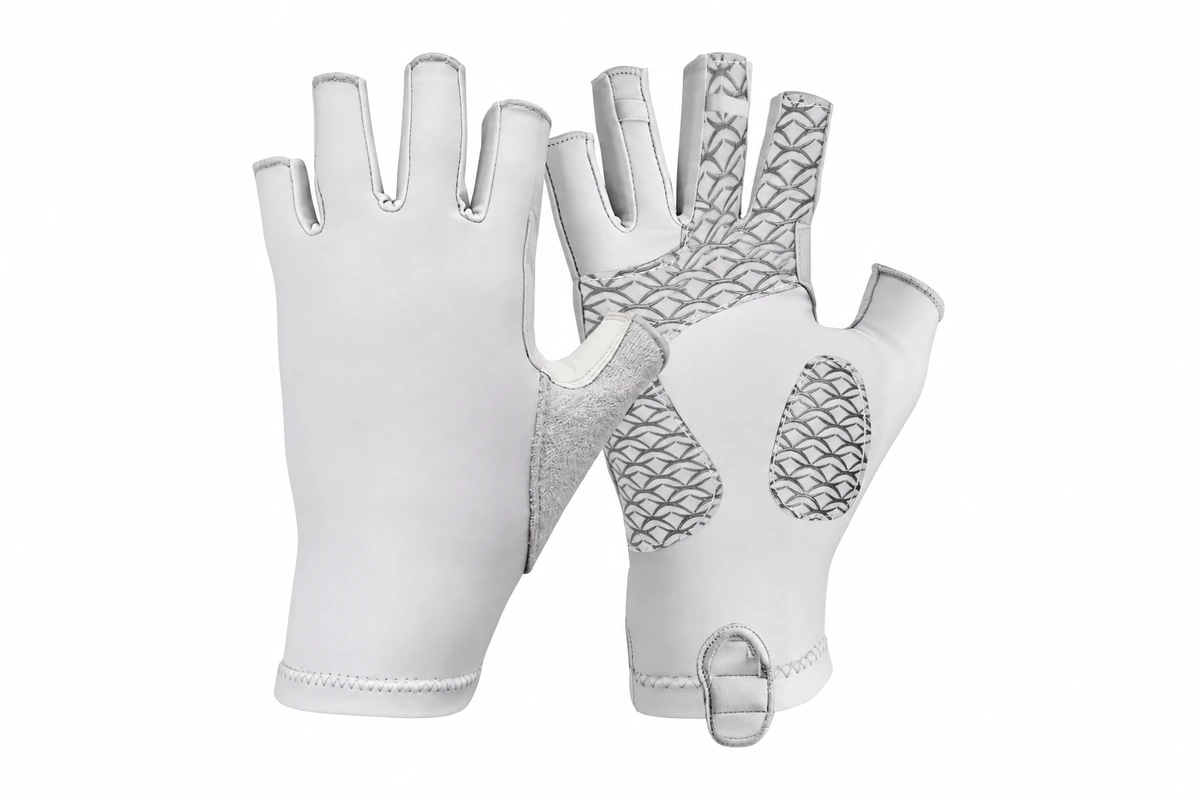
Light, Breathable Field Glove
A light, breathable field glove suits active hiking or warm-condition routes that prioritize movement and handling. Confirm coverage, palm wear, ventilation, cuff, weather limits, and sample fit.
Review Lightweight Options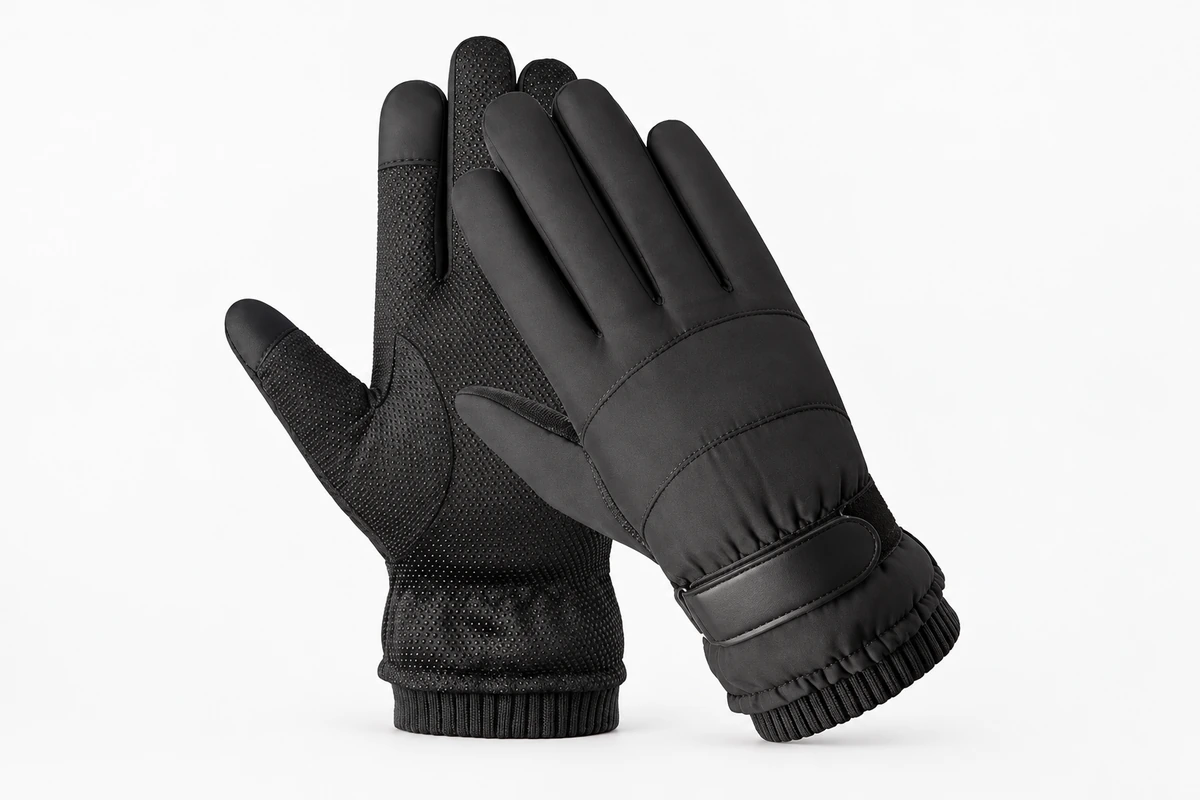
Waterproof Membrane System
A waterproof membrane system suits rain-focused routes using an approved membrane or weather layer. Confirm shell, seams, cuff, flex, wet grip, lining, and finished-glove test conditions.
Discuss Weather Protection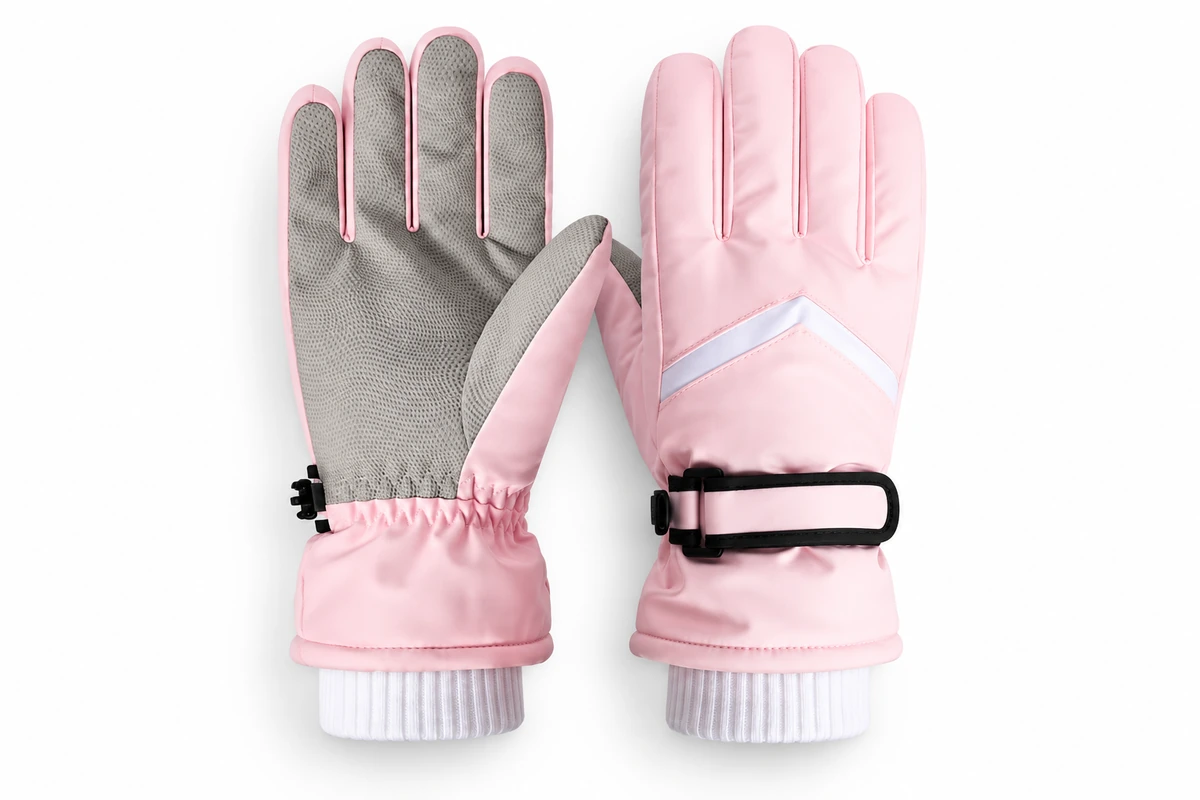
Insulated Cold-and-Wet Build
An insulated cold-and-wet build adds thermal lining for colder exposure. Confirm insulation thickness, liner stability, moisture, cuff overlap, size allowance, grip, dexterity, and the expected duration outdoors.
Compare Insulated Builds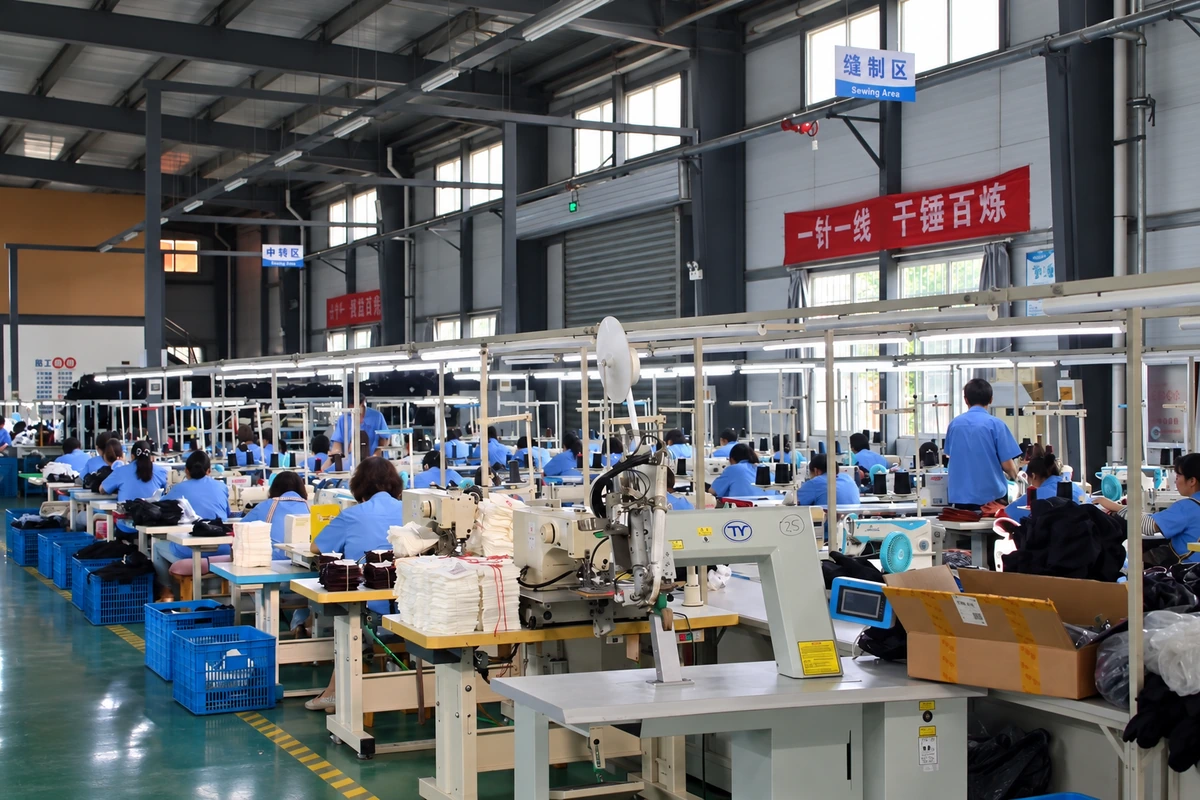
Production Support for Custom Outdoor Gloves
Our facility includes leather and fabric cutting, 30 sewing stations, screen printing, hot stamping or embossing, punching, inspection, and packing. IQC, IPQC, and FQC cover incoming materials, layer and palm placement, seams, measurements, cuff, logo position, pair matching, and final packing against the approved sample.
Develop Your Custom Outdoor Gloves
Share your activity and weather conditions to discuss sampling. Add a design or reference if available.
Request a Quote