
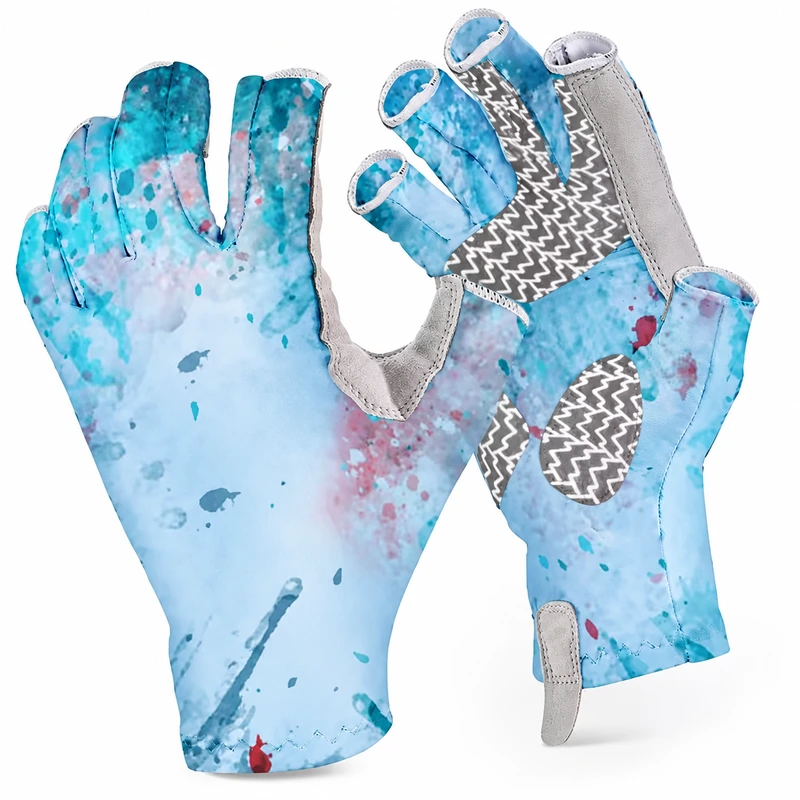
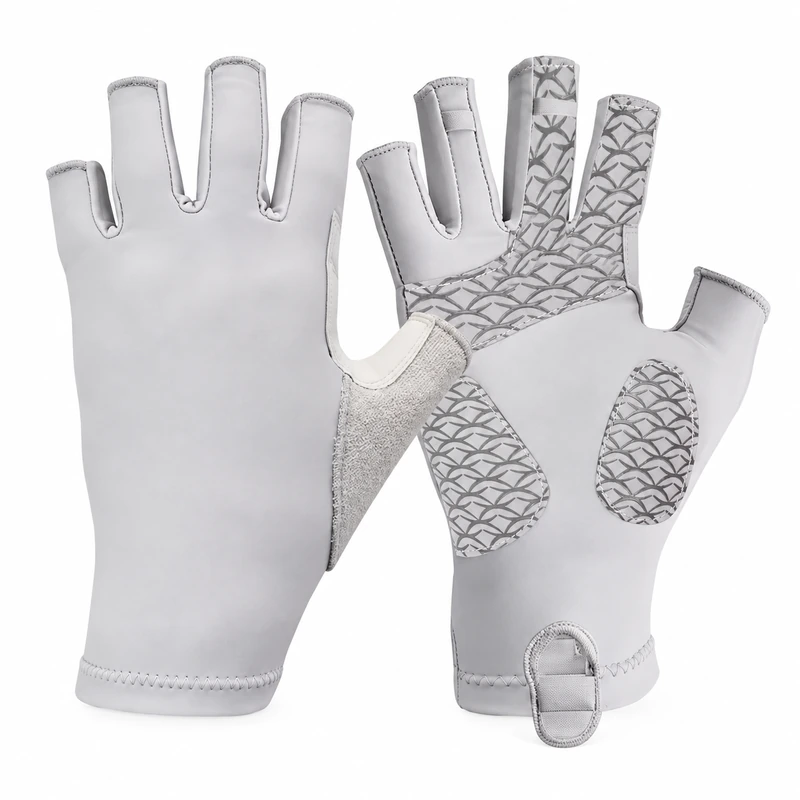
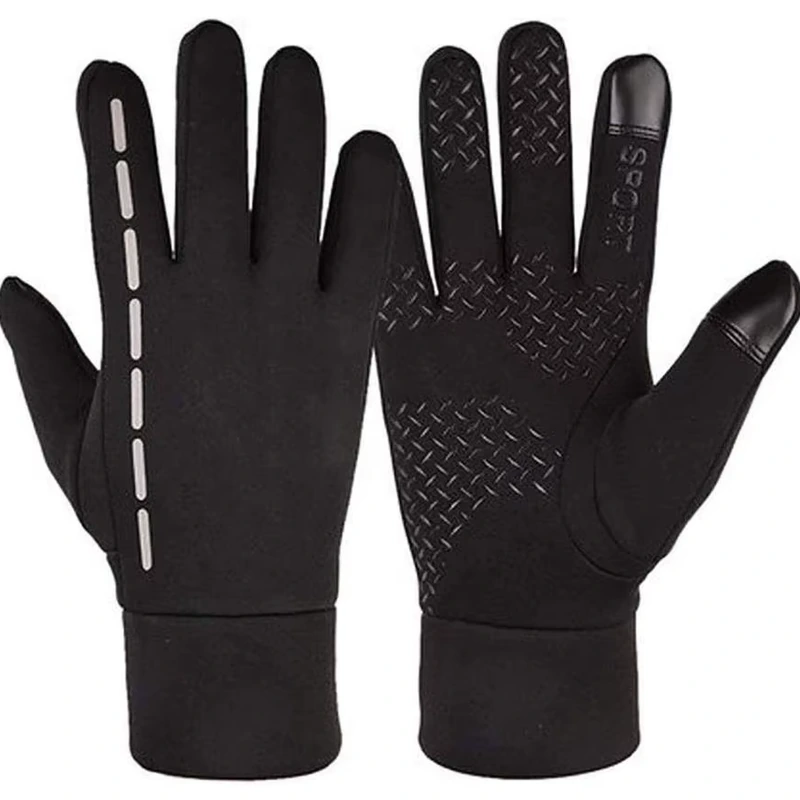
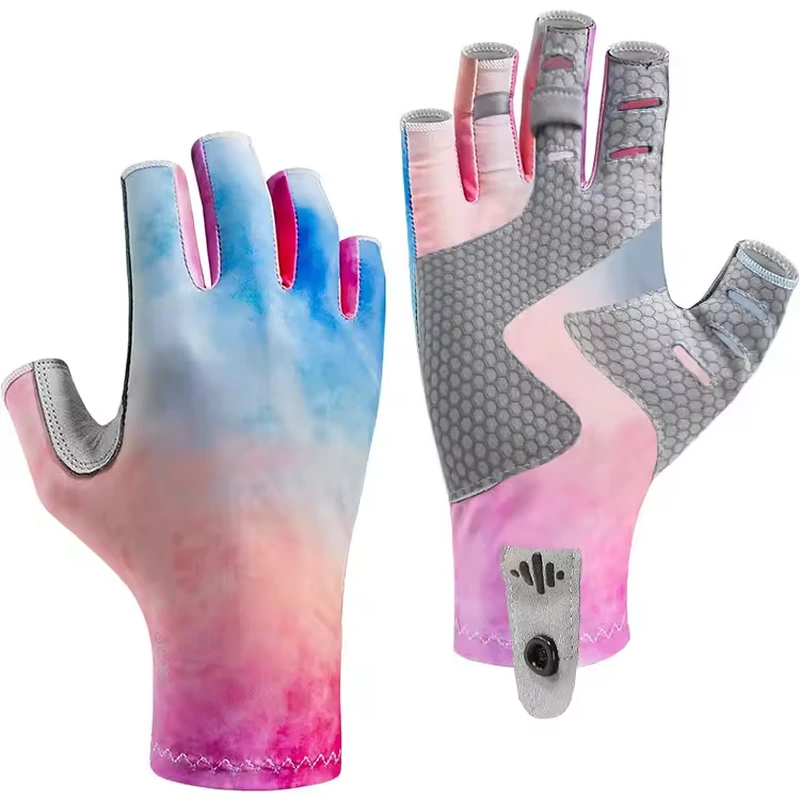
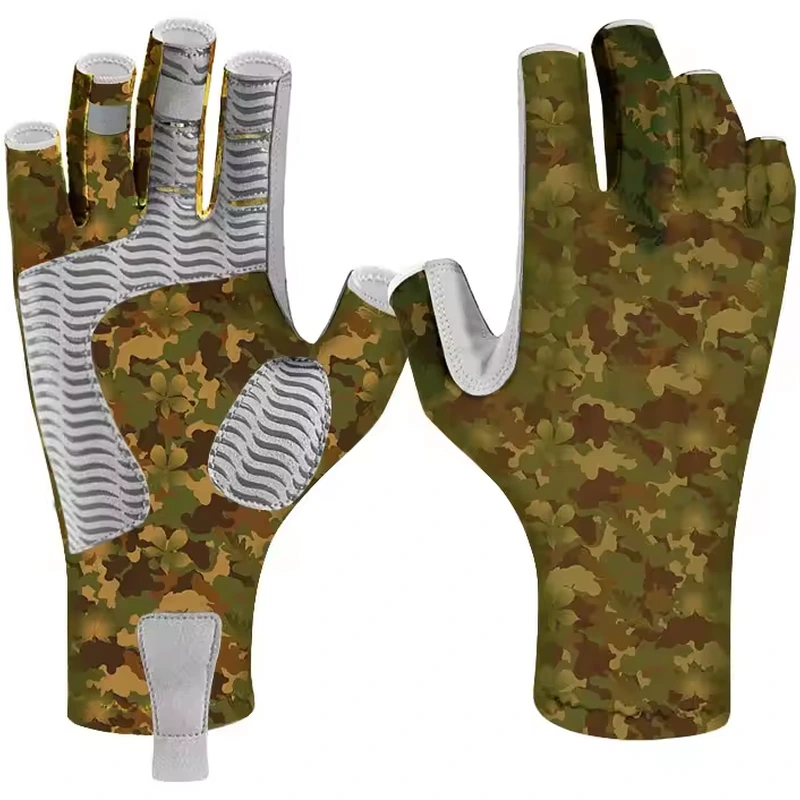
Custom Fishing Gloves
Custom fishing gloves for rod grip, reel controls, line work, and wet handling. Choose full, half or partially open fingers with reviewed palm materials, reinforcement, layers, branding, and retail packaging.
- Material: Nylon, leather, waterproof membrane, or thermal lining directions
- Size: S–XXL, special sizes, and buyer-defined measurements
- Color: Custom fabric, stitching, Logo, and overall colors
- Logo: Printing, heat transfer, embossing, embroidery, silicone, or sublimation
- Packaging: OPP bag, paper or hanging card, inner box, carton label, or gift box
Final performance, timing, and price depend on the approved construction, sample, quantity, and testing requirements.
Request a Quote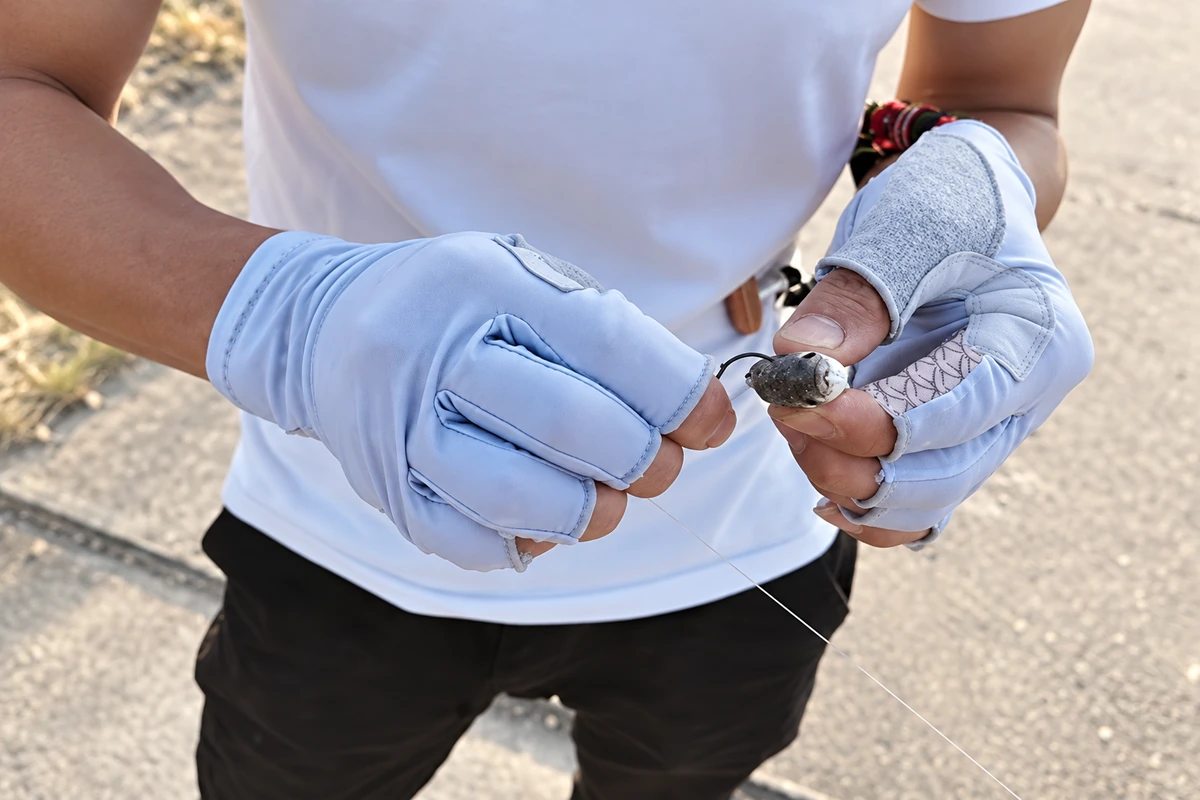
Choose coverage for the fishing task
Line and knot work: Compare half-finger or selected openings where direct fingertip contact matters. Cooler or exposed conditions: Review full-finger coverage, lining and cuff fit without losing access to the reel controls. Wet-object handling: Map palm, thumb and finger contact; approve grip and reinforcement on the actual construction.
Detailed Panel Work for Custom Fishing Gloves
Mixed-material sewing and surface decoration support development of a finished, branded fishing glove.
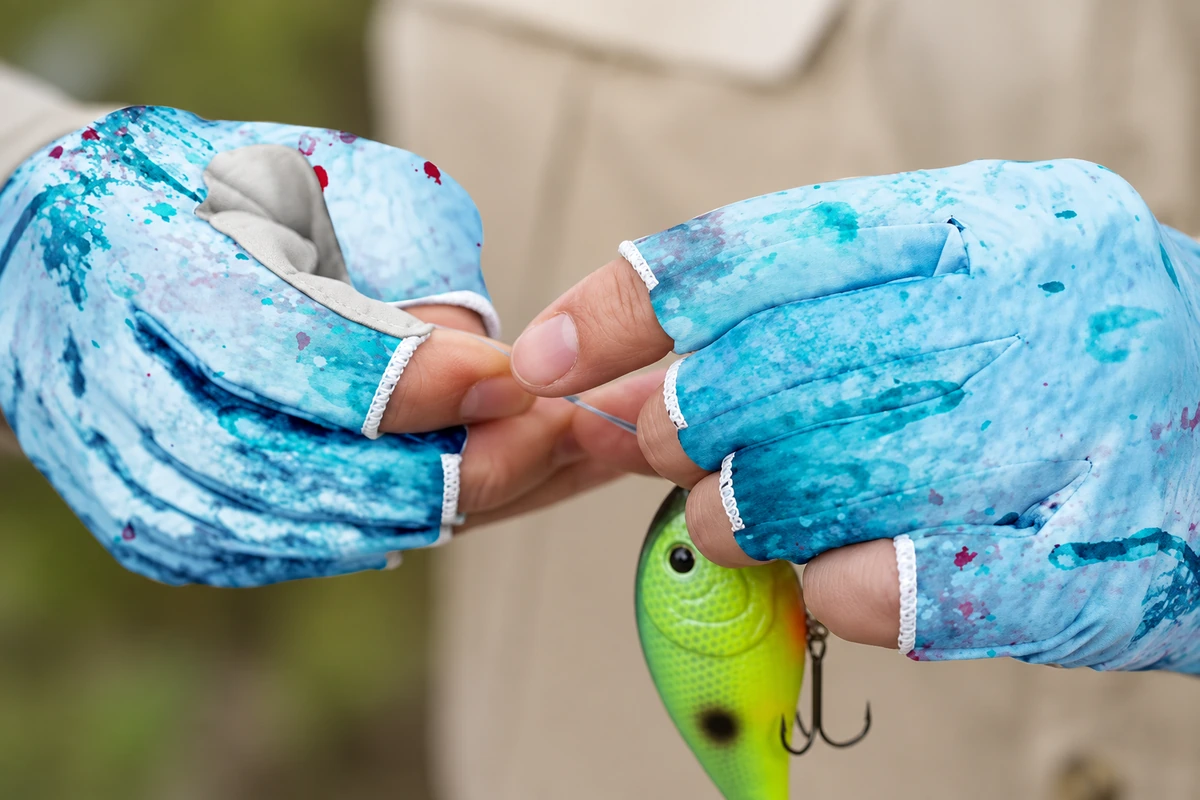
Open and Covered Finger Sections
Cutting and sewing follow one plan for the selected finger design, keeping open-finger edges and covered sections aligned with the rest of the glove.
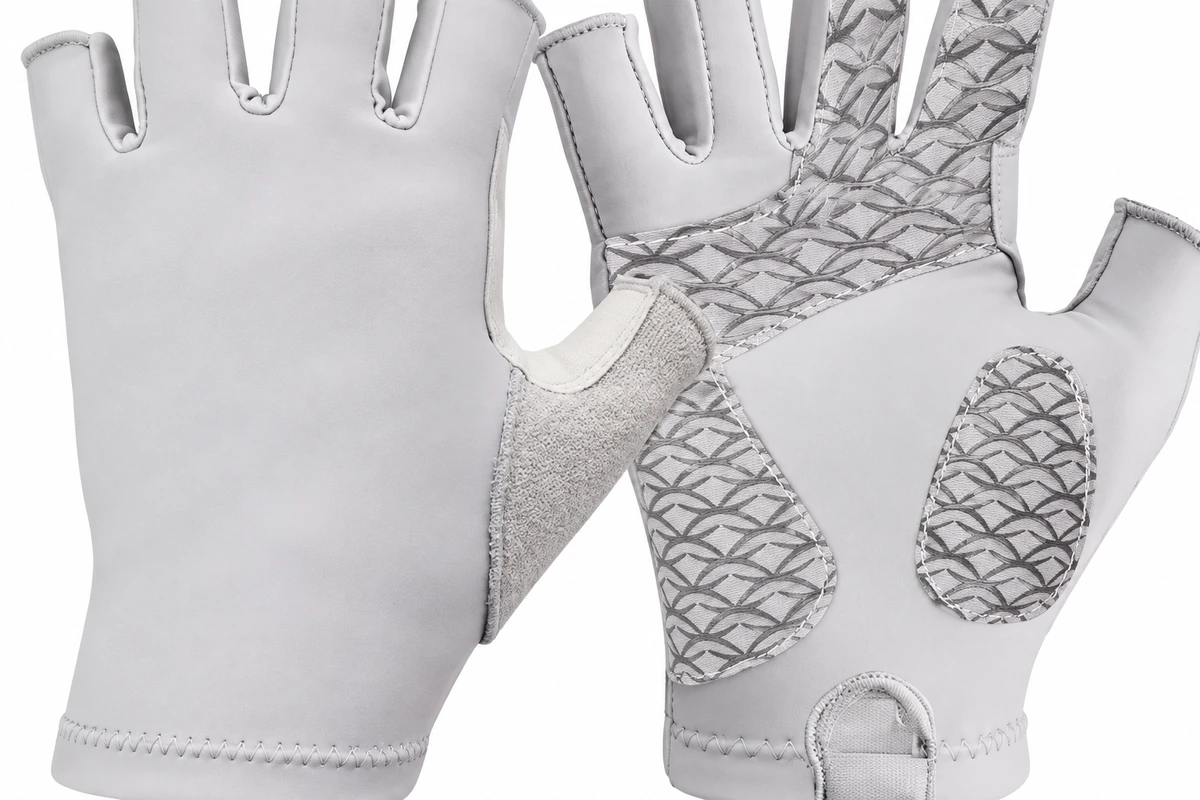
Leather and Fabric in One Design
Leather palm components can be developed with the textile body for a consistent appearance across materials and joining seams.

Decoration for Different Surfaces
Stamped details on suitable leather and printed marks on compatible fabric can carry the same brand across fishing-glove constructions.
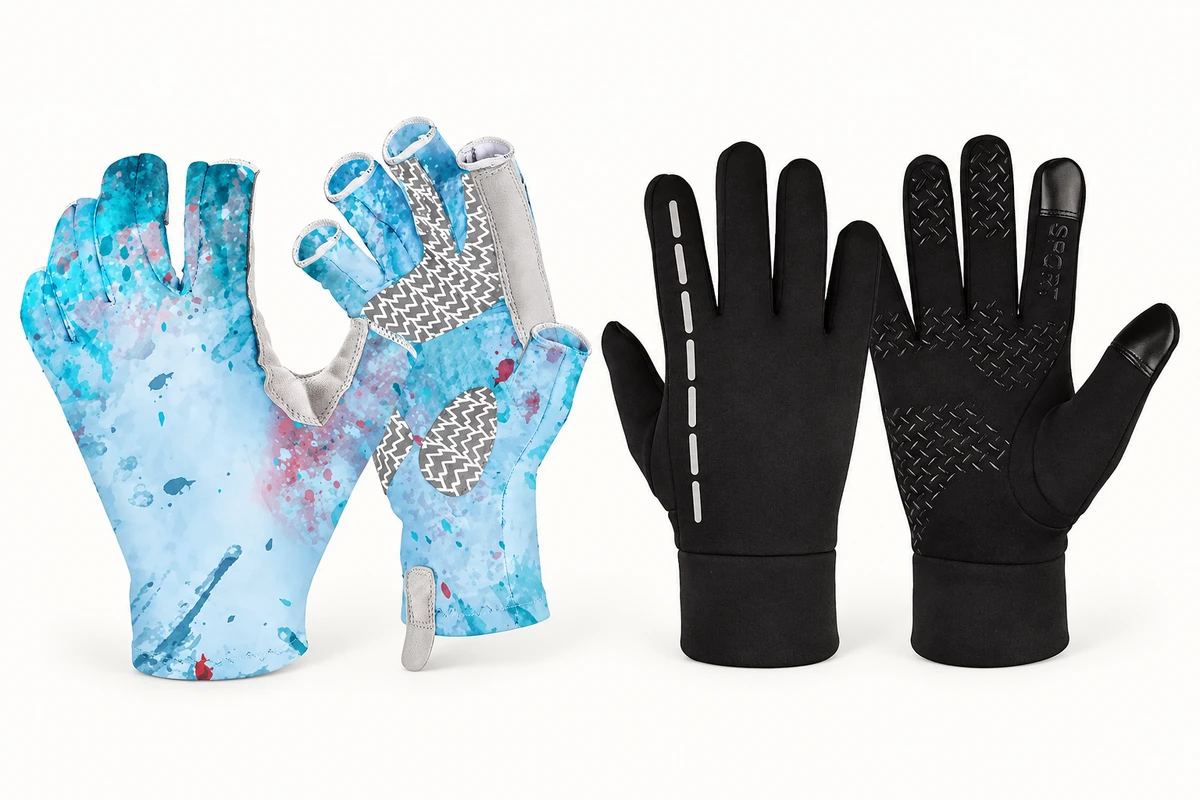
Choose Finger Coverage by Fishing Task
Select finger coverage for direct touch, weather protection or both. Confirm each opening and covered zone on the sample.
- Full-Finger Coverage
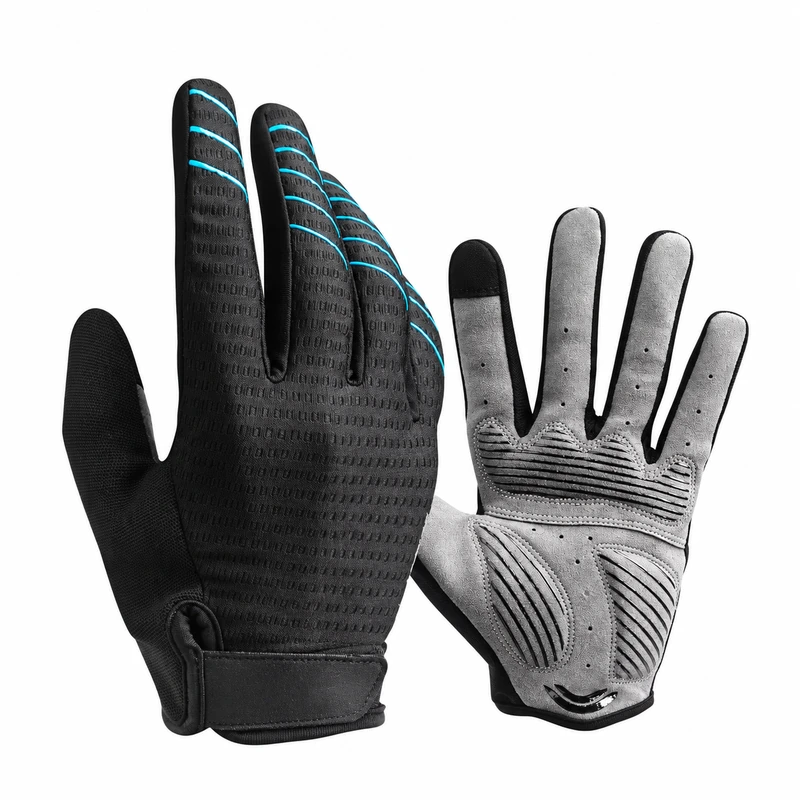
For broader coverage in cooler or exposed conditions, check reel-control feel, line handling, fingertip length, seam position, and any touchscreen requirement on the sample. - Half-Finger Coverage
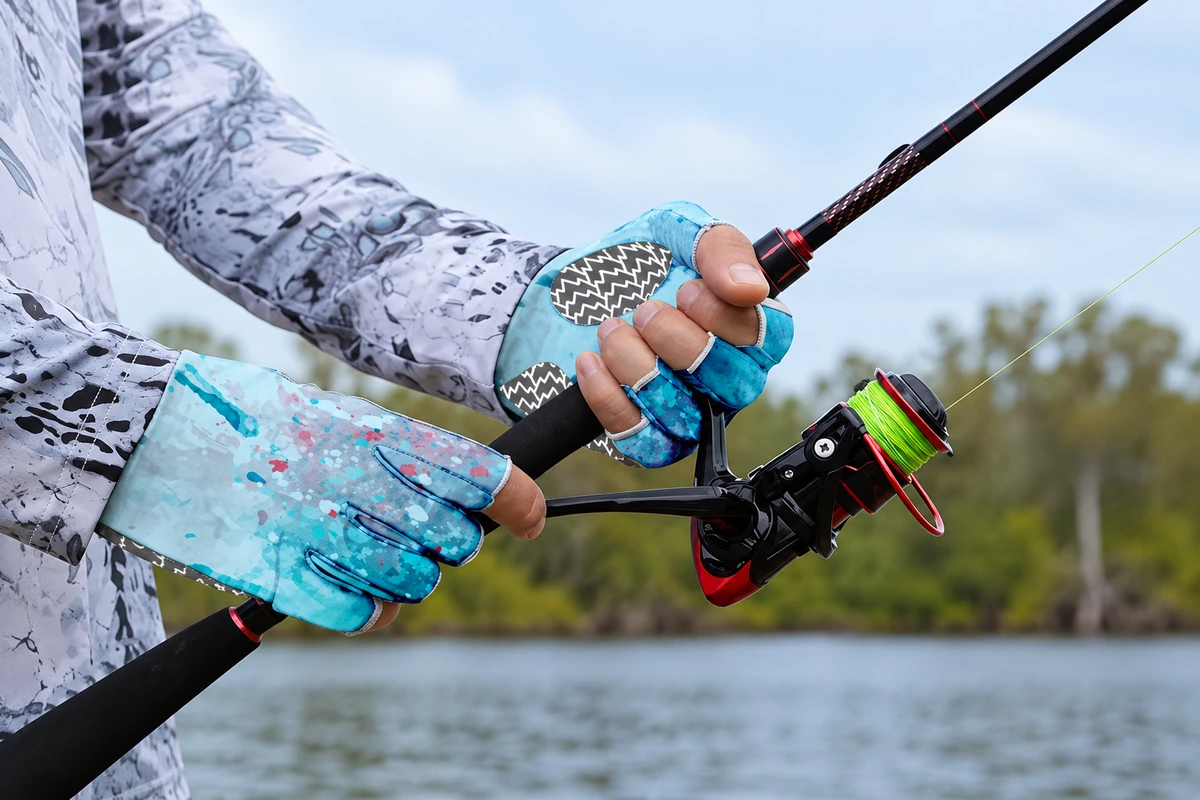
For direct fingertip access to knots, line, and small controls, confirm the cut line, edge finish, pressure points, and remaining coverage. - Partial-Open Finger Direction
For selected fingertip access while other fingers stay covered, specify which fingers open, the opening method, and whether the structure stays stable during repeated movements.
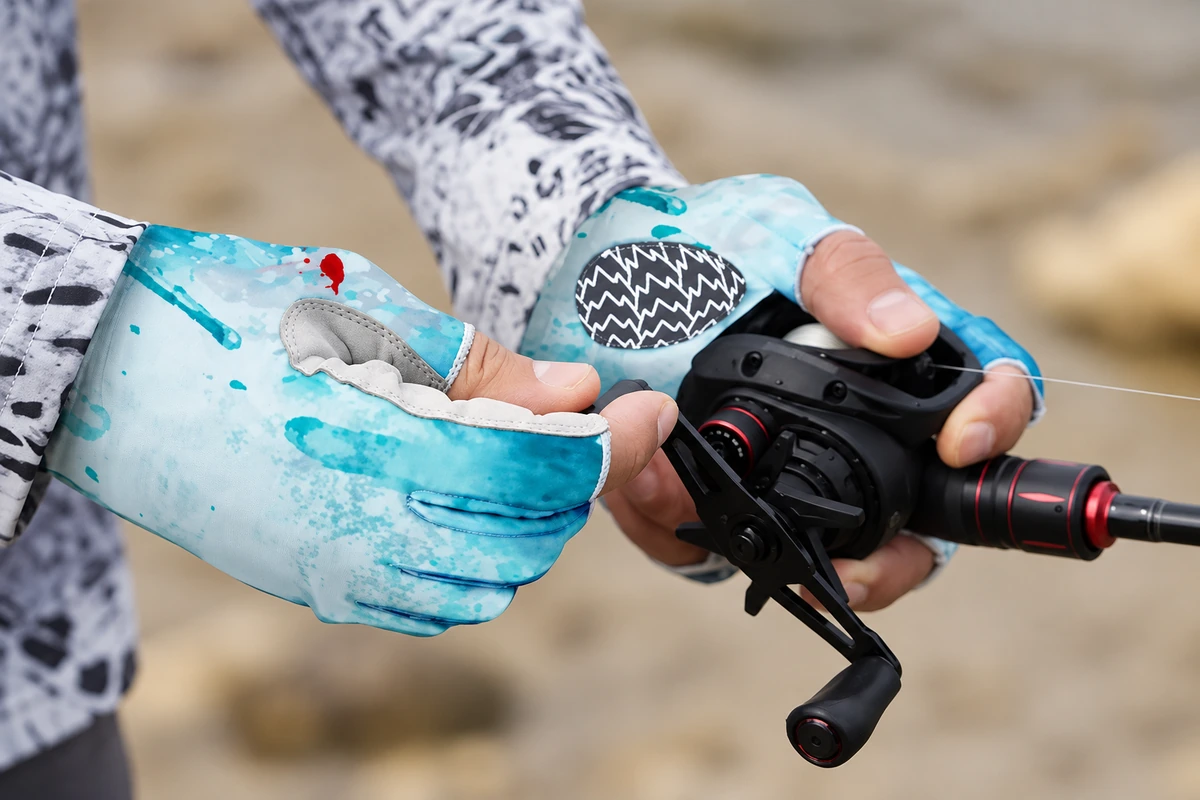
Grade the Fit for Rod, Reel, and Line Work
Build the size chart from hand measurements and target movements, then verify grip closure and finger control across the planned range.
- Palm Circumference
Use an agreed measuring method and palm measurement for each size; check fit on the sample. - Finger Length
Specify finger proportions by size and check fingertip space, reach and movement. - Overall Length
Measure from the defined reference point and check that the planned coverage and cuff transition do not restrict wrist movement. - Wrist Opening
For elastic, hook-and-loop, or other adjustable cuffs, confirm entry ease, closure range, hardware position, and comfort during repeated wrist flexion. - S–XXL Range
For standard multi-size retail programs, approve the size chart and order ratio; availability and increments depend on the final pattern. - Special Sizes
Send hand measurements, a size chart or a reference glove. Pattern changes, MOQ, cost and timing need review.
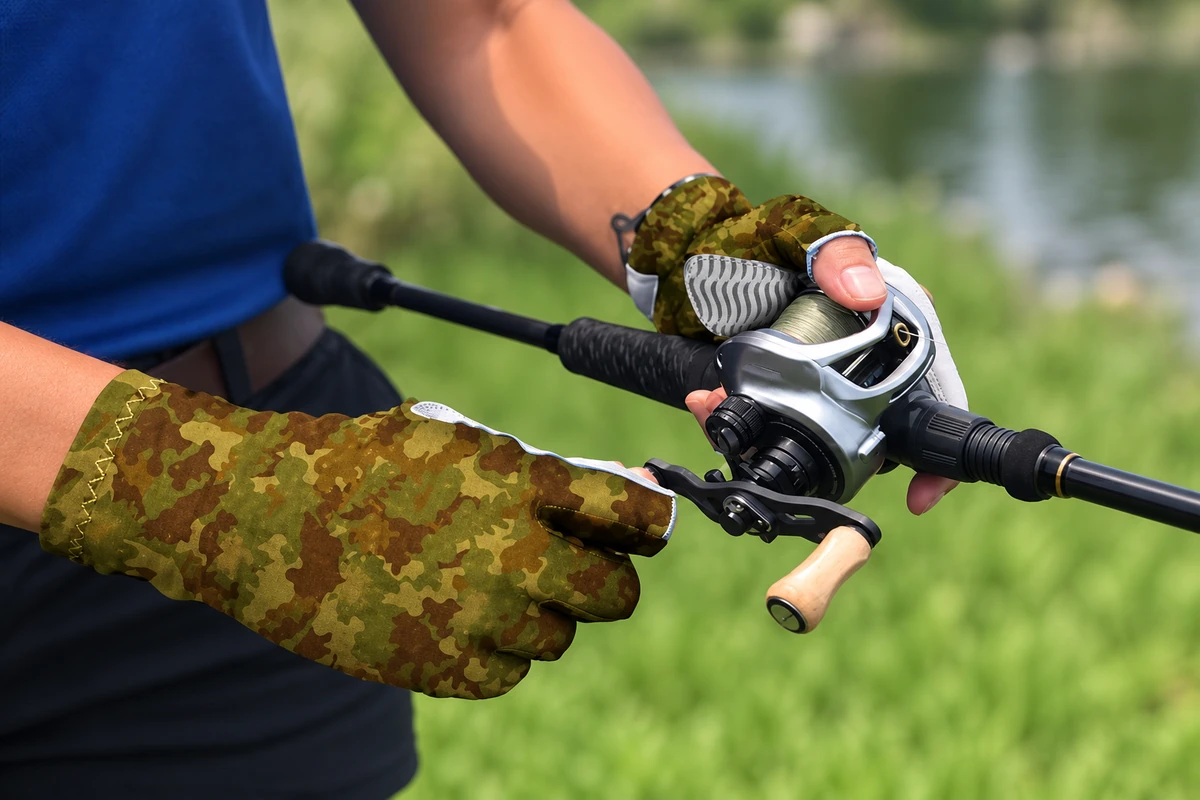
Map Rod, Reel, Line, and Wet-Object Contact Zones
Map palm, thumb and finger contact with the rod, reel controls, line and wet objects to plan reinforcement and surfaces. Check wet grip and durability on the finished sample under the buyer’s intended conditions.
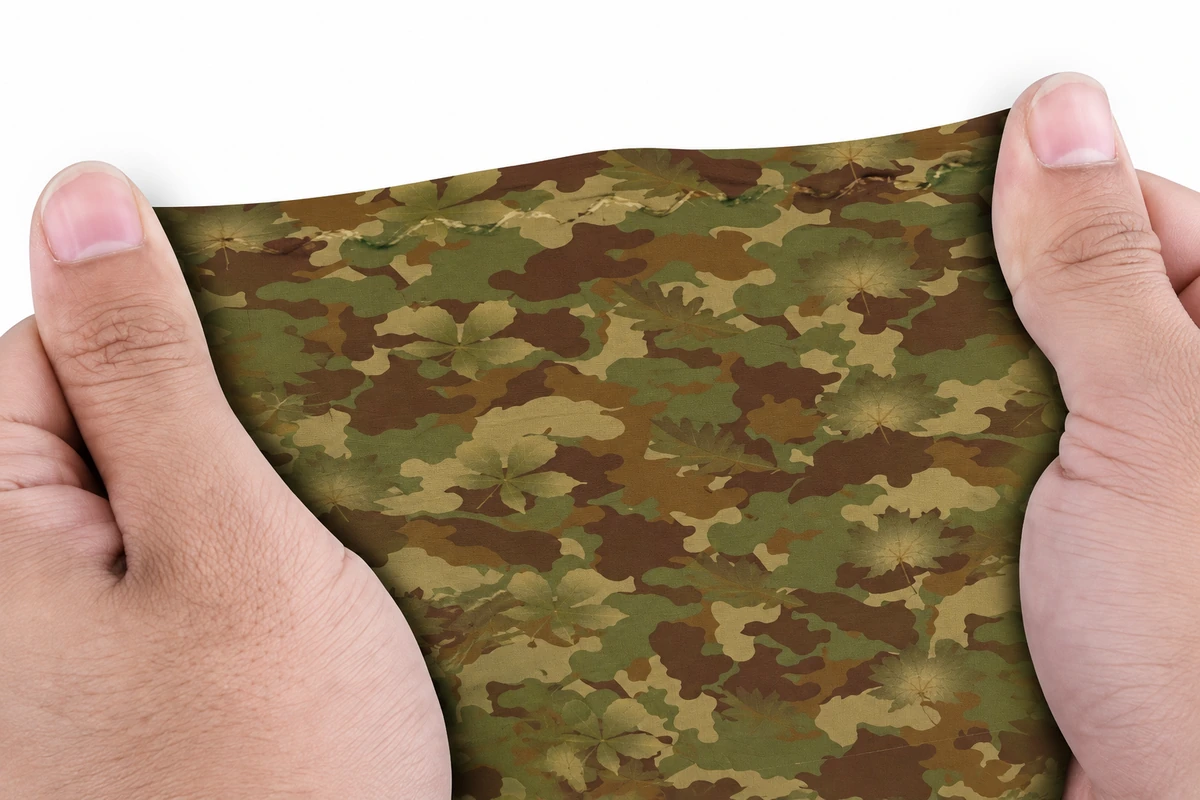
Build the Material System Around the Conditions
Select the shell, palm or reinforcement, optional membrane, and lining as one construction. Each layer can affect bulk, flexibility, drying, warmth, and price.
- Nylon Shell Direction
For lightweight, flexible glove designs, specify fabric construction, weight, color, stretch, and finish. Performance depends on the selected fabric and complete glove. - Leather Palm or Reinforcement Direction
For a defined palm or wear-zone structure, confirm leather type, thickness, coverage, seam layout, care, and sample feel before bulk approval. - Waterproof Membrane Direction
Weather-oriented projects considering an internal barrier layer. A membrane alone does not guarantee a waterproof glove; seams, openings, construction, and finished-product testing matter. - Thermal Lining Direction
For added warmth in cooler conditions, confirm the lining type and thickness on the complete sample; both can affect dexterity, drying, fit, and size grading.
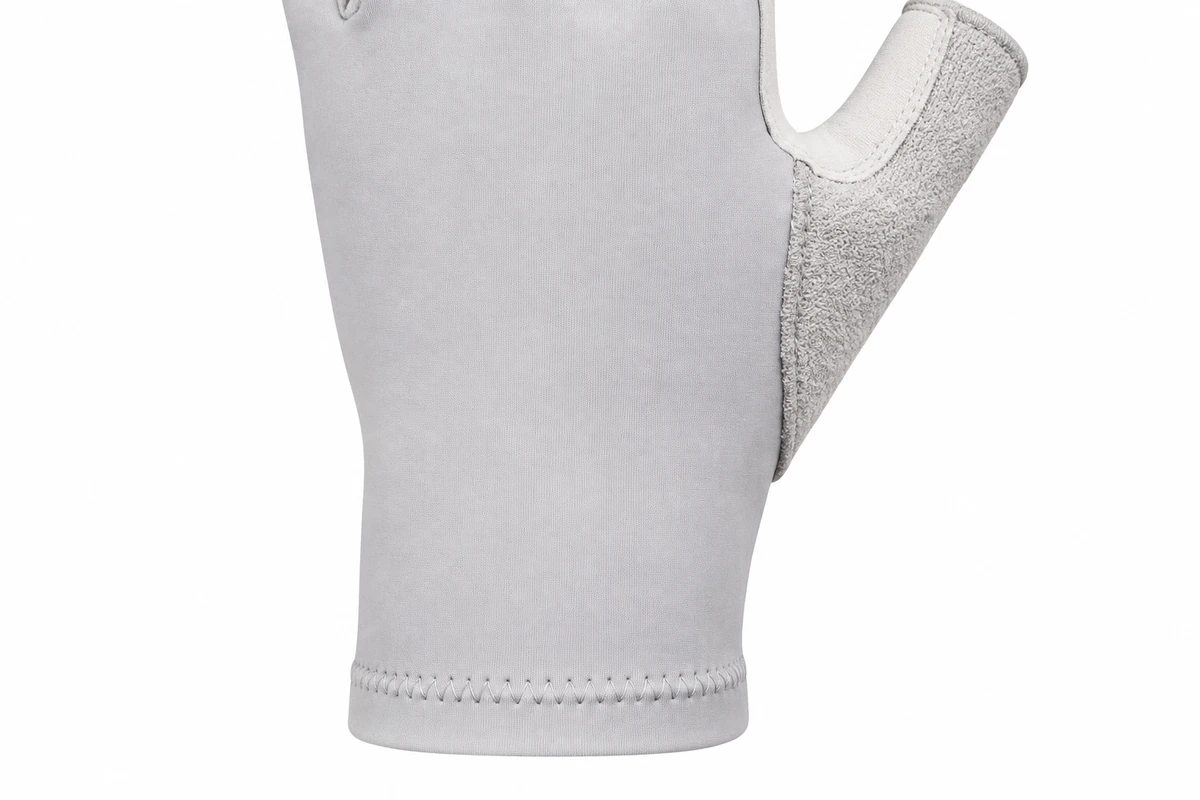
Match the Logo Method to the Glove Surface
Choose the Logo process after the panel material, placement, dimensions, colors, and expected flex are known. Final appearance is approved on a sample.
- Screen Printing
Simple graphics on suitable flat fabric areas. Ink, color count, panel texture, flex, and print size must be sampled. - Heat Transfer
Multicolor artwork on surfaces compatible with heat and pressure. Confirm film, edge appearance, adhesion, placement, and material heat tolerance. - Hot Press or Embossing
For a compatible panel or surface. Approve tooling, pressure or heat response, placement and finish. - Embroidery
Thread branding on panels that can support stitch density and backing. Check bulk, interior feel, small-detail limits, placement, and panel stability. - Silicone Printing
Raised or tactile marks on approved surface areas. Confirm thickness, shape, adhesion, flexibility, and whether the mark affects hand contact. - Sublimation
All-over or panel graphics on compatible printable fabrics. Artwork resolution, fabric composition, panel alignment, and color approval are required.
Related Custom Products
Compare related gloves for wet-weather and outdoor applications.
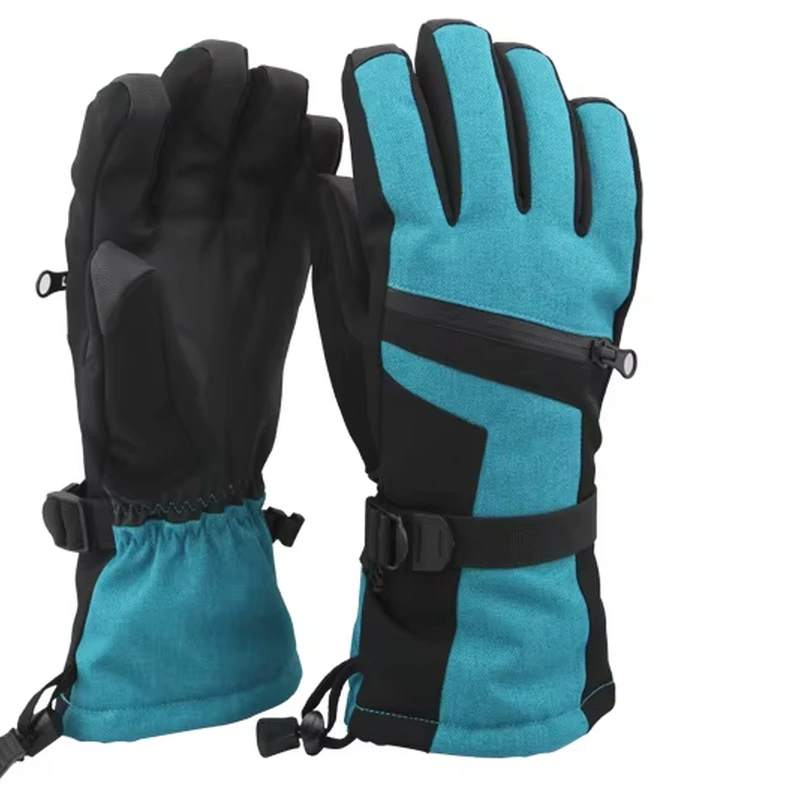
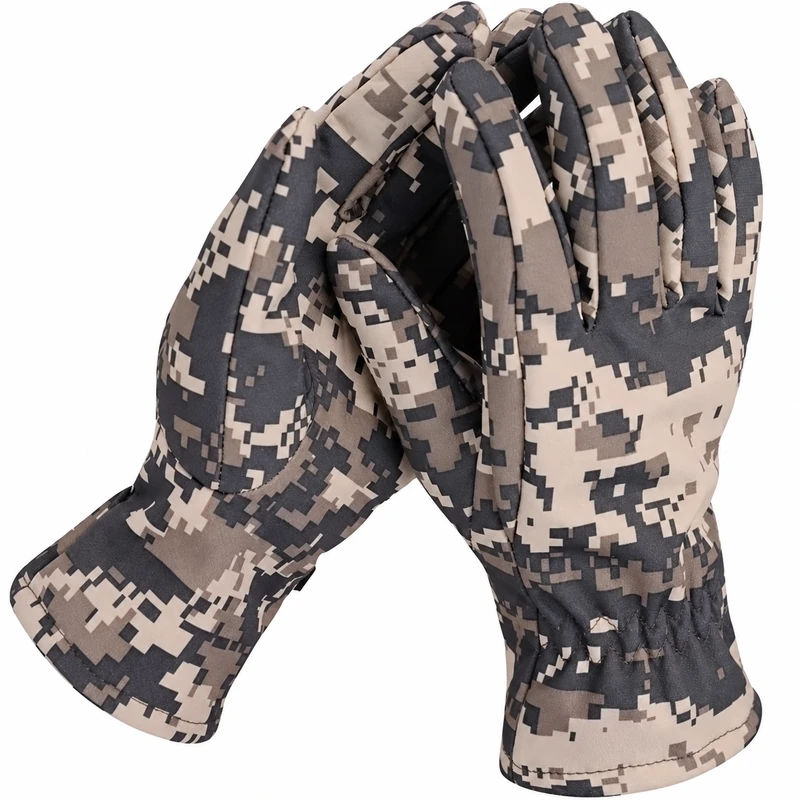
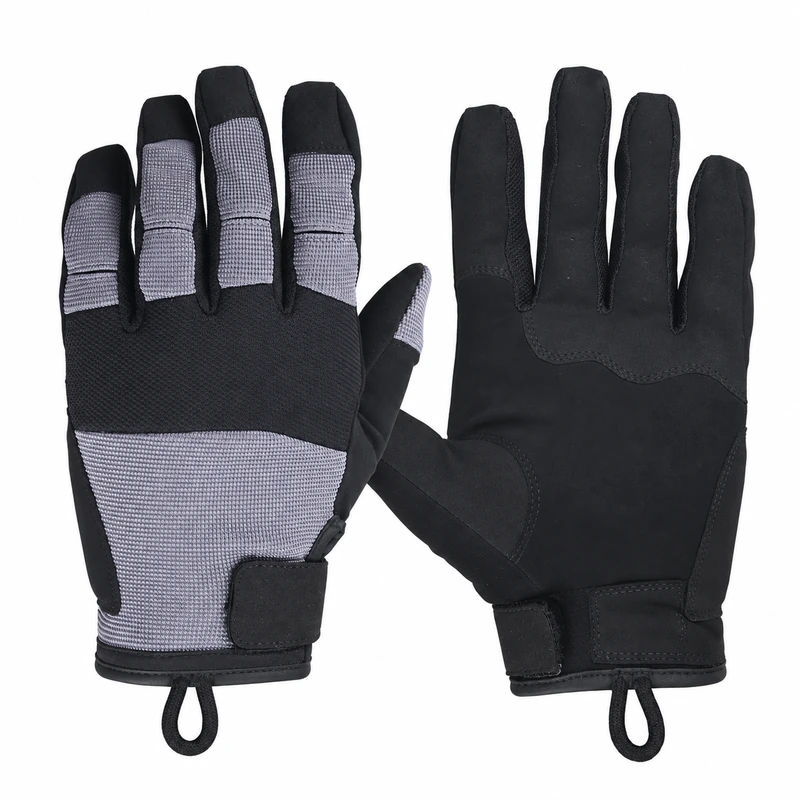
Approve the Sample With Fishing Movements
Test the sample with the intended rod, reel controls, line tasks, wet objects and wrist movements. Approve finger openings, palm folds, seam pressure, cuff hold, logo appearance and specified touchscreen or weather features as the production reference.
Request a Fishing Glove Quote
Send your fishing use, finger coverage and quantity for review.
Request a Quote