
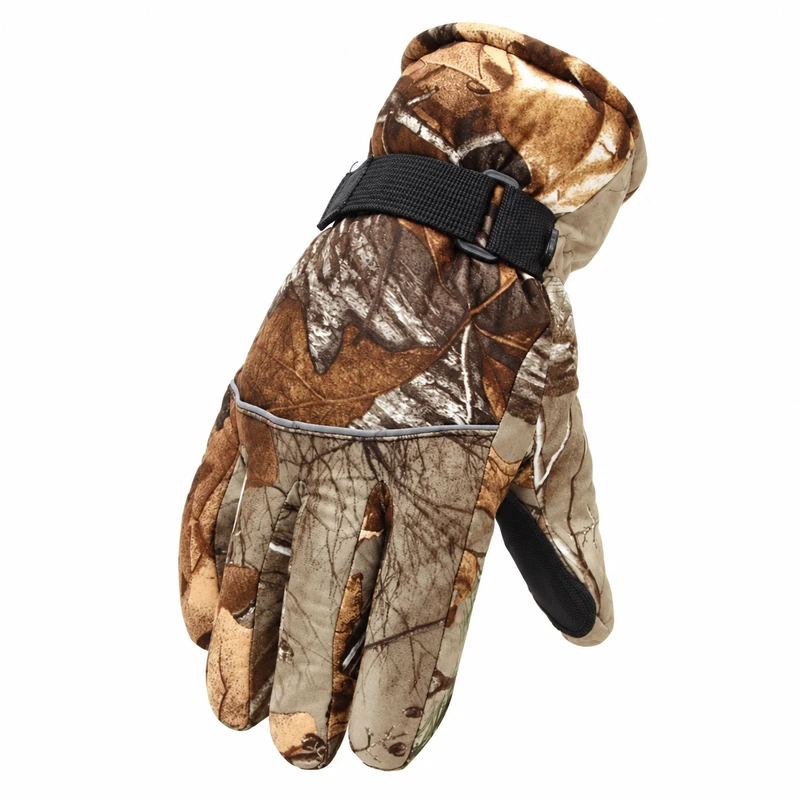
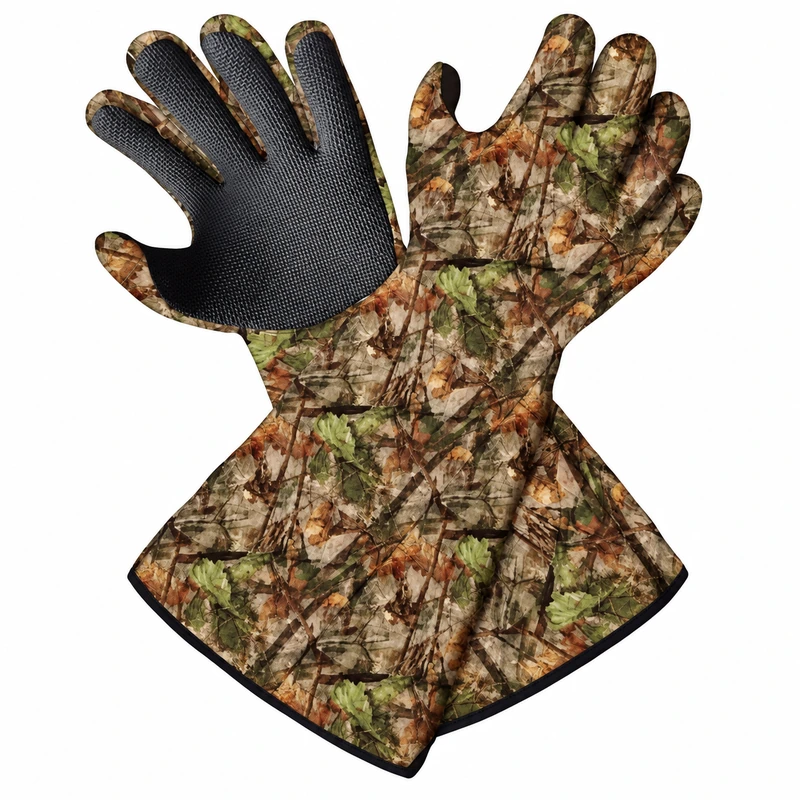
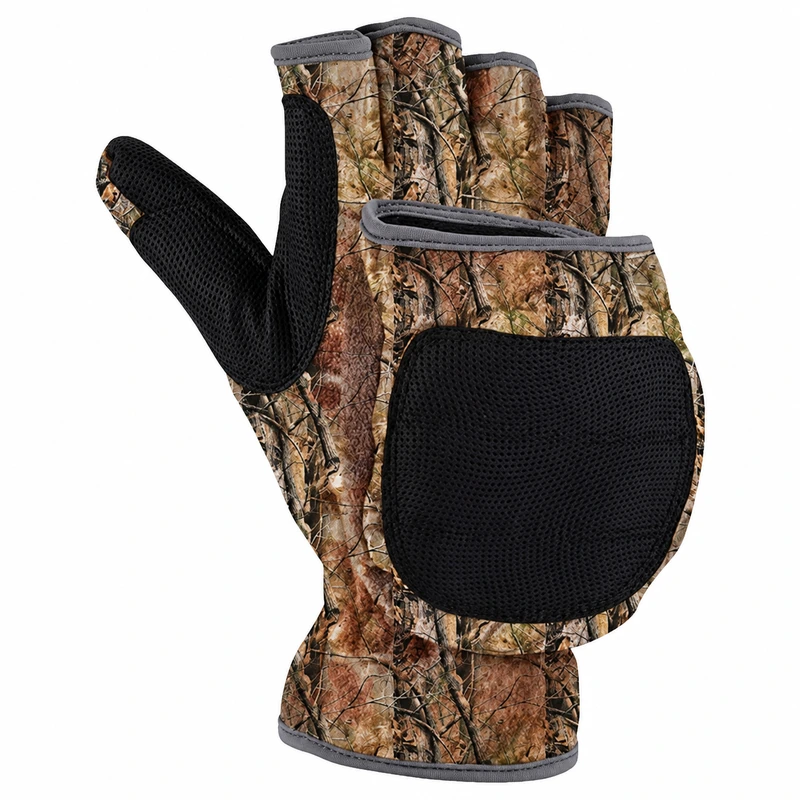
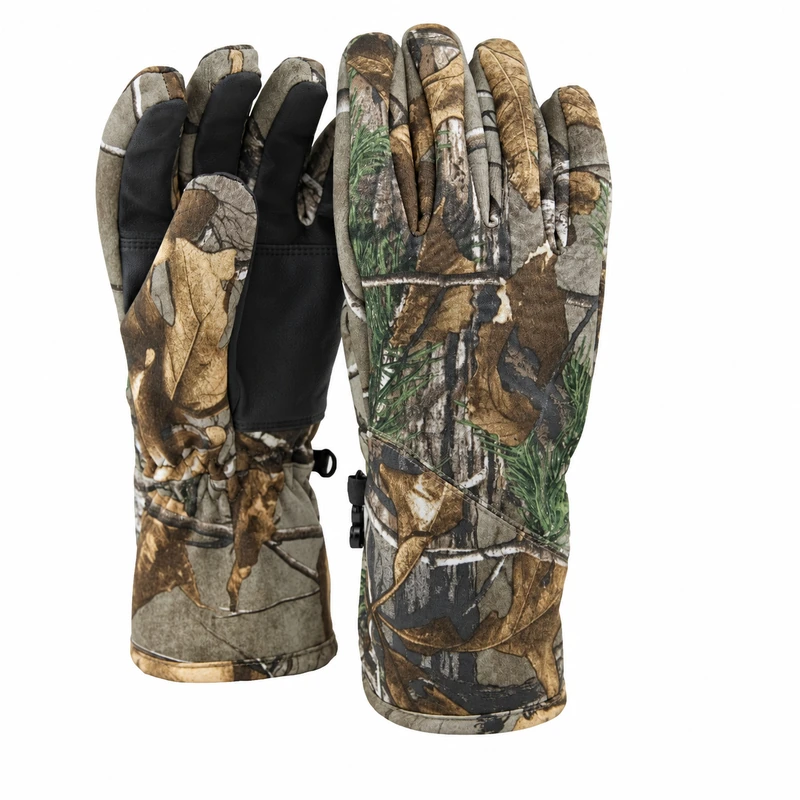
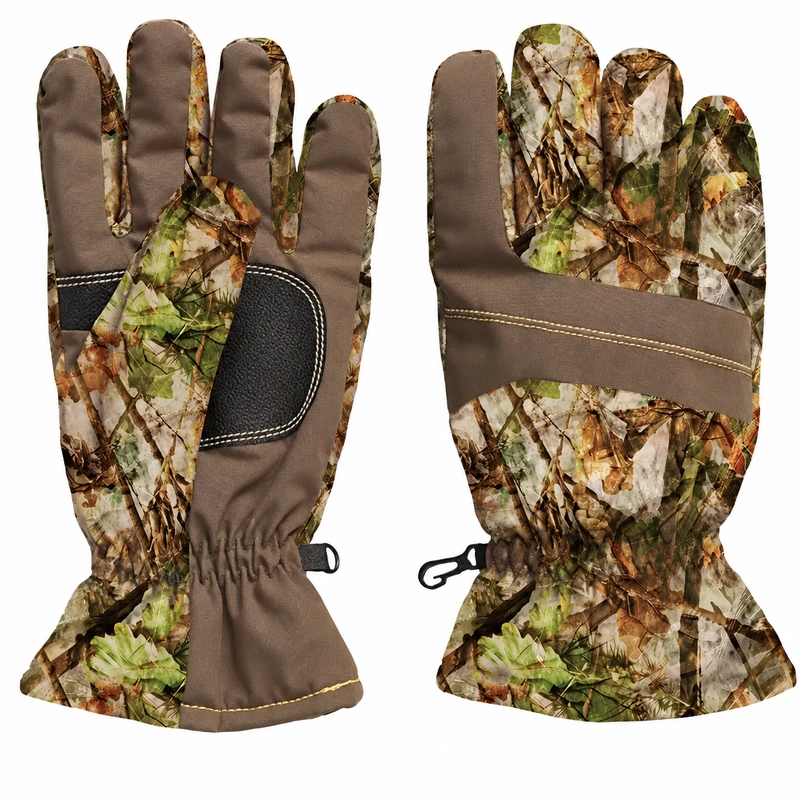
Custom Hunting Gloves
Custom hunting gloves for active movement, stationary waits, and field equipment handling. Review finger coverage, fit, weather layers, cuff, colors, and branding against the intended season and tasks.
- Material: Nylon, leather, waterproof membrane, or thermal lining directions
- Coverage: Full-finger, half-finger, or partial-open directions
- Size: S–XXL, special sizes, and buyer-defined measurements
- Brand: Custom colors, Logo methods, labels, and private-label details
- Packaging: OPP bag, paper or hanging card, inner box, carton label, or gift box
Final performance, timing, and price depend on the approved construction, sample, quantity, and testing requirements.
Request a Quote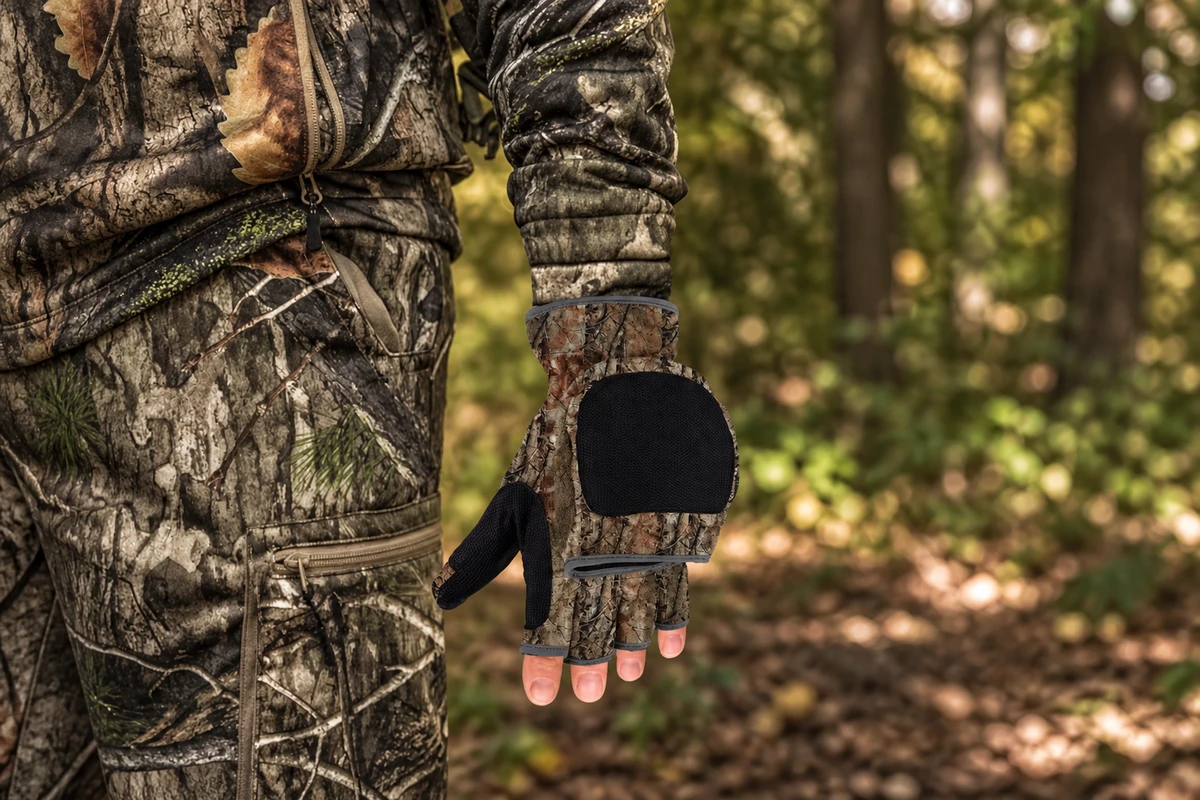
Choose by the dominant field activity
Active movement: Balance coverage, flexibility and moisture comfort for walking, climbing or frequent handling. Stationary waiting: Review insulation, finger space, cuff overlap and exposure time together. Small controls and equipment: Check finger access, seam feel, material noise and visual requirements with the intended equipment.
Custom Finishing for Hunting Gloves
Our leather and textile team supports the sewn construction and restrained brand details of hunting-glove projects.
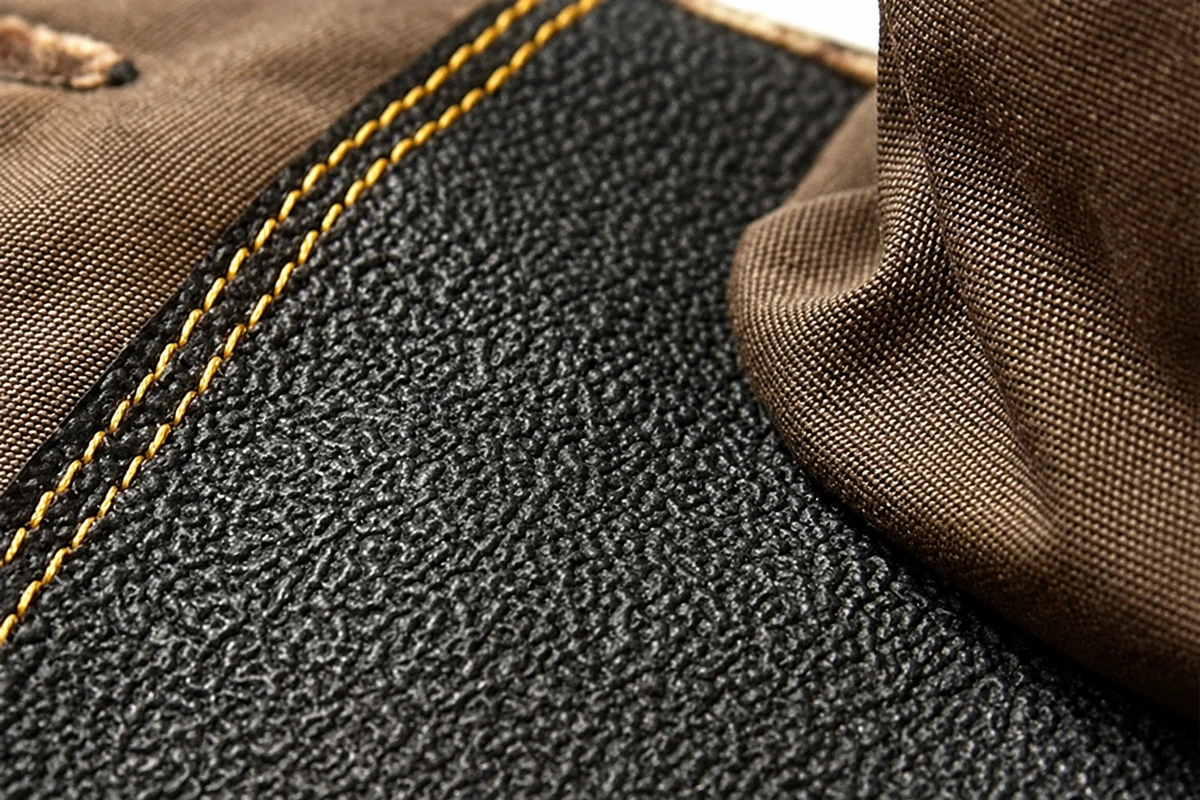
Textile, Leather and Lining Assembly
GloveWise can coordinate textile, leather components and lining in one assembly plan, with cutting and sewing matched across material joins.
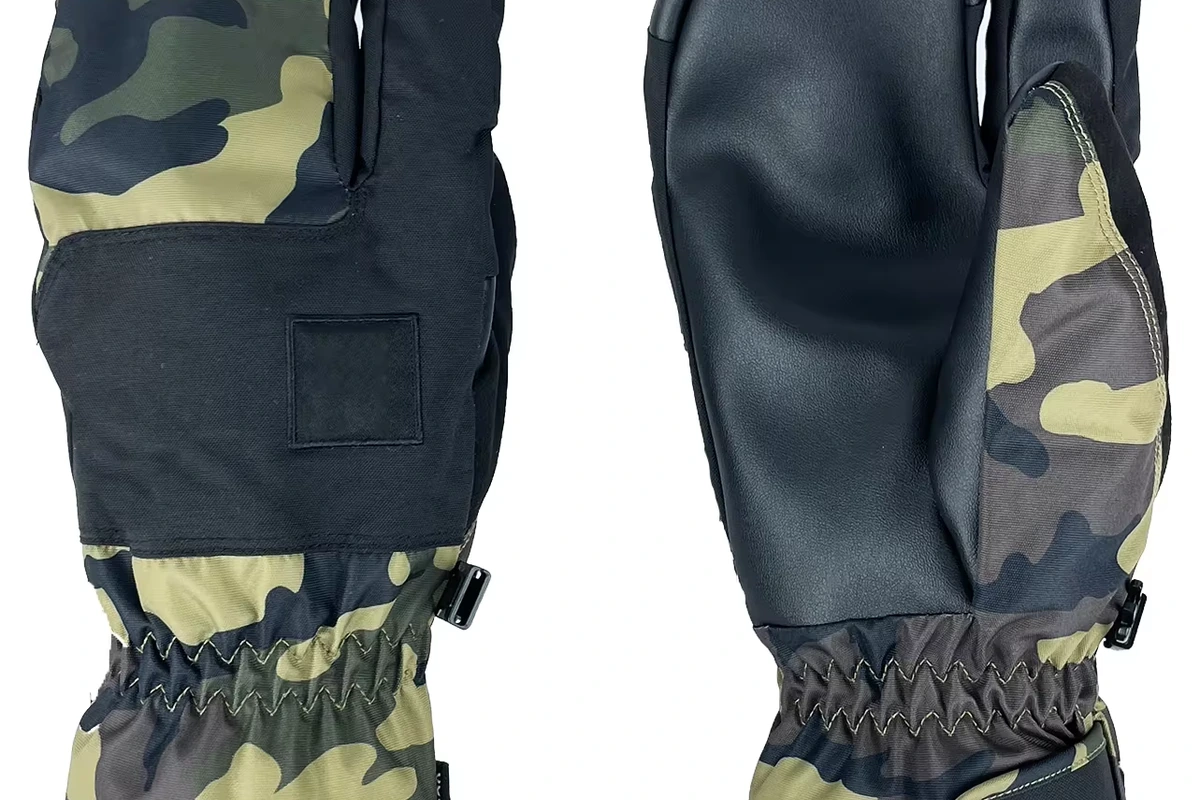
Tone-on-Tone Brand Detail
Matching embroidery thread on a compatible area can add subtle texture while keeping the glove’s colors restrained.
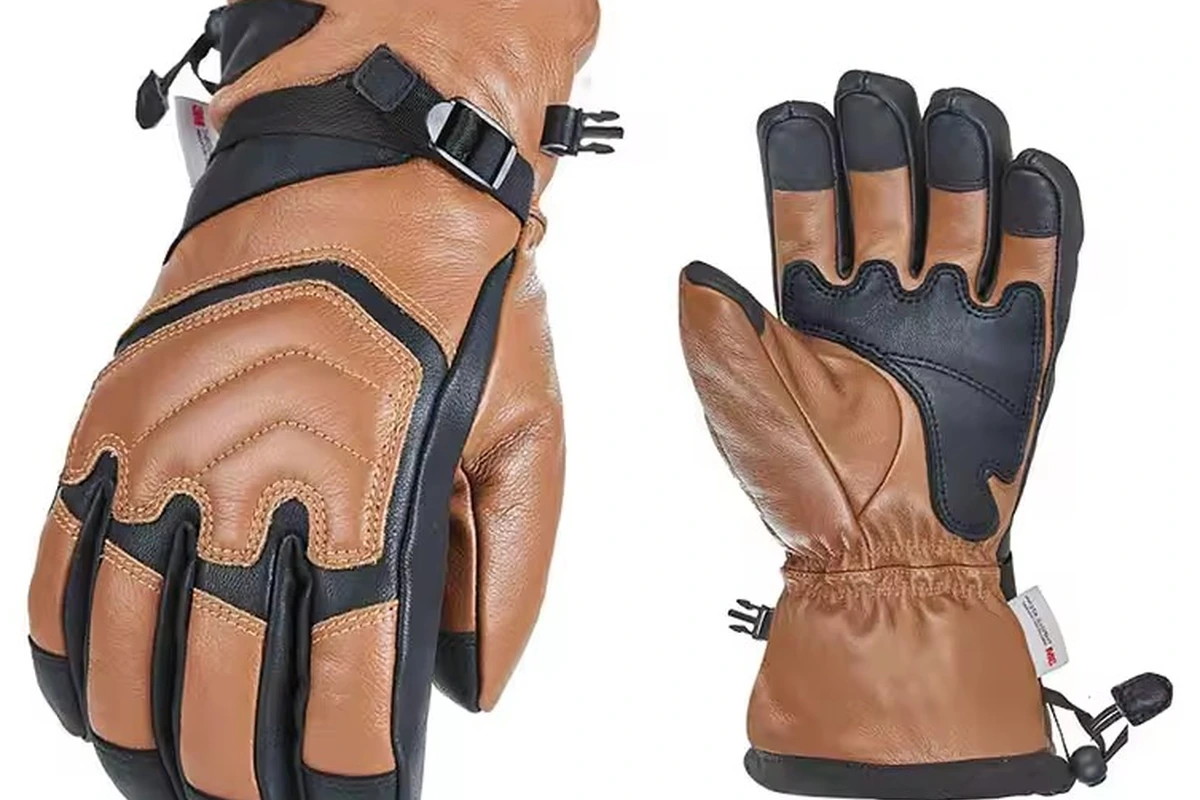
Recessed Leather Logos
In-house stamping can add a recessed logo on suitable leather as an alternative to contrasting print.
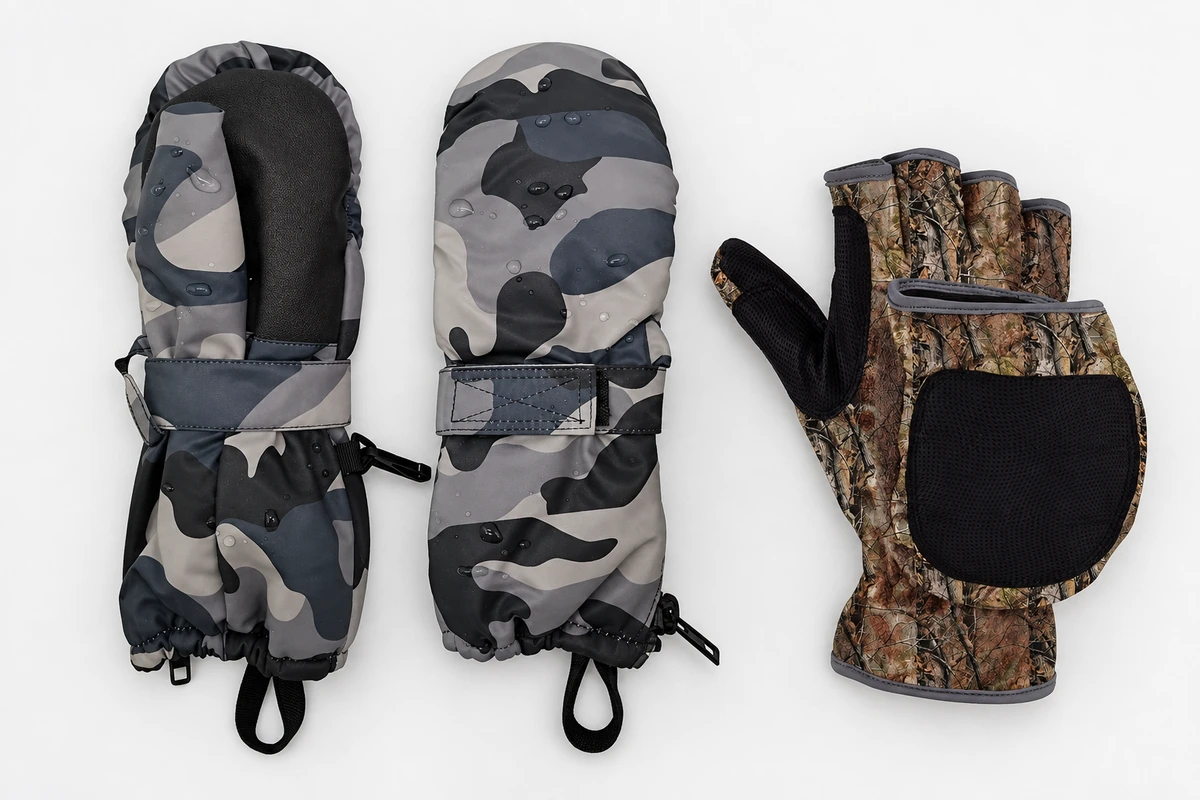
Build the Glove Around the Hunting Phase
Active movement and long stationary waits can need different bulk, coverage and weather layers. Define the main activity before sampling.
- Active Movement Profile
For walking, climbing, packing, and frequent hand use, prioritize movement and heat management. Confirm coverage, grip contact, durability, and weather exposure on the sample. - Stationary Waiting Profile
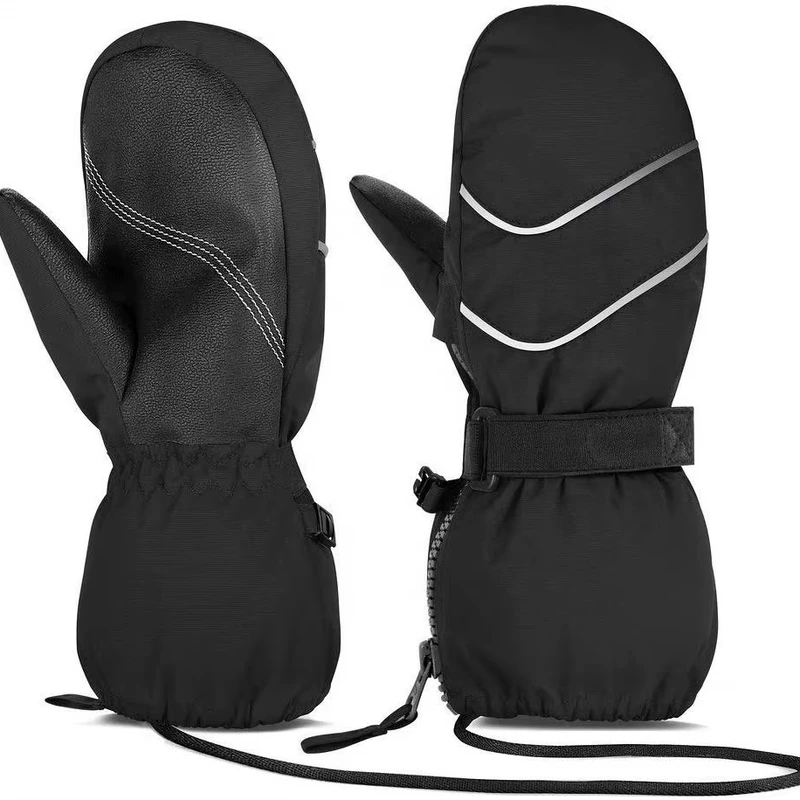
For extended stationary use in cooler conditions, compare lining and coverage without assuming warmth. Bulk, dexterity, cuff sealing, and target temperature require field evaluation. - Equipment-Handling Profile
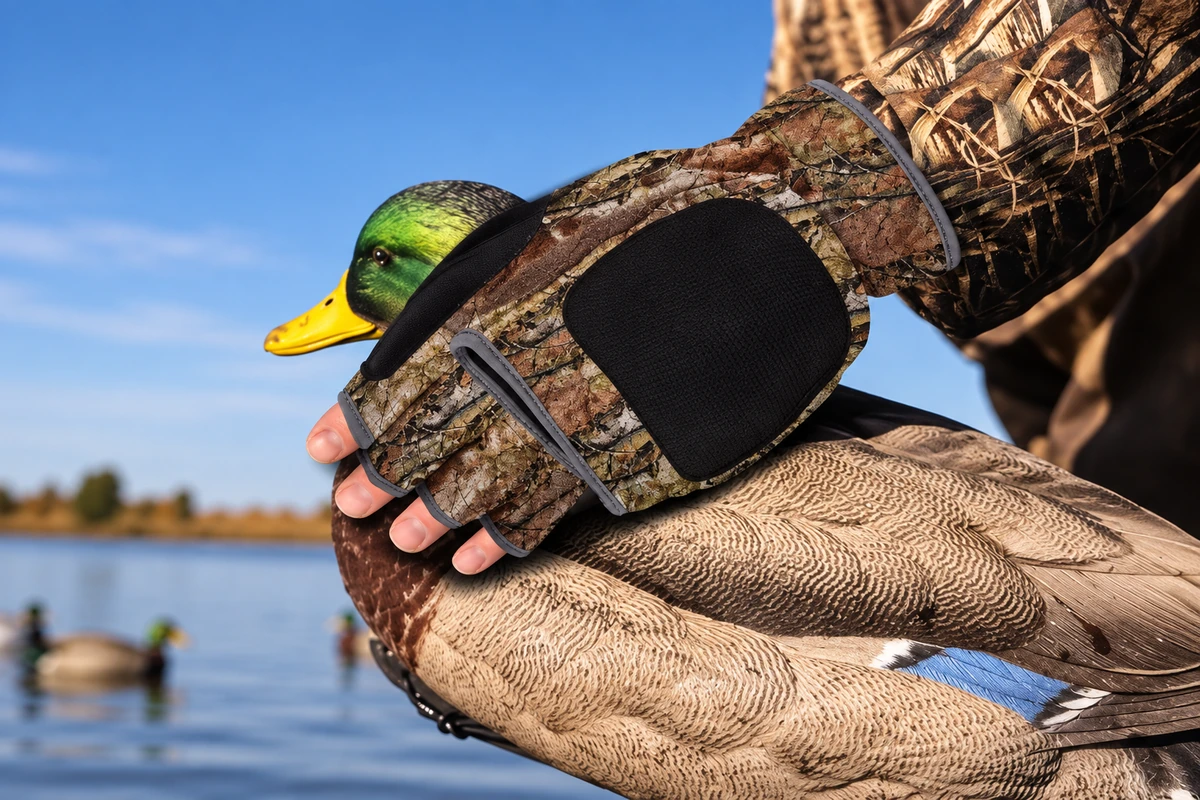
For optics, calls, packs, controls, and other small field tasks, map thumb and finger contact. Check fingertip length, seam placement, palm bunching, and any touchscreen direction. - Mixed-Condition Profile
For ranges expected to cover movement, waiting, and changing weather in one product route, define the main compromise and approval conditions. Do not claim that one construction performs equally in every phase.
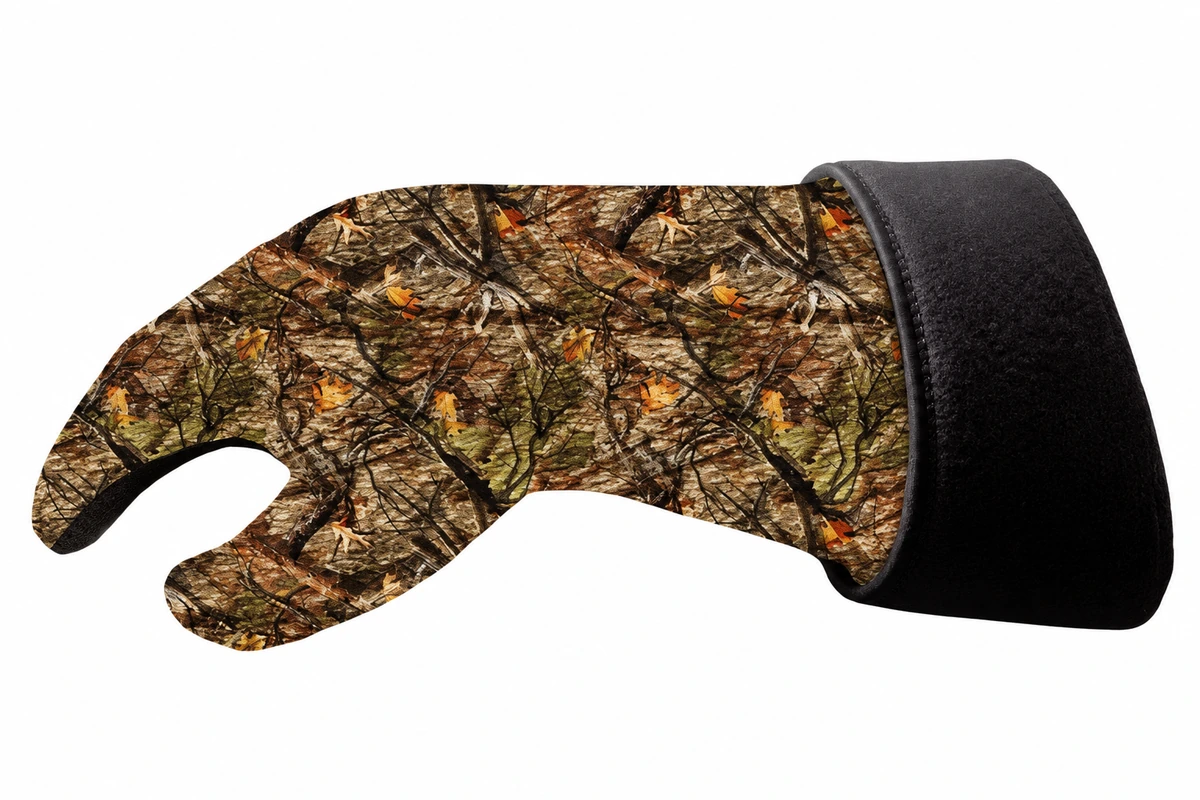
Grade the Fit for Equipment and Small Controls
Build sizing from hand measurements and intended movements. A close fit can support control, but the complete glove must allow entry, flex, layering and cuff movement.
- Palm Circumference
Confirm the measurement method, then test tightness and bunching during grip and flex to balance close control with comfortable entry. - Finger Length
Specify finger proportions by size and check fingertip space, reach and movement. - Overall Length
For hand coverage and outer-garment transitions, measure from the agreed reference point and confirm comfortable wrist movement. - Wrist Opening
For elastic, hook-and-loop, or other adjustable cuffs, check entry, closure range, hardware placement, layering interface, and pressure during repeated flexion. - S–XXL Range
For standard multi-size retail programs, approve the size chart and order ratio; final increments depend on the confirmed pattern and construction. - Special Sizes
Send hand measurements, a size chart or a reference glove. Pattern changes, MOQ, cost and timing need review.
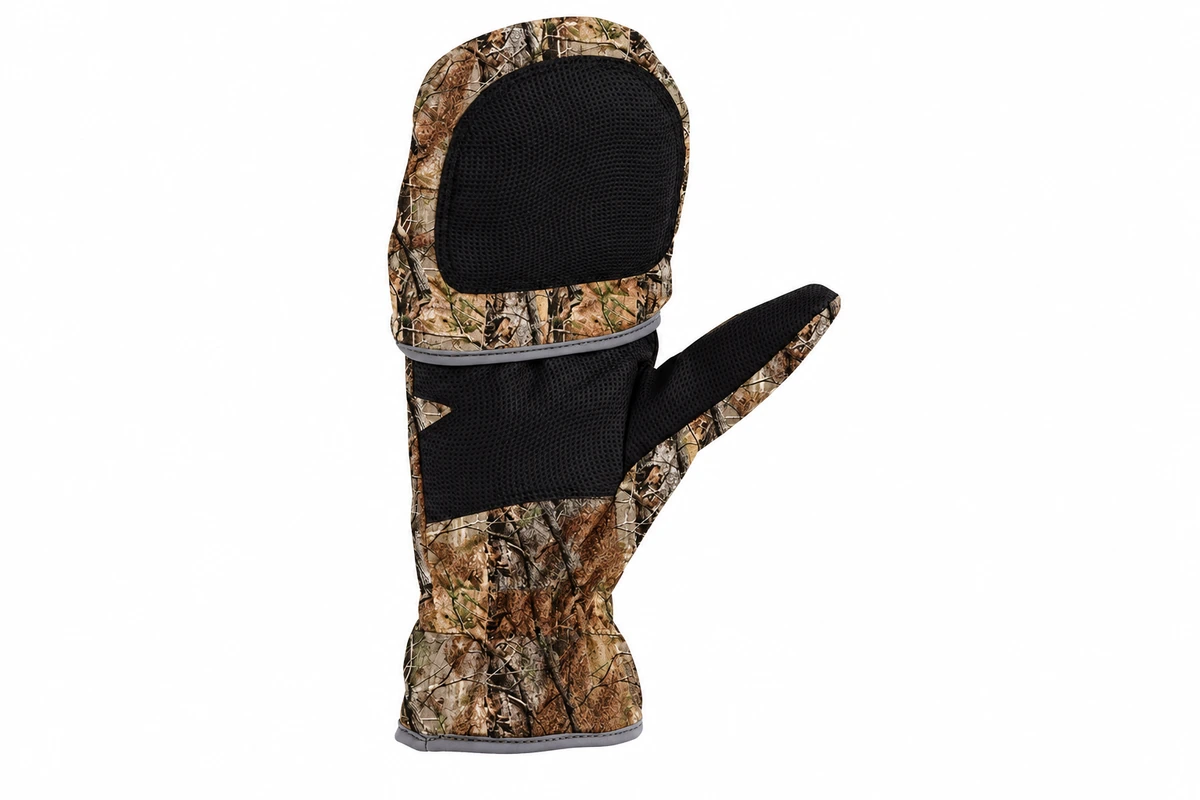
Choose Finger Coverage by the Required Access
Choose coverage by the fingers needing direct contact, exposure time, and required weather or thermal layers. Confirm every opening on the physical sample.
- Full-Finger Coverage
For broader coverage in cooler or exposed conditions, check fingertip length, small-control feel, seam location, layering bulk, and any touchscreen requirement. - Half-Finger Coverage
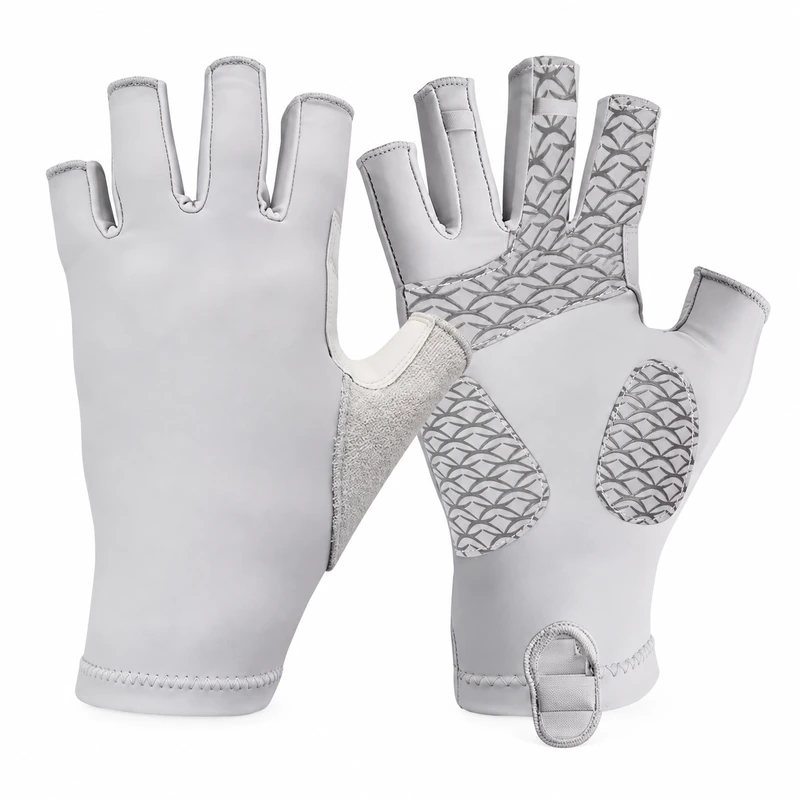
For direct access across several fingers, confirm the cut line, edge finish, pressure points, retained coverage, and suitability for the target weather. - Partial-Open Finger Direction
For selected fingertip access while other fingers stay covered, specify which fingers open, the opening method, closure stability, and security during movement.
Build the Material System Around the Exposure
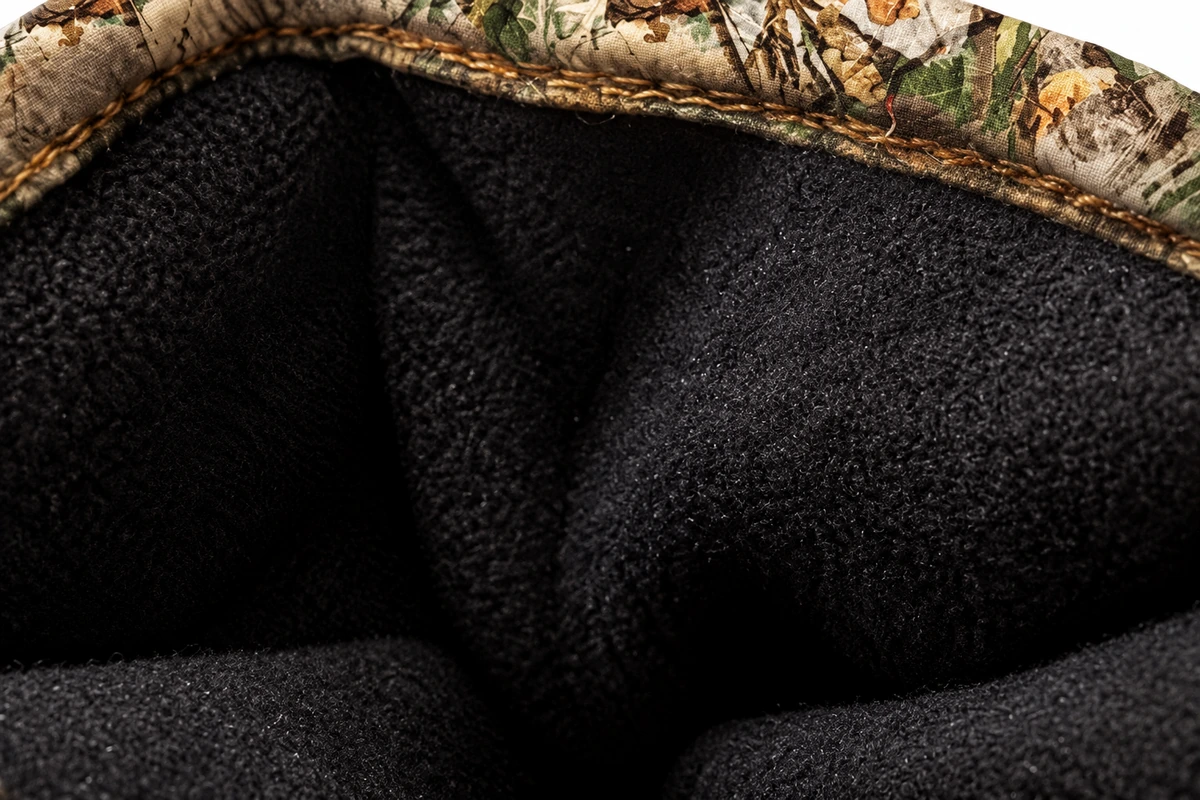
Treat the shell, palm or reinforcement, optional membrane, lining, seams, and cuff as one construction. Each part can affect bulk, movement, drying, warmth, and price.
- Nylon Shell Direction
For outdoor designs that need a flexible fabric base for movement and color development, specify construction, weight, stretch, finish, and color. A material name alone does not prove field performance. - Leather Palm or Reinforcement Direction
For a defined palm or wear-zone structure, confirm leather type, thickness, coverage, seams, care, and sample feel before bulk approval. - Waterproof Membrane Direction
Weather-oriented projects considering an internal barrier layer. A membrane alone does not guarantee a waterproof glove; seams, openings, cuff, construction, and finished-product testing matter. - Thermal Lining Direction
For cooler conditions requiring an added inner layer, test the lining type and thickness on the complete sample; both can affect dexterity, sound, drying, fit, and size grading.
Set the Visual and Brand Direction
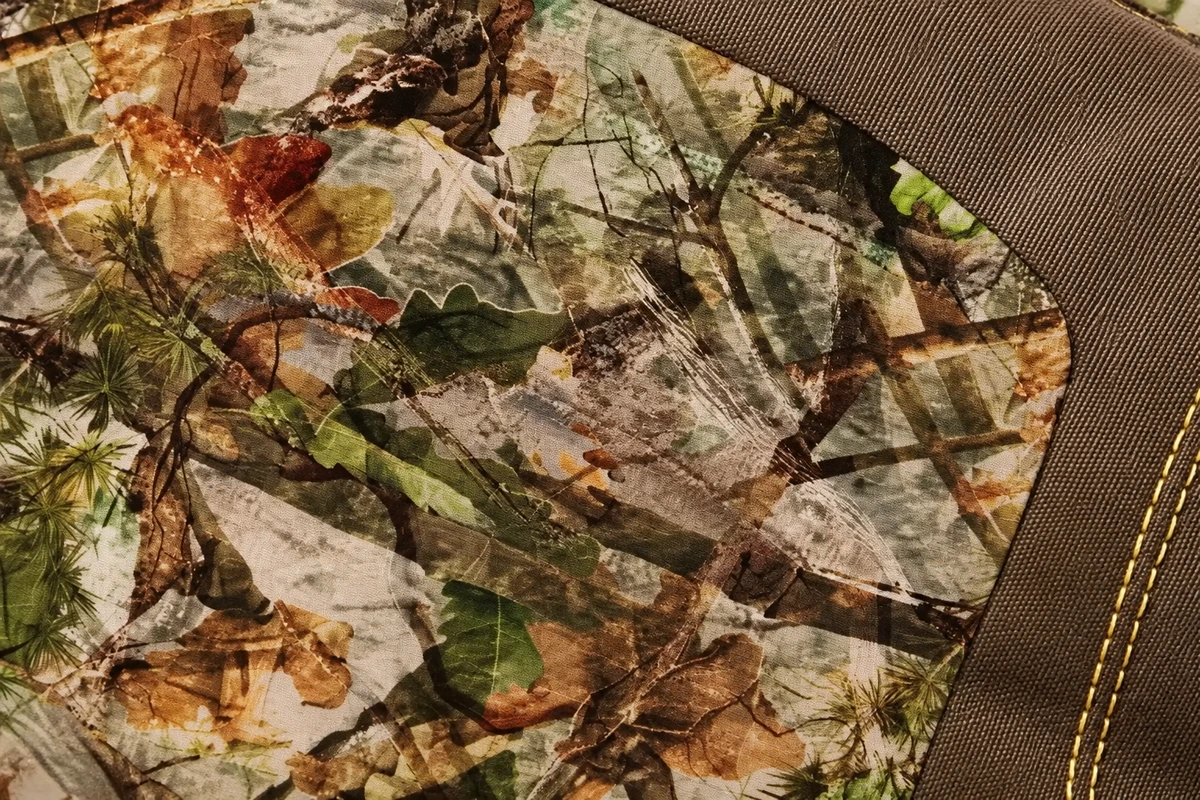
Define the environment, retail identity, and approved color references before choosing panel colors and Logo treatment. Confirm appearance on the actual materials.
- Fabric Color
For gloves coordinated with an outdoor collection, supply an approved reference and check how construction, finish, and production method affect the color. - Stitching Color
For tonal or contrast seams, review thread shade, seam visibility, abrasion exposure, and batch consistency on the sample. - Logo Color
For a clear private-label mark, confirm artwork, color count, dimensions, placement, base material, and application method before sampling. - Overall Color Scheme
For shell, palm, cuff, thread, and Logo colors, approve the complete scheme on one sample; individual swatches do not show the finished balance.
Related Custom Products
Compare related gloves for outdoor, weather-exposed, and field applications.
Approve the Sample With Field Movements
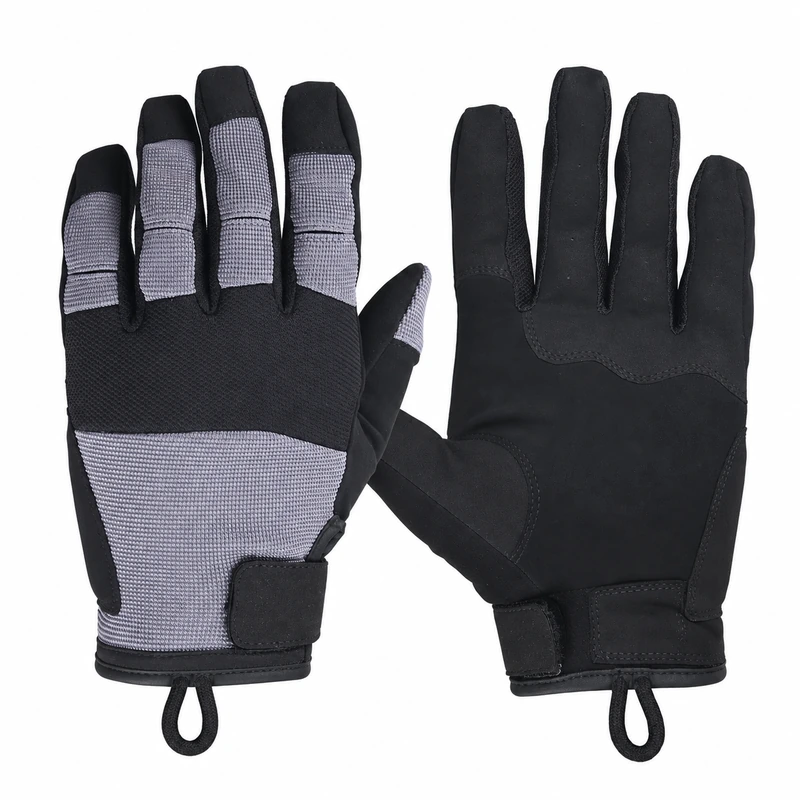
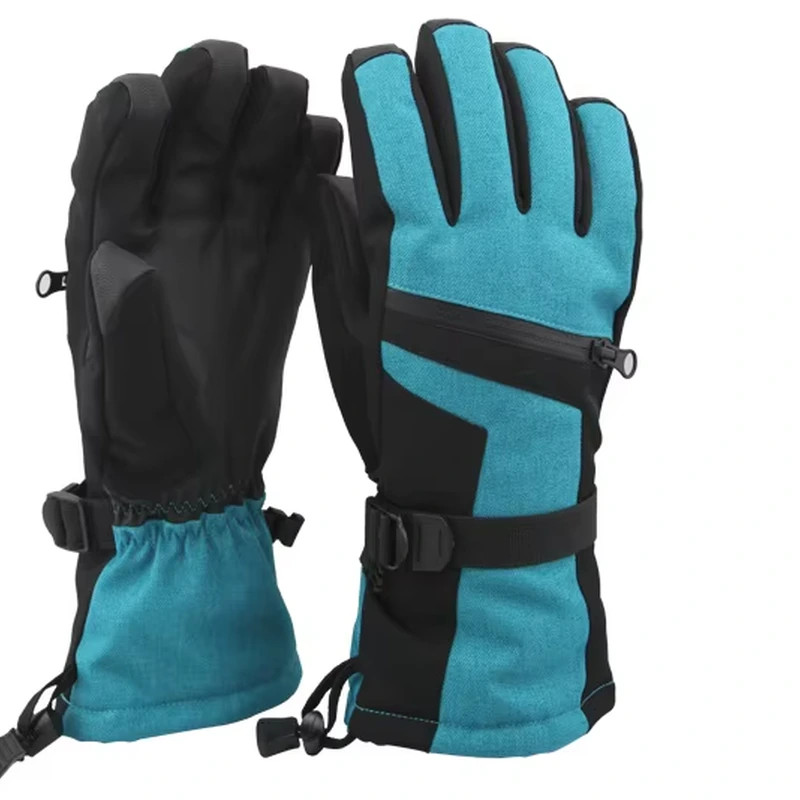
Test the sample with the intended grip, optics, calls, packs, small controls, layers and wrist movements. Check fingertip space, finger access, palm folds, seam pressure, cuff fit, appearance, material noise and specified weather or touchscreen features before approving the production reference.
Request a Hunting Glove Quote
Share your hunting conditions and quantity to discuss options.
Request a Quote