
Custom Gardening Gloves
Gardening gloves customized to your materials, palm grip, sizing and branding requirements.
- ✓ Gloves for Your Task
- ✓ Sample Fit & Grip Checks
Choose by gardening task and user
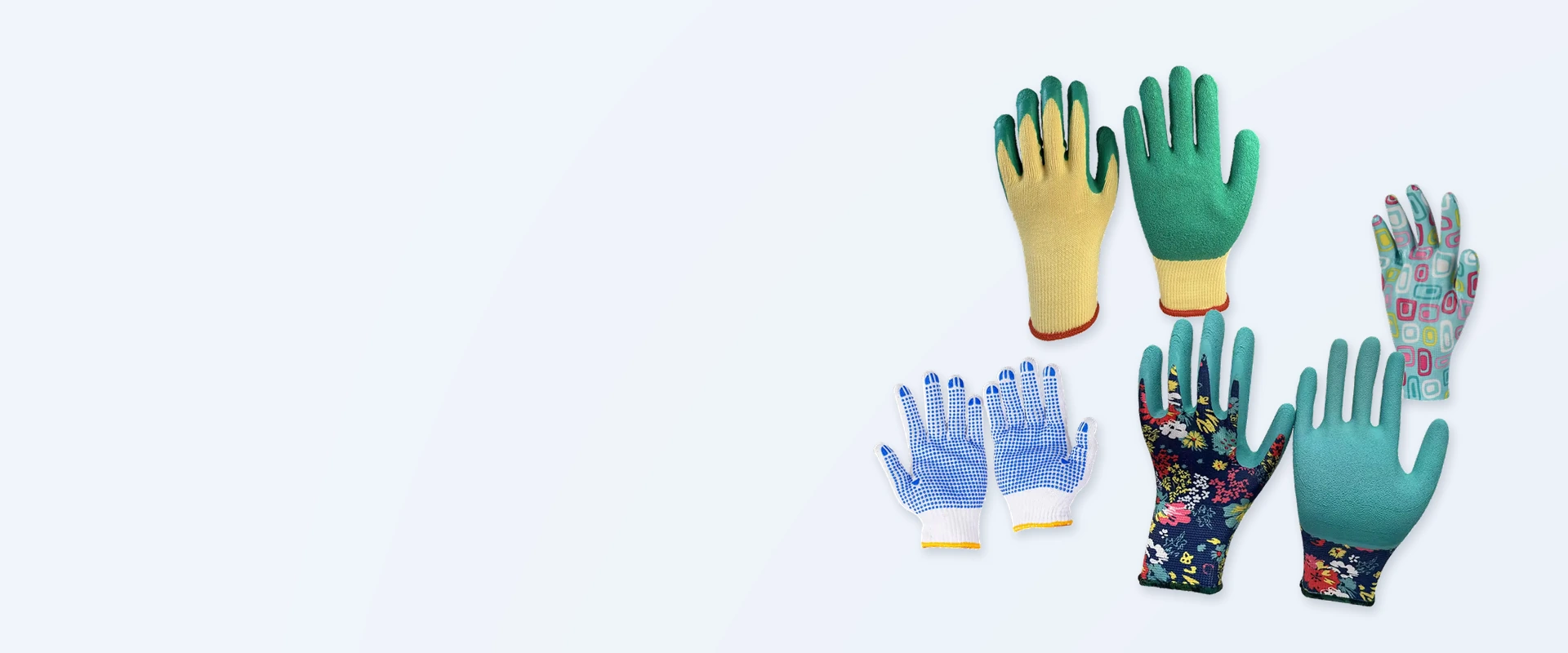
Discuss cotton, polyester, PVC-dot or nitrile-coated options for your project. Bamboo-source composition, coating production scope and children’s-market requirements are confirmed for the actual product.
Six Decisions That Shape a Gardening Glove Project
Define the gardening task, construction, sizing, branding, and order conditions together before sampling.

1. Gardening Task
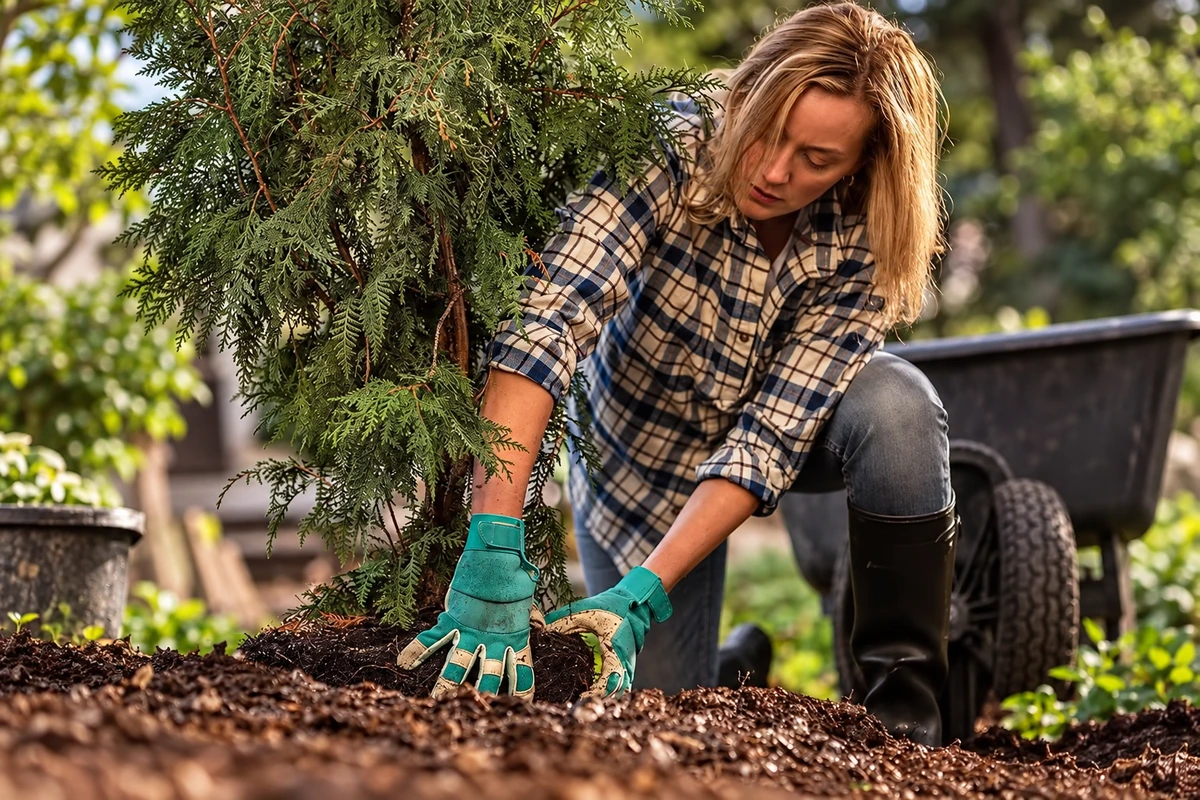
Separate potting, planting, weeding, light pruning, and tool handling because each creates different contact and movement needs.

2. Soil and Plant Contact
Describe dry or damp soil, rough stems, light thorns, sap, and any chemical exposure instead of assuming one glove suits all tasks.

3. Liner or Shell
Compare cotton, polyester, or a documented bamboo-derived textile route based on hand feel, flexibility, availability, and project position.

4. Palm and Grip
Select PVC dots, a nitrile-coated direction, or another reviewed palm build based on grip, coverage, moisture, and expected wear.

5. Fit and Cuff
Confirm adult or kids' measurements, finger length, wrist security, cuff entry, size range, and the quantity ratio by size.

6. Branding and Packing
Match color, print, logo, labels, hang cards, pair packing, and carton marks to the material, artwork, market, and quantity.
Choose the Gardening Glove Route for the User
Choose the route by gardening task and target user, then refine material, palm treatment, fit, cuff, artwork, labels, and packing.
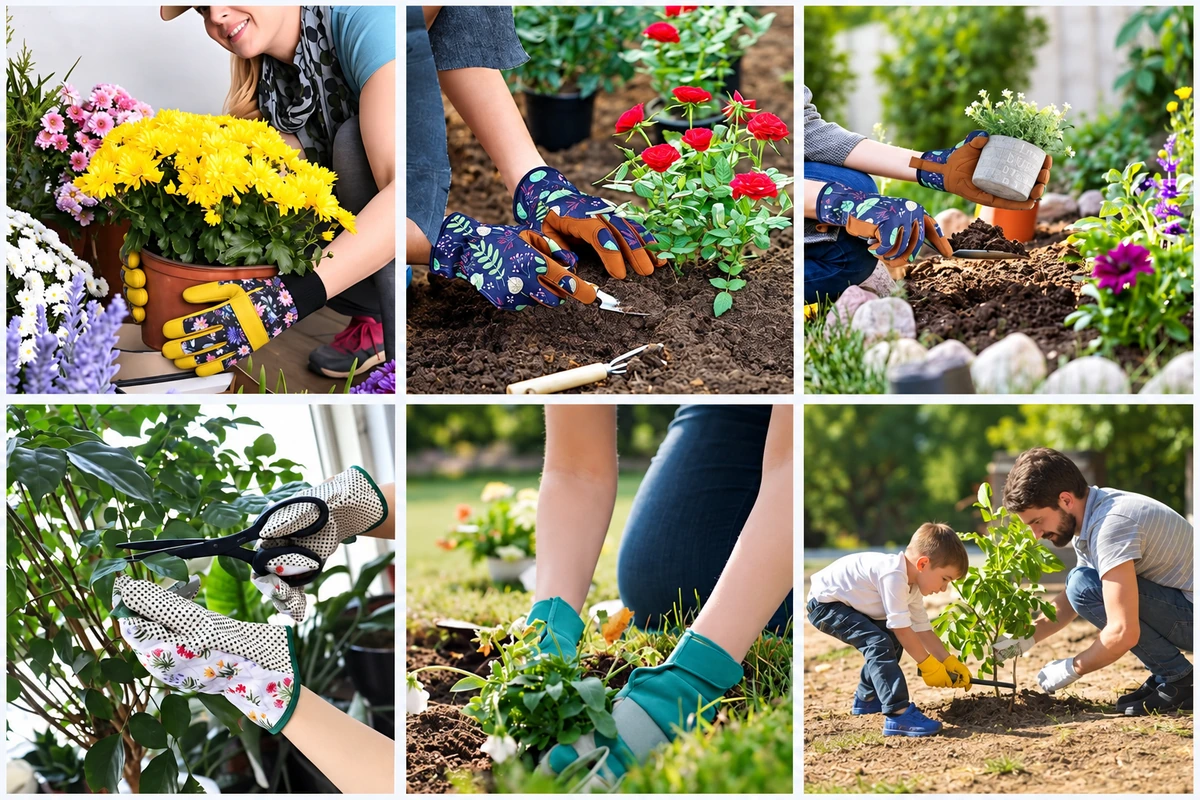
Match the Glove to the Gardening Task
A glove for potting does not automatically suit wet soil, rough stems, thorny plants, or pesticide handling. Define the task, contact, moisture, duration, and required movement before selecting a sample construction.
- Potting and Planting
Favor finger movement, soil handling, and a secure cuff for seeds, pots, seedlings, and light tools. - Weeding and Damp Soil
Review palm coverage, wet-soil grip, cuff entry, liner stability, and how the glove will be cleaned or reused. - Pruning and Rough Plants
Map the actual contact areas and verify any thorn, abrasion, or reinforcement target on the finished glove. - Pesticide Boundary
Ordinary garden gloves are not automatically chemical PPE; follow the pesticide label and confirm the specified glove material separately.
Choose the Liner, Palm, and Grip as One Build
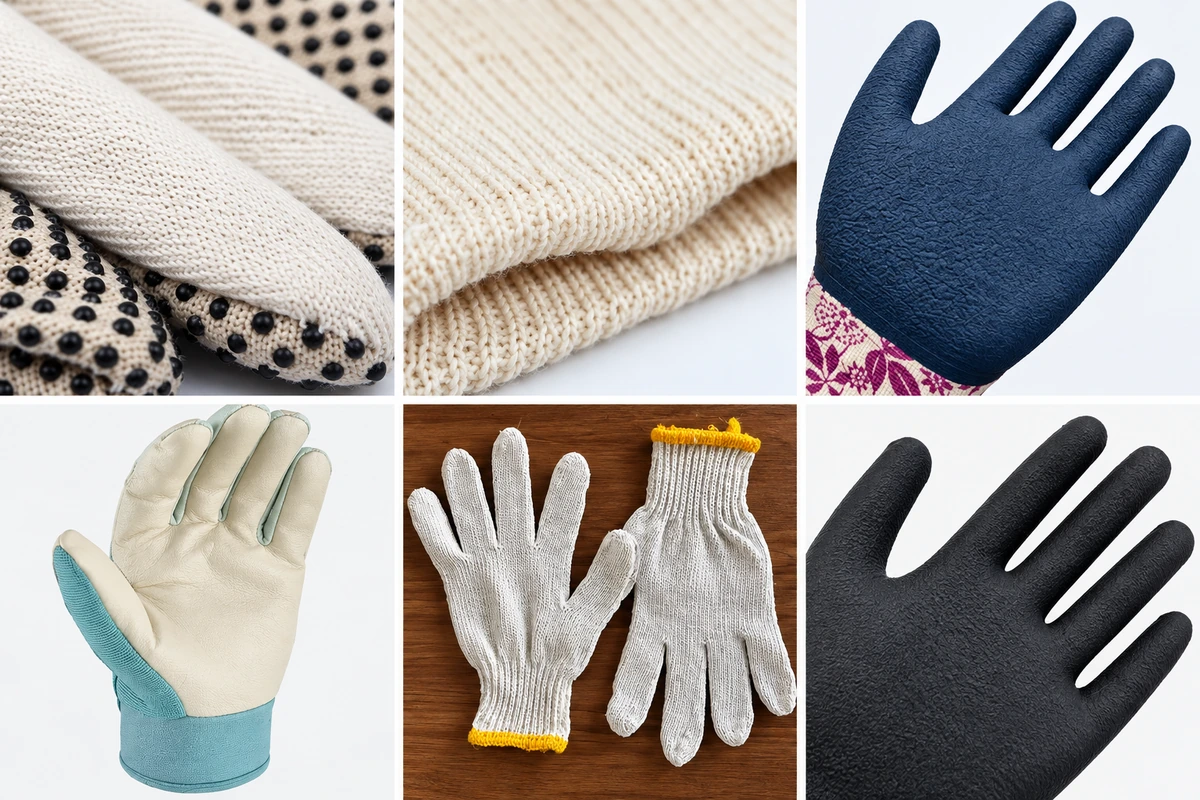
The liner affects feel and flexibility; the palm affects grip, coverage, moisture contact, and wear. Compare the complete glove on the intended plants, soil, tools, and relevant sizes.
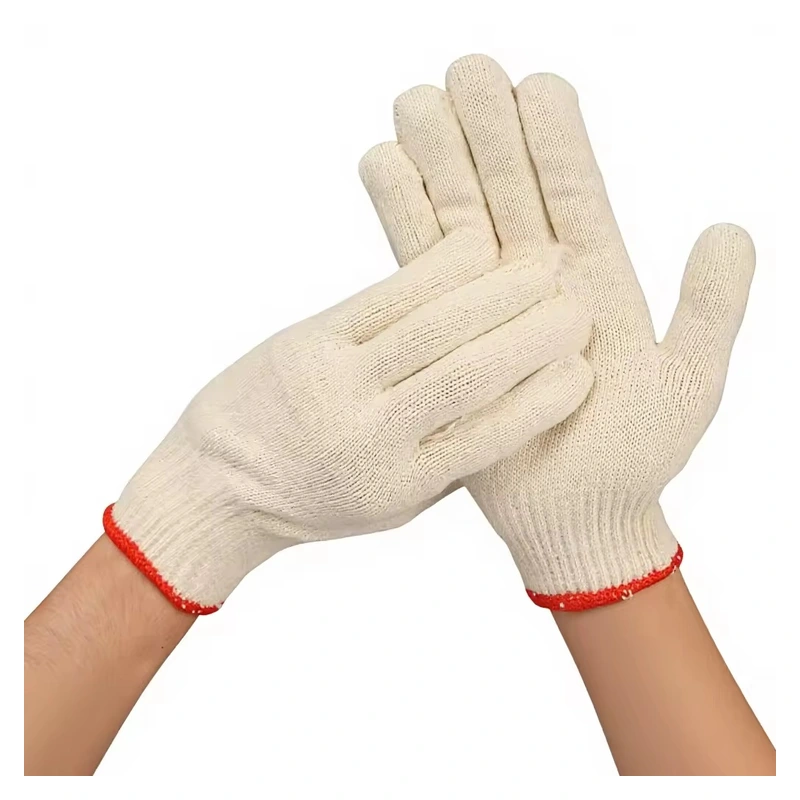
- Cotton Route
Use cotton or an agreed blend for a soft, economical direction suited to lighter, generally drier gardening tasks. - Polyester Route
Use polyester where a lightweight textile base, color planning, flexibility, and repeatable project specifications are priorities. - PVC Dot Palm
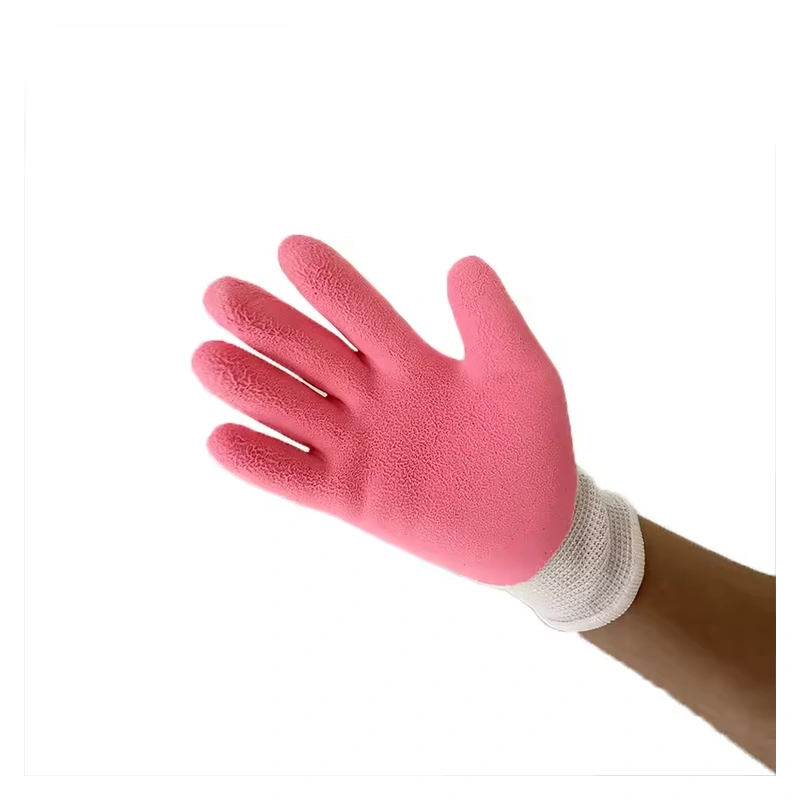
Apply discrete grip points for light handling while leaving more of the textile palm exposed. - Nitrile-Coated Palm
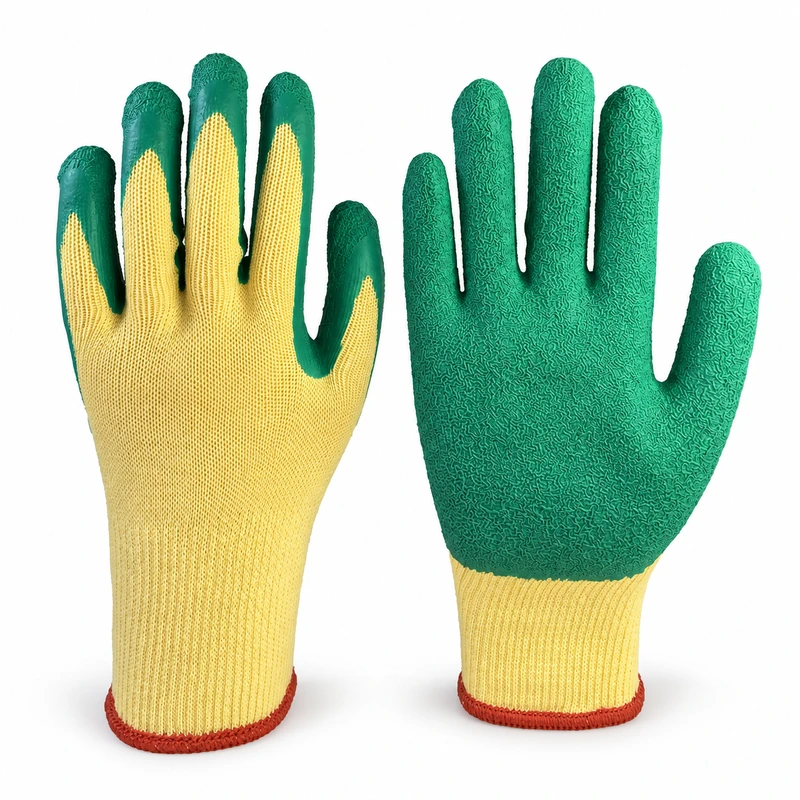
Review coating coverage, texture, flexibility, grip, moisture contact, and wear on the approved finished sample.
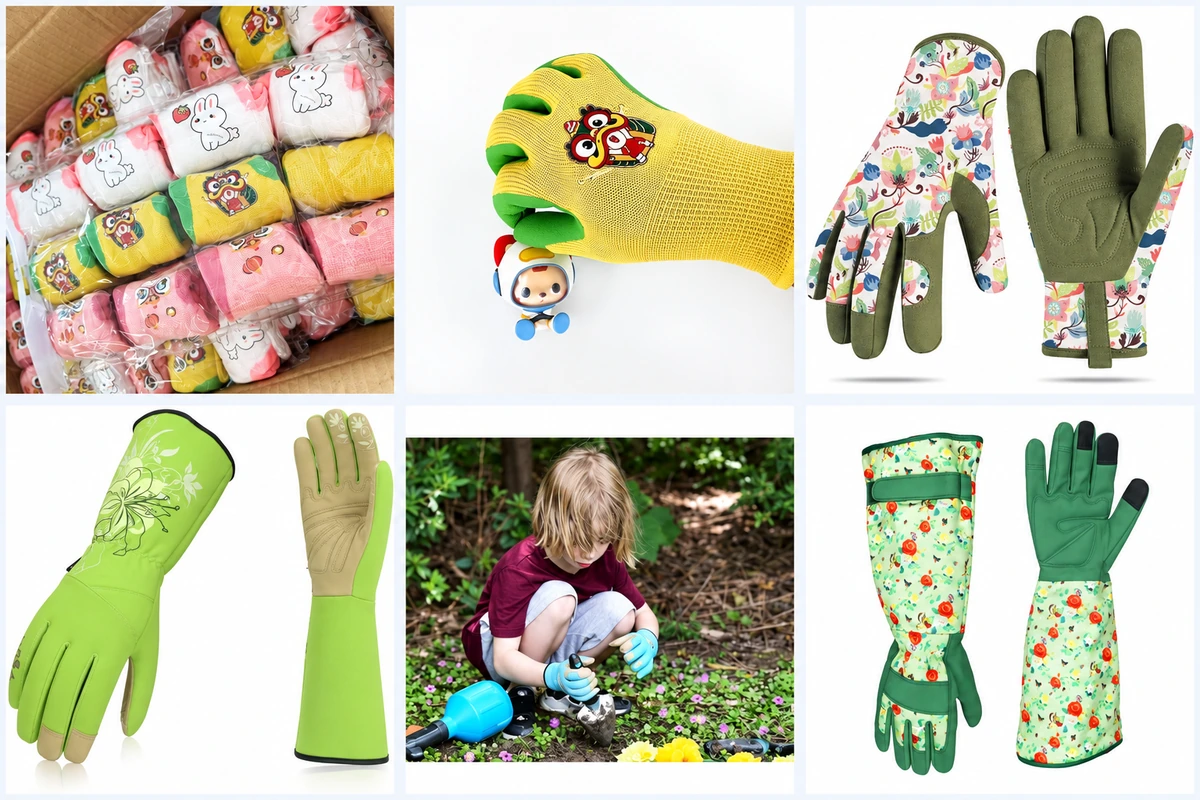
Approve Adult or Kids' Fit, Cuff, and Branding
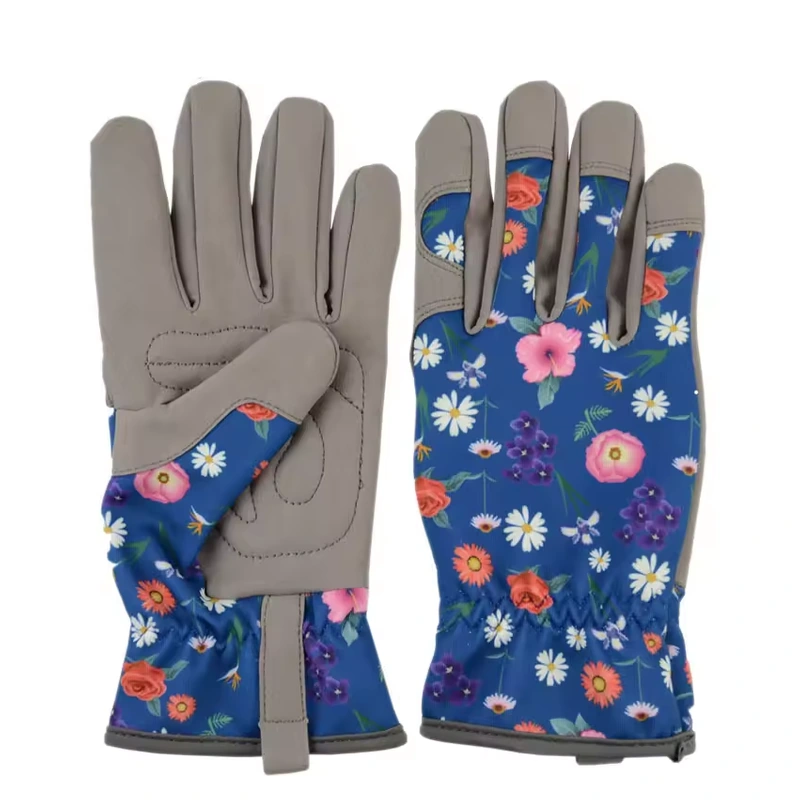
Review fit and presentation together. Separate adult and kids' measurements, then confirm the cuff, color, pattern, logo, labels, pair packing, and destination-market requirements.
- Adult Size Plan
Start with S–XXL or provide hand dimensions and the required quantity ratio for each size. - Kids' Size Plan
Provide target age range and actual hand measurements; do not scale an adult pattern by name alone. - Cuff and Entry
Check wrist security, soil entry, comfort, removal, and compatibility with the intended task and user. - Artwork and Labels
Approve color, print, logo method, label content, tracking information where applicable, packaging, and carton marks.
Three Gardening Glove Builds to Compare
Compare hand feel, grip, coverage, user, task, material documents, and sample checks before selecting a construction route.
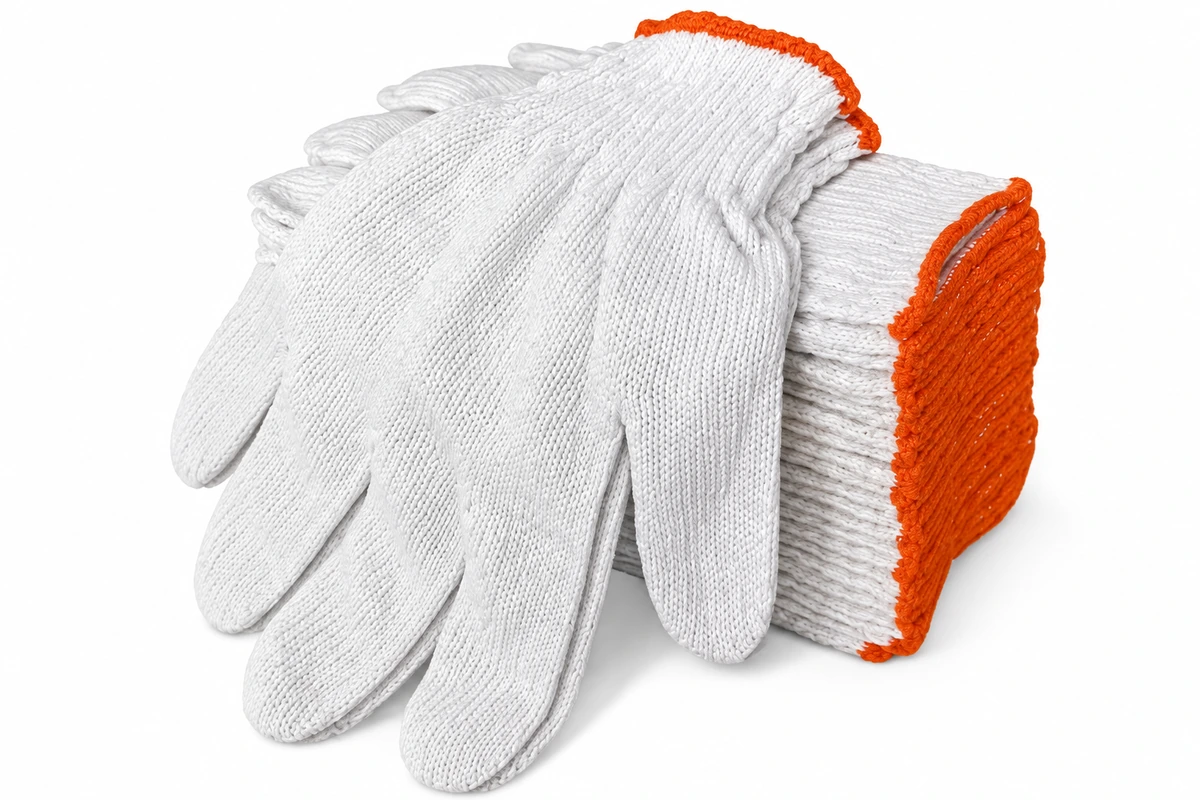
Cotton Light-Duty Build
A cotton light-duty build suits lighter, generally dry gardening and promotional or value-focused ranges. Confirm fiber content, palm dots or finish, cuff, size, print, and cleaning expectations.
Review Cotton Builds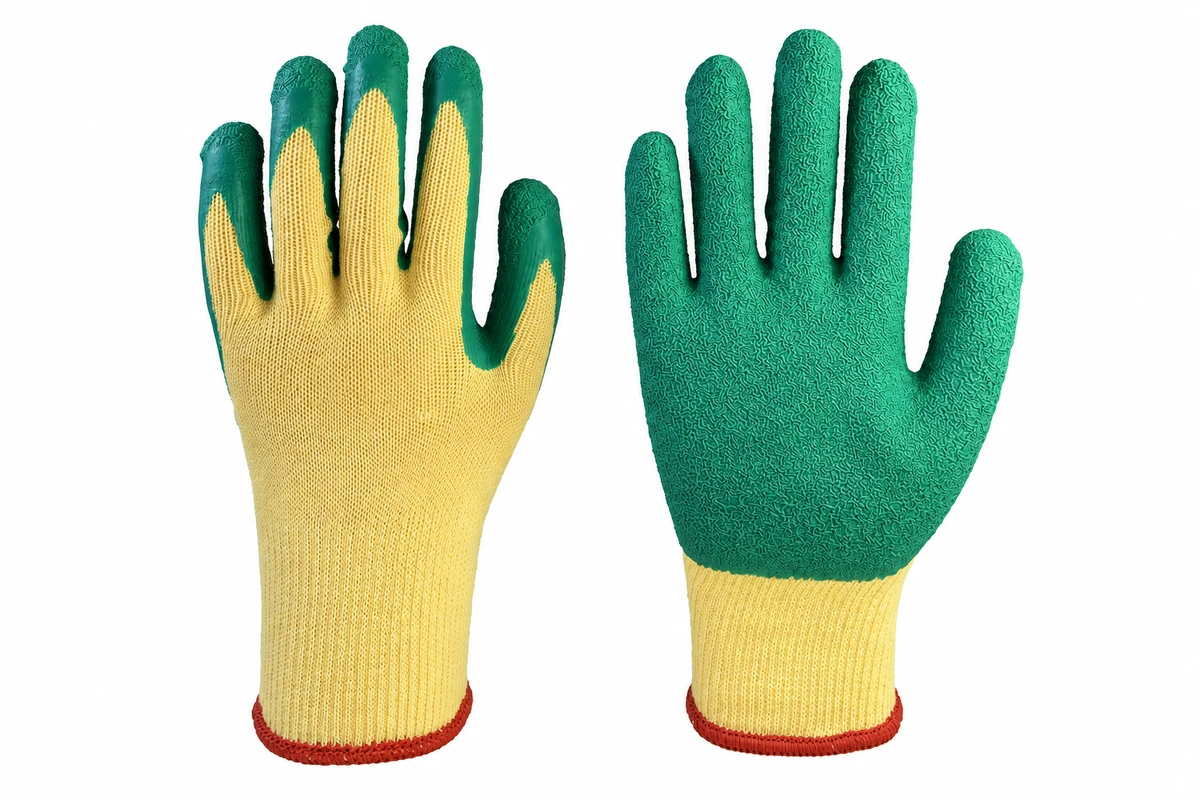
Bamboo-Textile Route
Use a bamboo-textile route only after confirming the exact generic fiber name, percentage, supplier documents, hand feel, palm treatment, and market labeling.
Check Material Documentation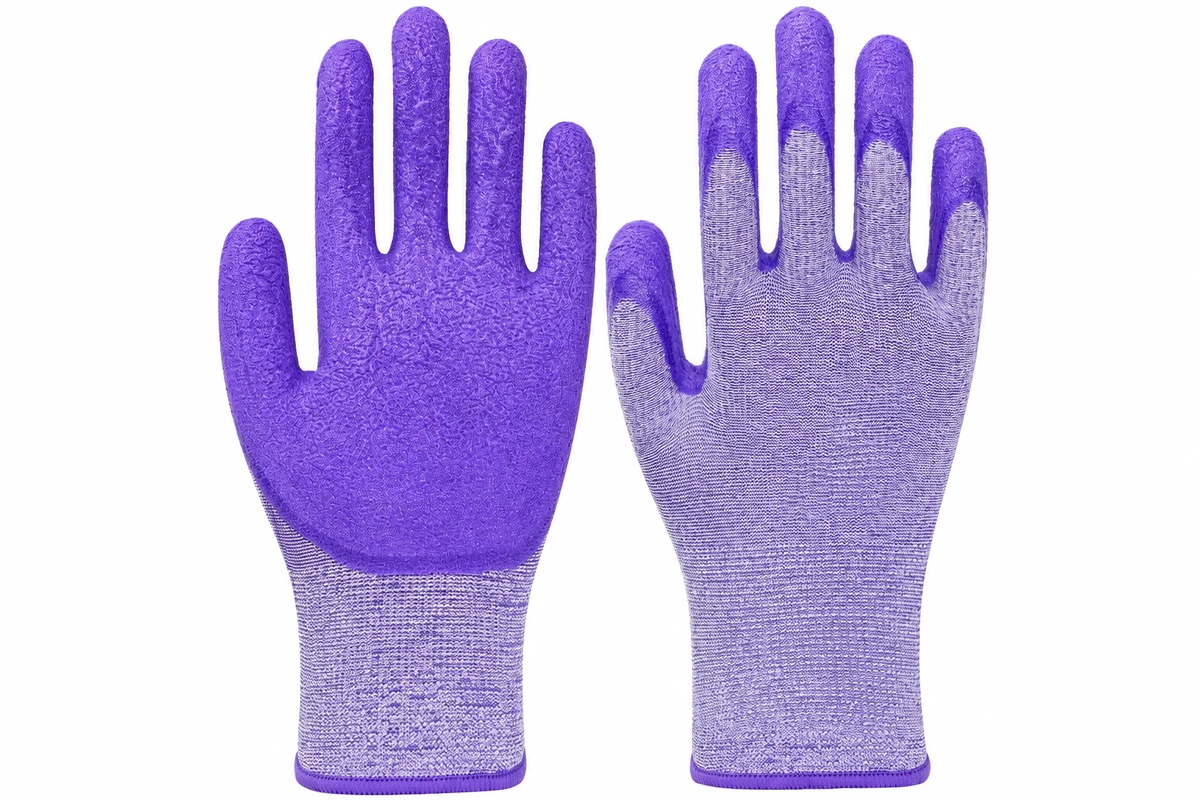
Coated Palm Build
A coated palm adds a reviewed surface for grip and coverage. Confirm base textile, coating material, coverage, texture, flexibility, moisture contact, task, and sample acceptance criteria.
Compare Coated Palms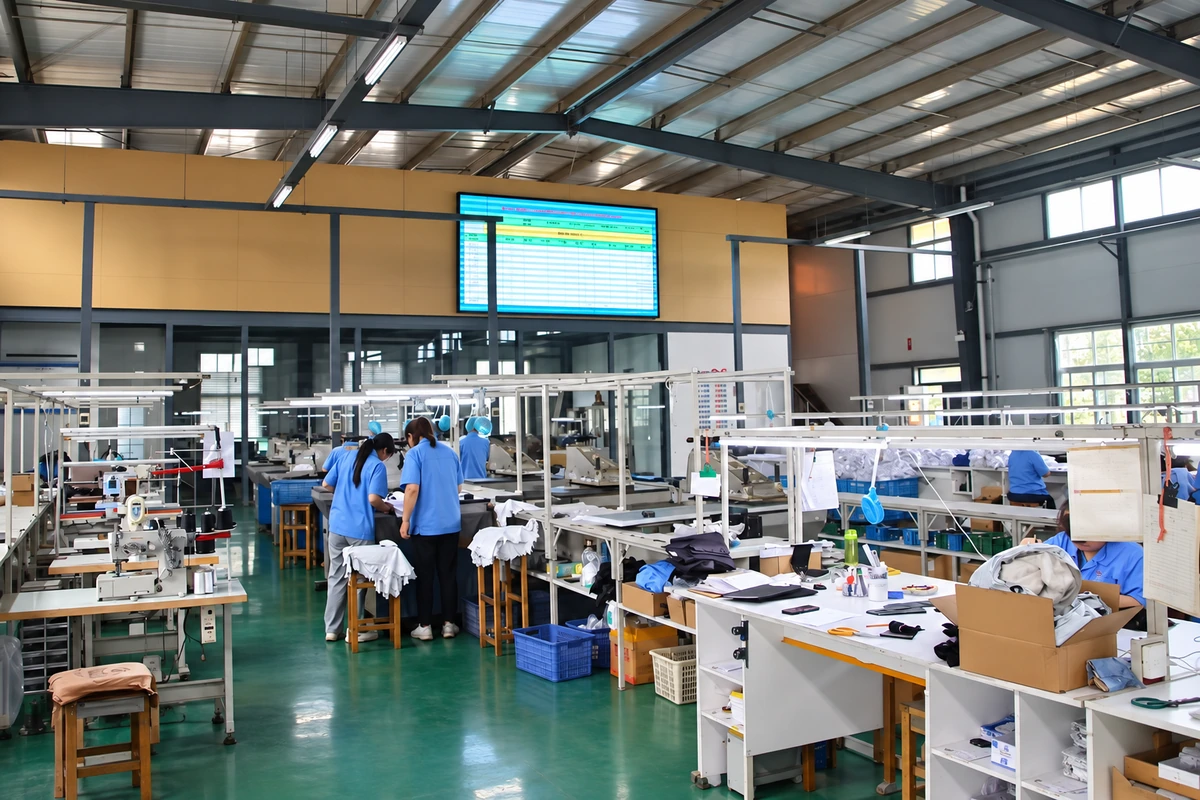
Production Support for Custom Gardening Gloves
Our facility provides fabric cutting, 30 sewing stations, screen printing, suitable heat-transfer or pressing work, inspection, and packing. IQC, IPQC, and FQC can cover materials, dimensions, seams, palm details, logo placement, pairing, labels, and packing. Coating production scope is confirmed for each product.
Develop Your Custom Gardening Gloves
Share your gardening task, adult or child sizing, market and quantity.
Request a Quote