
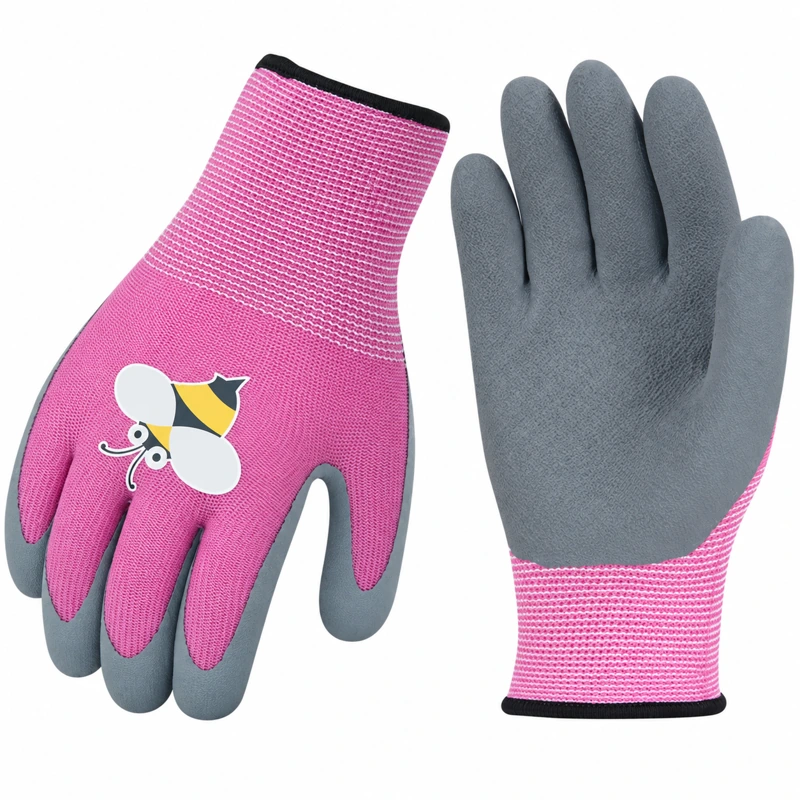
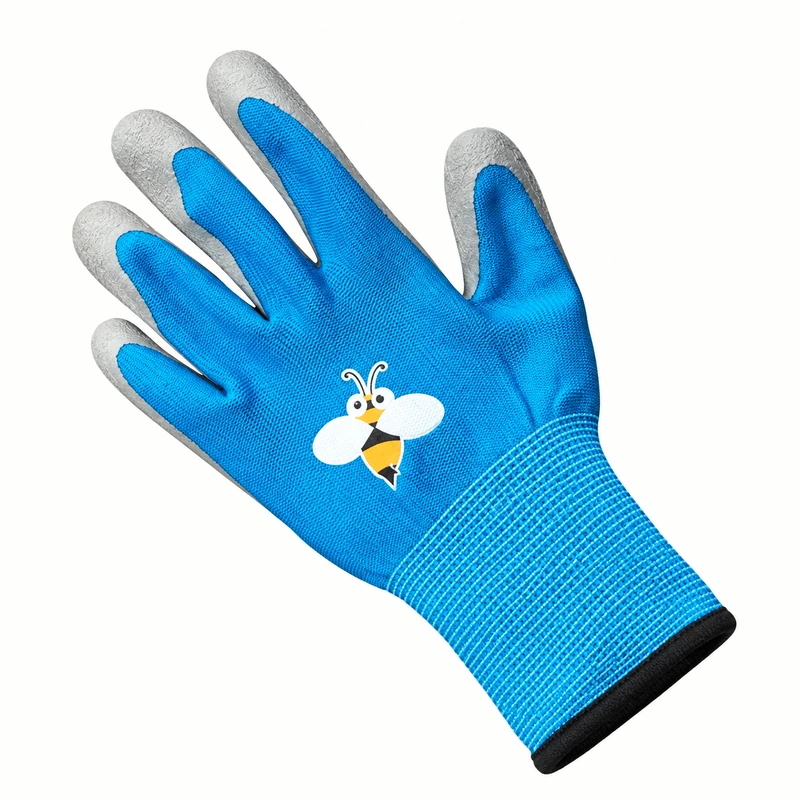
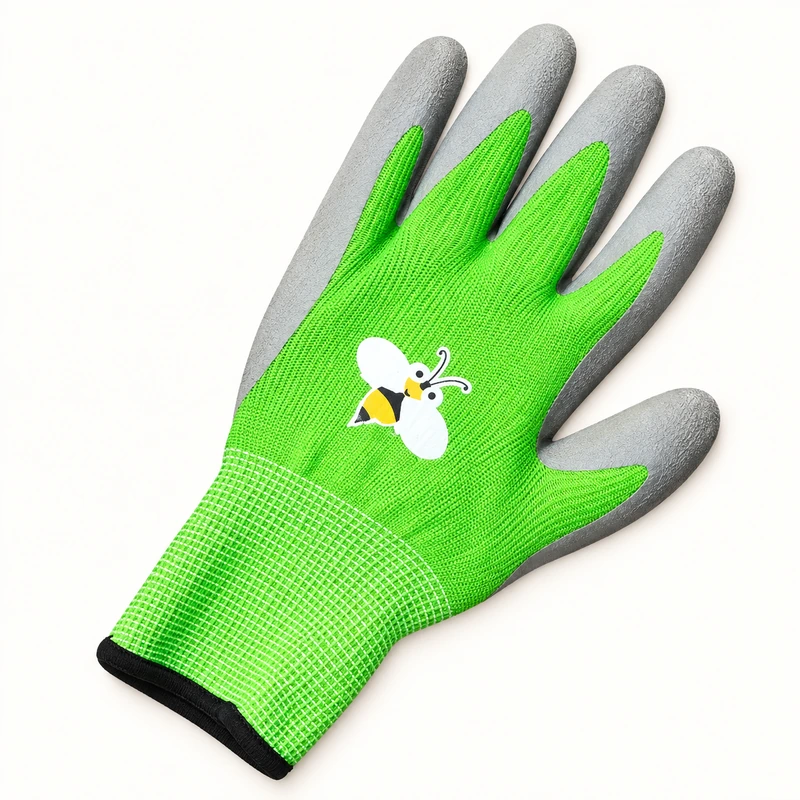
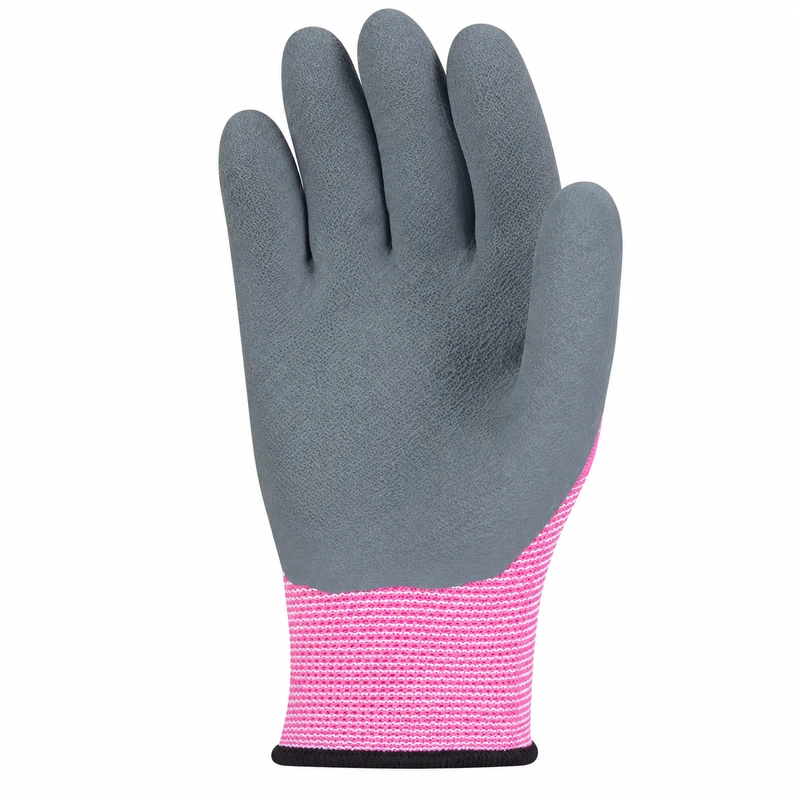
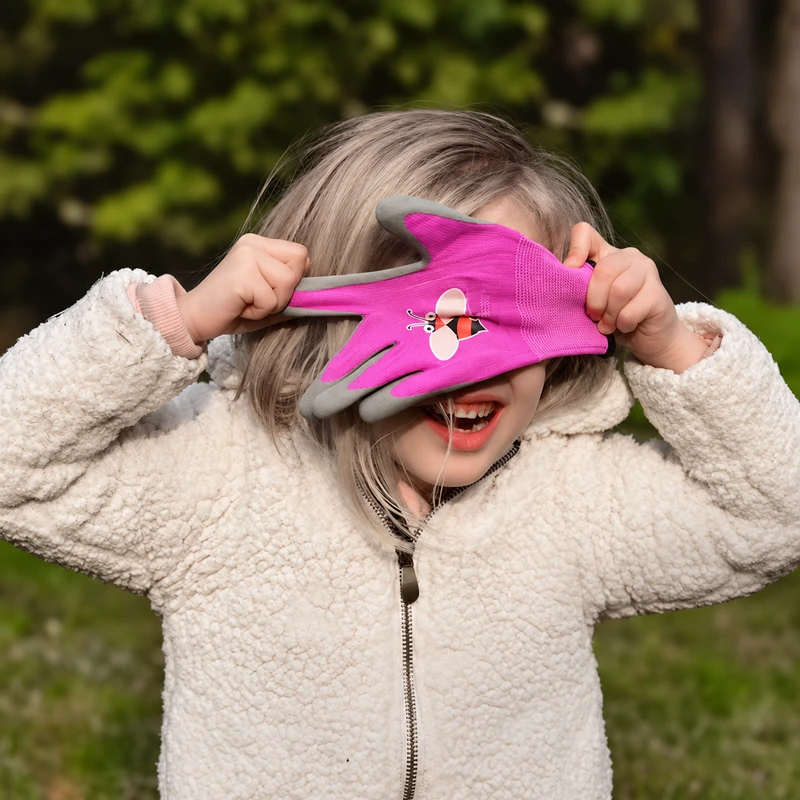
Custom Kids’ Gardening Gloves
Custom child-sized gloves for supervised planting, school gardens, family growing projects, and retail. Review real hand measurements, cotton or polyester textiles, palm grip, cuff, artwork, and market-specific labels before sampling.
- User and Task: Child-sized fit for supervised, light gardening activities
- Textile: Cotton or polyester direction; exact composition by project
- Palm: PVC dots or reviewed nitrile coating route
- Sizing: Hand measurements, buyer size chart, reference, and sample
- Branding: Custom colors, artwork, labels, and retail packing
MOQ and timing vary with child-size development, textile, palm treatment, cuff, artwork, labels, packing, testing, revisions, quantity, target-market requirements, and production scheduling.
Request a Quote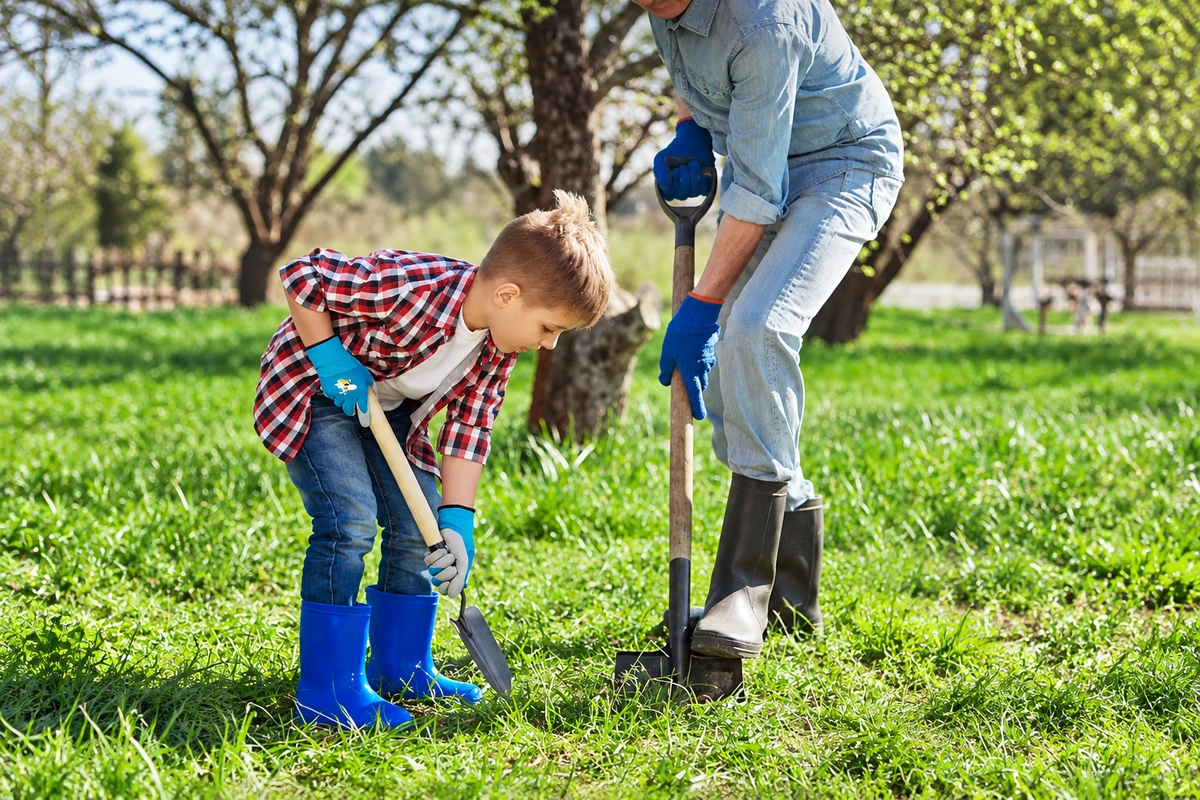
Build the glove around the child’s hand
Size development: Use palm, finger, overall length and wrist measurements. Age alone is not a size specification. Light gardening: Review cotton or polyester with PVC dots or a nitrile-coated palm for the intended supervised task. Retail or school program: Approve size identification, colors, added components, tracking information and the destination requirements.
Colorful Detail Made for a Smaller Glove
Textile decoration and finishing are adapted to child-sized garden gloves, with artwork developed for the smaller panels.
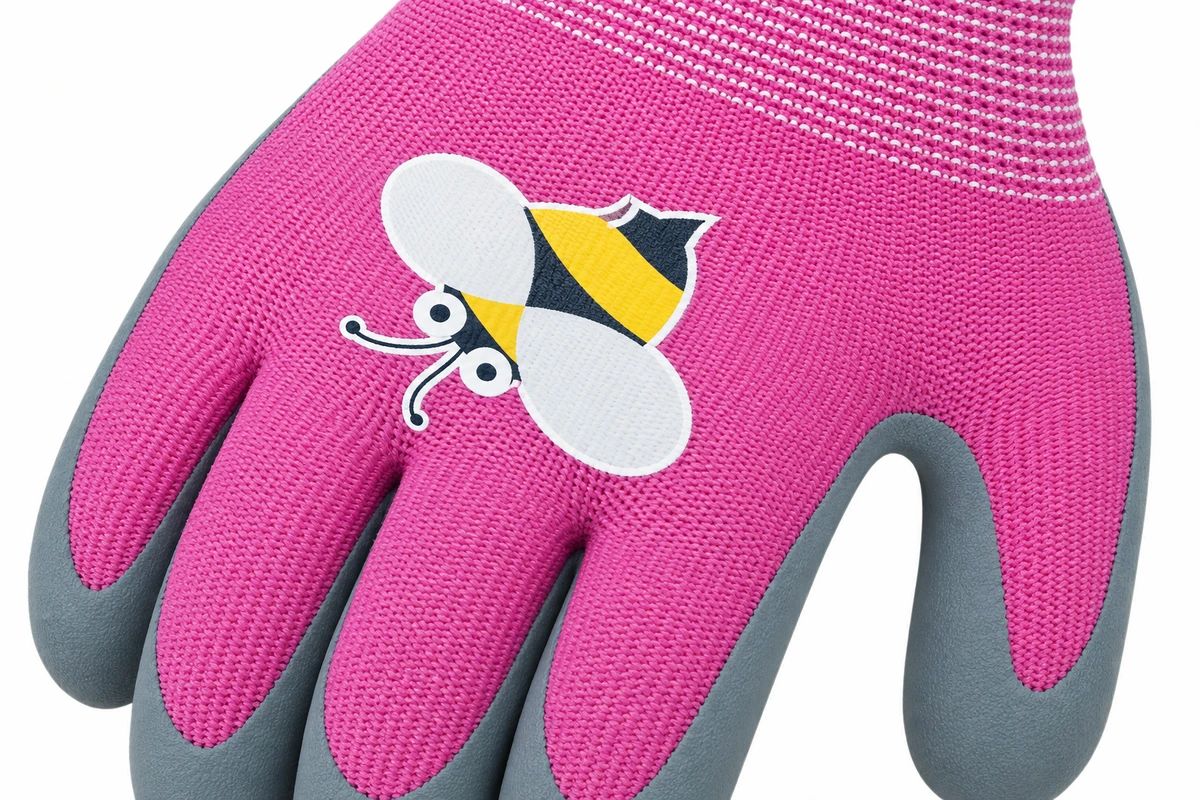
Artwork Adapted to Small Panels
Supplied artwork can be adapted to the smaller glove’s usable textile area and checked on a physical decorated sample.
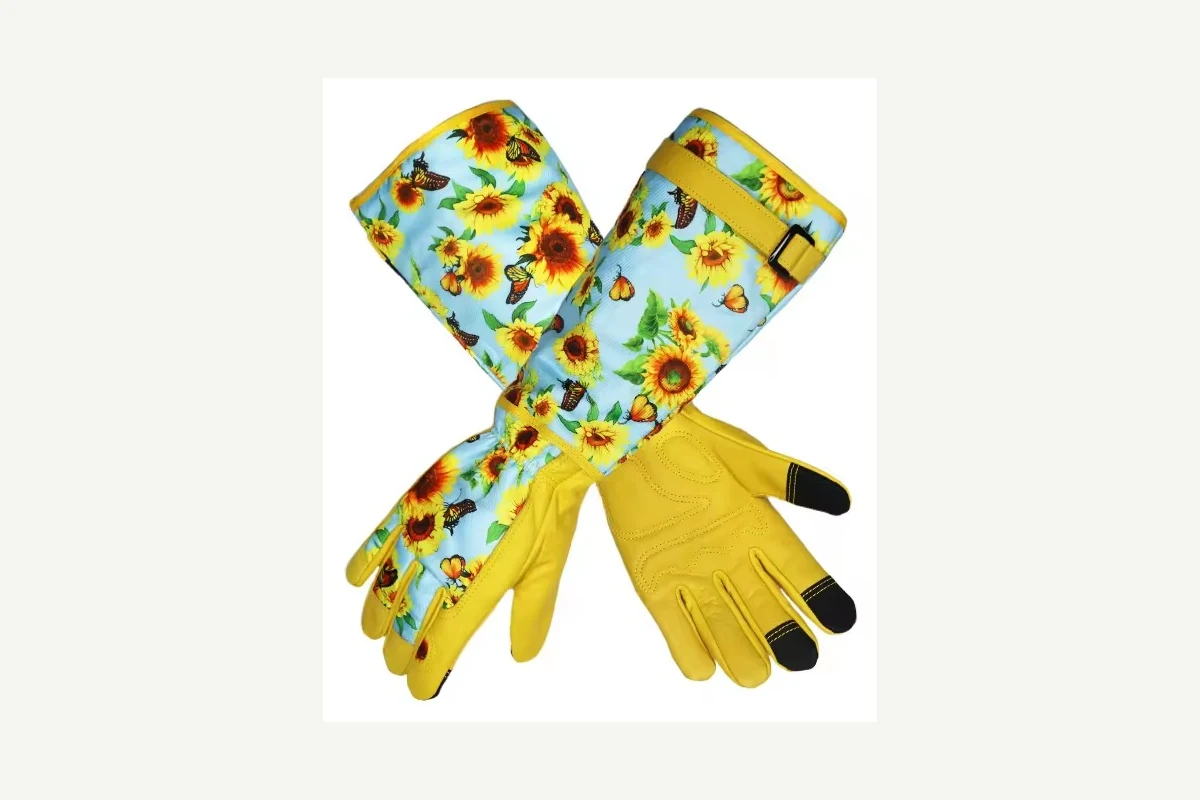
Screen Printing or Heat Transfer
Screen printing and heat transfer can reproduce artwork on compatible textiles, with the method selected by detail and fabric surface.
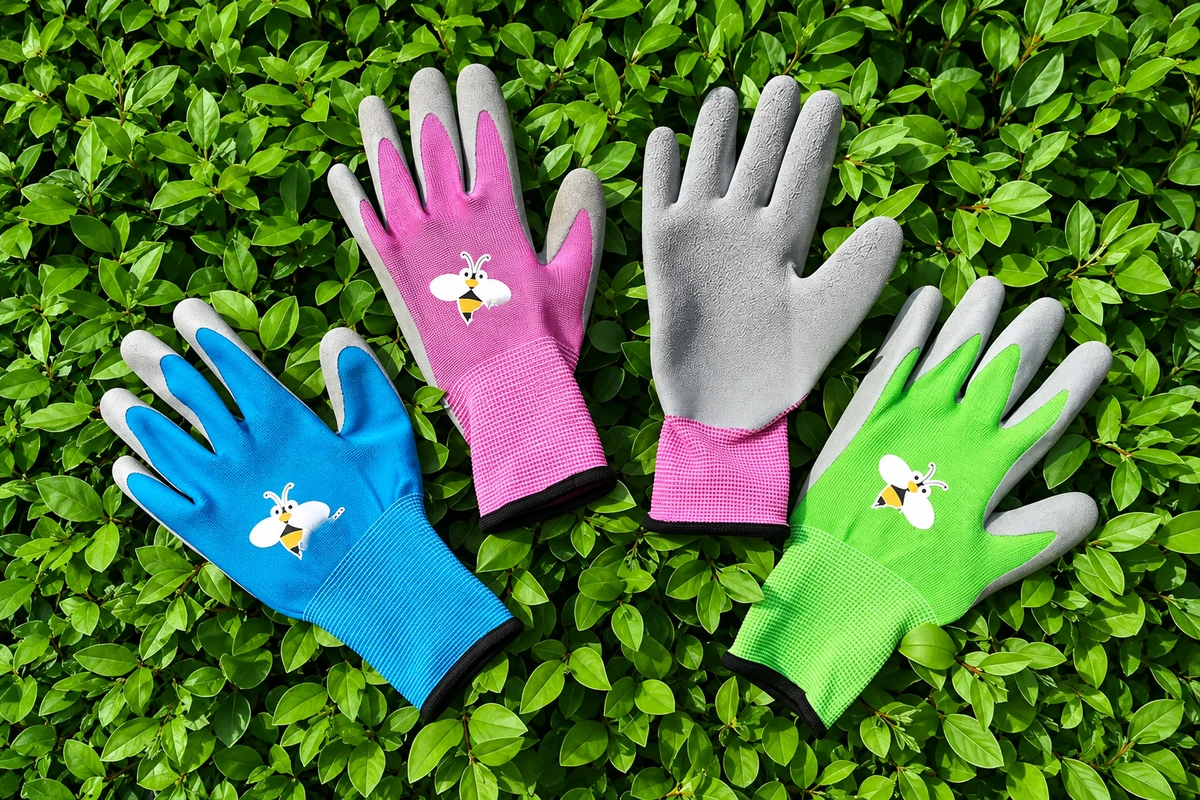
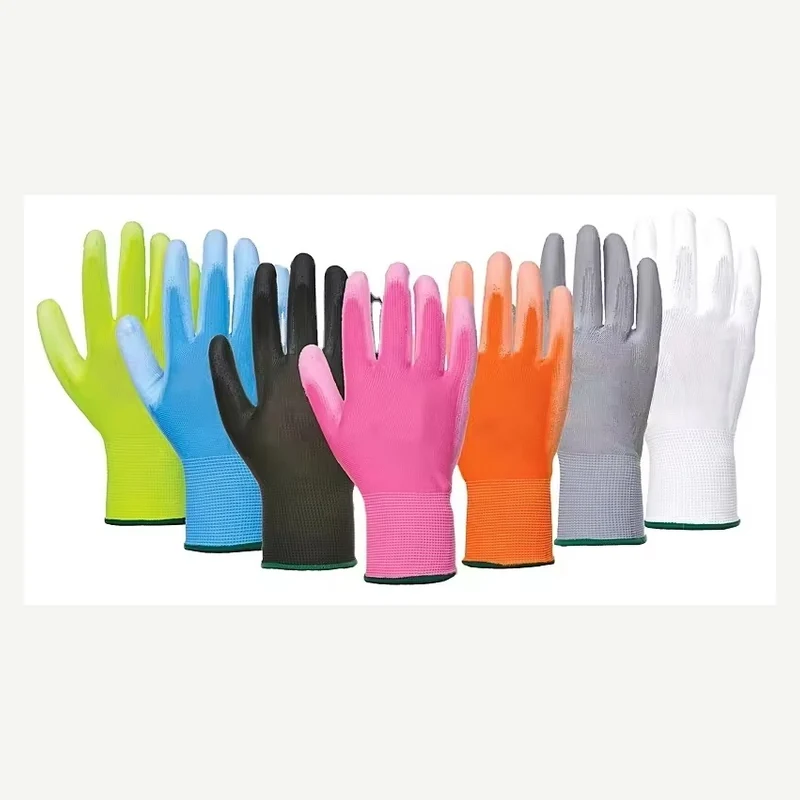
Coordinated Glove Colors
Glove body, palm details, thread and artwork can be developed together in a coordinated palette.
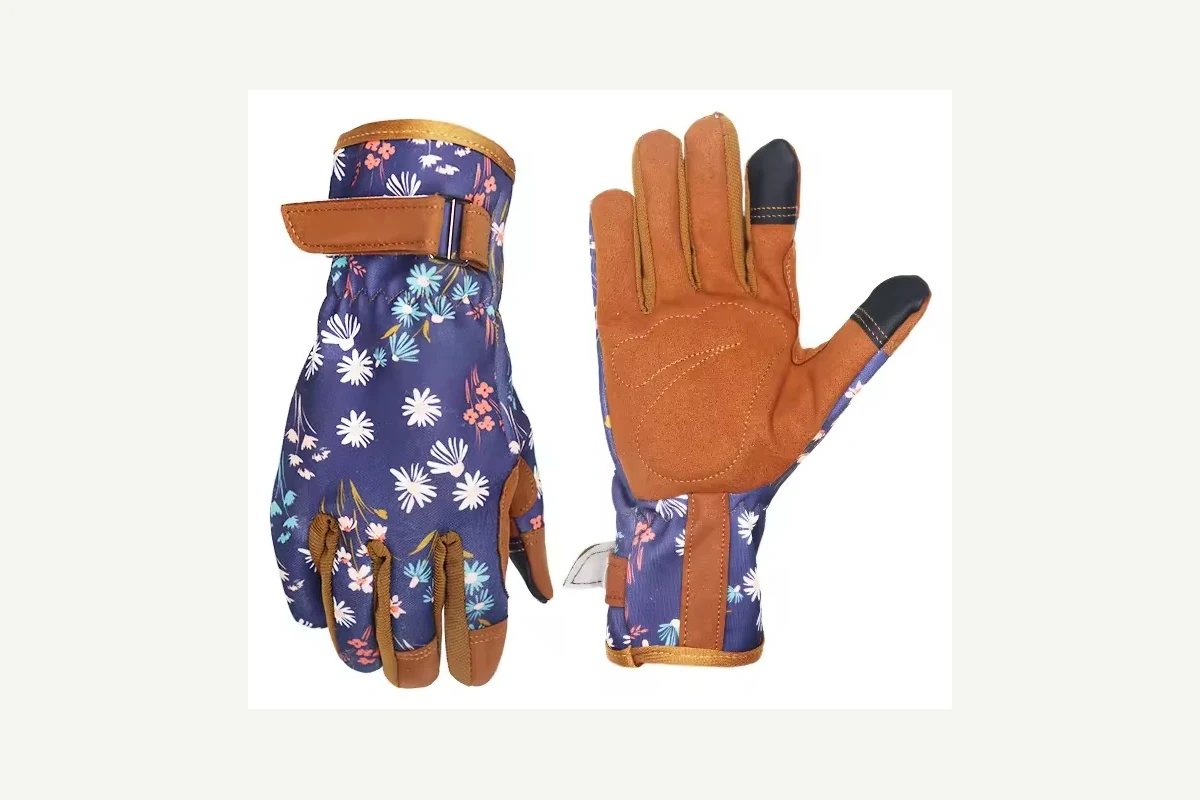
Build Child Sizes From Real Hand Measurements
Develop grading from the intended children’s hand measurements or an approved buyer chart. Check fingertip reach, palm width, movement, entry, wrist retention and size identification on samples; adult scaling or age alone does not establish fit.
- Palm Circumference
Use child-specific measurements. Use an agreed measuring method and palm measurement for each size; check fit on the sample. - Finger Length
Use child-specific measurements. Specify finger proportions by size and check fingertip space, reach and movement. - Overall Glove Length
Use child-specific measurements. Agree measurement points, glove length and the intended hand and wrist coverage. - Wrist Opening
Use child-specific measurements. Confirm entry, comfort and retention with the selected cuff or closure.
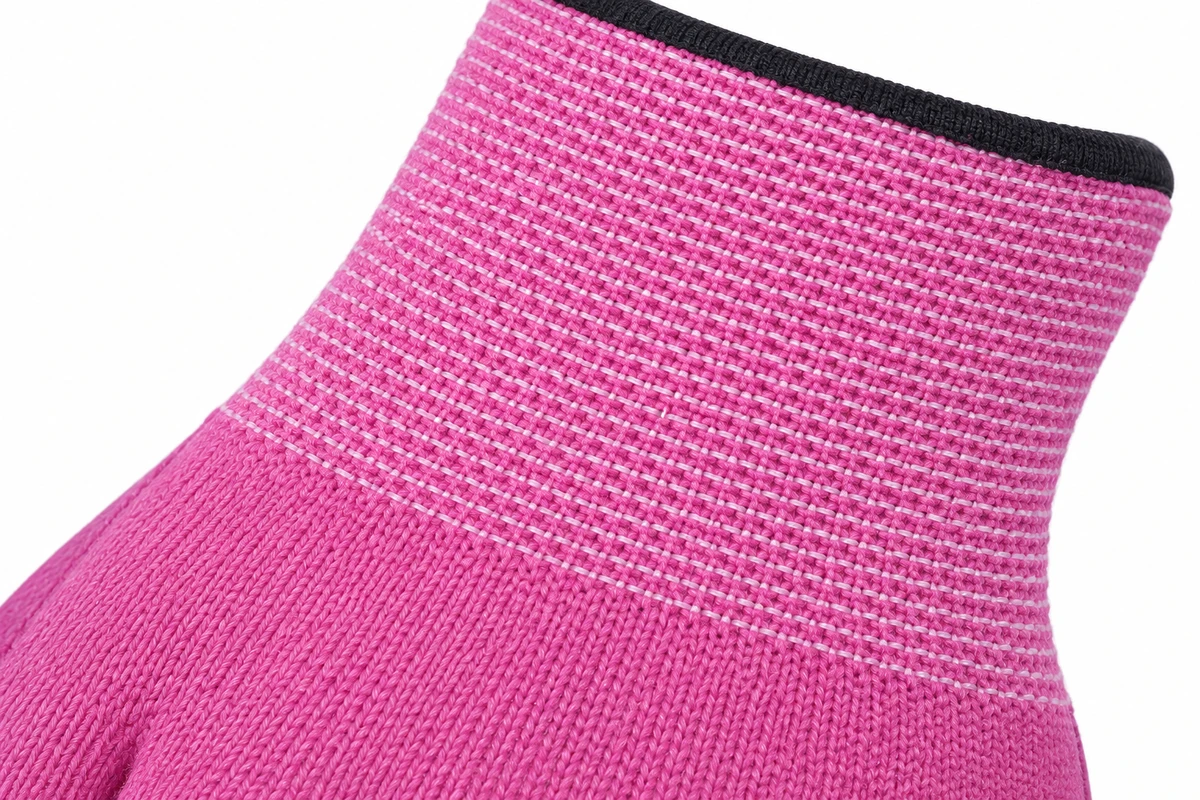
Choose the Textile and Palm Treatment for the Activity
Compare hand feel, soil or plant contact, palm coverage, flexibility, color and price. Confirm composition, construction, coating coverage, compatibility, finished behavior and performance claims for the project.
- Cotton Direction
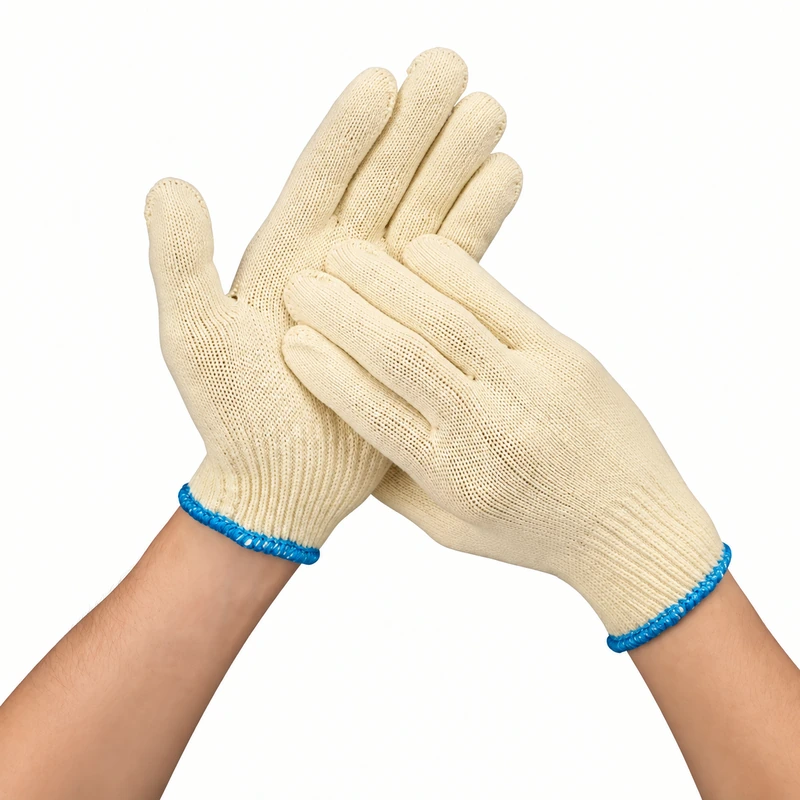
For soft-textile or value-focused children's gardening ranges, confirm the generic fiber names, percentages, construction, color, hand feel, care, and market label wording from the actual material. - Polyester Direction
For projects evaluating a synthetic textile base and consistent color direction, confirm fiber content, construction, weight or gauge, flexibility, hand feel, care, and palm-treatment compatibility. - PVC Dot Palm
For supervised, generally dry, light handling with localized grip points, confirm the dot pattern, size, spacing, coverage, placement, color, adhesion, flexibility, and textile compatibility on the sample. - Nitrile-Coated Palm
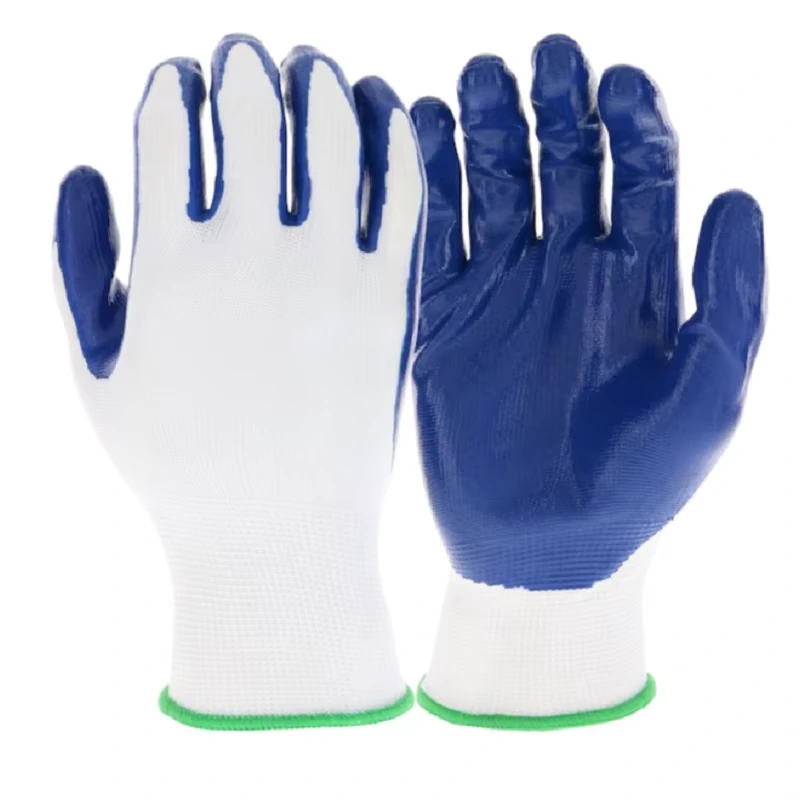
For projects considering more continuous palm coverage, confirm formulation, finish, thickness, coverage, flexibility, grip conditions, textile compatibility, and agreed tests; the coating name alone does not prove waterproof, chemical, or pesticide protection.
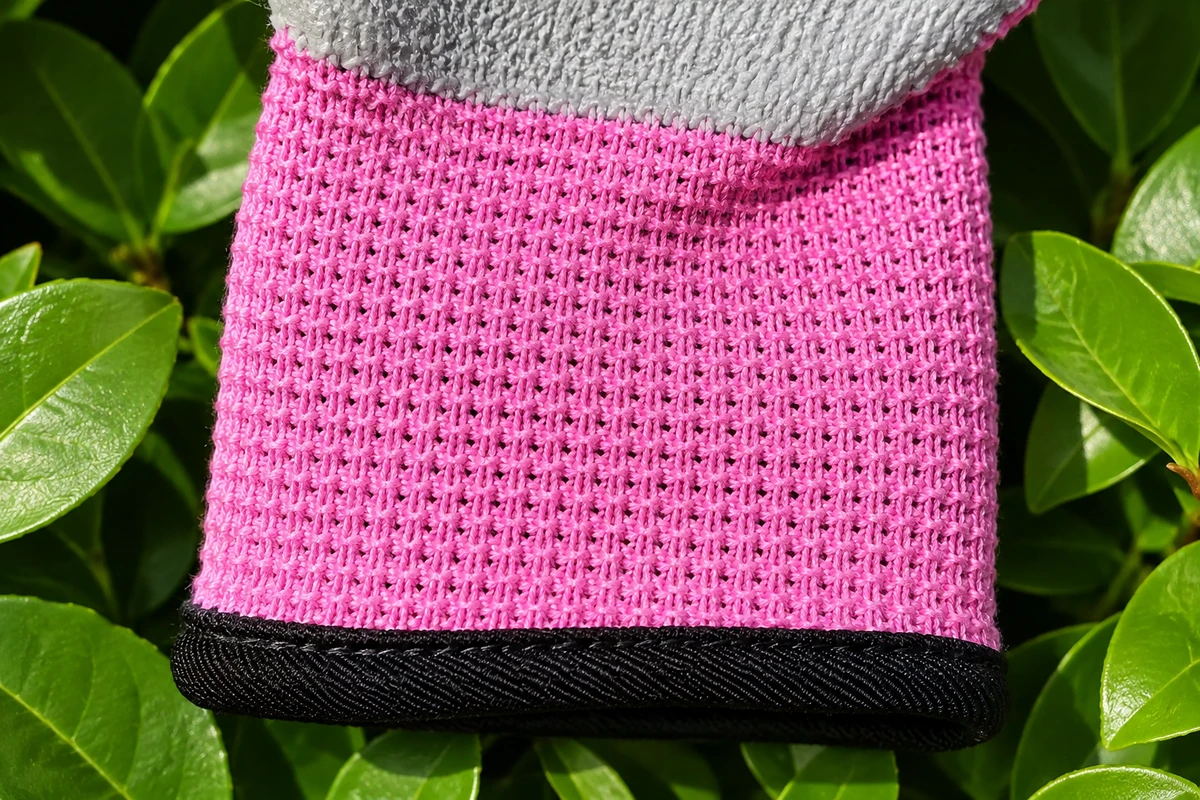
Review Cuff, Grip, and Construction on the Sample
Check how the child-sized sample goes on, stays at the wrist and bends around light objects. Review palm treatment, seams and added components during the intended supervised activity.
- Cuff Fit and Retention
To keep the glove positioned without restricting the wrist, confirm opening, stretch, recovery, edge finish, comfort, and removal on representative hands. - Palm Coverage
To match grip treatment to the intended contact area, mark the coverage boundary and check alignment, flexibility, surface feel, and pair consistency on the finished sample. - Grip Particle Layout
For PVC-dot projects needing localized contact points, approve dot size, spacing, distribution, adhesion, and flex behavior; do not infer protection from the pattern. - Seams and Added Components
To review comfort, durability, symmetry, and component risk, inspect seam position, loose ends, attachment, hard edges, and detachable parts; any age- or market-specific requirement needs separate review.
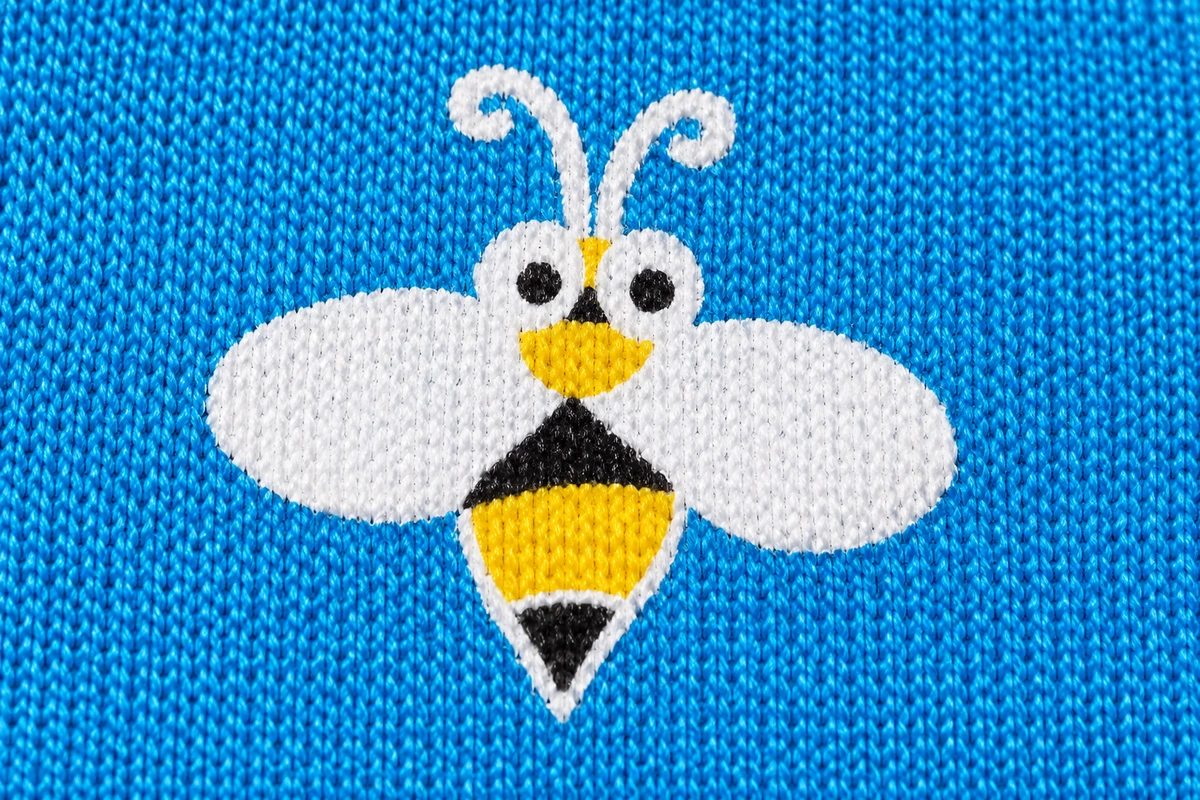
Develop Color, Pattern, and Branding for the Glove Surface
Coordinate fabric, thread, palm, logo, and overall colors with the approved artwork. Select a branding method only after the textile, coating, location, and size are known, then review adhesion, flexibility, surface feel, legibility, and finished appearance on the sample.
- Fabric and Overall Color
For retail ranges, school programs, and branded activity sets, confirm target references, material response, panel or pair consistency, and acceptable production tolerance. - Thread, Palm, and Logo Color
To coordinate visible construction and brand details, approve each color on the actual material or coating because the same reference can appear different across surfaces. - Screen-Printed Artwork
For simple logos or patterns on compatible textile areas, confirm artwork, ink, dimensions, location, cure, adhesion, flexing, surface feel, and sample appearance. - Heat-Transfer Artwork
For detailed artwork on heat-compatible areas, confirm transfer material, temperature, pressure, location, edge behavior, flexibility, surface feel, and sample appearance.
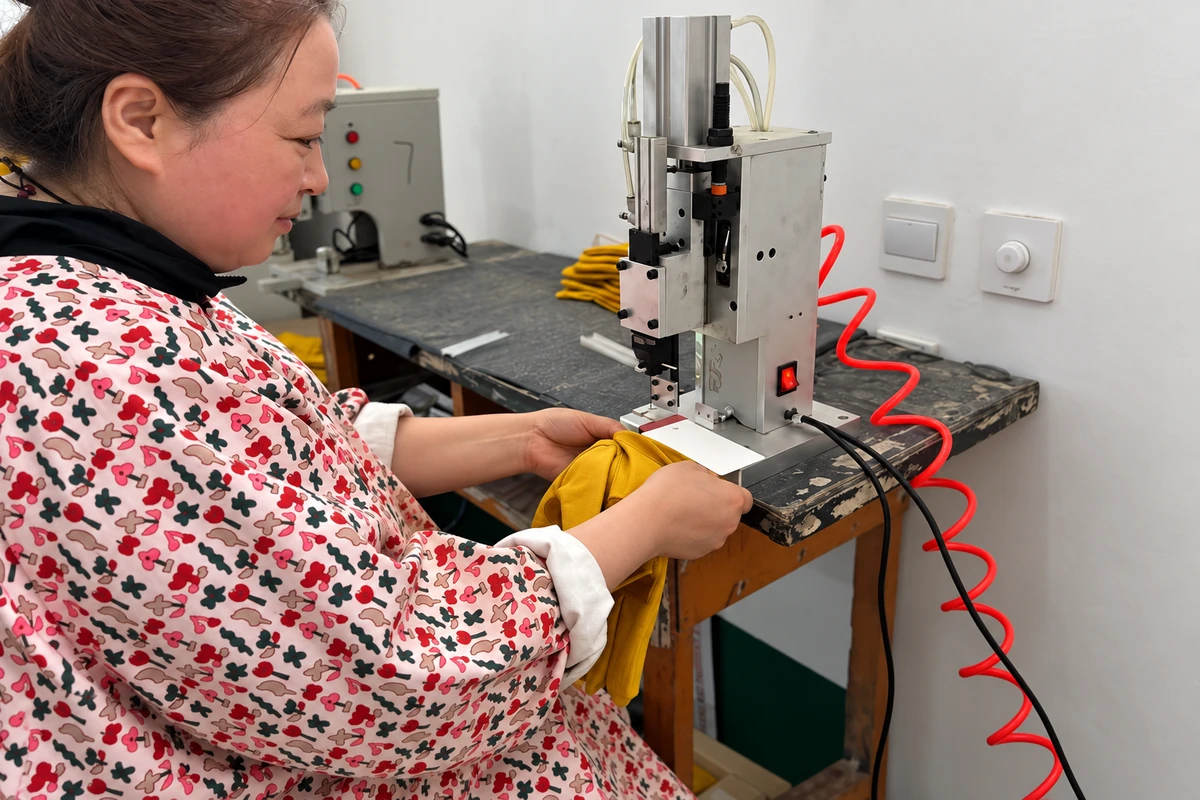
Plan Labels and Packing Around the Sales Market
Base labels and packing on the product record, size system, artwork, barcode, destination and applicable children’s product review. Finalize tracking, warnings, language, fiber, care, origin and certificate information only after market requirements and supporting evidence are confirmed.
- Woven Label
For durable brand or product identification on a compatible seam, confirm material, dimensions, fold, location, edges, attachment, comfort, and any permanent-information requirement. - Care Label
For approved fiber, care, origin, or traceability information where applicable, confirm every statement, language, layout, durability, attachment, and market requirement before production. - Hangtag
For retail branding, barcodes, supervised-use context and size information. Confirm approved wording, any age policy, barcode data, attachment and artwork, including whether permanent information must also appear elsewhere. - Size Label
To identify the buyer-approved child-size system, link every mark to the approved measurements and grading; do not create an age-to-size claim without supporting data. - Single OPP Bag
For individual pair protection. Confirm dimensions, closure, label, required warnings and pack count. - Paper or Hang Card
For shelf display, artwork, barcode, size, and approved product information, confirm stock, structure, attachment, languages, claims, warning text, tracking plan, and target-market review.
Related Custom Products
Compare related custom garden, bamboo, cotton garden, and nitrile gloves.
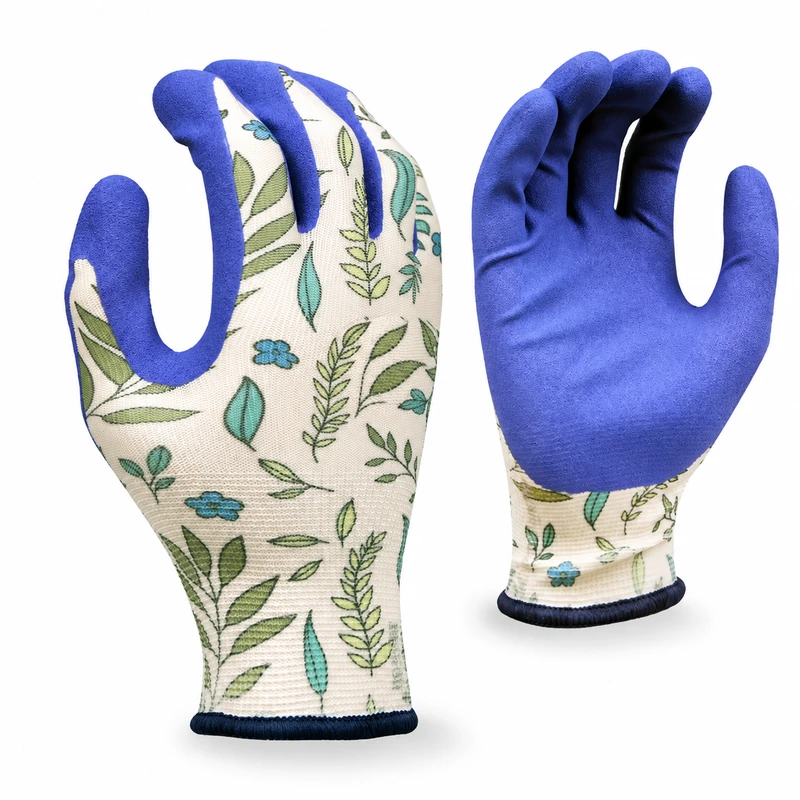
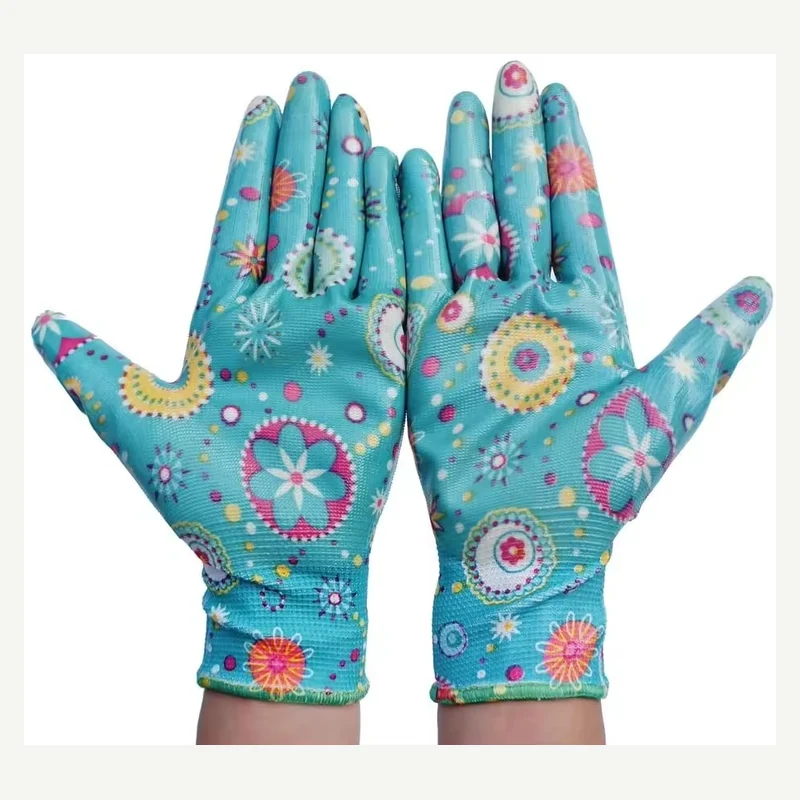
Approve the Child-Size Sample and Market Information Together
Review representative hand fit, fingertip reach, palm movement, cuff retention, seams, added components, palm treatment, artwork, labels, pair presentation, and packing against one approved specification. Confirm the intended user and sales market before defining applicable testing, certificates, warnings, tracking information, or claims. Routine IQC, IPQC, and FQC do not by themselves prove children's product compliance or special protection.
Request a Kids’ Gardening Glove Quote
Share child sizing, supervised activities and sales market for review.
Request a Quote