
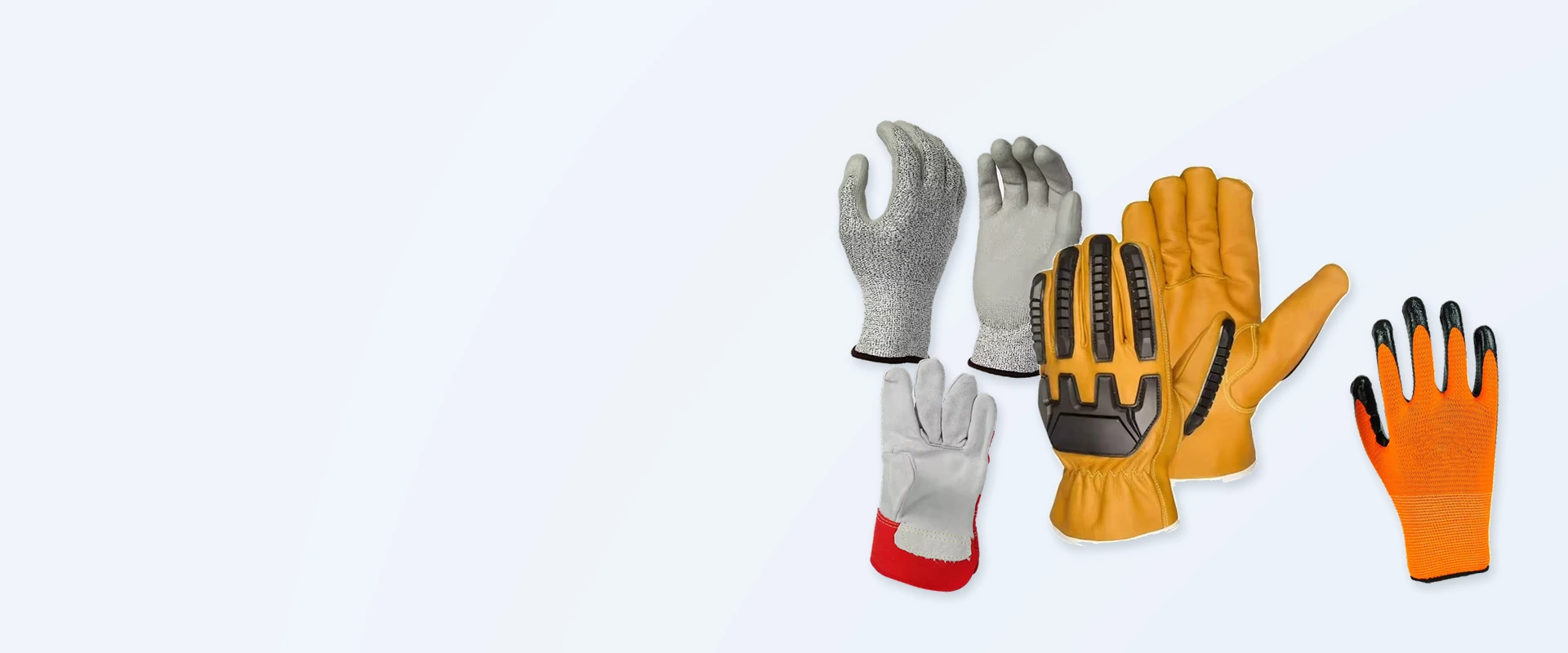
Custom Work Gloves
Work gloves customized for your tasks, grip, fit and branding, with protection claims subject to product testing.
- ✓ Task-Based Selection
- ✓ Sample Before Production
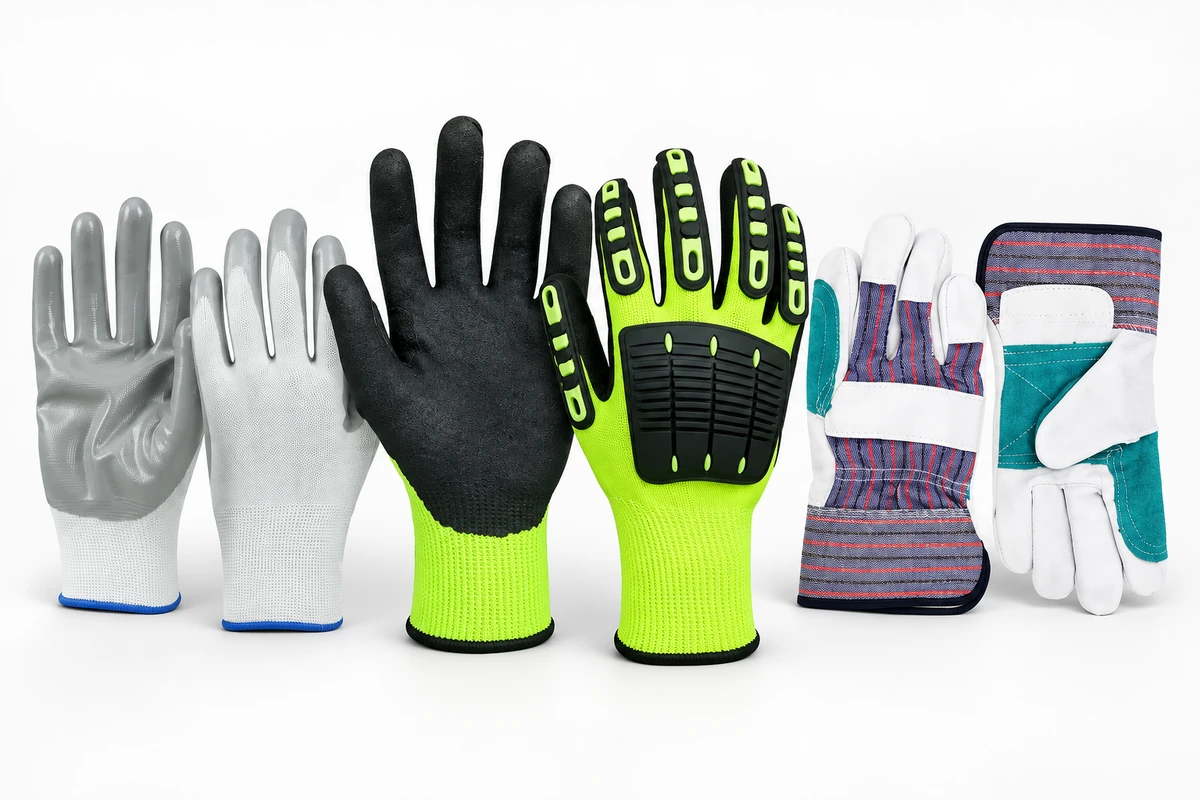
Choose by task and hand hazard
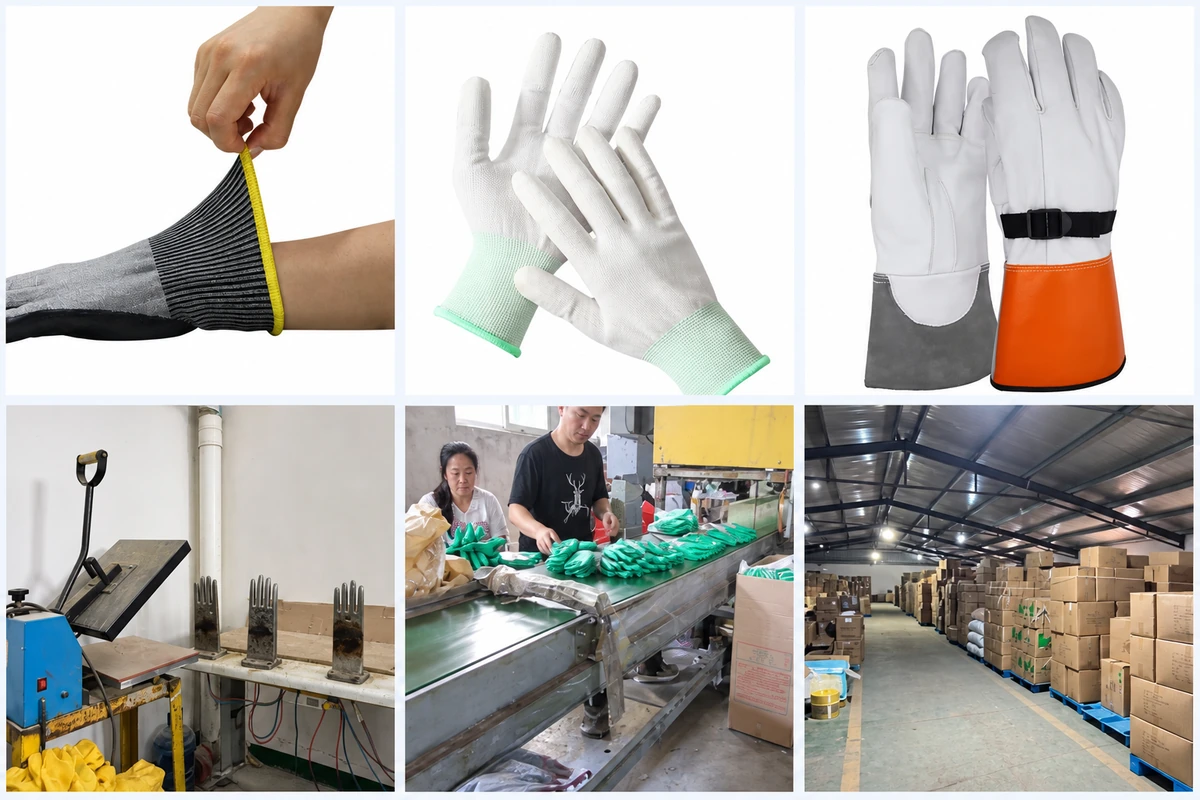
GloveWise supports material selection, cutting, sewing, branding, sampling and quality checks. Start with the work and quantity; we can help review the construction before the final specification and test plan are agreed.
Six Decisions That Shape a Work Glove Project
Define these points before sampling to evaluate the glove, test plan, branding method, and order conditions together.

Task and Hazard Profile
Identify the work, contact hazards, environment, exposure duration, and movements before choosing a glove structure.

Protection Target
State whether cut, impact, abrasion, grip, or another tested performance is required. Targets remain project-specific until verified.

Material System
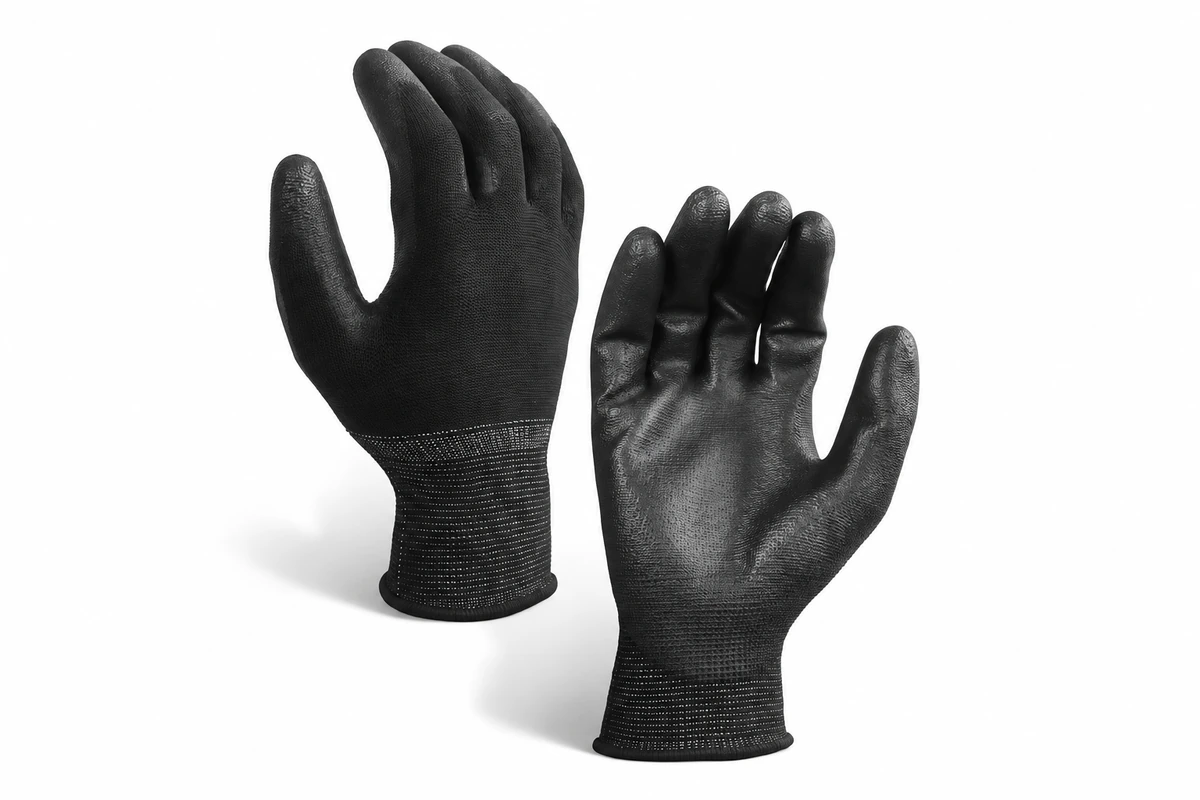
Select from split leather, cotton, polyester, HPPE, nylon, and suitable combinations based on the project.

Palm and Reinforcement
Place grip surfaces, padding, or reinforcement where the task produces wear, pressure, or repeated contact.

Fit and Cuff
Confirm S–XXL or custom dimensions, finger movement, wrist security, and the preferred cuff construction.

Branding and Packing
Match logo, label, and packaging methods to the material, artwork, quantity, and sales channel.
Choose the Work Glove Route That Fits the Task
Start with the main task, then refine materials, structure, fit, and branding during development.
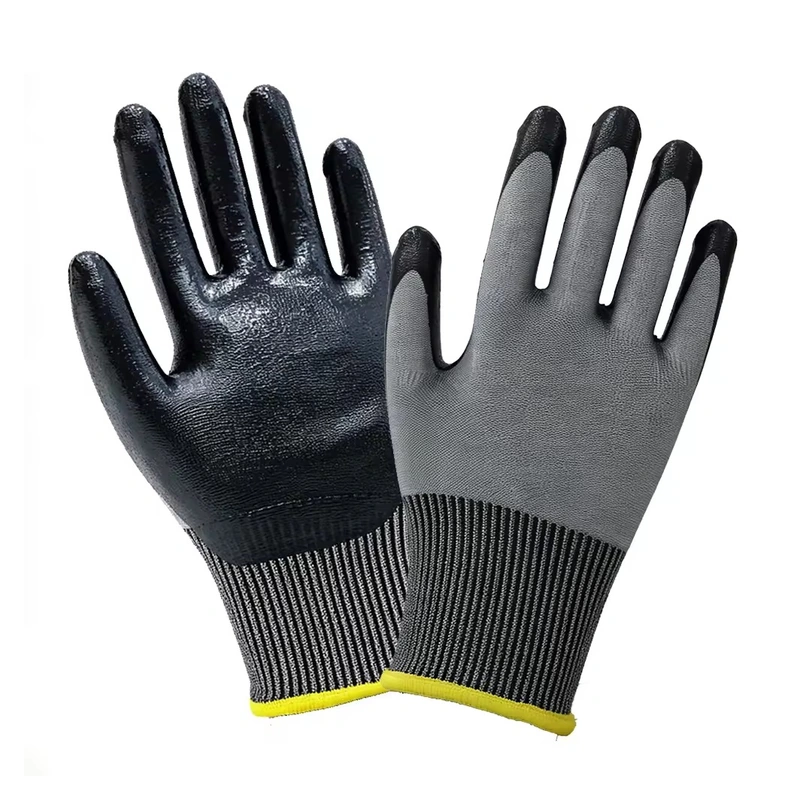
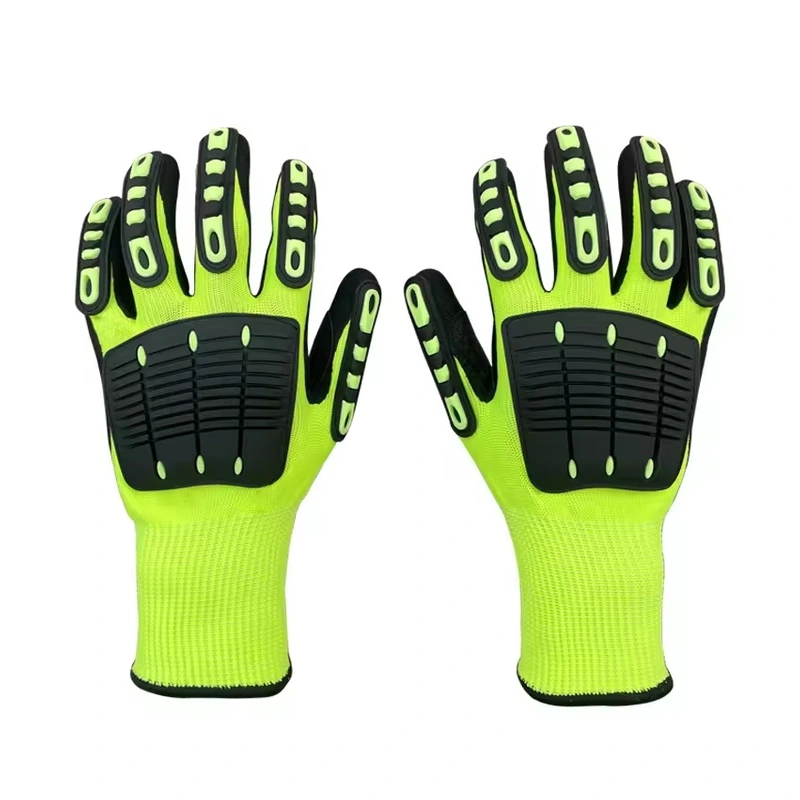
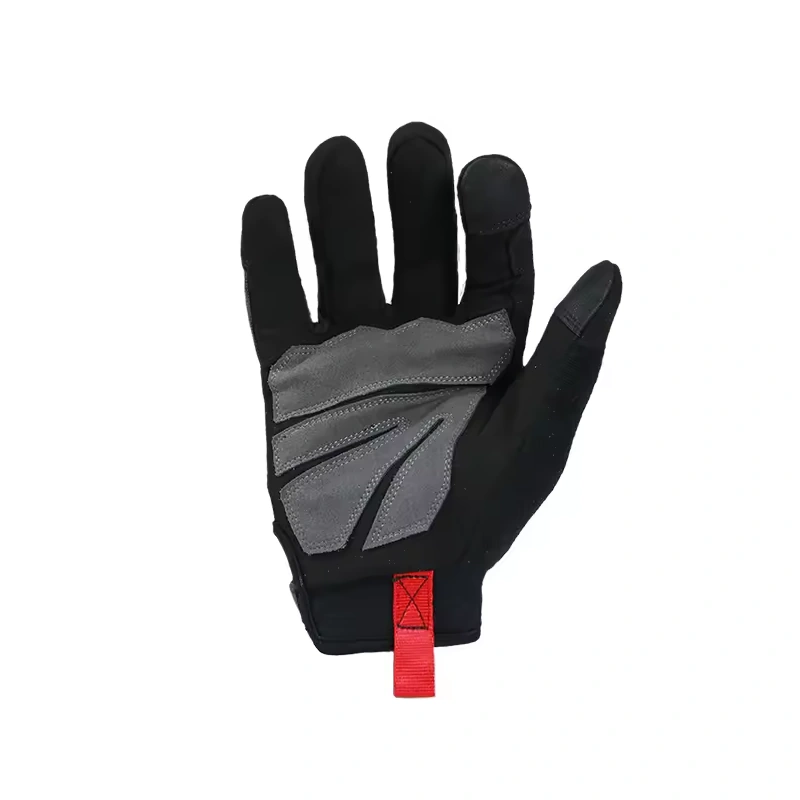
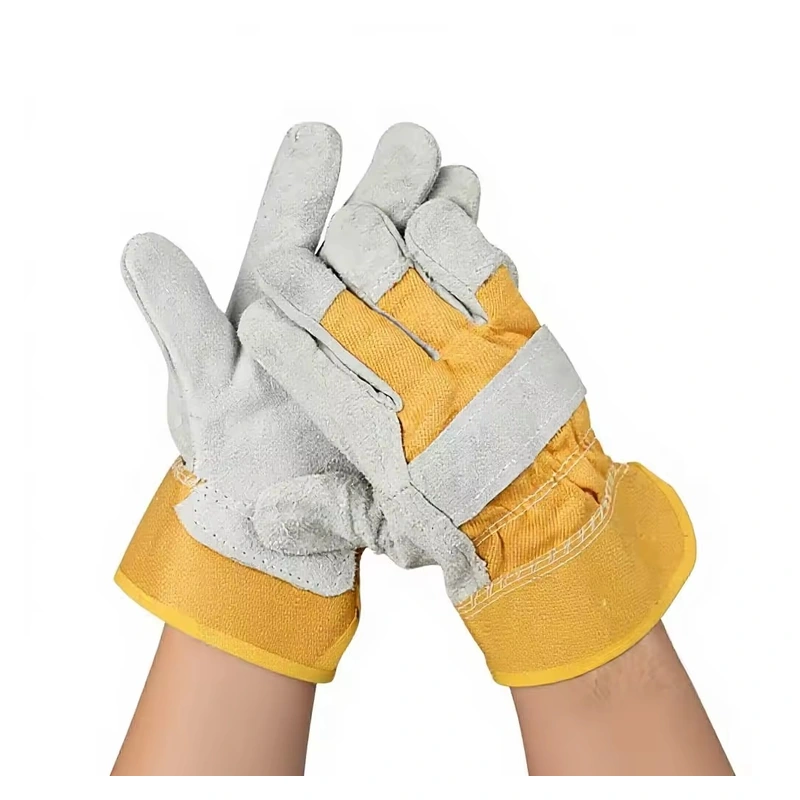
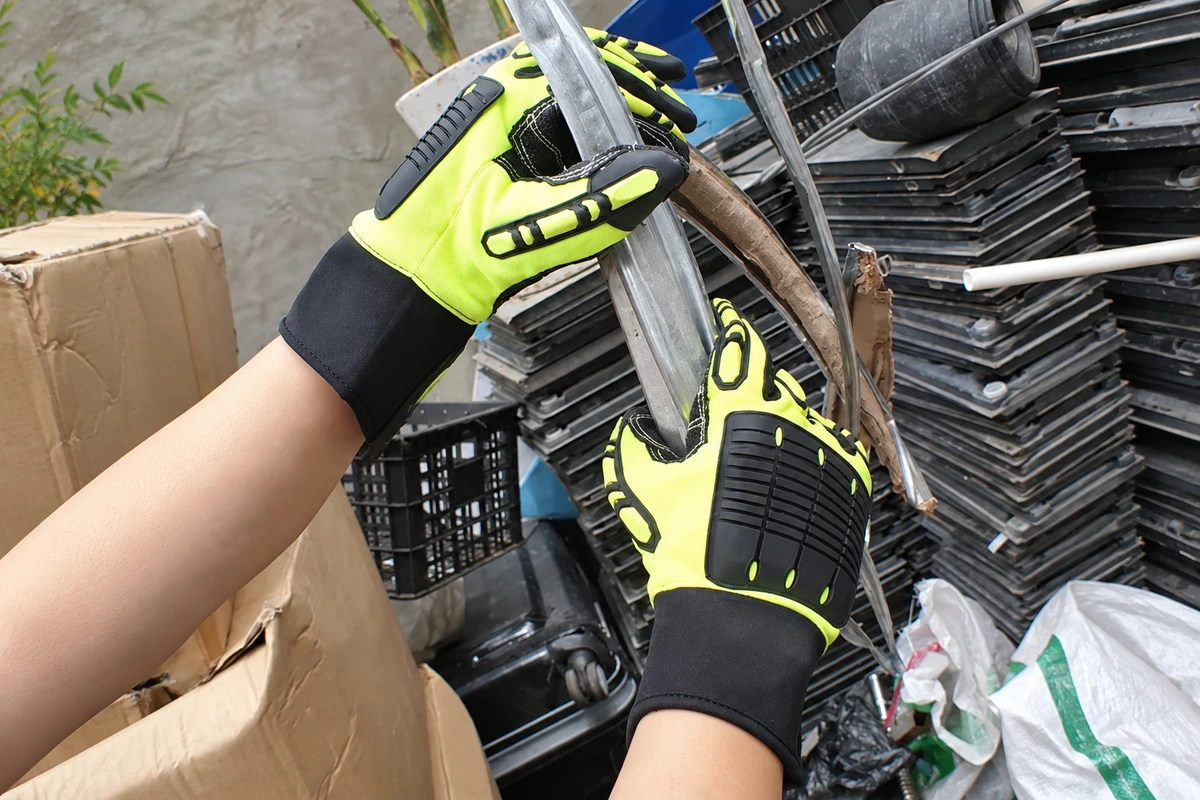
Start with the Work, Not a Generic Glove
No single glove suits every hand hazard. Describe the task, contact points, environment, duration, and required movement to separate essential protection from unnecessary bulk.
- Identify the Hazard
Record sharp edges, abrasion, impacts, heat, chemicals, or other exposure before selecting the glove. - Map Contact Areas
Show where the palm, fingers, thumb, knuckles, or cuff meet tools and materials. - Describe Grip Conditions
Confirm whether handling is dry, damp, oily, dusty, smooth, or rough. - Define Required Movement
Note fine assembly, tool control, lifting, repeated flexing, and expected wear duration.
Balance Liner, Palm, Grip, and Dexterity
Materials and construction affect protection, feel, flexibility, wear life, and cost. Evaluate the whole glove rather than a liner or palm feature alone.
- Liner and Shell
Choose split leather, cotton, polyester, HPPE, nylon, or suitable combinations for the project. - Palm Surface
Match palm material and finish to grip conditions, handling needs, and expected abrasion. - Reinforcement Zones
Add support where repeated contact is likely without making the entire glove unnecessarily heavy. - Dexterity Check
Test finger movement, tool control, seam placement, and comfort on a representative sample.
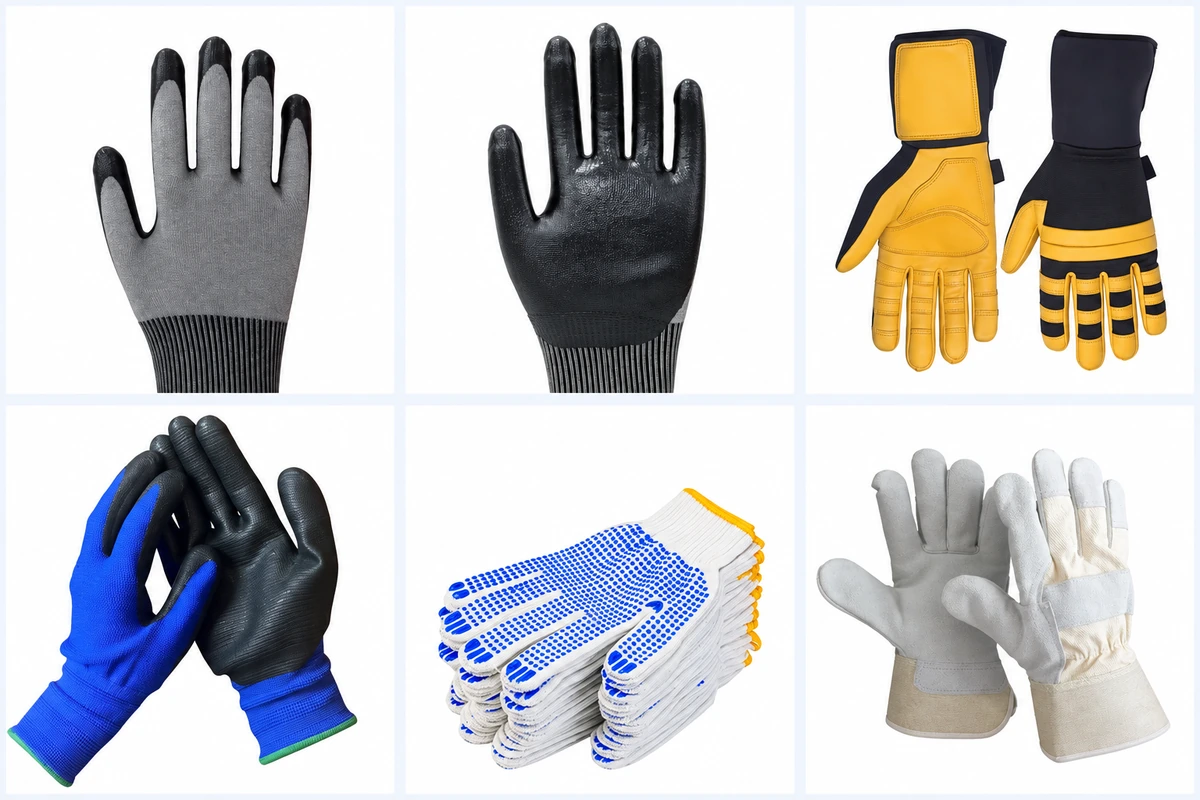
Approve Fit, Cuff, Branding, and Packing
Sample approval covers use performance and commercial presentation. Confirm the size set, cuff security, artwork position, decoration method, labels, and packing before bulk production.
- Size and Fit
Review S–XXL or custom dimensions across the intended user group, not only one sample size. - Cuff Construction
Choose the cuff based on wrist security, entry speed, debris control, and the work environment. - Logo Method
Screen printing, heat transfer, heat press, embroidery, silicone printing, or sublimation depends on the design and material. - Label and Packaging
Confirm required marks, languages, barcodes, pair packing, carton information, and sales-channel needs.
Three Development Trade-Offs to Review
Decide what belongs in the first sample and what still requires testing or confirmation.
Protection Versus Dexterity
Meeting higher protection targets, adding padding, or reinforcing wear zones can affect movement and weight. Set priorities around the actual task.
Compare Product Routes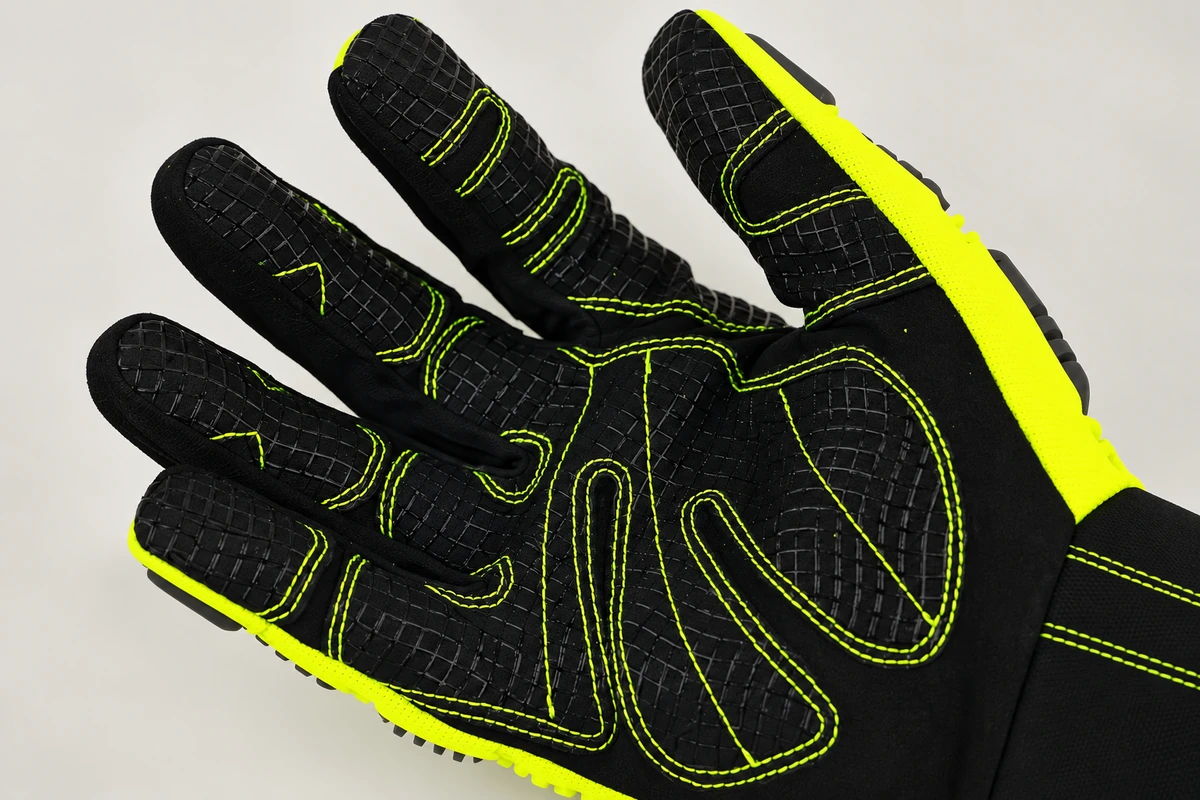
Durability Versus Complexity
Reinforce wear zones before adding features throughout the glove. This can simplify sampling and cost review.
Discuss Construction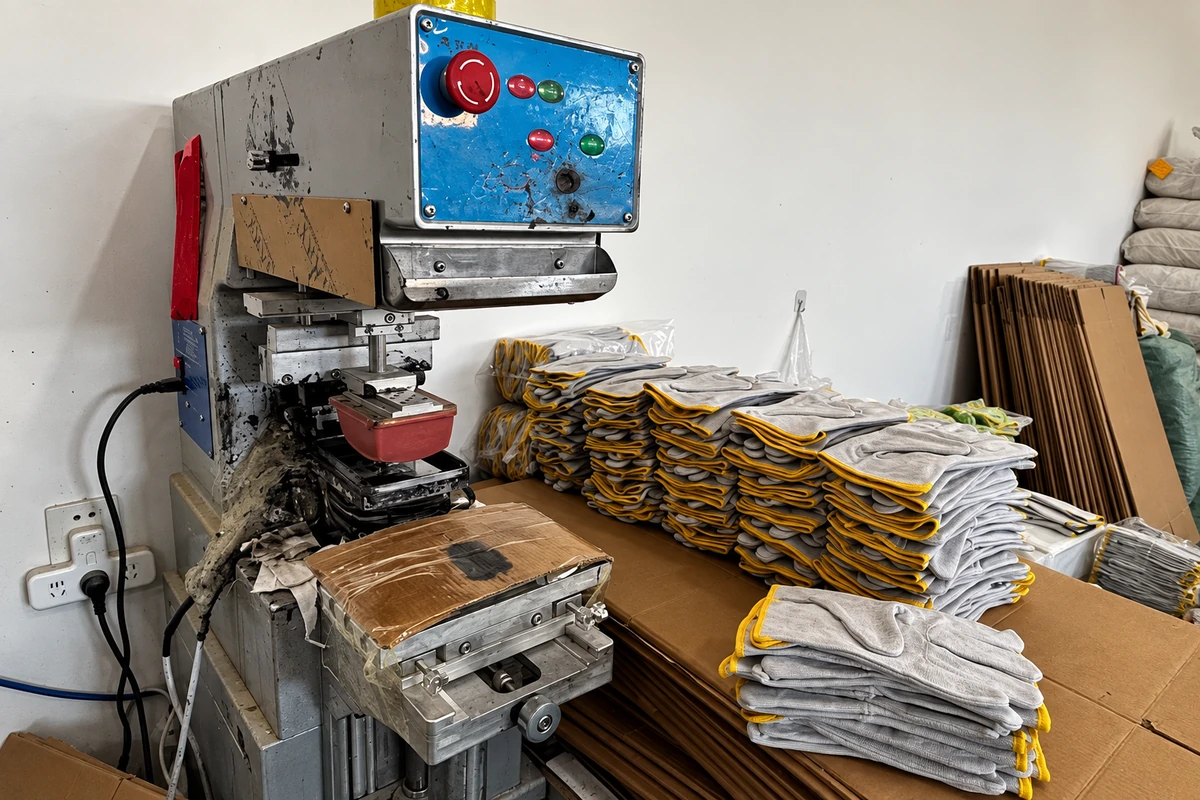
Branding and Material Compatibility
Artwork detail, print method, label placement, and packaging must work with the selected glove materials and quantity.
Review Branding Options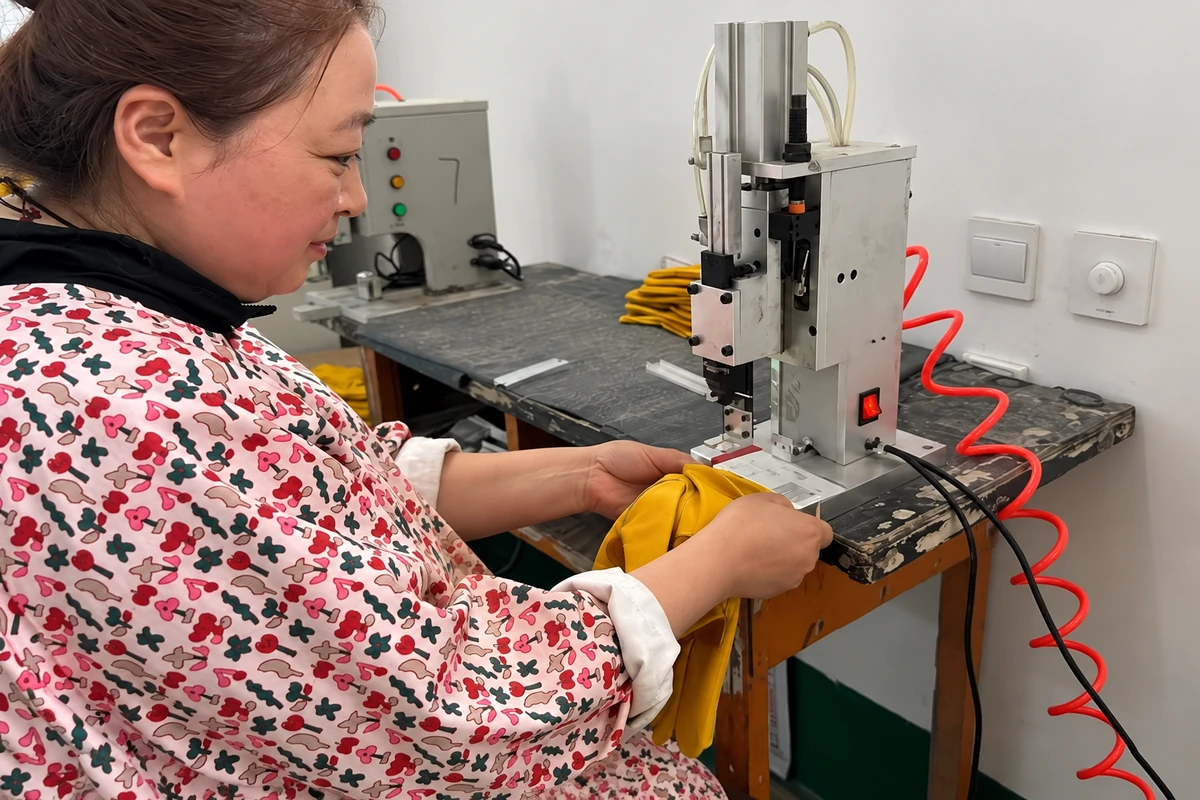
Production Resources for Custom Work Gloves
Our facility supports cutting, sewing across 30 stations, screen printing, hot stamping or embossing, punching, inspection, and packing. Monthly output is typically 30,000–60,000 pairs, depending on the product and complexity. IQC, IPQC, and FQC apply throughout production.
Define Your Custom Work Gloves
Share your work hazards, test targets and quantity for review.
Request a Quote