
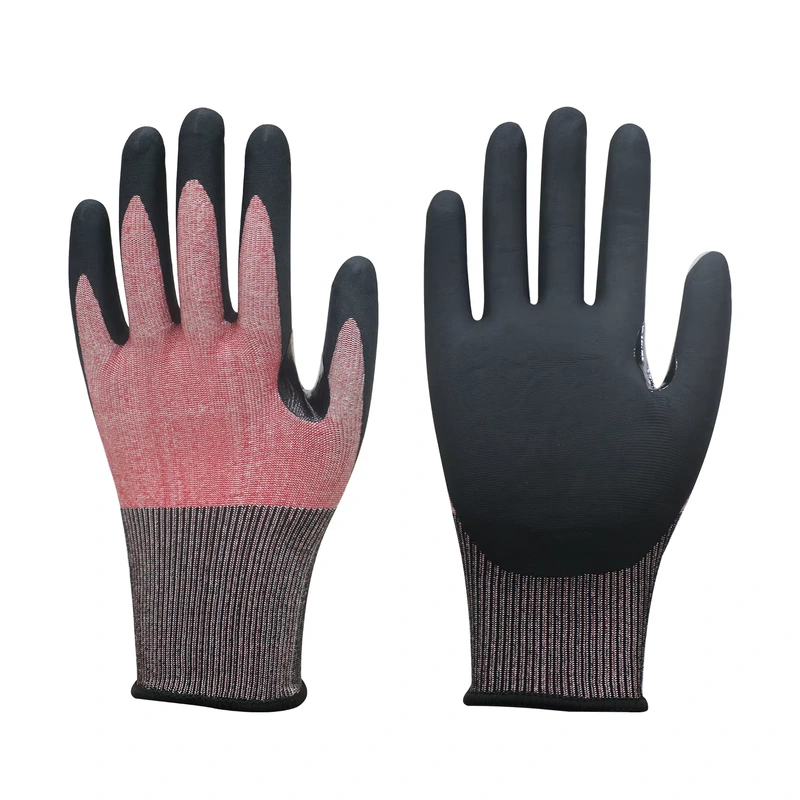
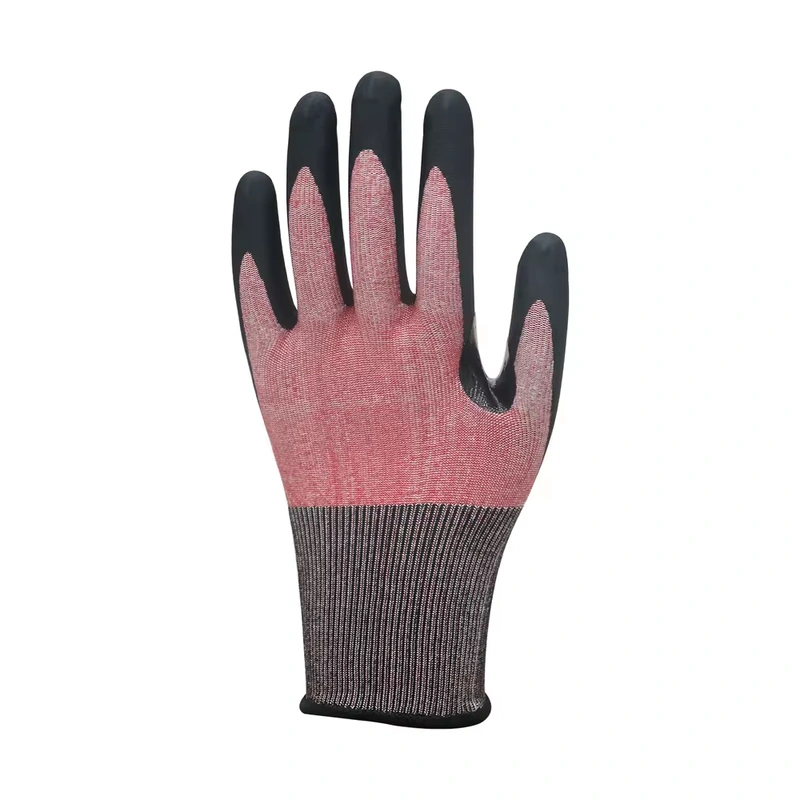
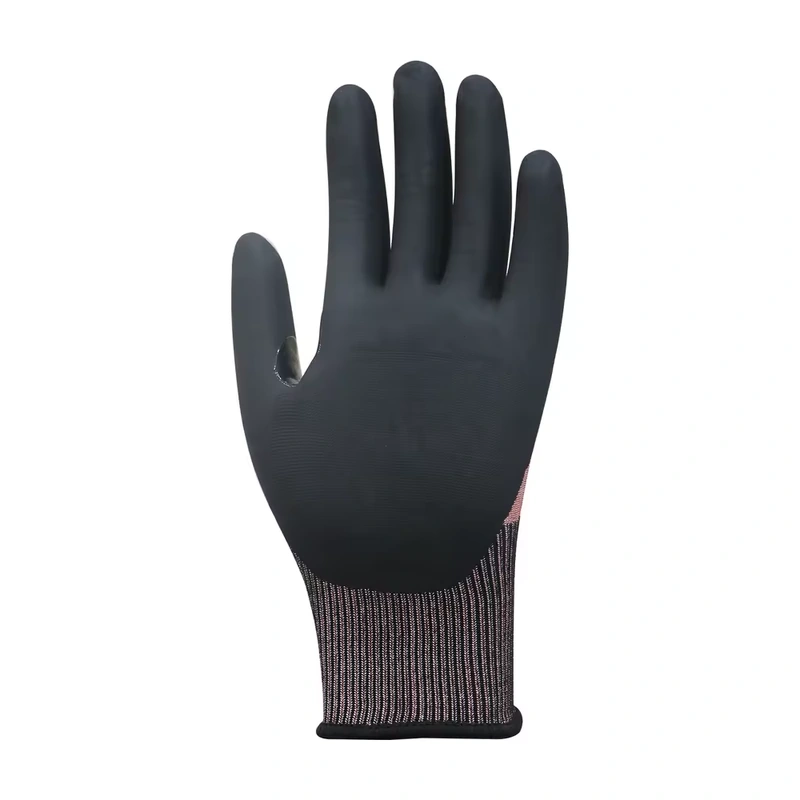
Custom Cut-Resistant Gloves
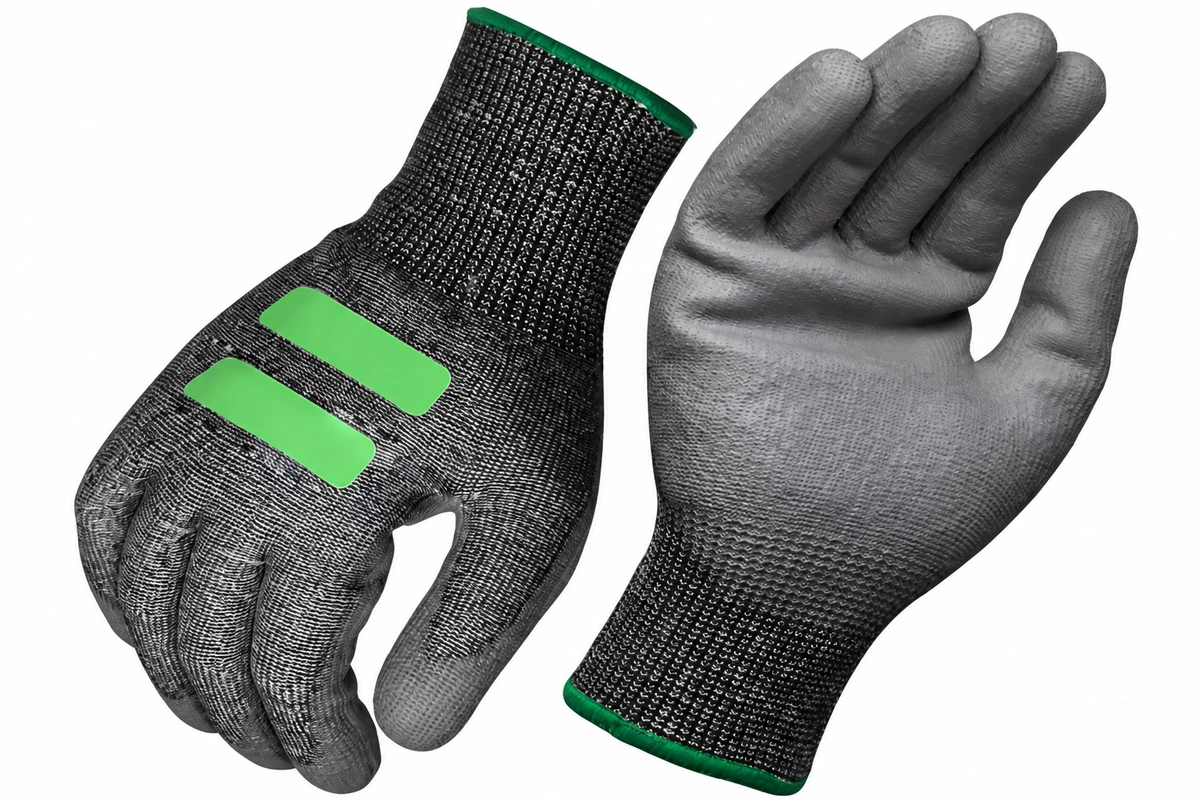
Custom cut-resistant gloves for metal, glass, and sharp-part handling. Choose the liner, grip, reinforcement, fit, and private-label finish around the job; we review the required cut test and sample before production.
- Material: HPPE; Kevlar and special blends by project
- Size: S–XXL or custom measurements
- Color: Fabric, thread, logo, and overall color scheme
- Logo: Process matched to the glove material and artwork
- Packaging: OPP bags, cards, inner boxes, carton labels, or gift boxes
The cut rating, test method, materials, and complex features require project confirmation.
Request a Quote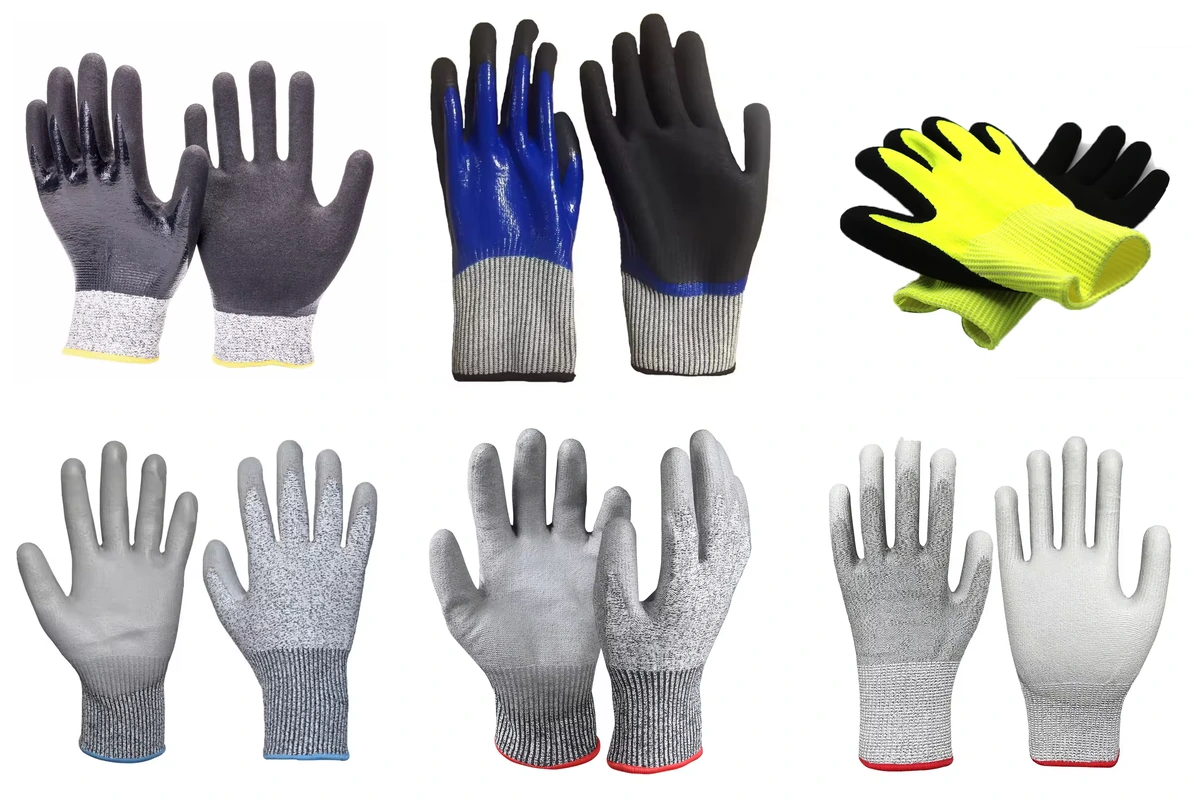
Choose cut protection around the job
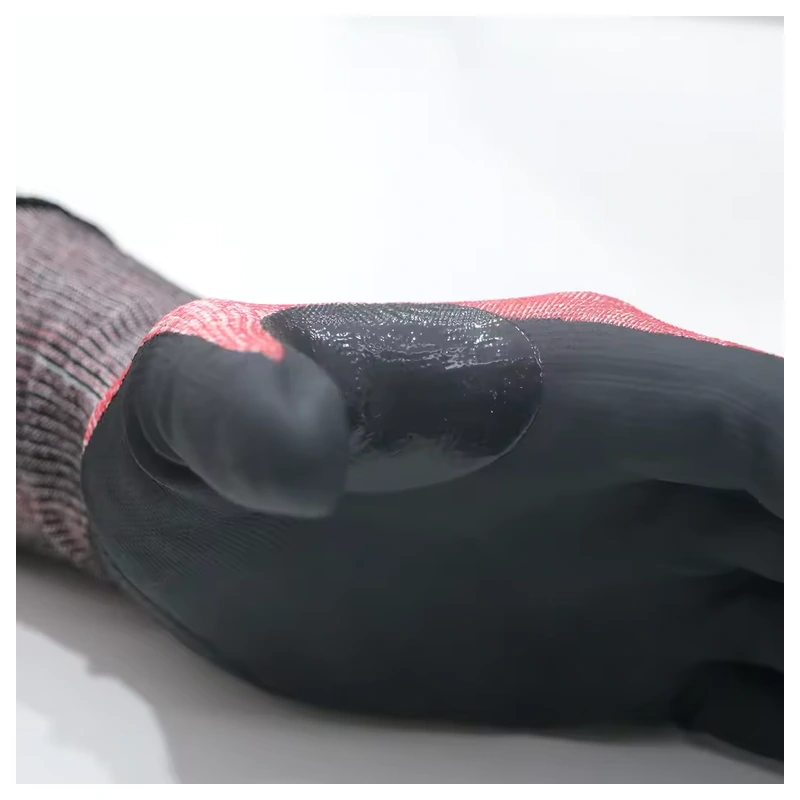
HPPE-based liner: For projects balancing cut resistance with finger movement. Confirm the blend and finished-glove test result. Kevlar or special blends: For requirements that need a separate material and construction review; the fiber name does not establish a protection level. Reinforcement and grip: Place added material at actual wear points and check the sample in the intended dry, damp, or oily conditions.
Cutting, Sewing and Branding for Work Gloves
GloveWise brings cutting, sewing, and brand decoration together to turn a functional glove design into a finished private-label product.
Reinforcement Made to the Pattern
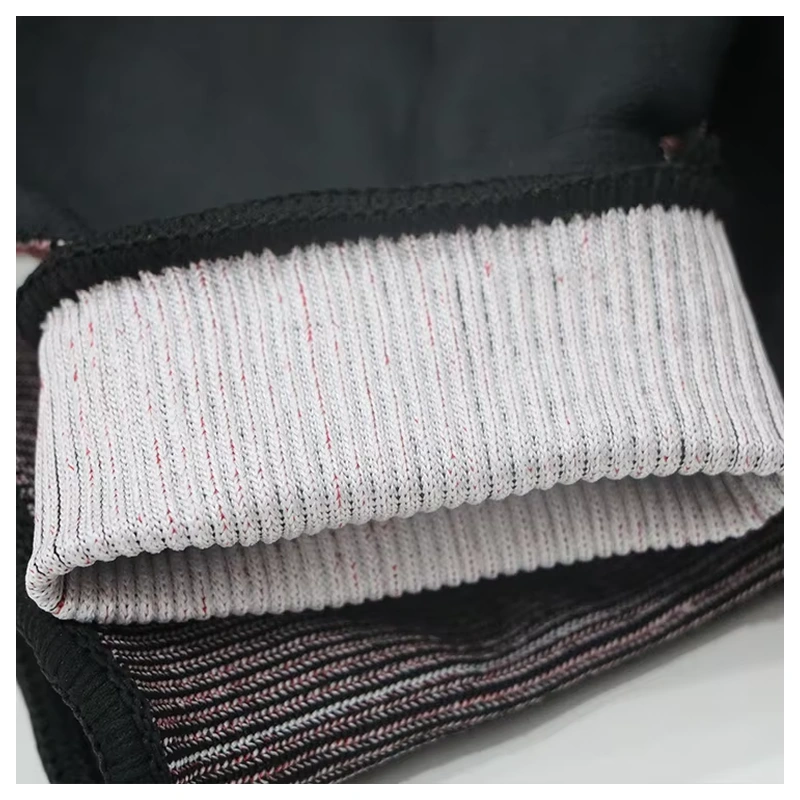
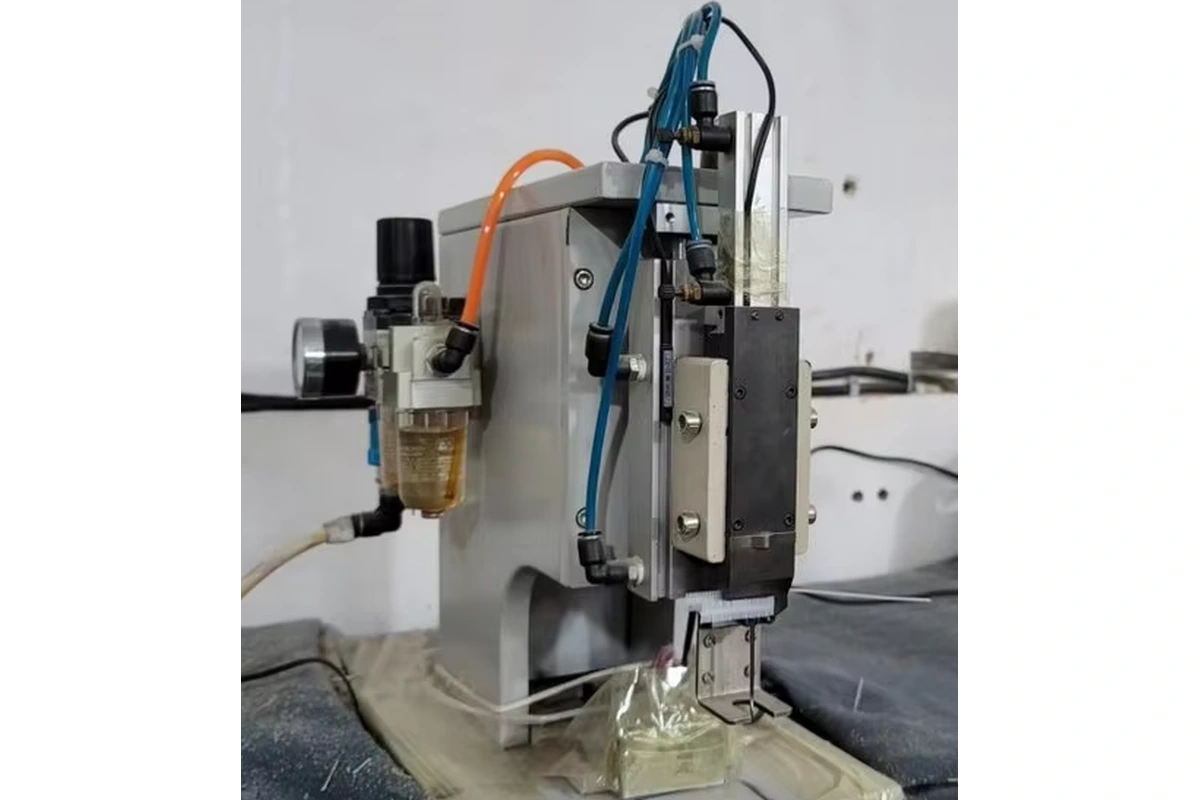
Shaped leather and fabric reinforcement pieces are cut and sewn to the same pattern, keeping the panels aligned with the glove.
Screen Printing in Our Workshop
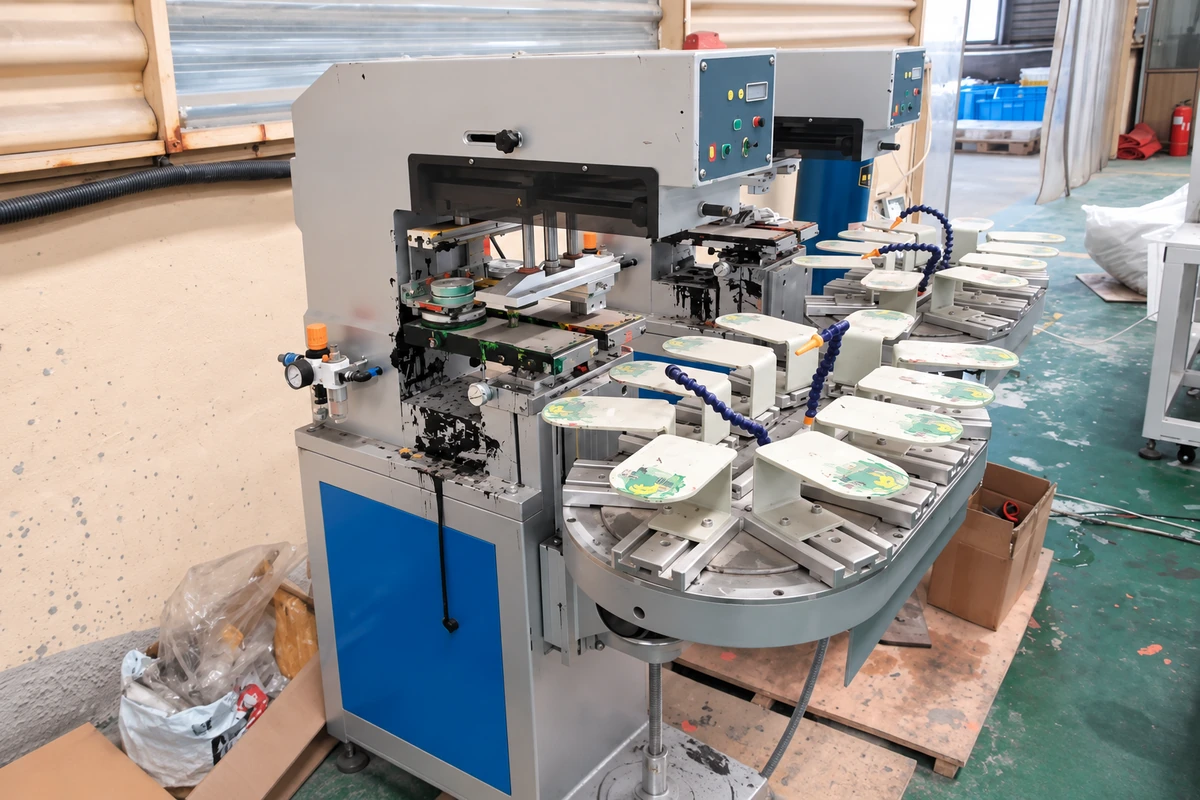
In-house screen printing is part of glove production, with logo placement checked throughout the order.
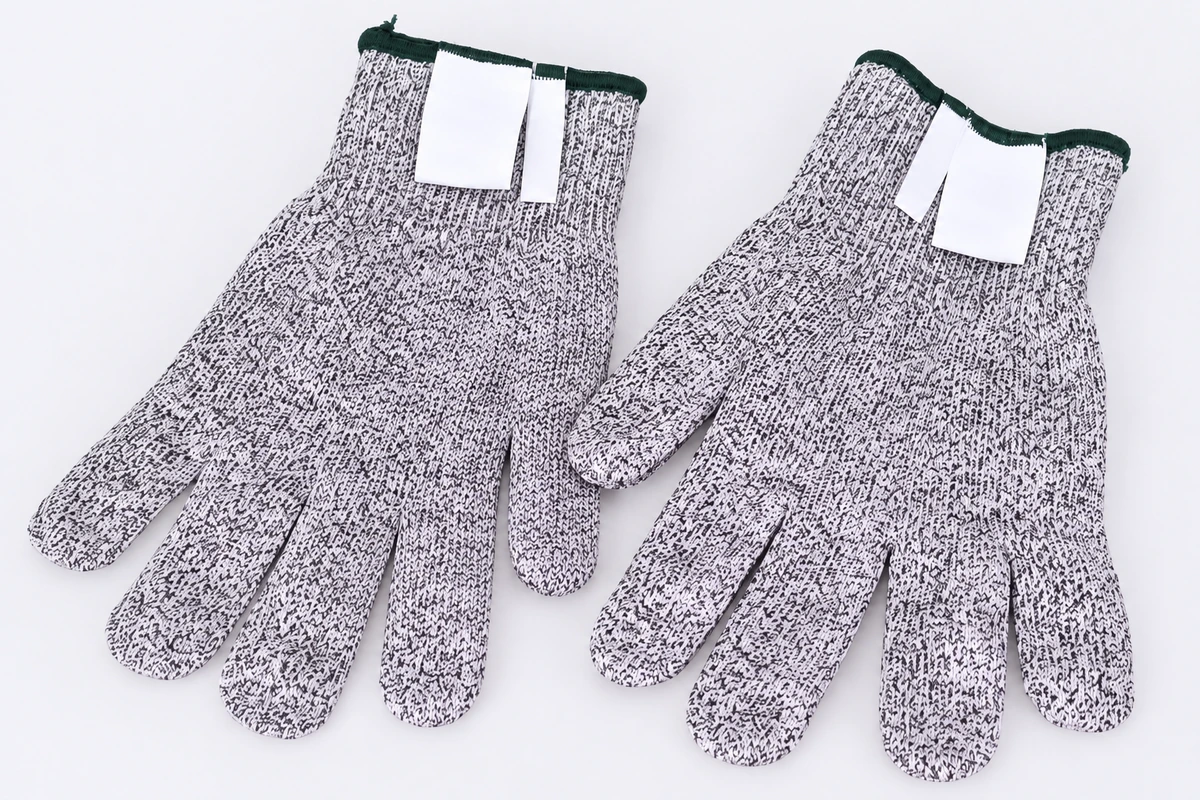
Woven Branding and Pair Presentation
Woven branding, size identification and coordinated pair presentation can give the range a recognizable finish beyond the main logo.
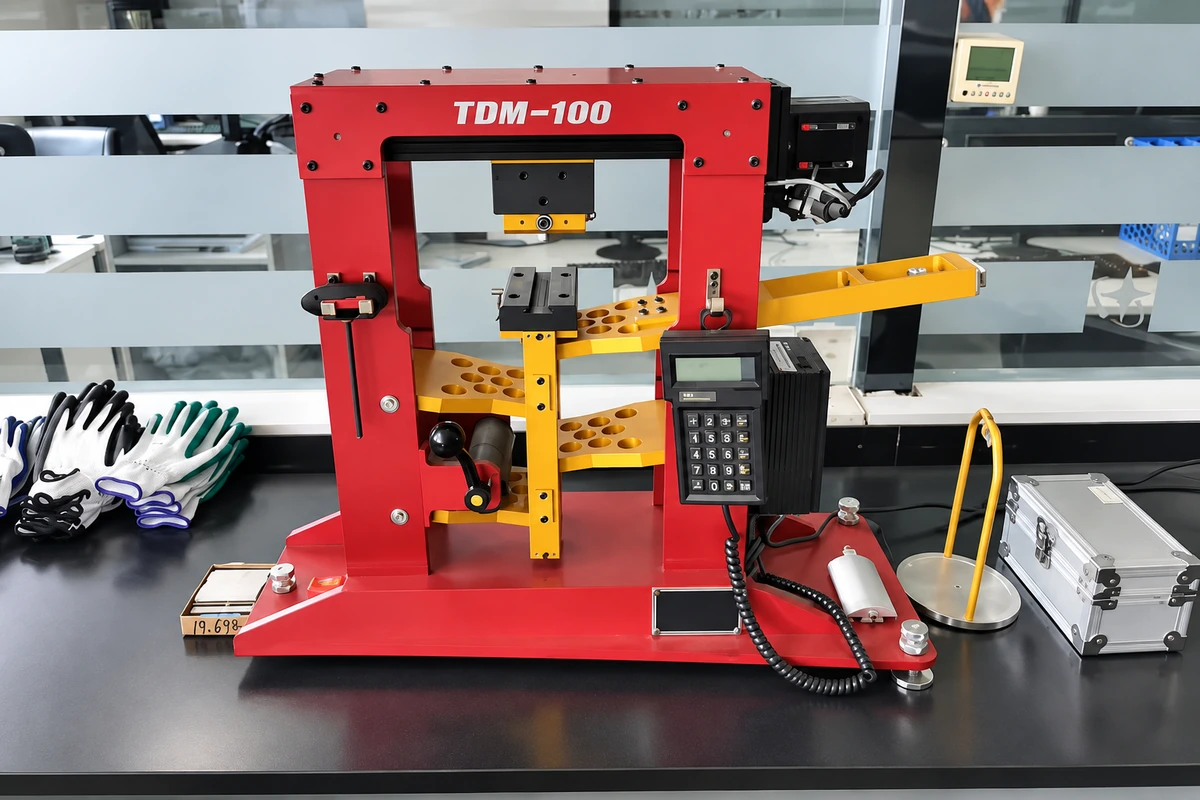
Set a Verifiable Cut-Resistance Target
Use the job and destination market to define the required test method. A fiber name, an old level label, or a supplier description cannot replace a result for the agreed glove construction.
- Task Hazard Review
For metal, glass, and sharp-part handling, identify the edge, force, frequency, and contact pattern before selecting a test target. - ANSI/ISEA 105 Cut Level
For North American safety programs, use an A1–A9 classification only after the applicable test result is available for the agreed glove. - EN 388 Cut Result
For European or EN-based specifications, confirm the expected marking and ISO 13997 result in the testing plan; do not claim an untested level. - Approved Production Reference
For repeat orders and private-label lines, record the sampled construction, size, materials, branding, and packing as the manufacturing reference.
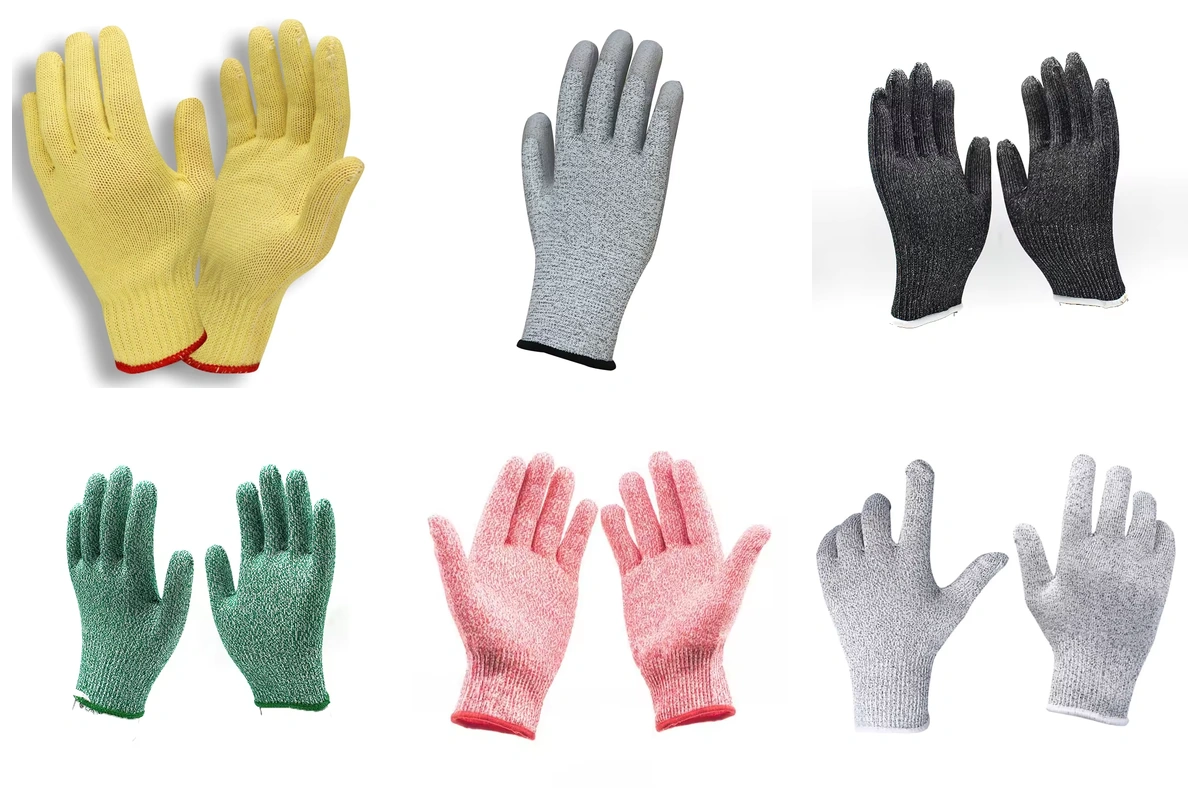
Choose the Liner Around the Whole Task
Select the liner for the test target, hand movement, bulk, wear areas and cost. Confirm the yarn and construction on a sample; a fiber name does not establish performance.
- HPPE-Based Liner
For cut-resistant work gloves where lower bulk and hand movement matter, confirm the project-specific fiber composition and target performance through sample testing. - Kevlar Blend
For special functional material projects, confirm availability, construction, cost, and any heat-related or cut-performance expectations; the fiber name alone is not a rating. - Nylon or Polyester Components
Nylon or polyester components may support fit, color, or construction. Their role depends on the final yarn and glove design; they are not the cut-resistant element by default. - Reinforced Palm Areas
For repeated handling that creates localized wear, approve the reinforcement position and material on the sample; reinforcement changes bulk and flex.
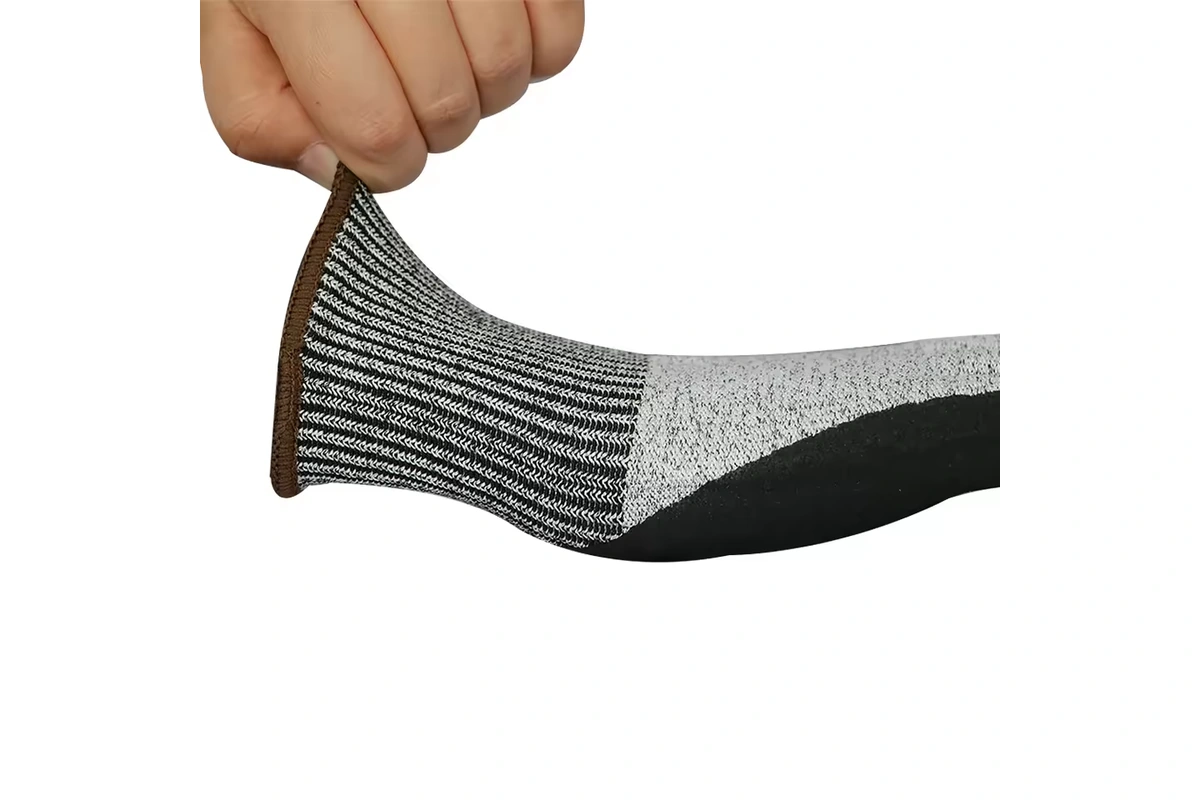
Balance Fit, Grip, and Dexterity
Check size grading, finger movement, wrist stability and reinforcement placement against the task on the development sample.
- S–XXL Size Range
For multi-size distributor and workforce programs. Confirm the size run, quantity split, and approved measurements before production. - Custom Hand Measurements
For brands using their own fit standard or reference glove. Provide palm circumference, finger length, overall length, wrist opening, or a physical sample. - Cuff and Wrist Opening
For tasks needing a more stable or easier-on wrist design. Confirm the opening measurement and required tightening structure because it changes fit and use. - Pre-Curved Fingers and Palm Reinforcement
For repeated tool or material handling. Approve movement, reinforcement position, and added bulk on the sample before locking the specification.
Match the Branding Method to the Glove
Select branding after the material and logo area are known. Artwork detail, color count, placement, wear conditions, and order quantity determine which verified process is practical for sampling.
- Screen Printing
For clear graphics on a compatible surface. Approve ink, colors, artwork size, placement and wear requirements. - Heat Transfer
For detailed or multicolor artwork on compatible materials. Check heat response, adhesion, edges, flex and finished feel. - Embroidery
For compatible textile panels or labels. Check stitch density, backing, thickness, placement and comfort. - Silicone Printing
For raised or tactile brand details on compatible areas. Confirm material adhesion, thickness, artwork detail, color, and placement before bulk production.
Plan Retail or Bulk Packaging Before Sampling
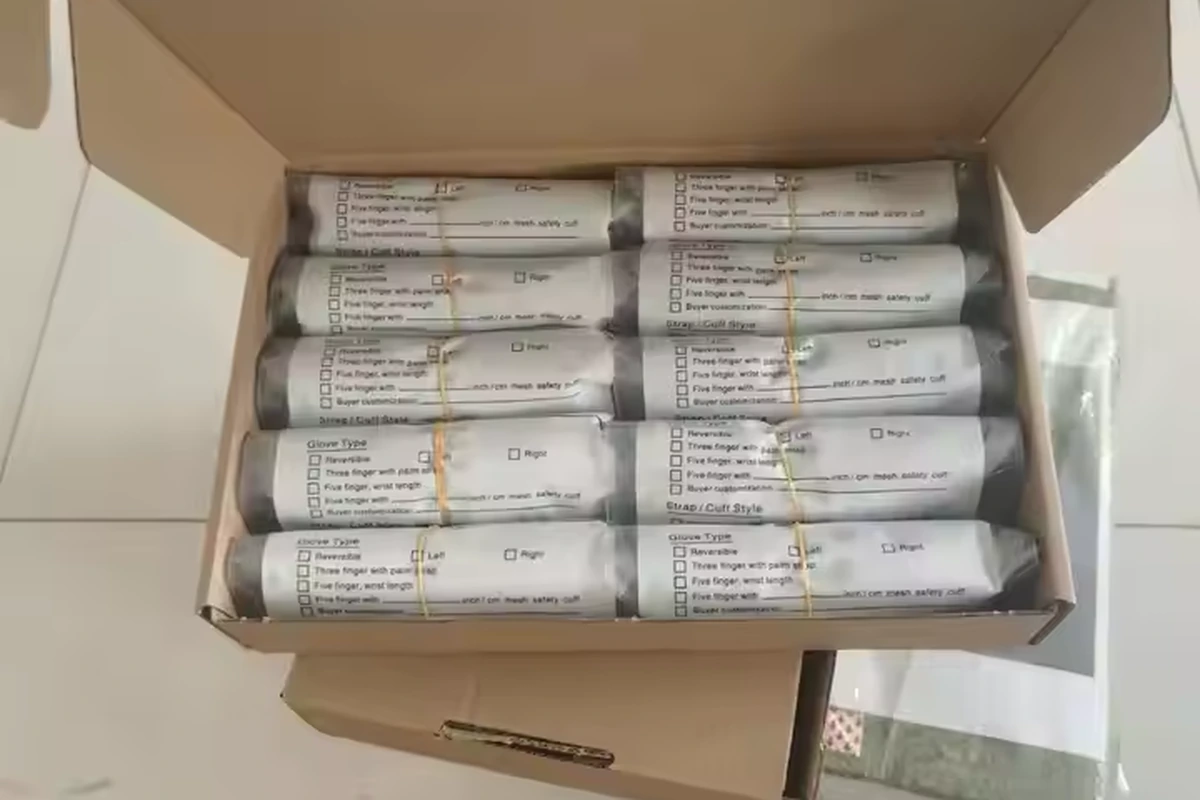
Packaging affects labeling, carton quantity, display, freight preparation, and cost. Define the selling unit, required marks, barcode or artwork, destination, and carton information while the sample is being developed.
- Single-Pair OPP Bag
For simple protection and pair separation. Confirm bag size, warnings, labels, sealing, and whether the material meets destination requirements. - Paper Card or Hang Card
For retail identification and display. Provide approved artwork, size, language, barcode, hole position, and attachment method. - Multiple-Pair Inner Box
For distributor packs or organized warehouse handling. Confirm pairs per box, size mix, inner labels, dimensions, and packing sequence. - Outer Carton Label
For shipment identification and inventory control. Confirm item code, size, quantity, shipping marks, carton count, destination, and any customer format. - Custom Gift Box
For gift presentation or promotional programs, the structure, artwork, insert, material, MOQ, cost, and transport protection require project confirmation.
Related Custom Products
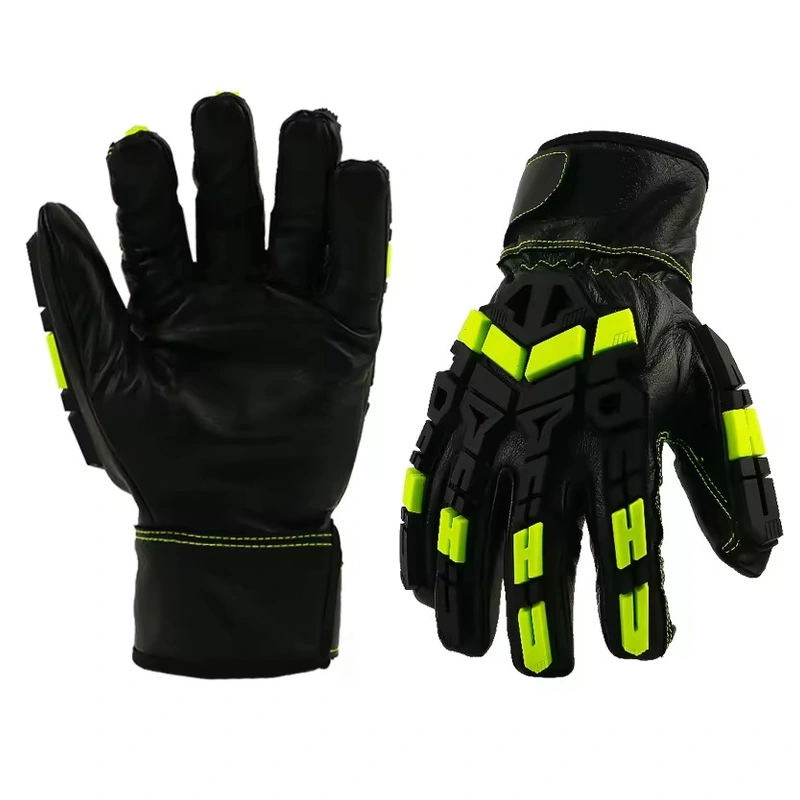
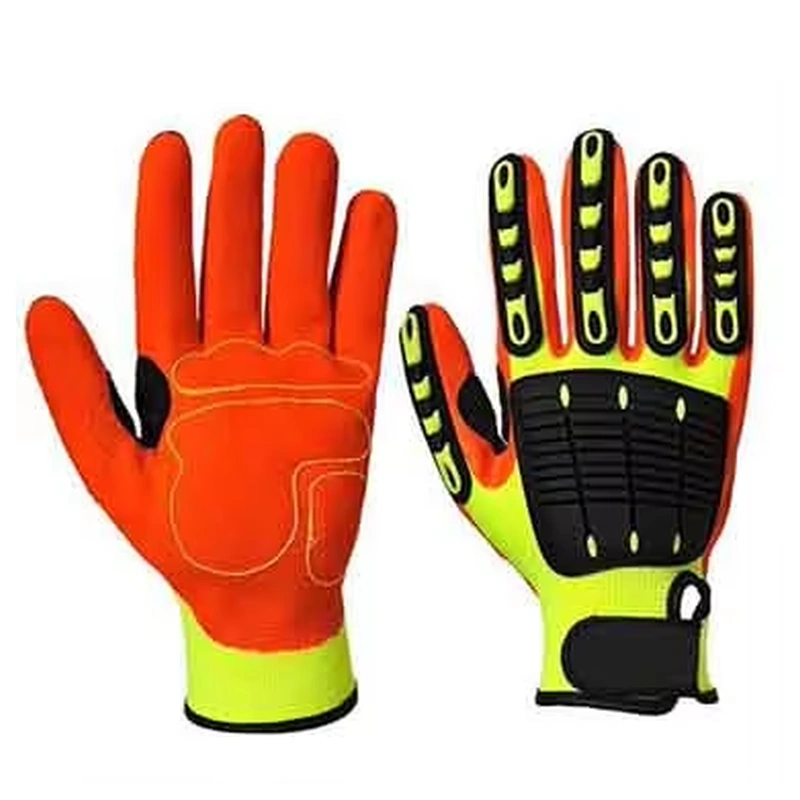
Compare related products for the same project or application.

Control the Specification From Sample to Shipment
After the brief and quotation are agreed, GloveWise prepares a sample for material, construction, size, branding and packaging approval. Bulk production follows the written reference. Incoming, in-process and final checks cover materials, dimensions, workmanship, pairing, quantity and packing before release.
Review Your Cut-Resistant Glove Project
Share your task and cut-resistance targets for project review.
Request a Review