
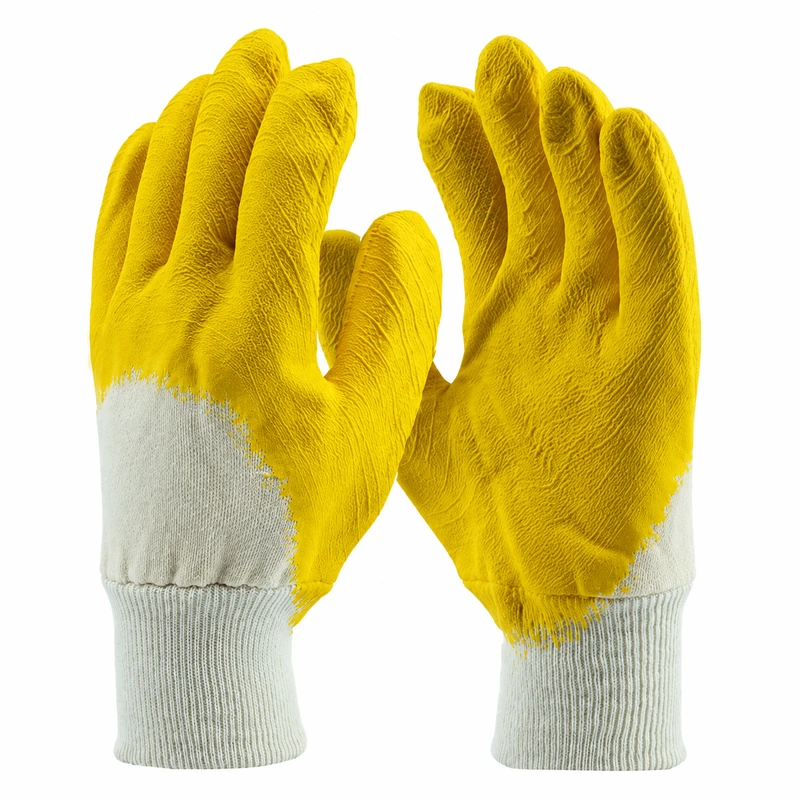
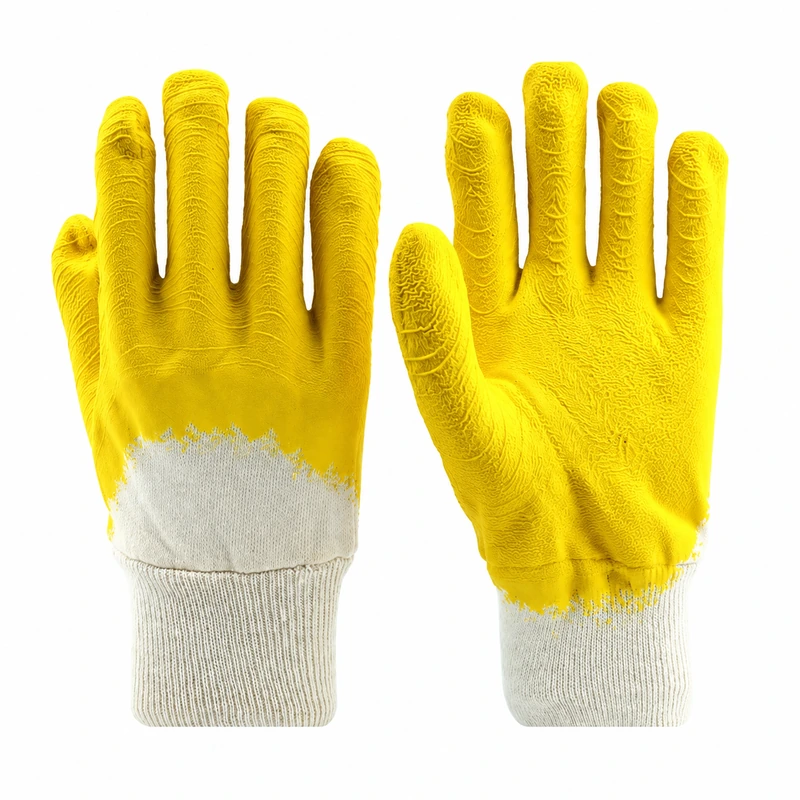
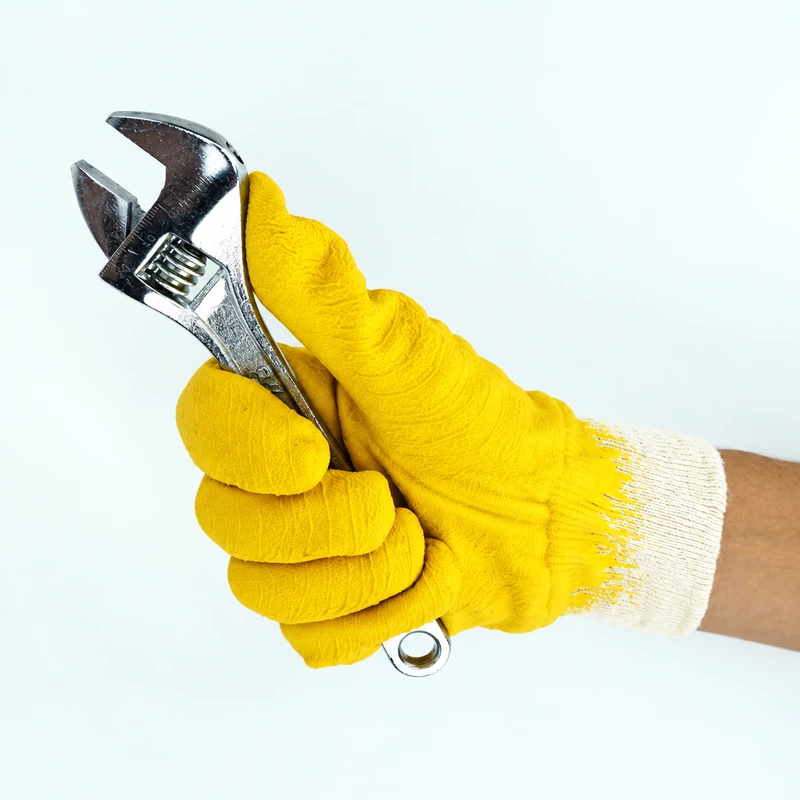
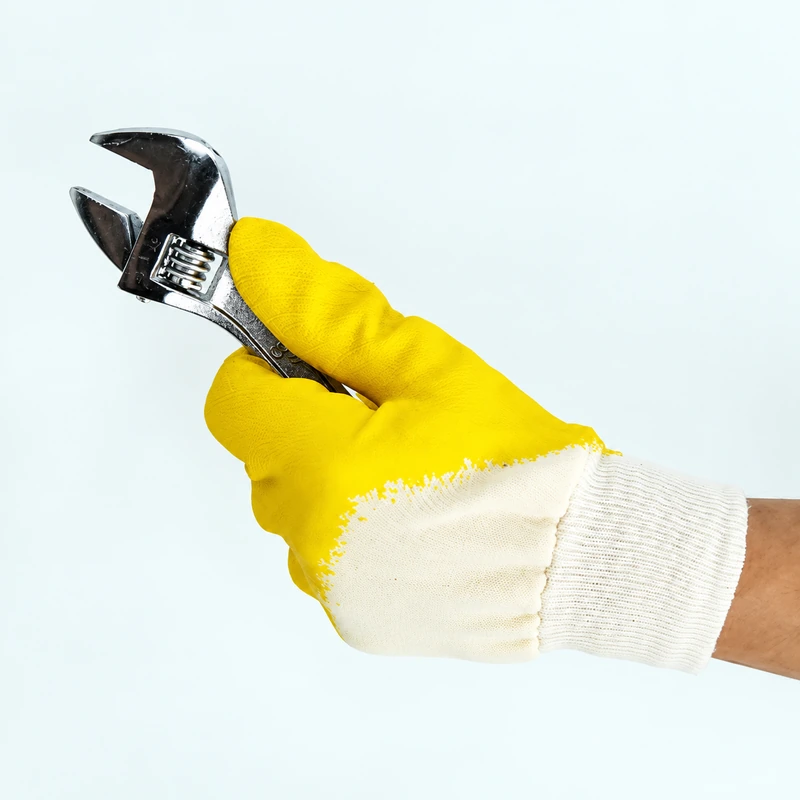
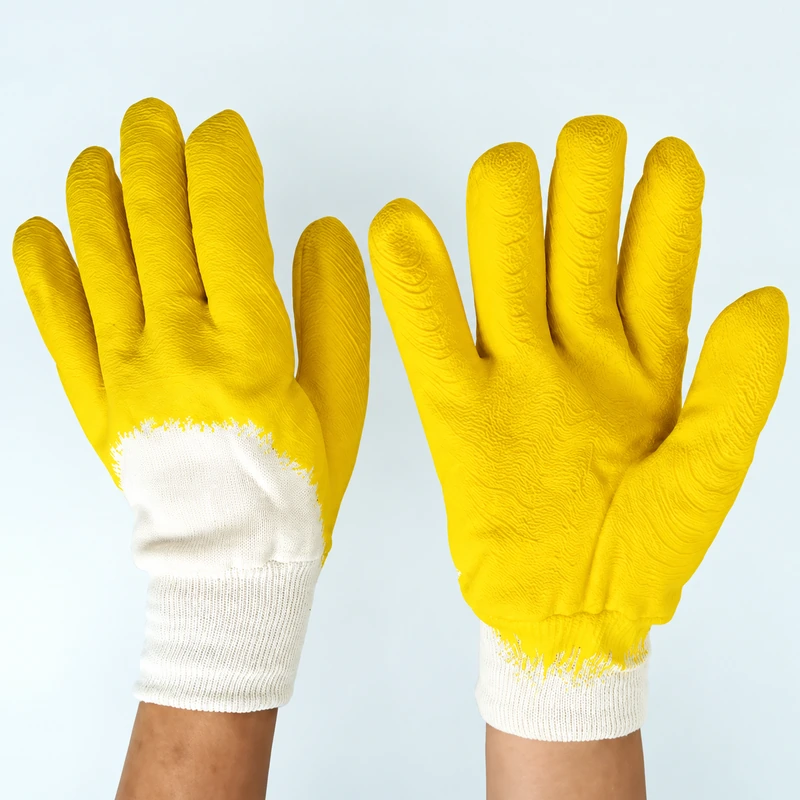
Custom Construction Gloves
Custom construction gloves for material handling, carpentry, loading, and general site work. Compare leather and textile options with task-specific reinforcement, fit, cuffs, branding, and packaging.
- Worksite Tasks: Building, carpentry, material handling, and warehouse work
- Material Route: Split leather, cotton, polyester, HPPE, or nylon
- Grip and Wear: Palm reinforcement and anti-slip details by task
- Size and Fit: S–XXL or reviewed custom measurements
- Private Label: Logo, labels, and packaging to approved files
Final materials, protection targets, test methods, MOQ, and timing require confirmation for each construction-glove specification.
Request a Quote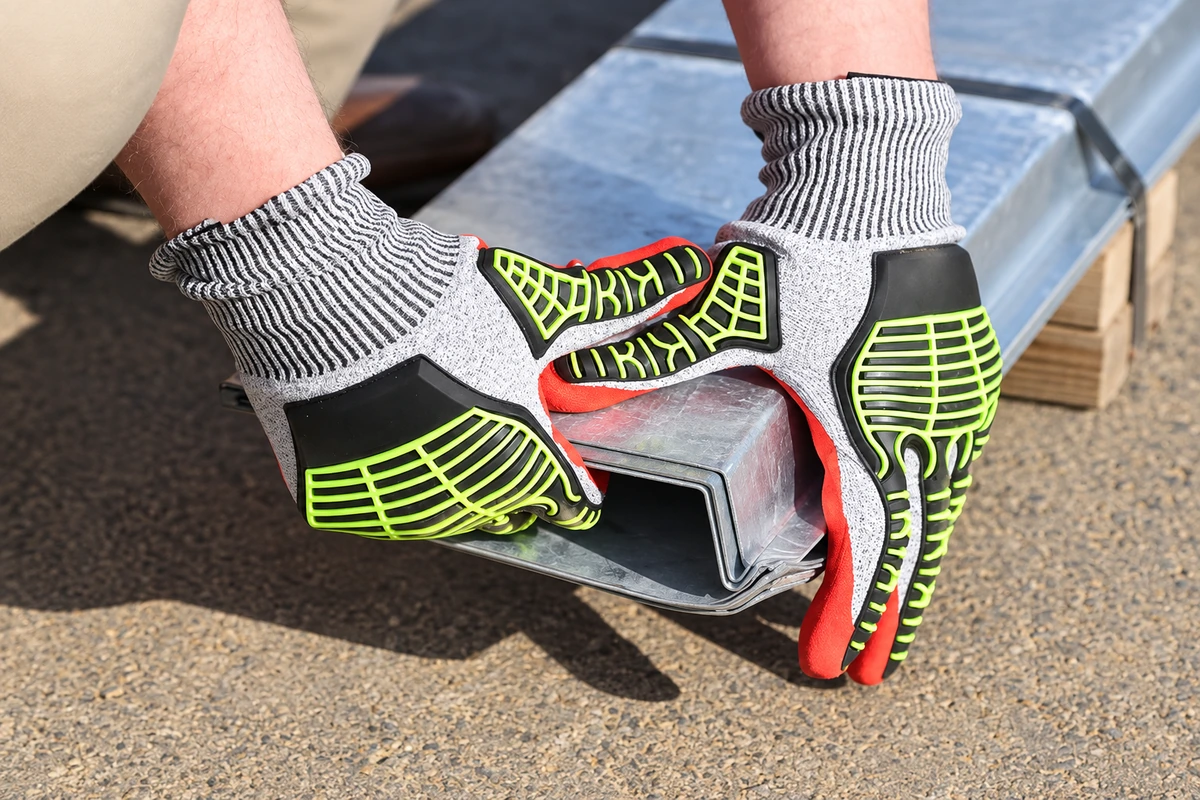
Select by the worksite task
Material handling: Review split leather or a suitable textile build around rough surfaces, repeated contact and palm wear. Carpentry and tool work: Prioritize fingertip fit, movement and secure grip. Any cut or other protection target needs its own test evidence. Loading and general work: Match cuff entry, reinforcement and the size mix to repeated lifting and the actual grip conditions.
Manufacturing Support for Your Workwear Range
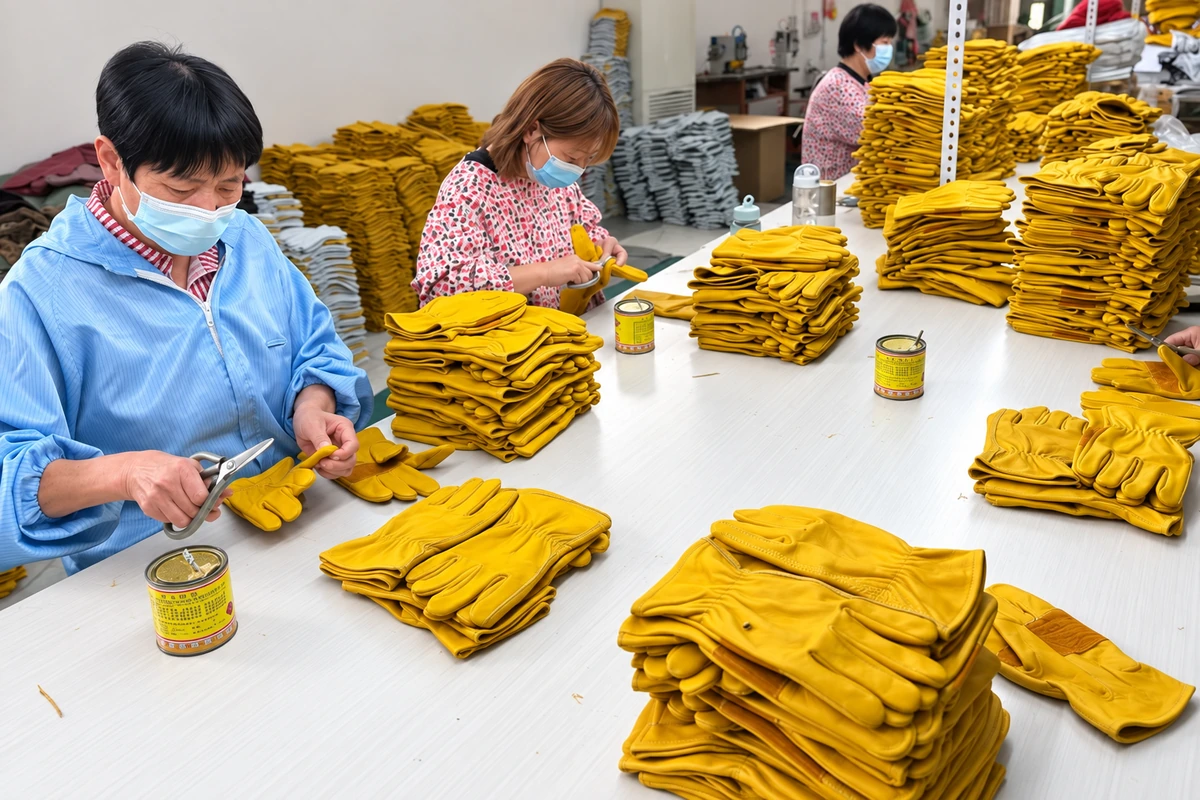
GloveWise's own Haining factory combines dedicated glove sewing lines with cutting and printing capability for custom workwear projects.
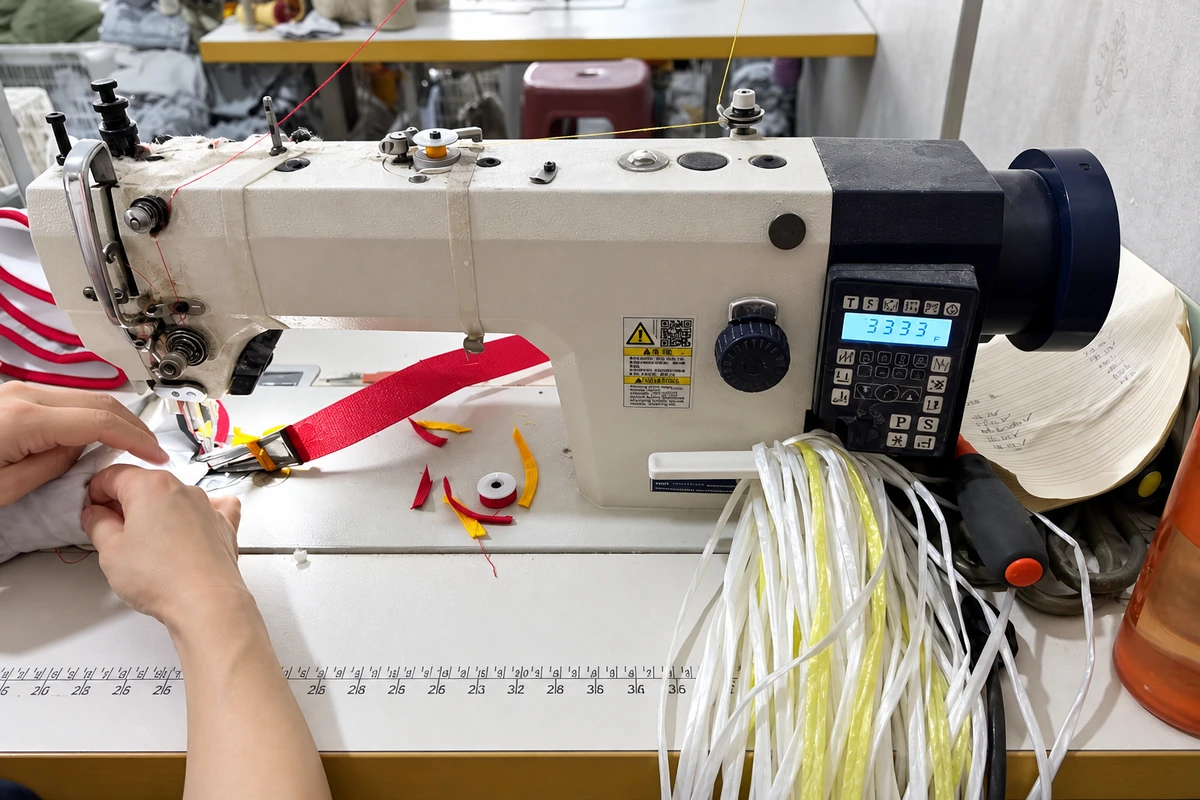
Dedicated Glove Sewing Capacity
The workshop’s 30 sewing stations assemble glove panels, reinforcements and wrist details.
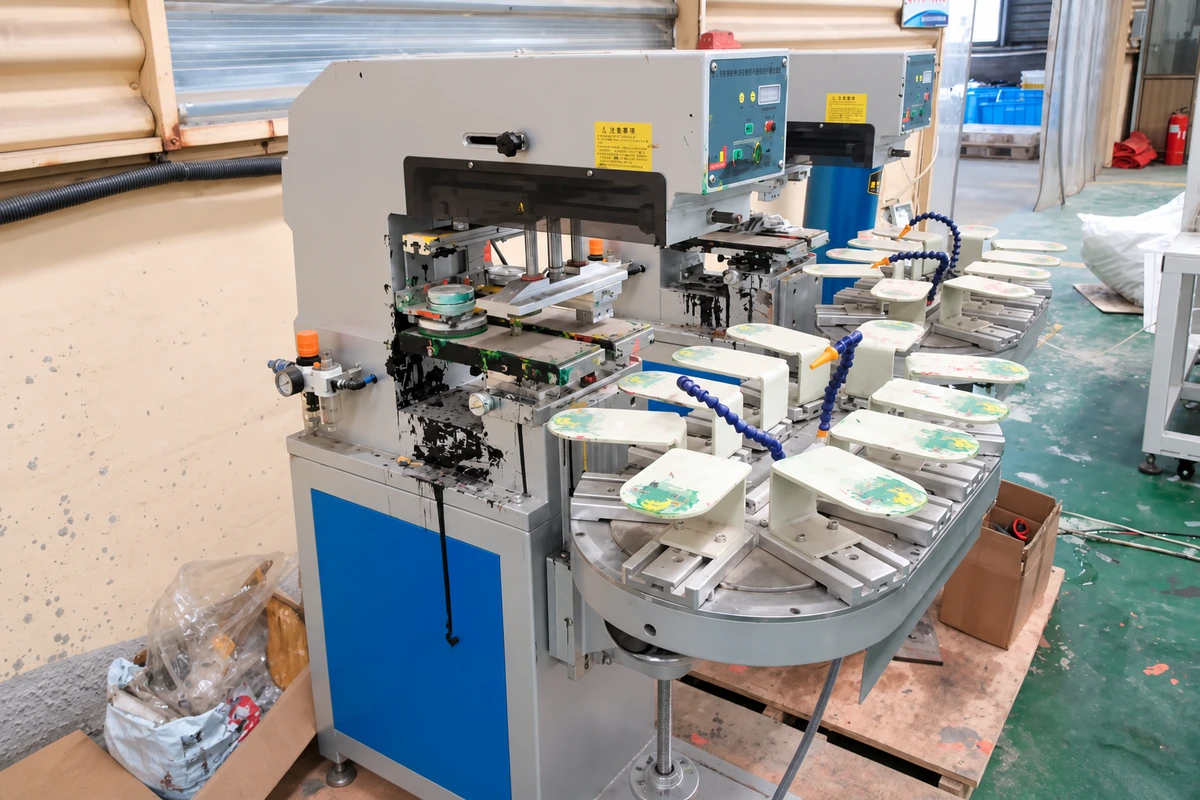
Brand Printing Close to Production
Factory screen printing is coordinated with sewing. Production checks cover print placement and surrounding construction against the same reference.
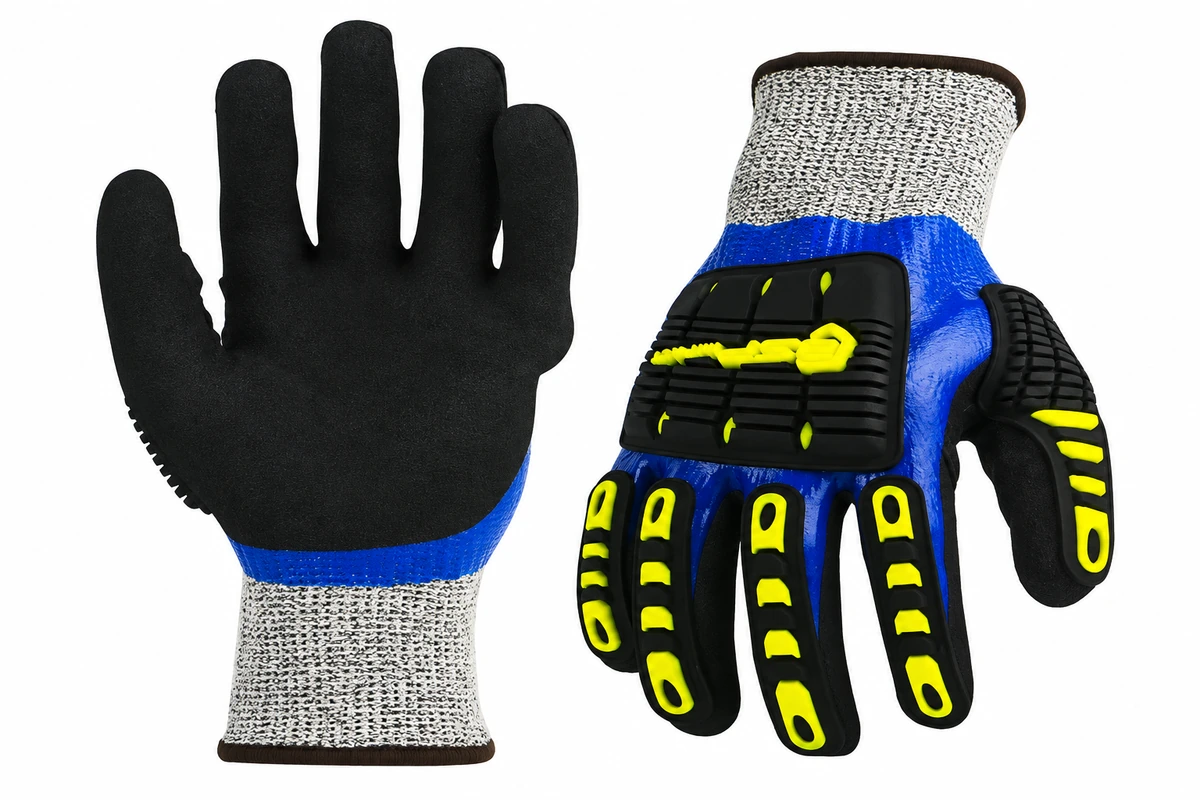
Coordinated Workwear Colors
Material, thread and logo colors are developed together for a consistent workwear appearance across glove constructions.
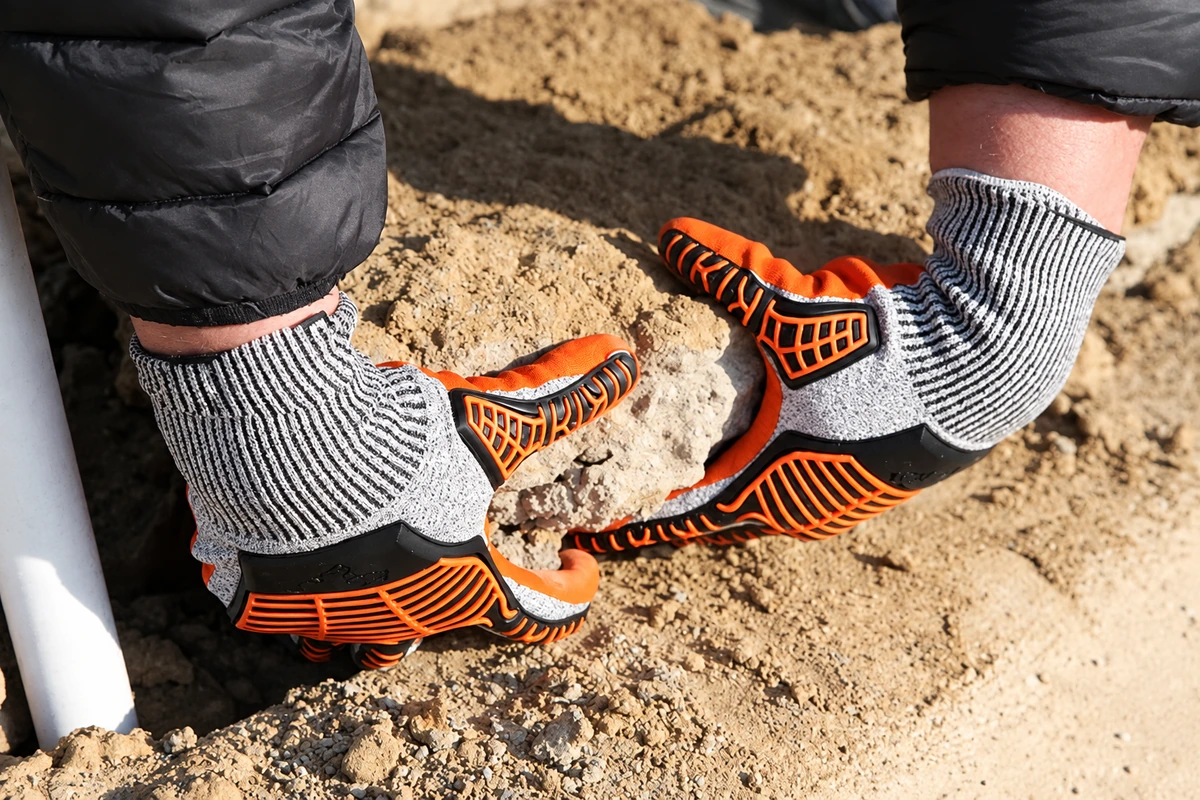
Build a Worksite Task and Hazard Brief
Define the activity, contact surface, grip conditions, wear points, duration and hazards. Task-specific protection may require different materials, construction or verified performance from a daily construction glove.
- Material Handling
For crews moving timber, blocks, cartons, or site supplies, record contact surfaces, repeated wear areas, and dry or slippery grip conditions before selecting the material. - Carpentry and Tool Use
For teams handling lumber, hand tools, fittings, and fasteners, prioritize fit and finger movement; sharp edges or puncture exposure require a separate hazard review. - Warehouse and Loading
For receiving, loading, picking, and internal logistics, confirm repetition, surface condition, grip demand, and cuff preference for the intended shift. - General Heavy Work
For mixed non-specialist site tasks requiring daily durability, define wear zones and duty cycle; chemical, thermal, electrical, or severe mechanical hazards need separate PPE selection.
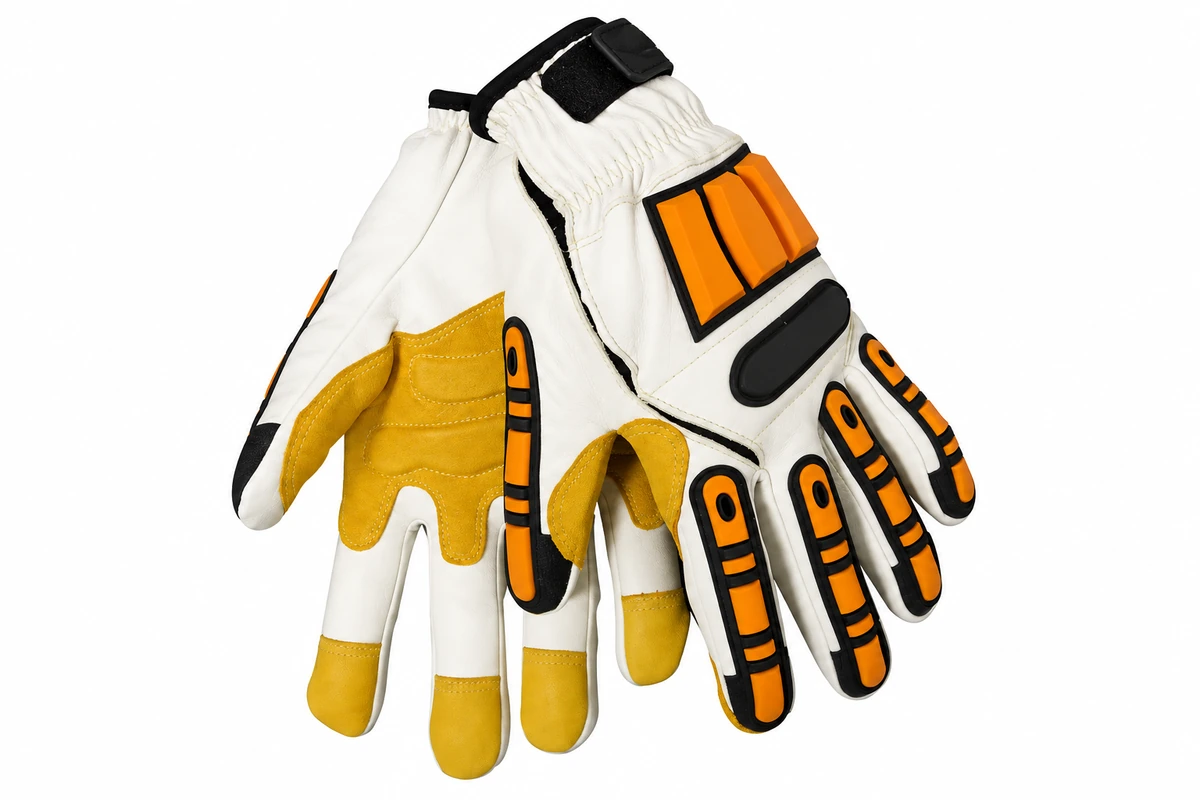
Choose Materials for Construction Gloves
Select material for the task’s wear, flexibility, feel and performance targets. Confirm grade, construction and special protection requirements during sample review.
- Split Leather
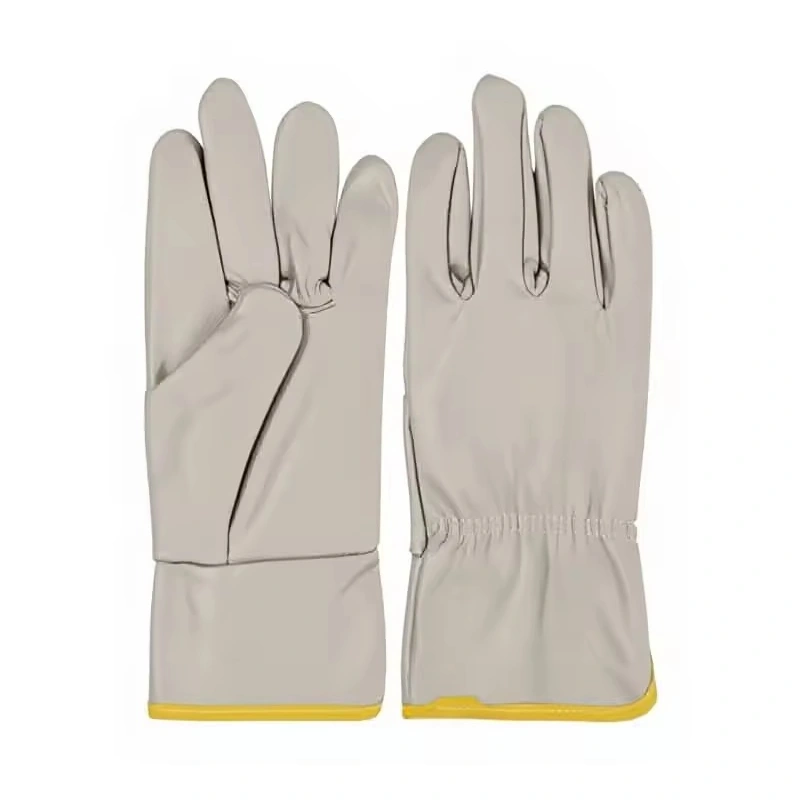
For abrasion-focused handling and workwear programs using a natural leather surface, confirm the leather grade, thickness, softness, panels, and exact construction against the approved sample. - Cotton
General light-duty handling where breathability and an economical textile route matter. Cotton is not presented as protection for sharp, chemical, thermal, or other severe hazards. - Polyester
Brand and distribution projects seeking a consistent textile construction for general work. Fabric construction, color, reinforcement, and grip details must be defined for the intended task. - HPPE
Projects that include a reviewed cut-resistance target in the product brief. Fiber blend, glove construction, target level, test method, and final result require project-specific confirmation. - Nylon
Applications that prioritize a flexible textile route and close hand movement. Fabric construction, fit, wear zones, and any grip surface are confirmed before production.
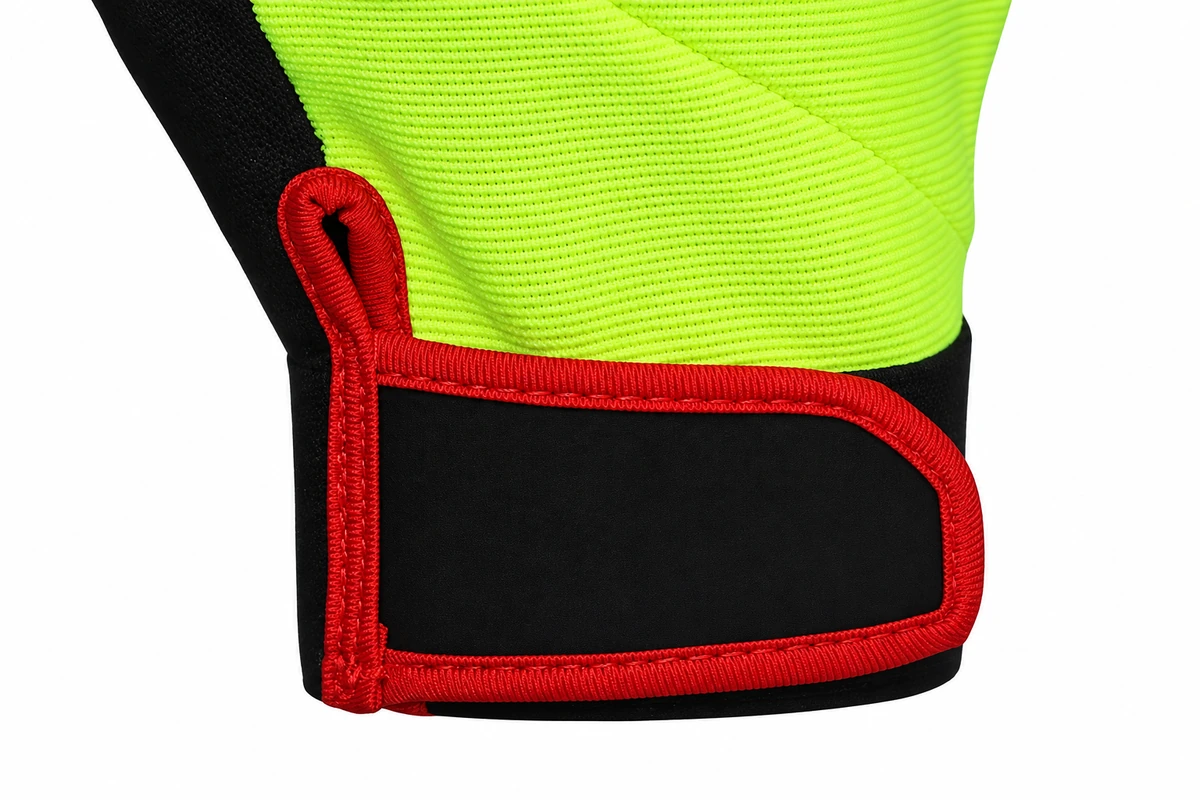
Set the Palm and Wrist Structure
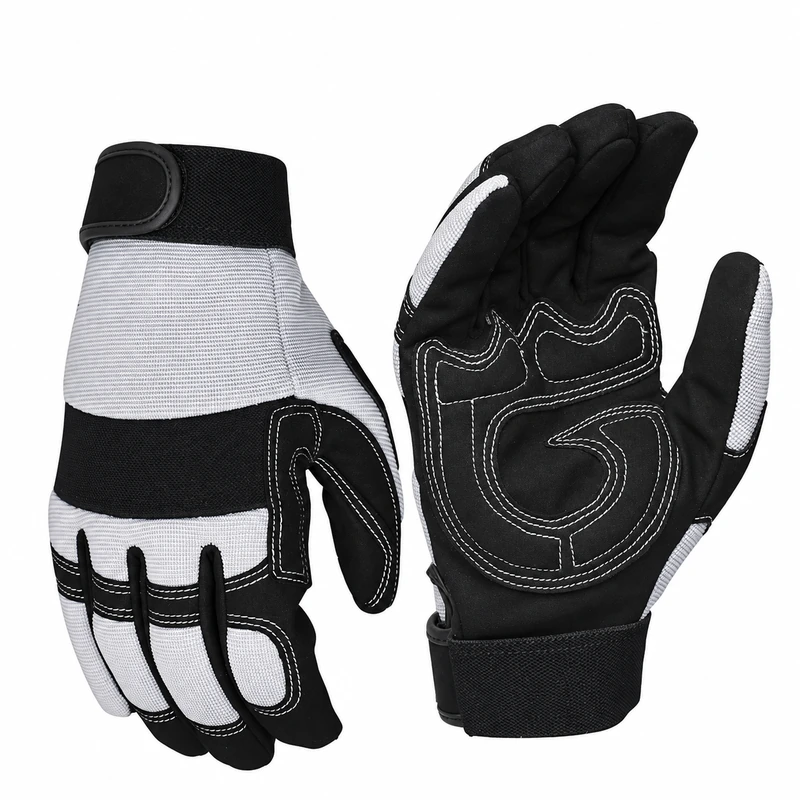
Place reinforcement, grip, finger shaping and wrist control where the task requires them. Approve the sample structure; a heavy-duty label does not define it.
- Palm Reinforcement
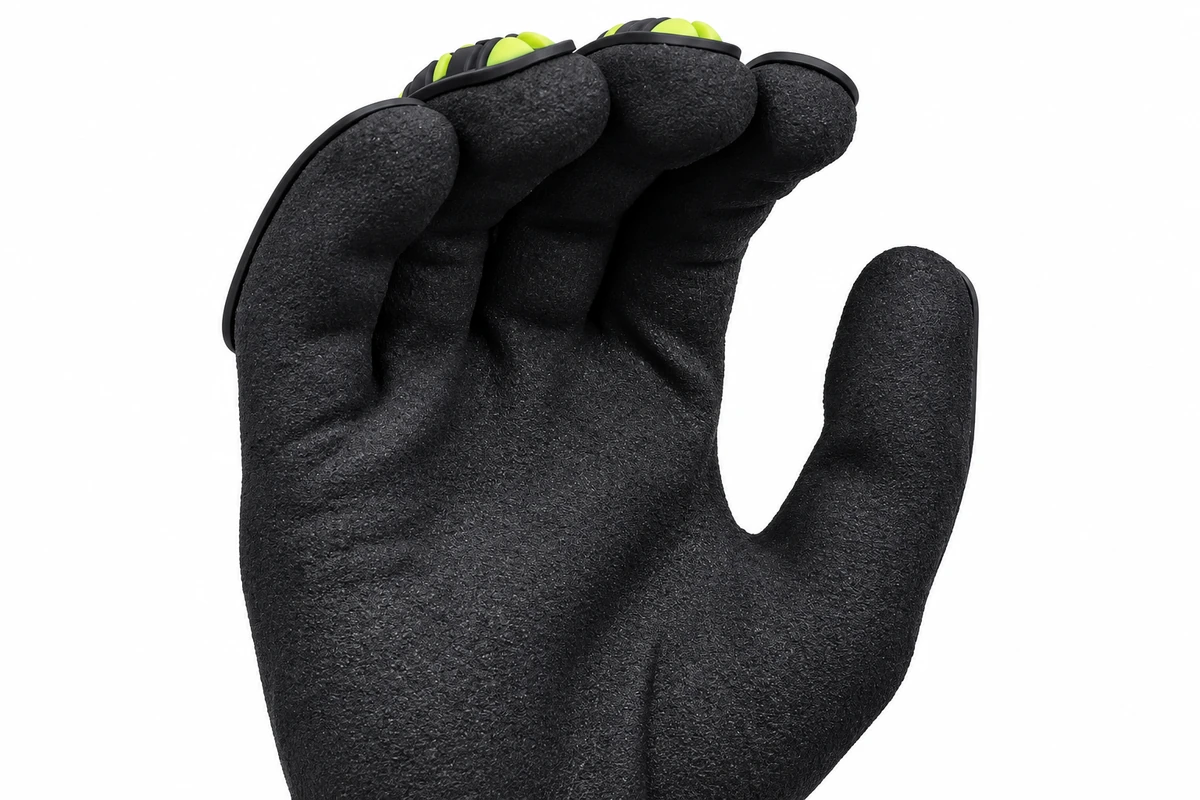
Repetitive handling projects with known palm wear zones. Confirm reinforcement position, material, coverage, and seam layout on the sample. - Pre-Curved Fingers
Tool-use and handling tasks that benefit from a shaped hand position. Finger shape must be balanced with the approved size chart and intended range of motion. - Anti-Slip Silicone Print
Projects with a defined need for added surface grip. Pattern, coverage, substrate compatibility, and real grip condition are confirmed by project. - Cuff and Wrist Control
Buyers managing debris entry, easy removal, or a closer wrist fit. Select cuff type and tightening structure according to task, garment interface, and wearer feedback.
Provide the Fit and Size Inputs
A secure fit should allow tool handling without excess folds. Use S–XXL sizing or provide measurements and a reference sample to review grading and special sizes.
- Palm Circumference
Use an agreed measuring method and palm measurement for each size; check fit on the sample. - Finger Length
Specify finger proportions by size and check fingertip space, reach and movement. - Overall Length
Agree the measurement points and glove length, including the intended wrist or sleeve coverage. - Wrist Opening
Projects using a defined cuff or tightening structure. Confirm entry comfort, retention, and compatibility with adjacent workwear. - S–XXL Grading
Distributor and brand ranges serving multiple wearer groups. Approve the base size, grade rules, size labels, and order quantity by size. - Special Sizes
Programs serving wearer groups outside the standard range. Feasibility, pattern changes, MOQ, cost, and timing are reviewed by project.
Select the Private-Label Branding Method
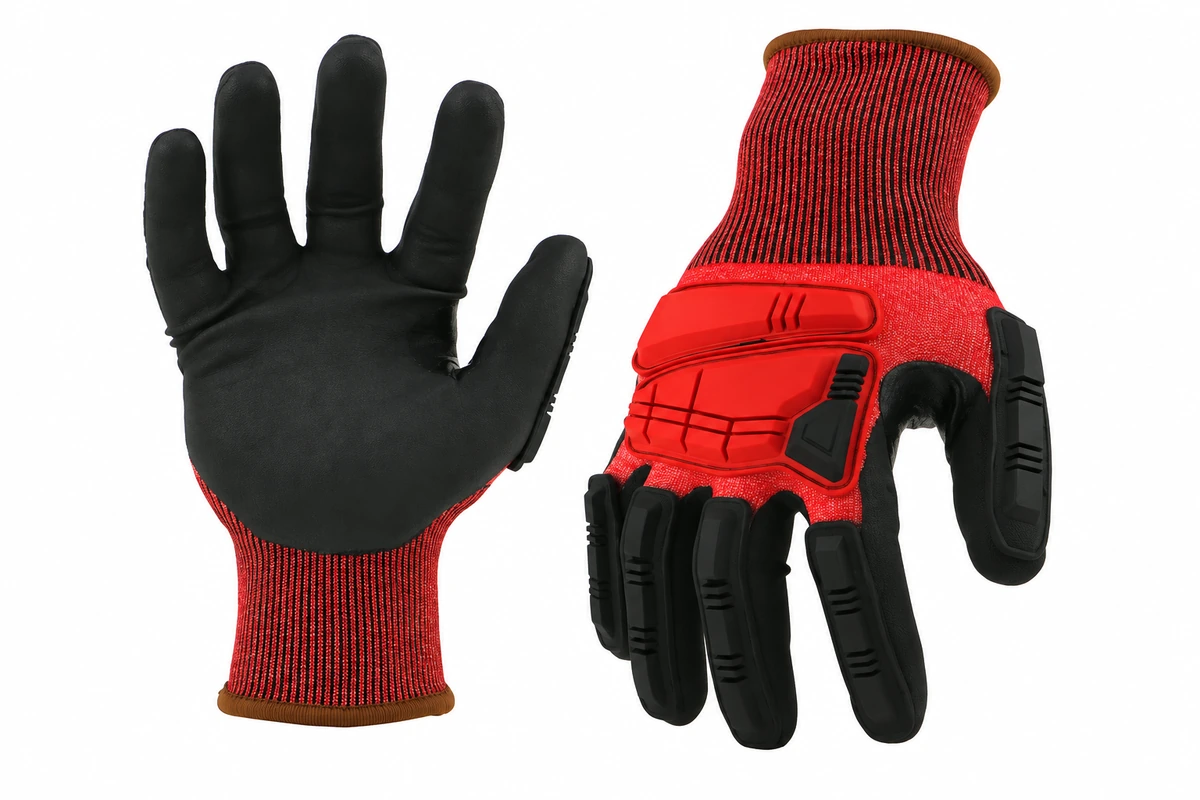
Choose the logo process after the glove material, logo position, artwork detail, colors, quantity, and use conditions are known. A sample confirms appearance and adhesion before branded bulk production.
- Screen Printing
Clear logos on compatible textile or panel surfaces. Artwork size, color count, placement, and substrate suitability must be confirmed. - Heat Transfer
For detailed or multicolor artwork on compatible materials. Check heat response, adhesion, edges, flex and finished feel. - Embossing or Heat Press
For suitable leather or compatible panels. Approve tooling, depth, surface response and placement. - Embroidery
Fabric areas and labels that can support stitched branding. Stitch density, backing, placement, comfort, and construction interference must be checked. - Silicone Printing
Projects seeking a raised or flexible printed brand detail. Silicone formulation, coverage, color, substrate compatibility, and use conditions are project-specific. - Sublimation Transfer
For suitable polyester components. Confirm composition, base color, artwork and the finished sample.
Related Custom Products
Compare related products for the same project or application.
Approve the Construction Glove Before Bulk Production
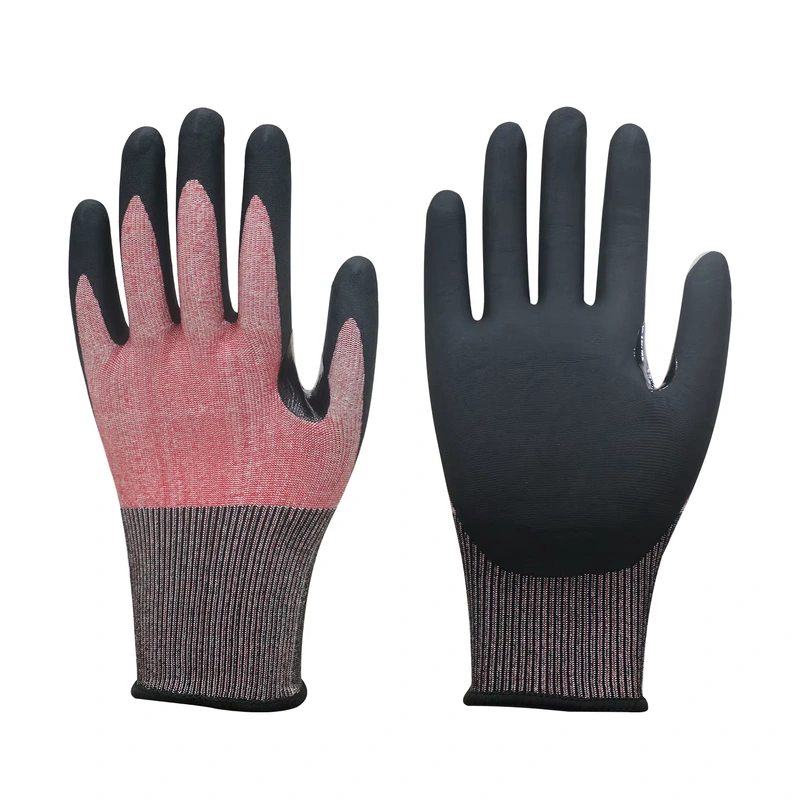
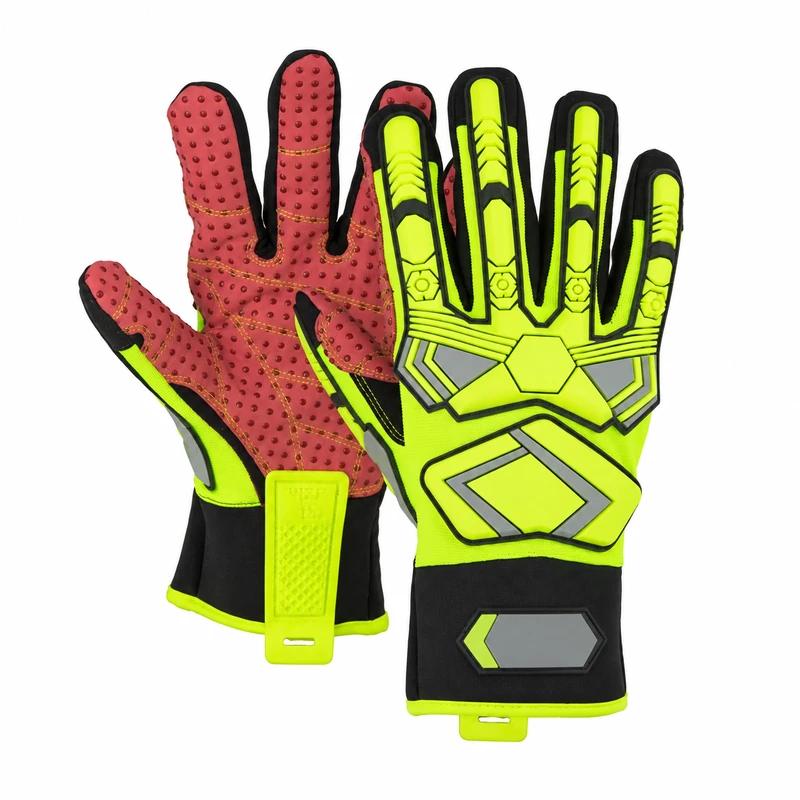
Once the worksite brief is agreed, we prepare a sample for material, size, reinforcement, cuff, branding and packaging approval. Production follows the approved sample. IQC, IPQC and FQC cover incoming materials, sewing and print placement, dimensions, pairing, quantity and packing. Project performance tests require written agreement.
Review Your Construction Glove Project
Send your site tasks, hazards and quantity for project review.
Request a Quote