

Custom Disposable Gloves
Private-label disposable gloves with specifications and pack counts tailored to your order, and documents confirmed for your intended use and market.
- ✓ Use and Material Selection
- ✓ Pack and Document Review
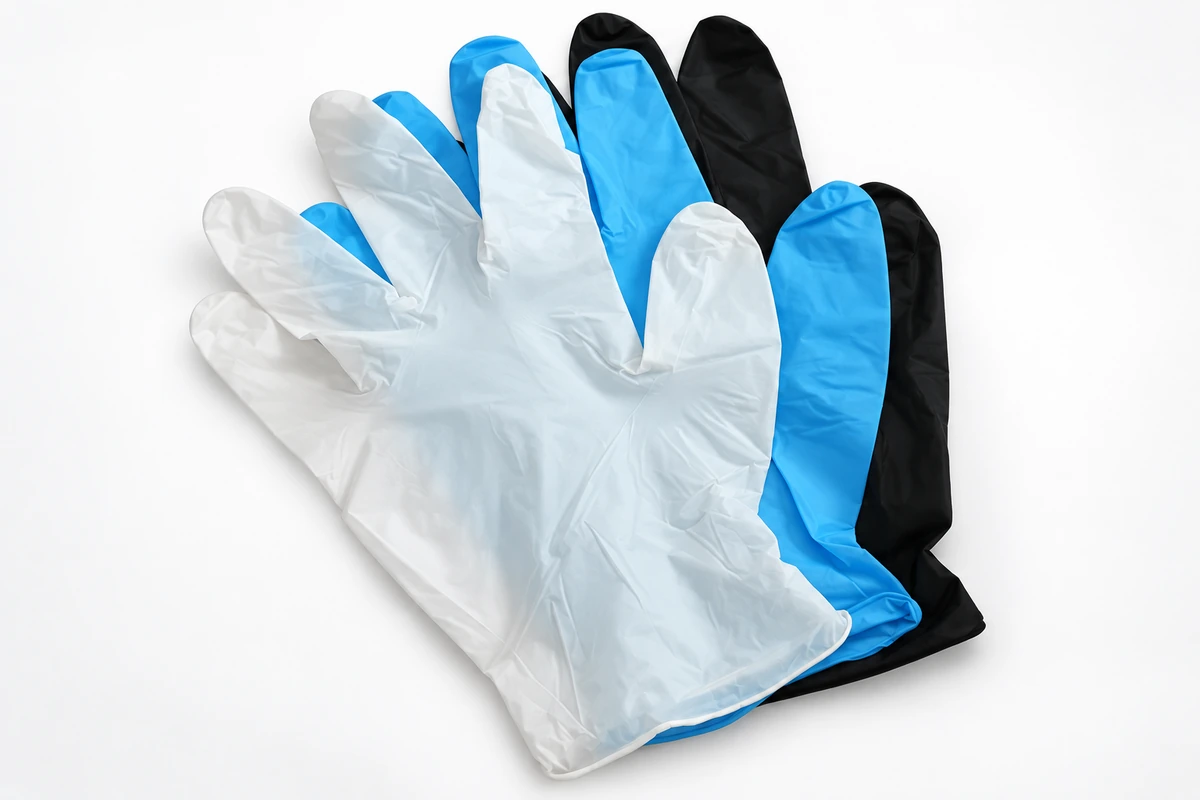
Choose the use category before the material
GloveWise coordinates product review, sourcing, samples, private-label packing and quality checks. PE, TPE, nitrile and vinyl are documented material directions; latex availability, the production site and regulated-use evidence are confirmed for the selected SKU.
Six Decisions That Shape a Disposable Glove Project
Define the product route, private-label pack, test scope, and commercial conditions for the intended market.

1. Task and Market
State the exact task, user, country, and whether the project is general, food, industrial, cleaning, beauty, examination, or another regulated category.

2. Material Route
Compare nitrile, natural rubber latex, vinyl, or PE after defining the intended use, fit, allergy, performance, availability, and documentation needs.

3. Thickness and Fit
Define thickness or weight, dimensions, size range, intended fit, cuff, ambidextrous or hand-specific construction, and quantity by size.

4. Surface and Powder
Confirm powder-free or another permitted status, smooth or textured surface, grip area, color, donning needs, and any market restriction.

5. Pack Configuration
Specify pieces or pairs per bag or box, boxes per case, dispenser format, artwork, language, barcode, lot details, and carton marks.

6. Claims and Documents
List the exact standard, test report, registration, food-contact support, shelf life, storage, traceability, and destination-market claims required for the SKU.
Compare Four Disposable Glove Material Routes
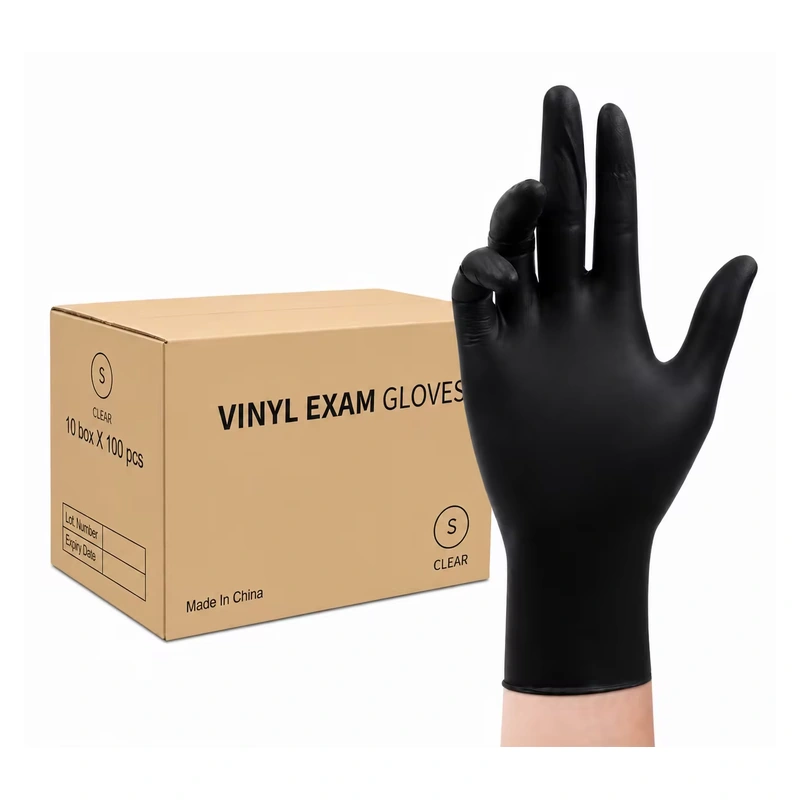
Choose the route by intended task and market category, then compare material, fit, thickness, surface, color, packaging, and the evidence required for the finished SKU.




Start with the Task and Product Classification
A general-use glove is not automatically suitable for food contact, medical examination, sterile work, or chemical handling. Define the user, task, exposure, market, and required claim before choosing material or packaging.
- General and Hygiene Tasks
Describe cleaning, beauty, household, counter, or light industrial work, including change frequency, contamination risks, and expected contact. - Food Handling
Identify the food, contact conditions, market, glove-change practice, formulation documents, and any food-contact evidence required for the finished product. - Medical or Examination Use
State the exact device category, sterile status, market, registration path, tests, labeling, and documents; general disposable gloves cannot inherit a medical claim. - Chemical Exposure
Name the chemical, concentration, temperature, exposure time, and task, then use applicable test data and manufacturer resistance guidance for selection.
Compare Material, Fit, and Surface Together
Material affects elasticity, fit, feel, tear behavior, and task suitability. Thickness and surface also affect the finished glove. Approve the complete specification and relevant test evidence rather than relying on a material name.
- Nitrile Route
Review synthetic elastomer formulation, thickness, fit, texture, color, tear or puncture targets, chemical exposure, and required product documents. - Natural Latex Route
Review elasticity and tactile fit together with natural rubber latex sensitivity, powder status, labeling, market restrictions, availability, and documentation. - Vinyl Route
Use a PVC-based route for defined light or general tasks after checking fit, formulation, thickness, grip, change frequency, and application claims. - PE Route
Use a looser polyethylene route for short, frequent-change tasks after confirming dimensions, embossed finish, hand format, pack count, and intended-use evidence.
Approve the Specification, Pack, and Documents
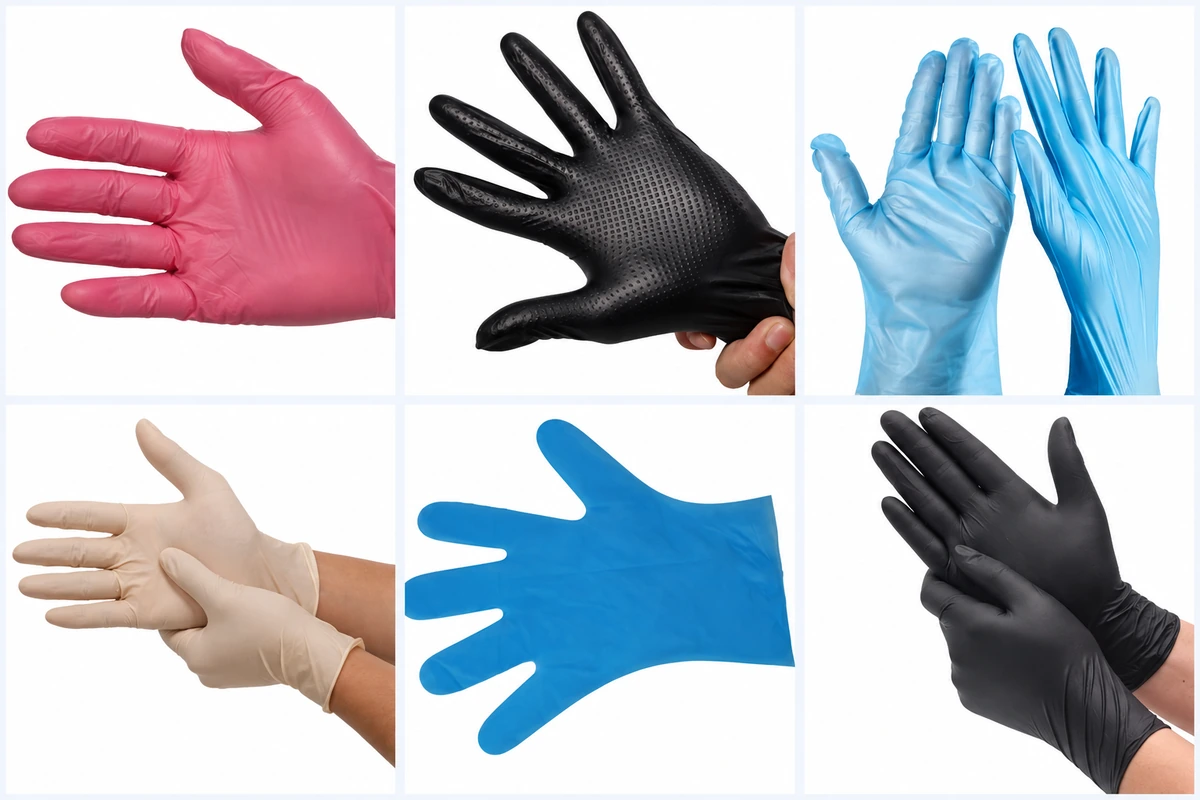
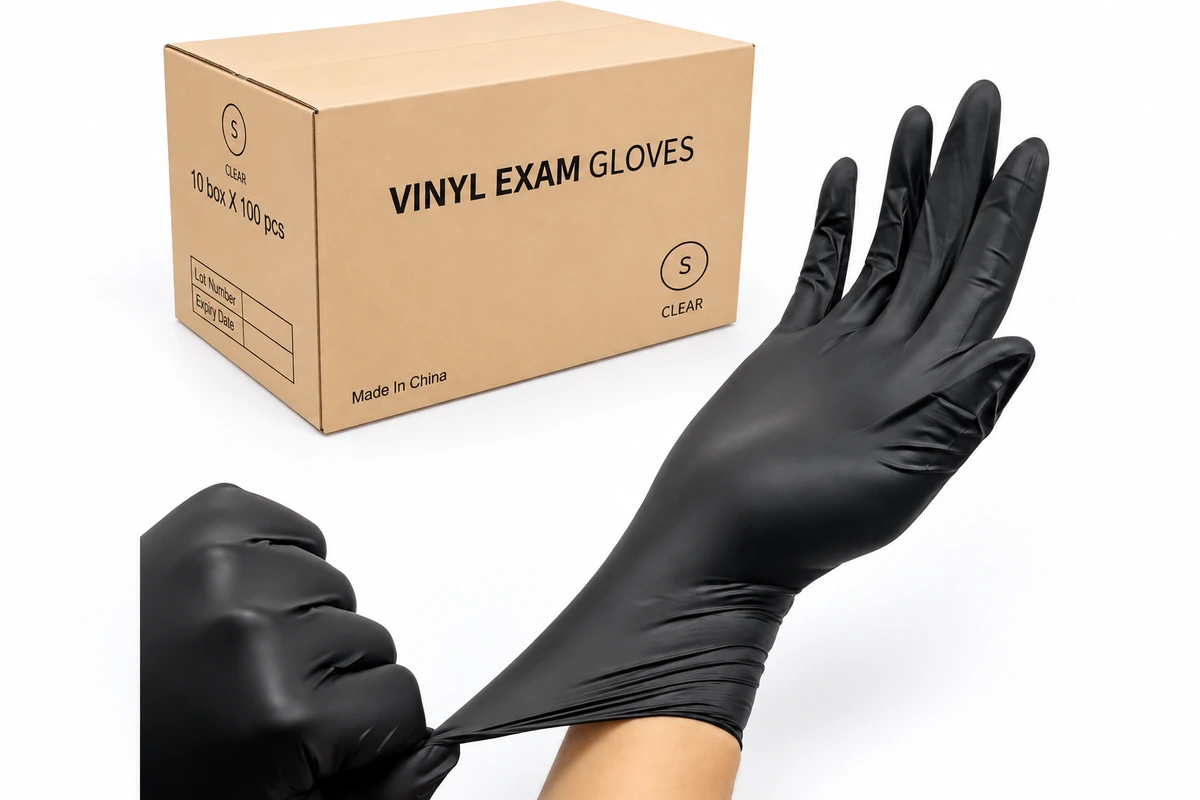
Treat the glove, dispenser or bag, labels, and case as one SKU. Lock the measurement method, unit count, artwork, lot fields, language, storage, shelf life, and required evidence before production approval.
- Product Specification
Record material, thickness or weight, dimensions, sizes, cuff, surface, powder status, color, hand format, tolerances, and acceptance method. - Unit and Case Count
State whether the quote uses pieces, pairs, boxes, or cases, then define the exact count at every packaging level. - Private-Label Artwork
Approve dispenser or bag dimensions, color standard, logo, language, barcode, warnings, claims, lot fields, and outer-carton marks. - Evidence Package
List the target market, applicable tests, reports, registrations, food-contact support, traceability, shelf life, and storage documents required for the SKU.
Three Disposable Glove Builds to Compare
Compare fit, elasticity, change frequency, task, allergy considerations, packaging, and product-specific evidence before selecting a material route.

Close-Fit Elastomer Route
Compare nitrile and latex for fit, elasticity, thickness, texture, task, allergy considerations, and required documentation. Latex availability and all application claims require project confirmation.
Compare Nitrile and Latex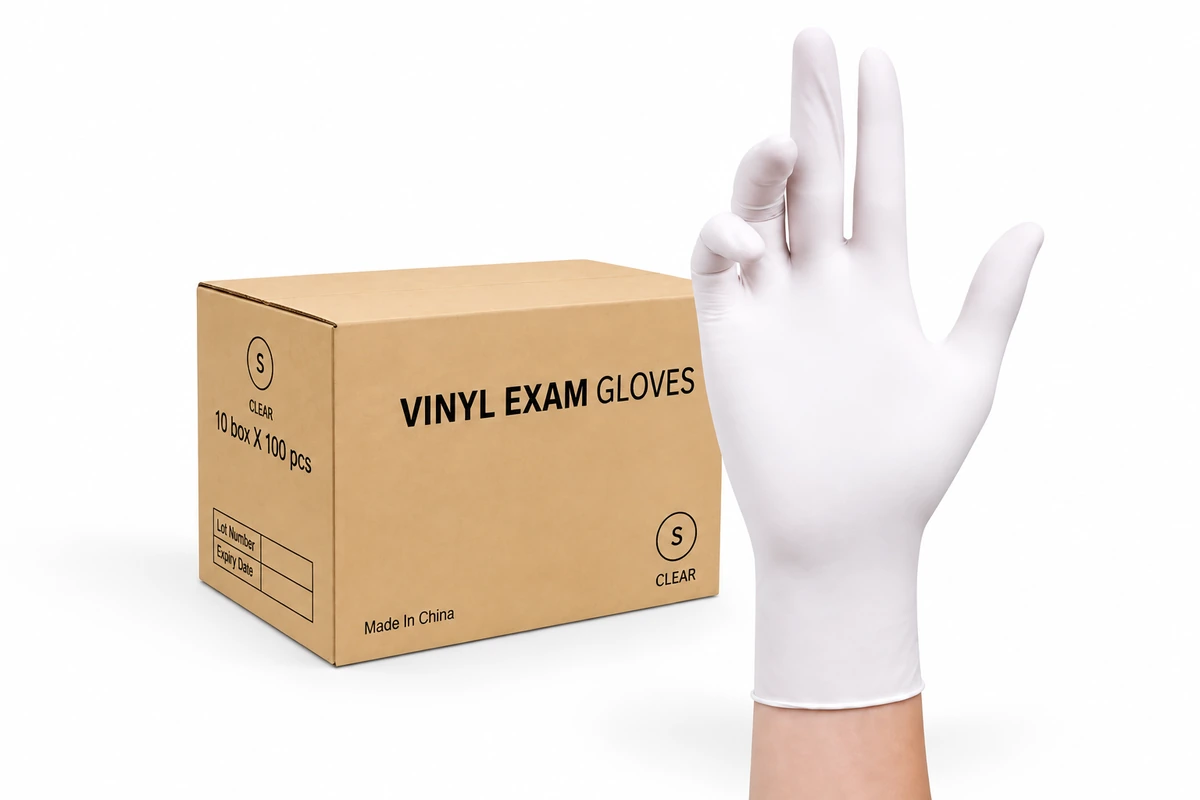
General Vinyl Route
Consider vinyl for defined light or general tasks. Confirm PVC formulation, fit, thickness, surface, change rate, packaging, and the evidence behind any food or medical claim.
Review Vinyl Specifications
Frequent-Change PE Route
Consider PE for loose-fit, short-duration tasks with frequent changes. Confirm resin route, dimensions, embossing, hand format, pack count, intended use, and market documentation.
Review PE Pack Options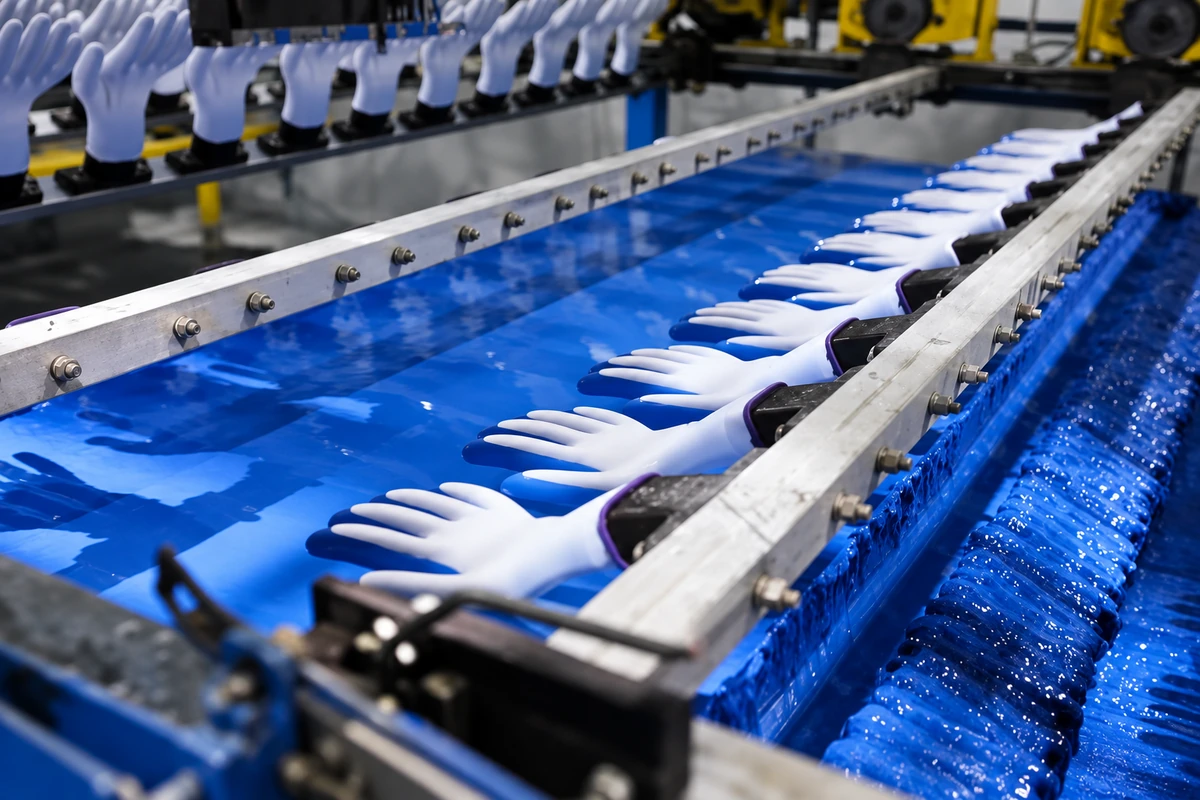
Project and Quality Support for Disposable Gloves
GloveWise coordinates specification review, samples, private-label packaging, and IQC, IPQC, and FQC planning. The actual production site and relationship, formulation controls, line capability, inspection method, sampling level, batch records, test reports, and market documents are confirmed for each disposable glove SKU.
Develop Your Custom Disposable Gloves
Share your intended use, market and packaging needs for review.
Request a Quote