
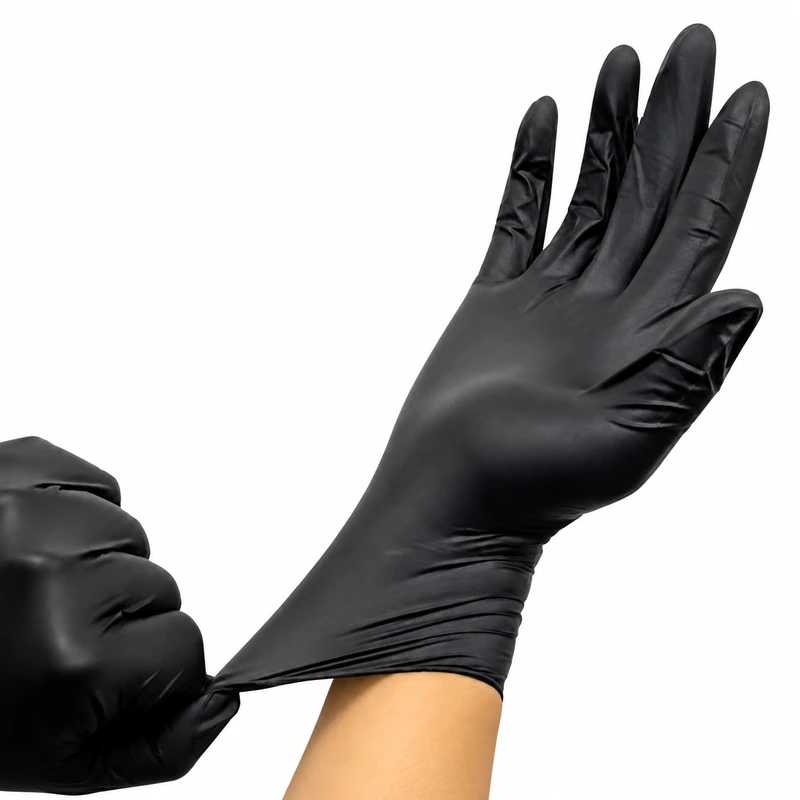

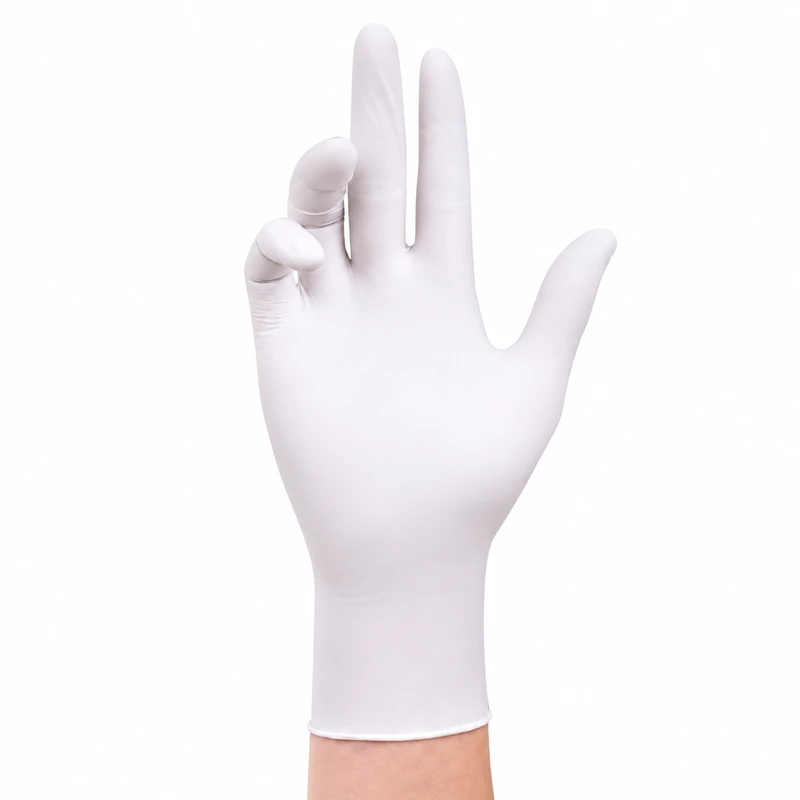
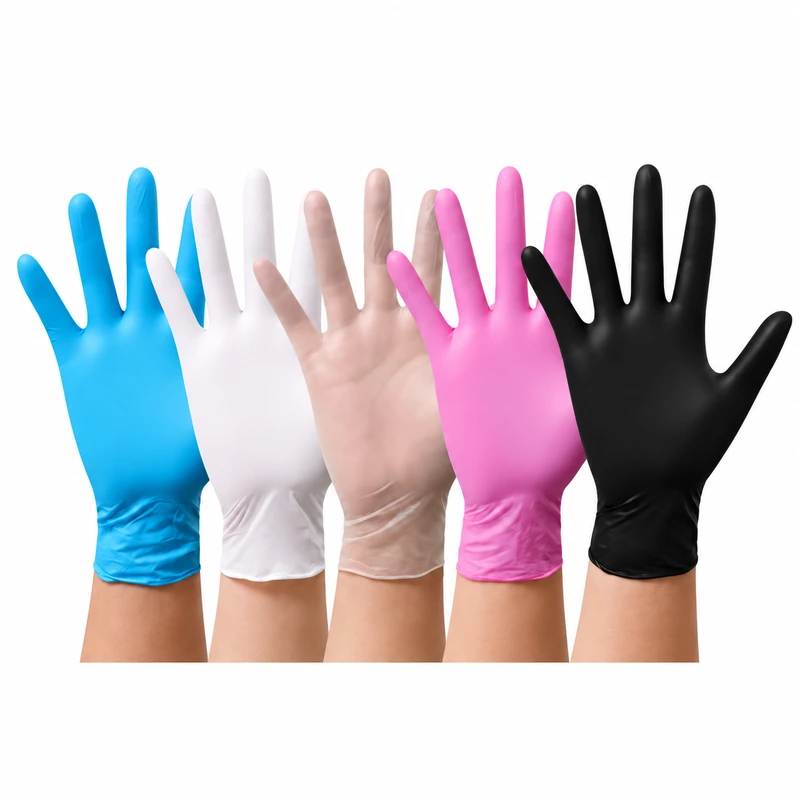
Custom Latex Disposable Gloves
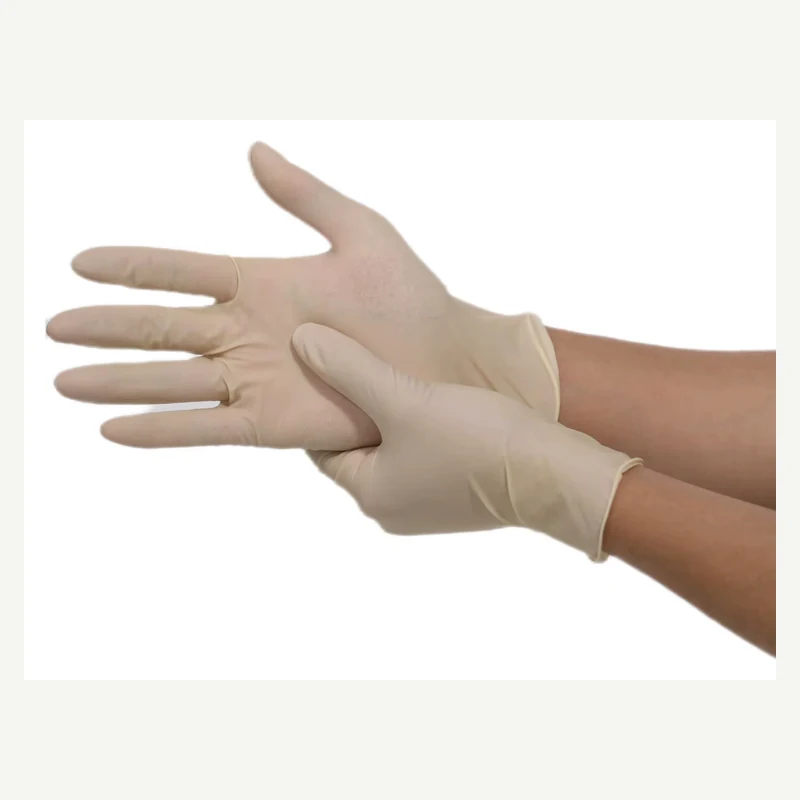
Private-label natural rubber latex glove projects with reviewed fit, dimensions, powder status, user information, and dispensing packs. Availability, application claims, and market documents are confirmed for the selected product.
- Material: Natural rubber latex route; formulation and availability reviewed per project
- Size: Size range and order ratio confirmed against the intended user group
- Powder Status: Powdered or powder-free route subject to use and market rules
- Branding: Private-label artwork, labels, barcodes, and lot information
- Packaging: Bag or box format with inner-case and carton details confirmed
Medical, food-contact, chemical-protection, sterile, testing, and certification claims require product- and market-specific evidence before approval.
Request a Quote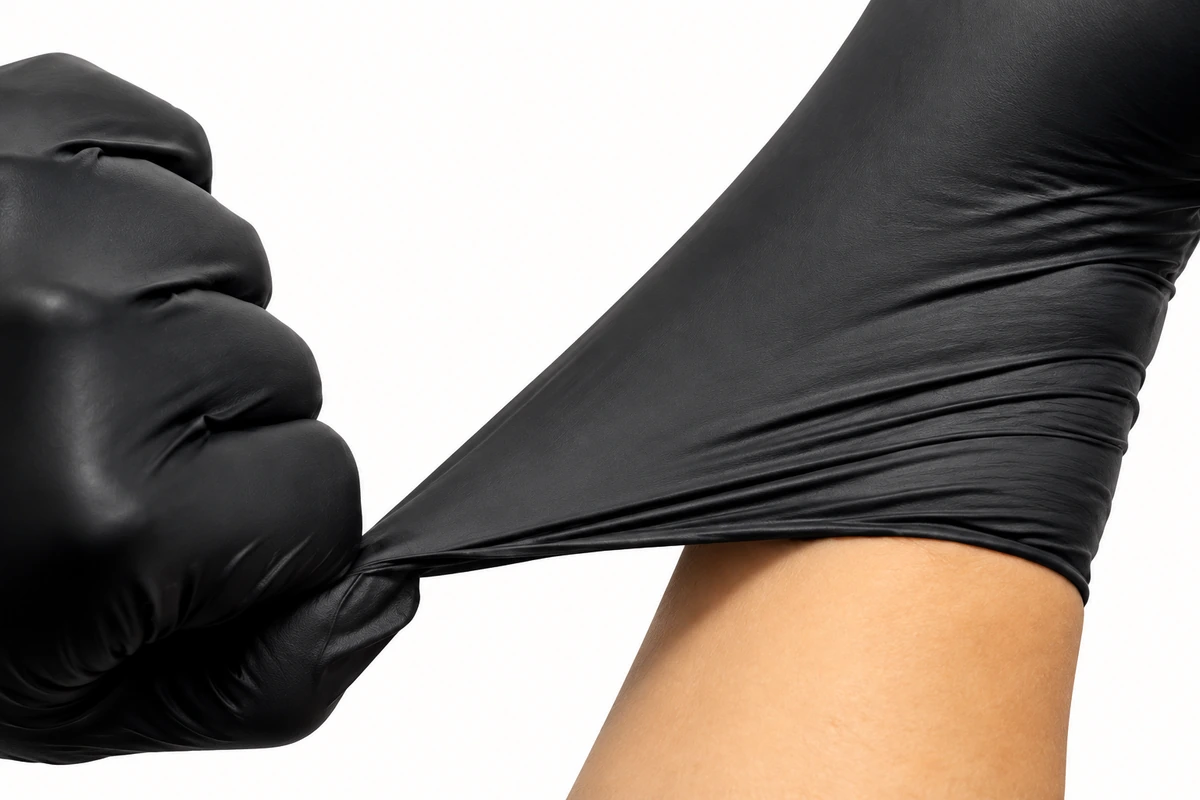
Review latex suitability before branding
Users and exposure: Identify who wears or may contact the glove and review natural rubber latex sensitivity and required information. Physical specification: Agree dimensions, thickness or weight, surface, cuff, color and size quantities. Private-label pack: Confirm permitted powder status, count, allergy wording, lot fields and evidence for the intended market.
Private-Label Development for Latex Gloves
Private-label development coordinates the selected latex glove, brand presentation and packing in one project.
Branded Bags or Boxes
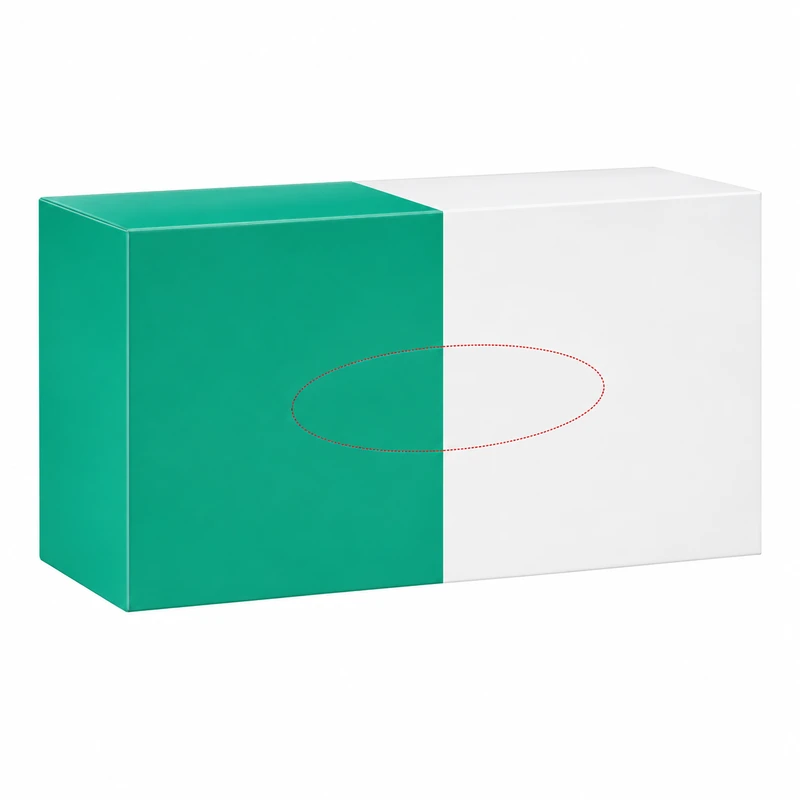
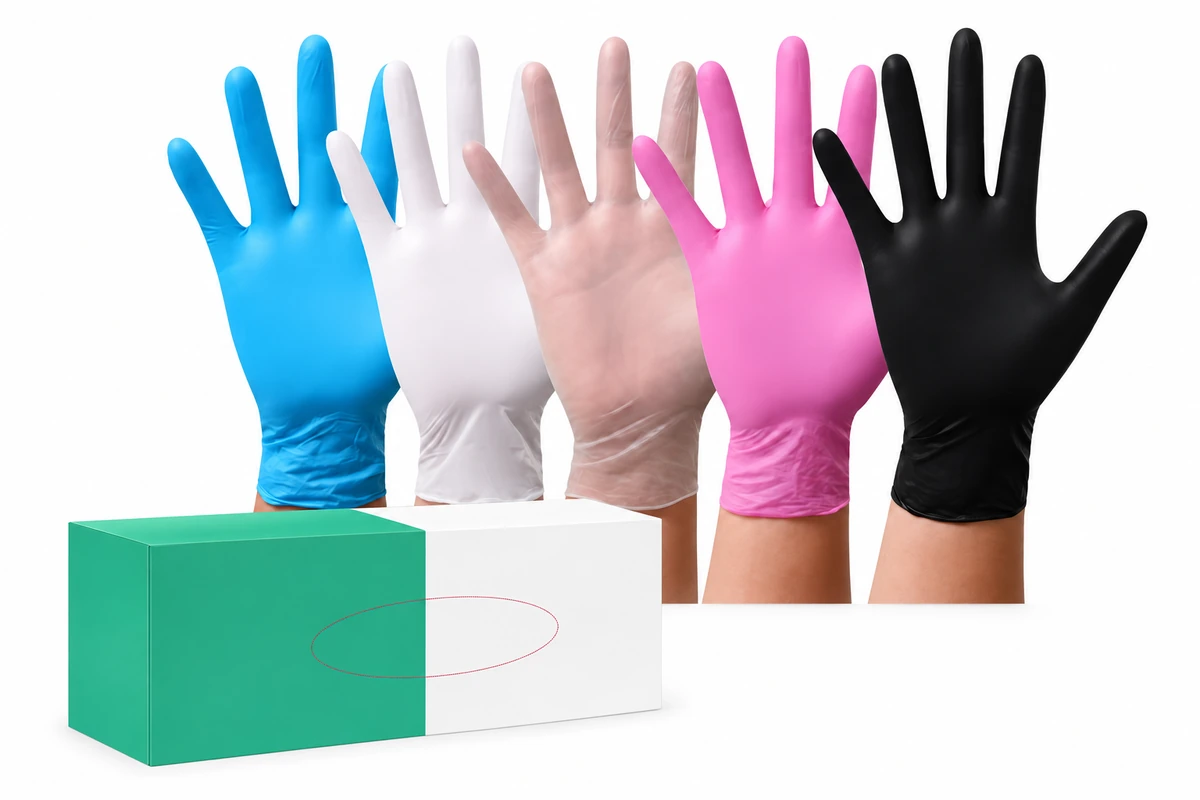
GloveWise can develop branded bags or boxes for the selected latex glove, with custom artwork visible when users receive and dispense the product.

A Physical Presentation Sample
The glove and packaging can be combined during sampling so your team can review the real product in its branded pack.
Development, Quality and Packing Coordination
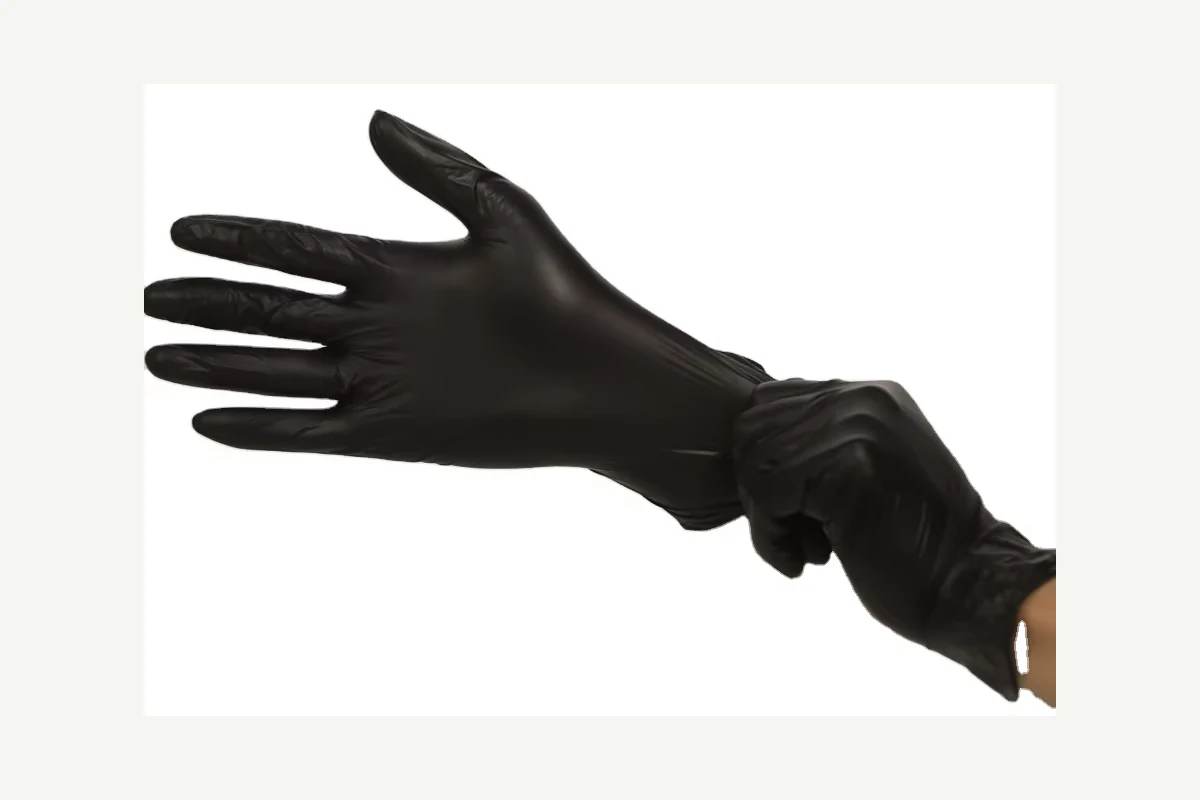
Development, quality and packaging teams work on the same project, coordinating product development with finished-pack preparation.

Define the Specification for the Intended Use
Define the task and sales channel, then review the specification and evidence for that use. Natural latex alone establishes no food-contact, medical or chemical-protection suitability.
- Cleaning and Beauty Route
For brands serving routine cleaning, salon, tattoo-support, or beauty tasks, define contact materials, wear duration, powder status, change frequency, fit, and label claims before sampling. - Food-Handling Route
For food-service or processing suppliers with a named task and destination market, require formulation and market documentation for the selected product; material alone does not establish food-contact suitability. - General Light-Work Route
For short-duration, low-risk handling with frequent glove changes, confirm the real hazard, physical stress, grip need, and change plan; do not imply universal chemical protection. - Examination or Medical Route
For buyers with a defined medical-device classification and market plan, confirm powder-free status, natural latex labeling, standards, registrations, test evidence, and quality requirements before artwork.
Plan Natural Rubber Latex and User Information
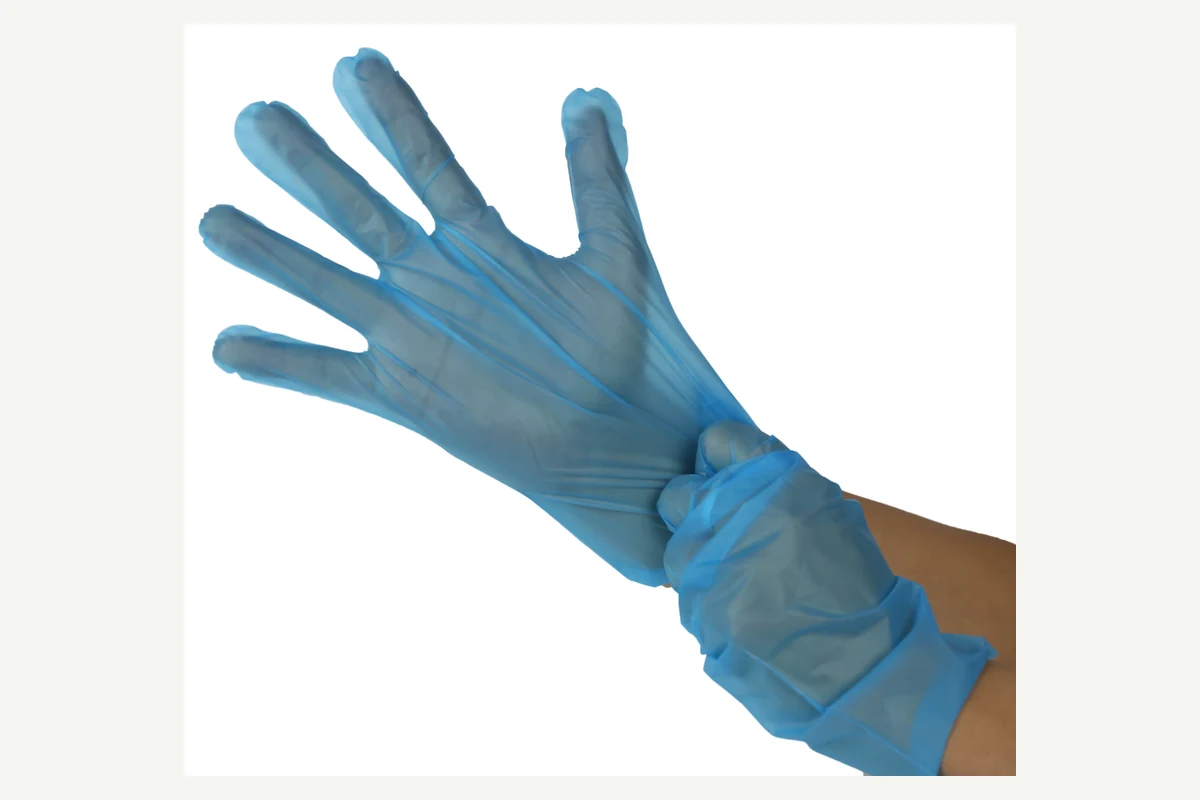
Keep natural rubber latex clearly identified. Review users, possible latex sensitivity, packaging disclosures and alternative materials before channel entry.
- Material Identity
For every natural rubber latex glove program, keep the material identity consistent across the specification, sample record, box, label, and sales information. - Intended User Review
For workplaces or channels where multiple people may wear the glove, evaluate whether users or patients may have natural rubber latex sensitivity and establish an appropriate purchasing route. - Allergy Information
For packaging and instructions used before wear, note that natural rubber latex may cause allergic reactions; required warning language and placement depend on product classification and market. - Alternative-Material Route
For programs serving users who cannot accept natural rubber latex, review a different disposable-glove material as a separate specification rather than describing a latex glove as latex-free.
Build a Measurable Physical Specification
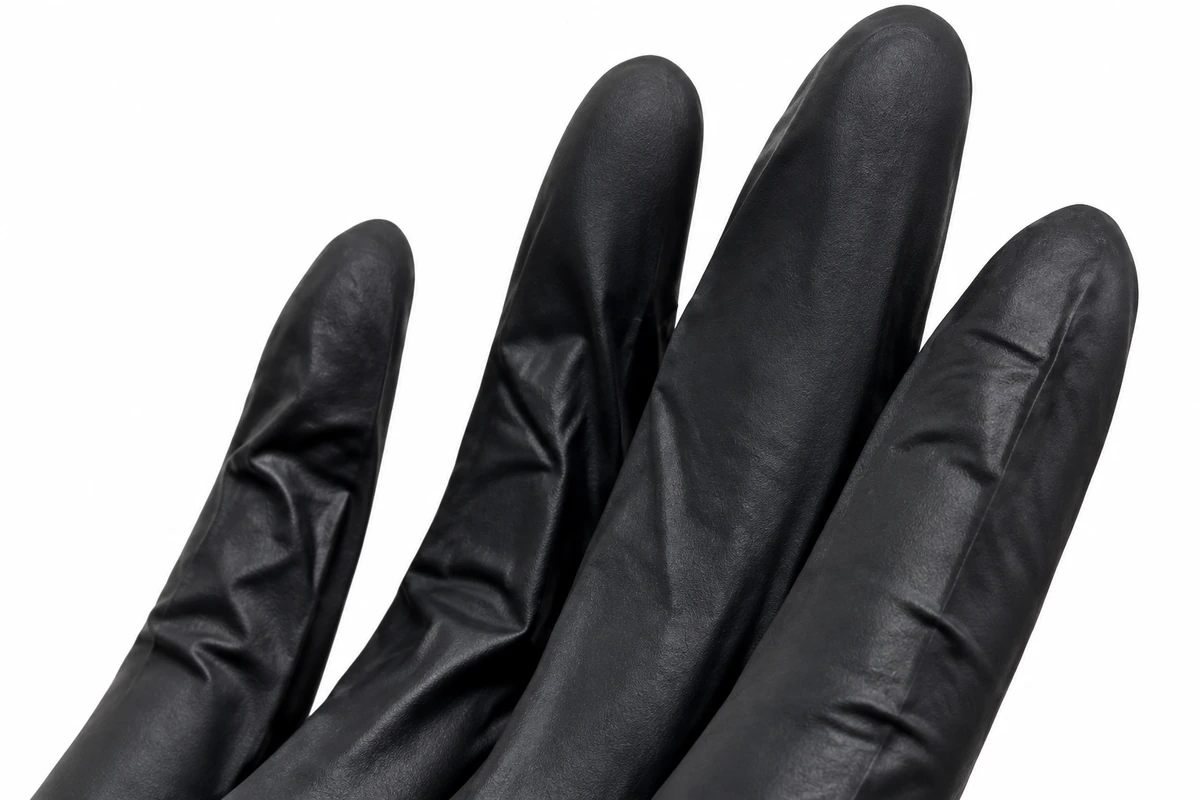
Specify size mix, dimensions, thickness or weight method, surface, cuff and color reference. Approve the sample against those measurements as well as appearance.
- Size and Order Ratio
For programs serving several hand sizes or locations, provide the target size range, size ratio, palm-width method, and fit reference; final availability needs project review. - Thickness or Weight Basis
For buyers comparing durability, feel, and product cost, state the measurement method and target tolerance; no unverified thickness or piece-weight value is promised on this page. - Length and Cuff
For tasks where wrist coverage and dispensing behavior matter, define measurement points, minimum length, cuff form, and relevant tolerance before sample approval. - Surface and Color Reference
For buyers managing grip, appearance, or task identification, submit the required surface description and color reference, then approve both under realistic handling and lighting conditions.

Confirm Powder Status and Donning Performance
Powder status affects market access, contamination concerns, and donning evaluation. Select the route for the intended use and market, then approve the actual sample with the agreed labeling.
- Powder-Free Route
For buyers seeking a powder-free specification for the intended channel, confirm the product definition, internal finish, test method if required, labeling, and market documentation for the selected SKU. - Powdered Non-Medical Review
For non-medical projects considering a powdered route, check destination-market rules, contamination concerns, user exposure, and label wording; powdered medical gloves are banned in the United States. - Inner-Surface and Finish Review
For buyers comparing donning behavior without assuming a treatment method, describe the required feel and handling result, then confirm the available finish on a project sample. - Donning Sample Approval
For teams needing reliable wear across planned users and sizes, test dry and relevant real-use conditions, record fit and donning observations, and approve the exact reference sample.

Coordinate Private-Label Packaging and Market Information
Approve packaging with the product specification. Material identity, use, warnings, count, traceability, artwork and supporting documents must match across packaging levels.
- Bag Format
For wholesale, refill, or task-specific distribution programs, confirm glove count, size identification, closure, label area, material disclosure, and packing method. - Dispensing Box
For retail, workplace, beauty, food-service, or medical-channel programs, confirm count, size, dispensing opening, artwork dimensions, required warnings, and evidence-supported claims. - Inner Case Configuration
For importers and distributors controlling warehouse units, define boxes or bags per inner case, assortment rules, barcodes, lot display, and case dimensions. - Master Carton Marking
For export orders requiring clear receipt and distribution records, approve carton quantity, size mix, shipping marks, gross and net weight fields, dimensions, and destination labels. - Artwork and Claim Control
For private-label owners managing several markets or channels, align the material name, intended use, warnings, language, symbols, and claims with available product evidence before printing. - Lot and Document Link
For buyers needing traceability between product, packaging, and inspection records, define lot coding, production-reference fields, retained approvals, and the documents required for each shipment.
Related Custom Products
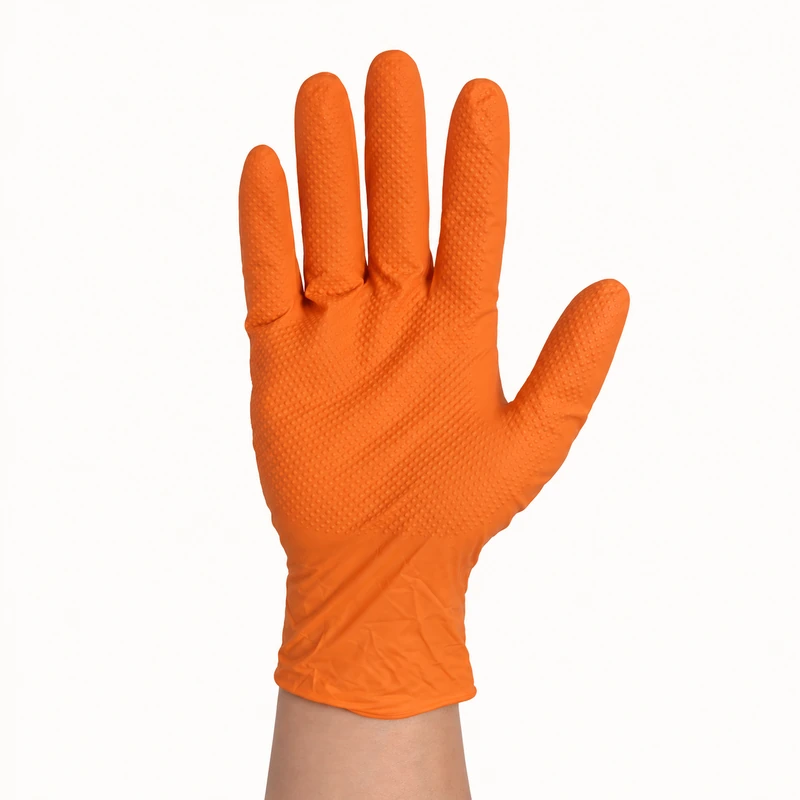
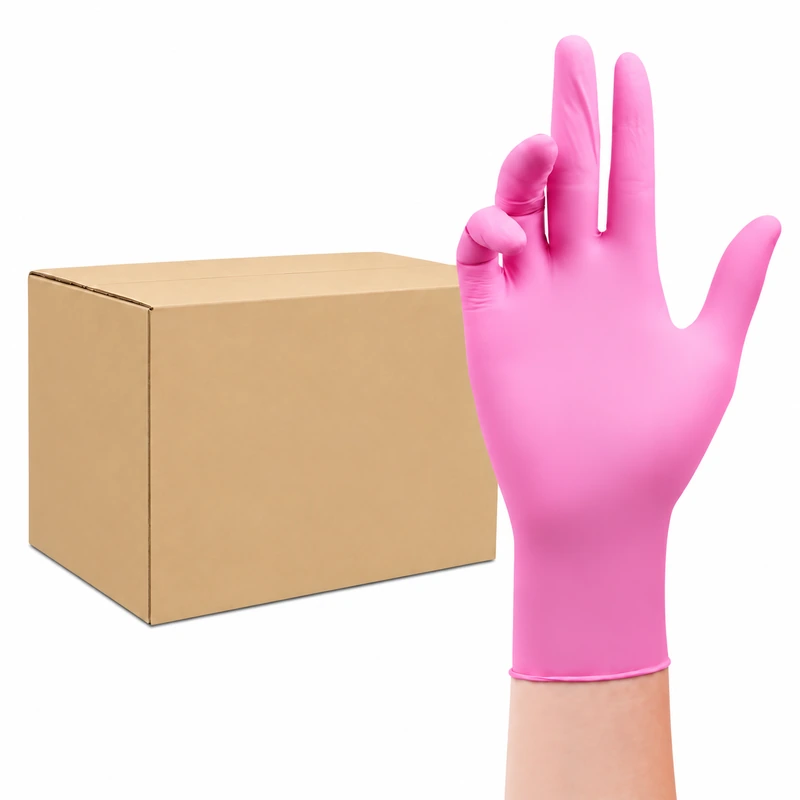
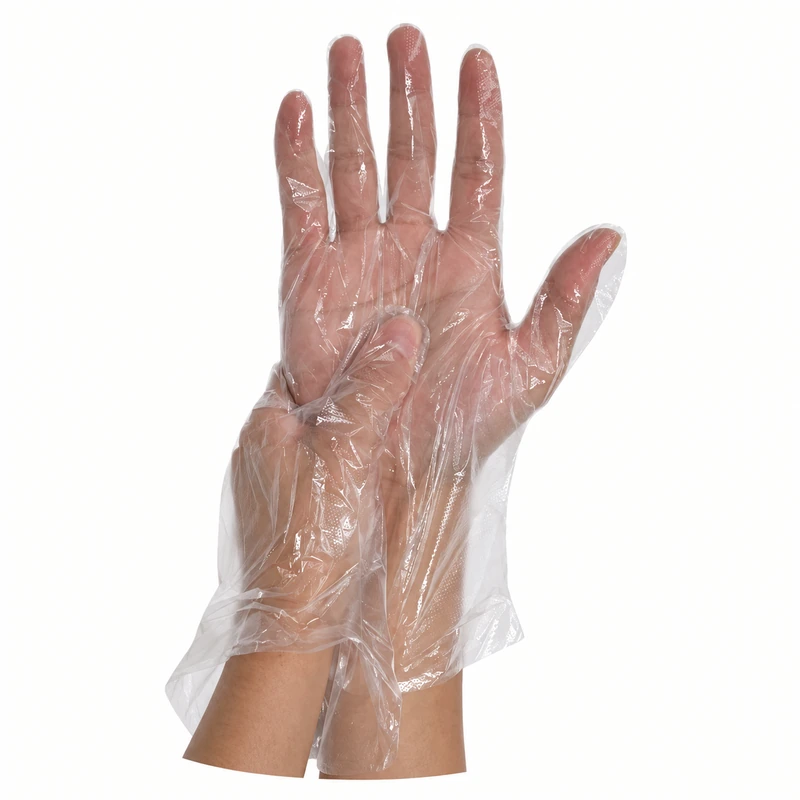
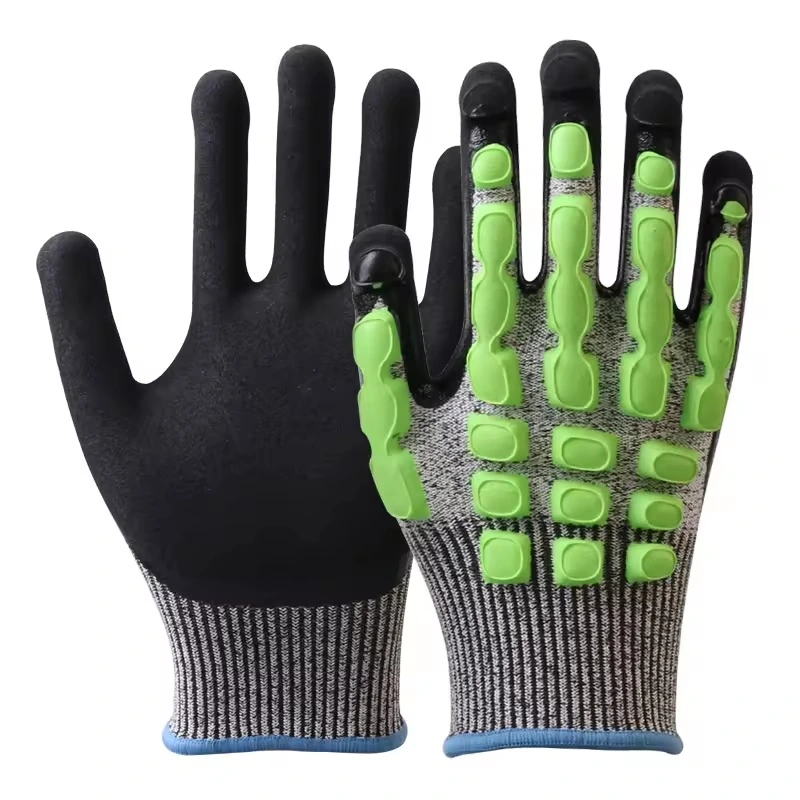
Compare related custom nitrile, vinyl, PE, and mechanic gloves.
Approve Material Identity, Sample, Packaging, and Evidence Together
Use one controlled approval set linking the natural latex identity, physical specification, powder status, fitted sample, packaging artwork, inspection criteria, and required market documents. If any element changes, review the affected claims and references again.
Review Your Latex Glove Project
Send your intended use, market and quantity to check availability.
Request a Quote