
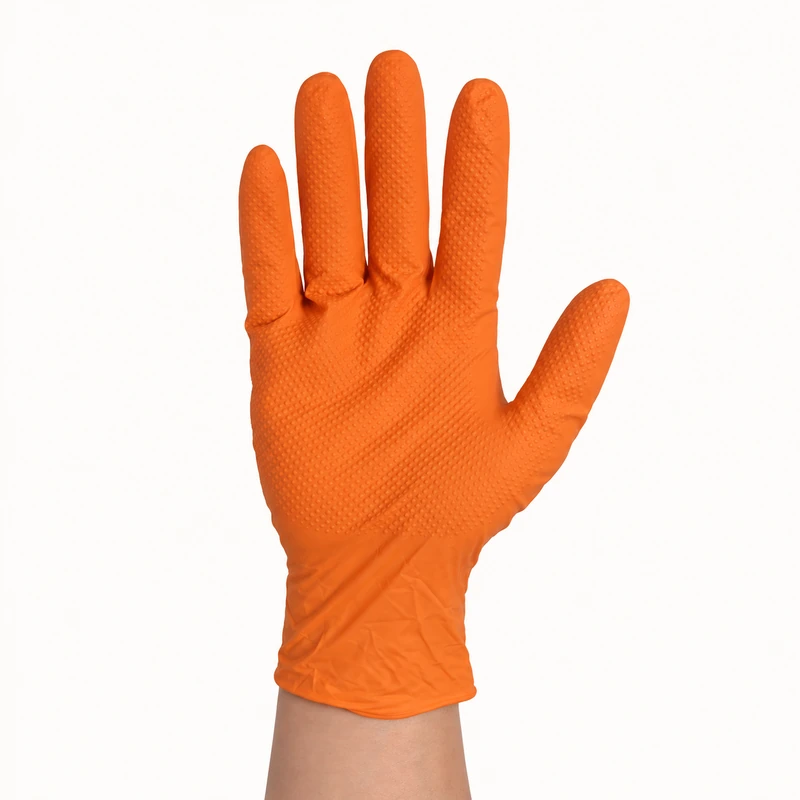



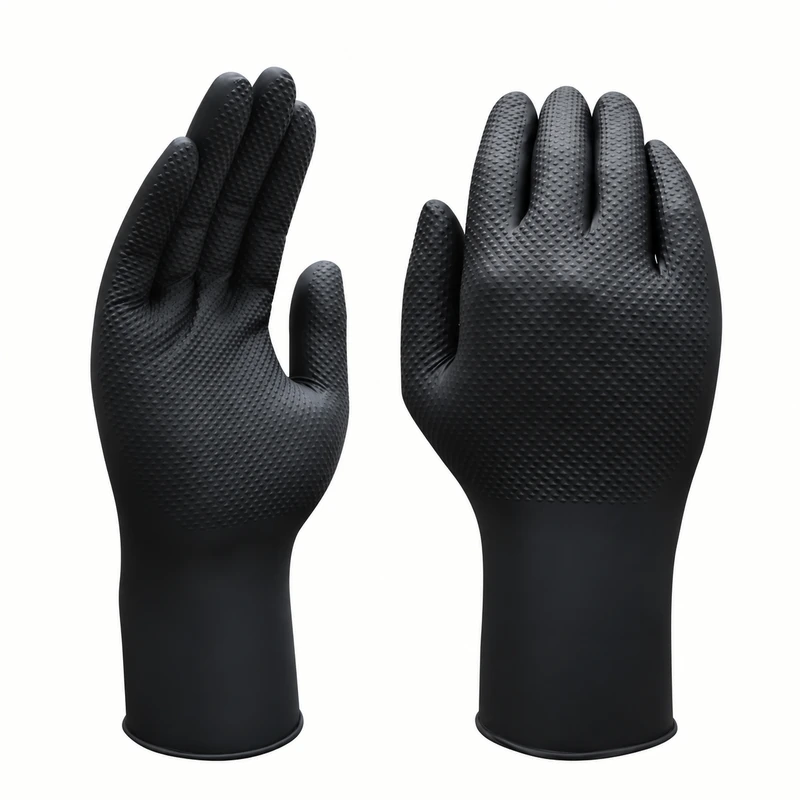
Custom Nitrile Disposable Gloves
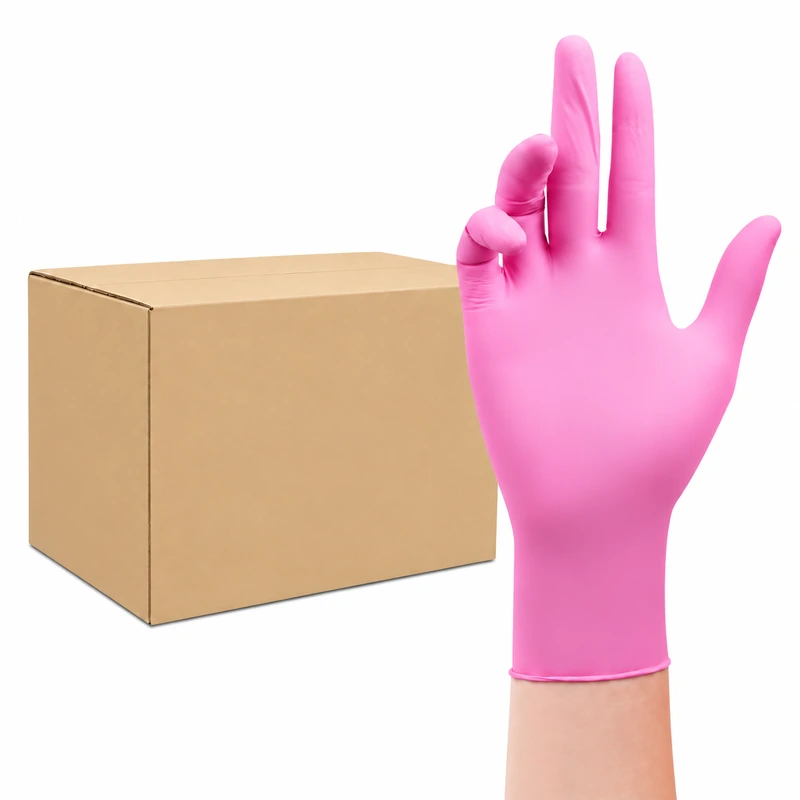
Private-label nitrile disposable gloves for a defined task and market. GloveWise coordinates specification review, samples, colors, sizes, dispenser or bag packaging, and the evidence required for the exact product.
- Application: Cleaning, beauty, food handling, general light work, or reviewed examination use
- Specification: Thickness or weight, size, length, surface, and cuff by project
- Powder Status: Powder-free or powdered, subject to classification and market rules
- Color and Sizing: Project-approved color, size range, size ratio, and markings
- Private Label: Bag or box packing, labels, artwork, and carton information
MOQ and timing depend on specifications, packaging, testing, documents, quantity, market requirements, approvals and scheduling.
Request a Quote
Select the application before the package
Cleaning or beauty: Define contact conditions, wear time, fit and change frequency; chemical suitability needs specific evidence. Food handling: Specify food types and contact conditions, then review the product’s destination-market documentation. Examination or medical use: Confirm classification, legal manufacturer, tests, registration or clearance, sterile status and approved wording before acceptance.
Nitrile Glove Sourcing and Private-Label Packaging
GloveWise coordinates product sourcing, branded packaging and export support for private-label nitrile gloves.

Glove and Packaging Development
The nitrile glove and branded packaging are developed within one project for a coordinated product and presentation.
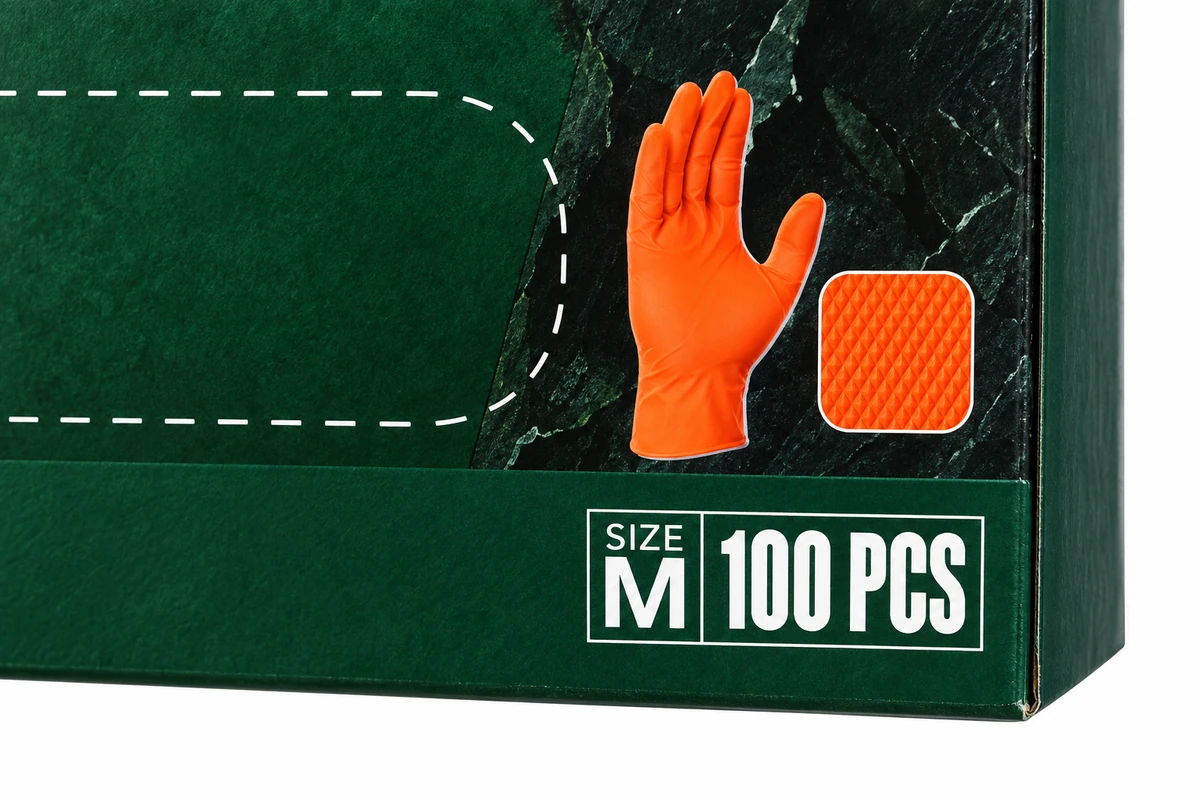
Artwork for Sizes and Pack Levels
Brand artwork can be developed across sizes and pack levels, from the dispensing unit to shipment packaging.

Packing and Export Documents
GloveWise provides packing coordination and export-document support through the order’s commercial and delivery stages.

Define Each Intended Use Before Sampling
Define tasks, exposure, performance questions, labels, tests and documents for each intended use. The listed routes are for specification review, not existing approval for every application.
- Cleaning and Beauty Route
For janitorial, salon, personal-care, or general cleaning supply programs, define substances, splash or contact conditions, wear time, dexterity, grip, color, change frequency, and required evidence; do not infer chemical protection from nitrile alone. - Food-Handling Route
For food service, processing, packing, or retail supply projects, confirm food type, contact condition, destination market, formulation eligibility, powder status, color policy, labels, and valid supporting documents for the exact SKU. - General Light-Work Route
For non-medical handling, housekeeping, inspection, assembly, or similar disposable-use programs, define the task, abrasion or puncture exposure, oils or chemicals, duration, thickness target, surface, and replacement plan; special PPE claims require separate testing. - Examination or Medical Route
For buyers evaluating a patient-examination or other regulated medical channel, confirm intended use, device classification, non-sterile or sterile status, powder status, required tests, clearance or registration, legal labeling, and document validity before using any claim.
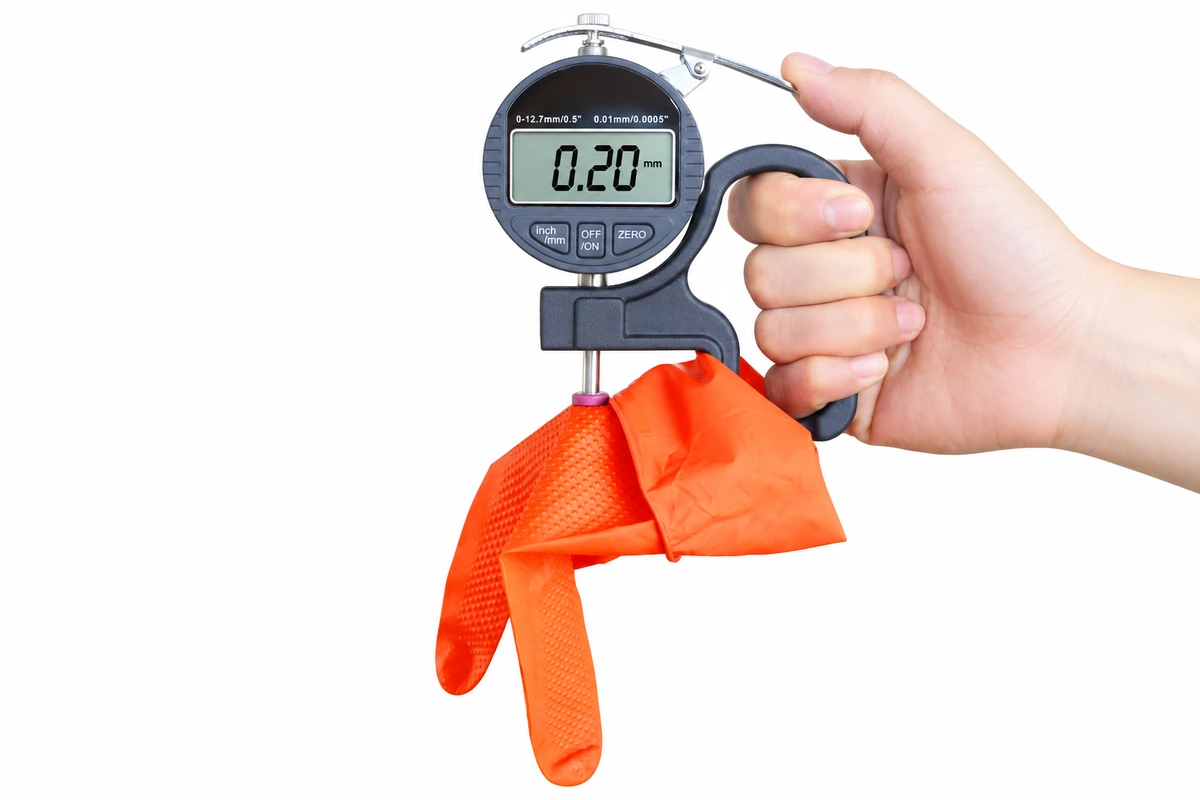
Translate the Use Case Into a Physical Glove Specification
Use agreed measurement methods, tolerances, reference samples and target ranges for fit, feel, durability, packing and cost. Approve the actual glove sample.
- Thickness or Unit Weight
For comparing feel, material use, durability, pack weight and price, specify measurement points, units, target range, tolerance and method. A nominal figure does not establish protection or compliance. - Size and Palm Width
Approve the size chart, measuring points, tolerance, sample fit, size quantities and label marks before production. These control fit, movement, grading, size mix and box identification. - Overall Length and Cuff
Specify length and cuff measurements, edge form, fit, tolerance and use conditions for wrist coverage, donning and removal. Extended protection needs supporting tests. - Surface and Finished Feel
Define smoothness, grip, touch and donning requirements with a reference or test method. Texture, coating, treatment, grip conditions and performance remain specific to the confirmed SKU.
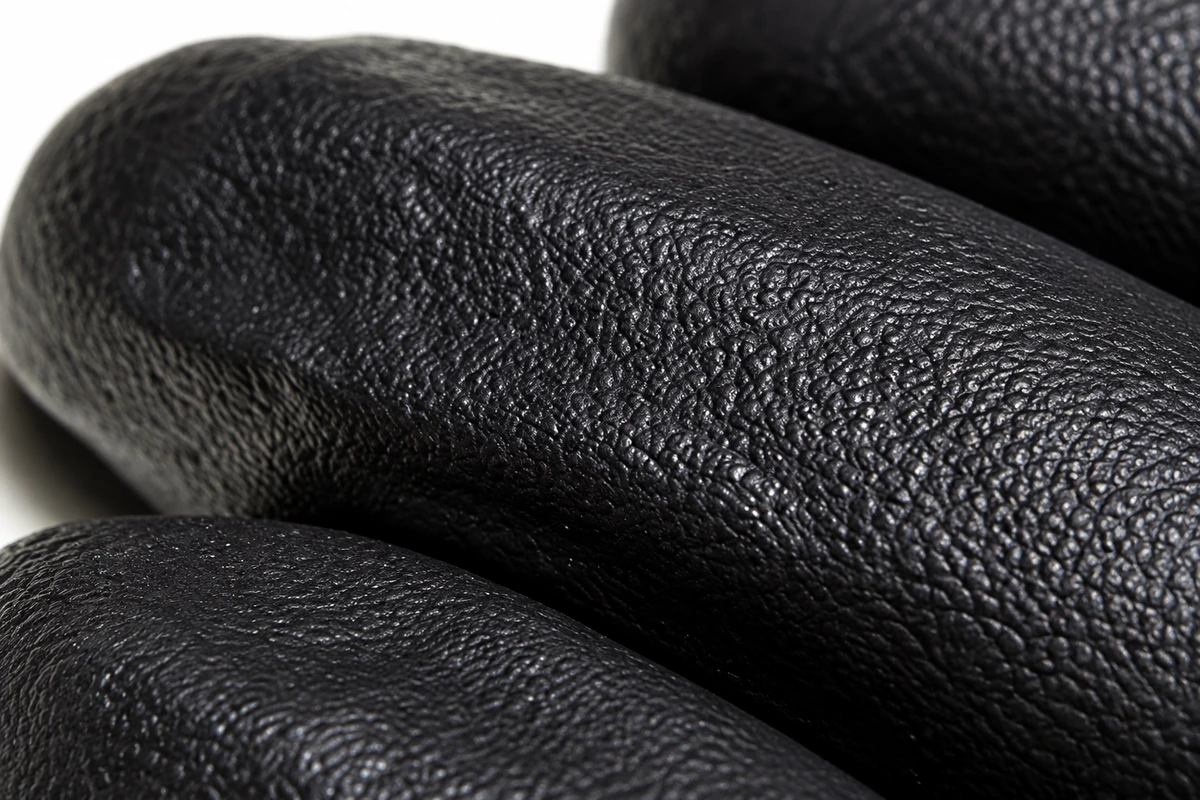
Record Powder Status and Surface Requirements Clearly
Powder status affects the product route and labeling, while surface and donning finish affect user experience. Select each field for the destination market and approved SKU. For U.S. medical use, powdered surgeon's and patient-examination gloves are banned.
- Powder-Free Route
For buyers whose intended use and destination call for a non-powdered product, confirm the exact SKU, internal finish, donning behavior, residual-powder requirement, label wording, tests, and market documents. - Powdered Route
For non-medical projects only where the destination market and intended use allow powdered gloves, review the applicable rules before development. Do not use this route for U.S. powdered patient-examination or surgeon's gloves. - Surface Requirement
To define the required contact feel or grip direction, describe where texture is needed, the dry, wet, or oily condition, and the comparison method; available finish and performance must be confirmed by project. - Sample Donning Review
To check insertion, removal, interior feel, cuff handling, and repeatability, compare the physical sample under the intended conditions and record acceptance criteria; do not convert subjective feel into an unsupported performance claim.
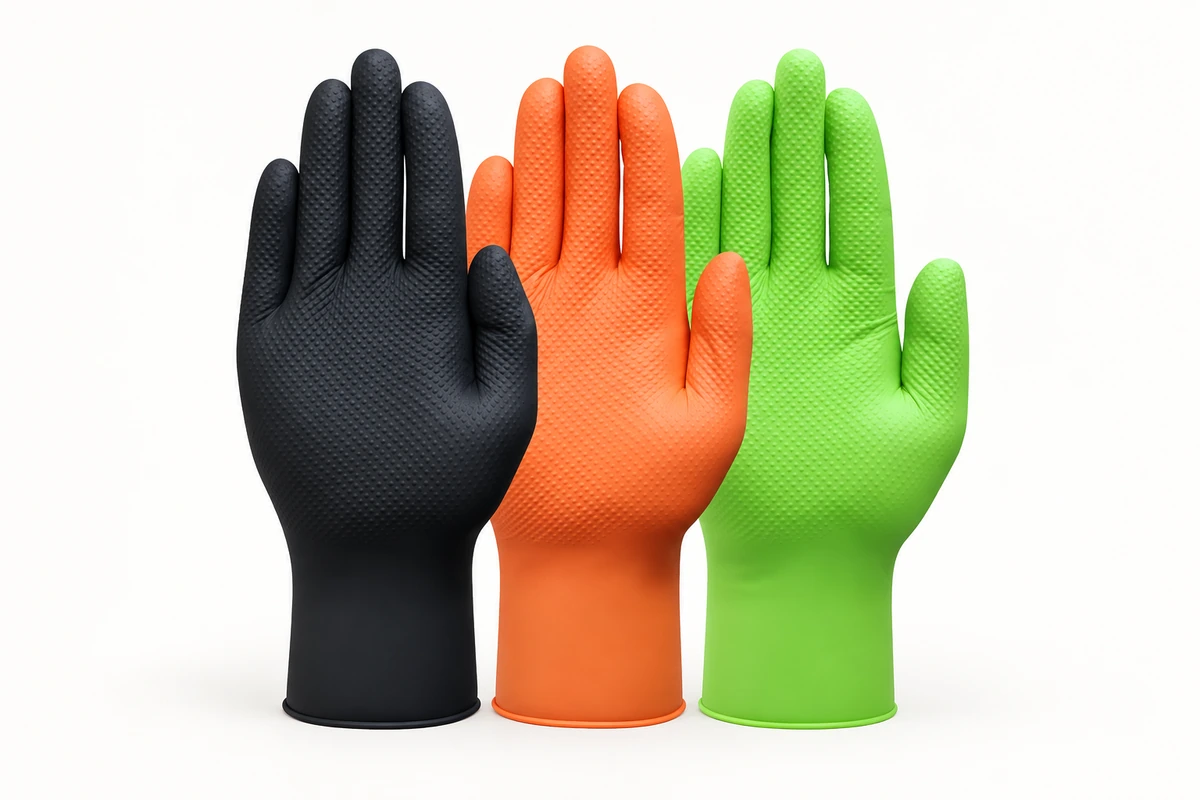
Approve Color, Sizes, and Pack Identification as One Program
Color and sizing affect channel identification, production, box artwork, cartons and replenishment. Approve glove, packaging and order data together so each size and color matches the correct SKU and label.
- Product Color
For brand ranges, channel identification, or application-based assortment planning, provide a color target and intended use, then confirm formulation feasibility, sample appearance, tolerance, MOQ, and any claim associated with the color. - Size Range
Use the approved size chart and sample measurements for the private-label range. Size names, dimensions, tolerance and availability remain project-specific. - Size Ratio
State quantities by size and color based on expected demand. The mix affects production, artwork versions, box counts, cartons and replenishment. - Size and Color Identification
Match glove color, size marks, box panels, barcodes, inner cases and carton labels to one approved SKU list and artwork revision to reduce picking, packing and distribution errors.
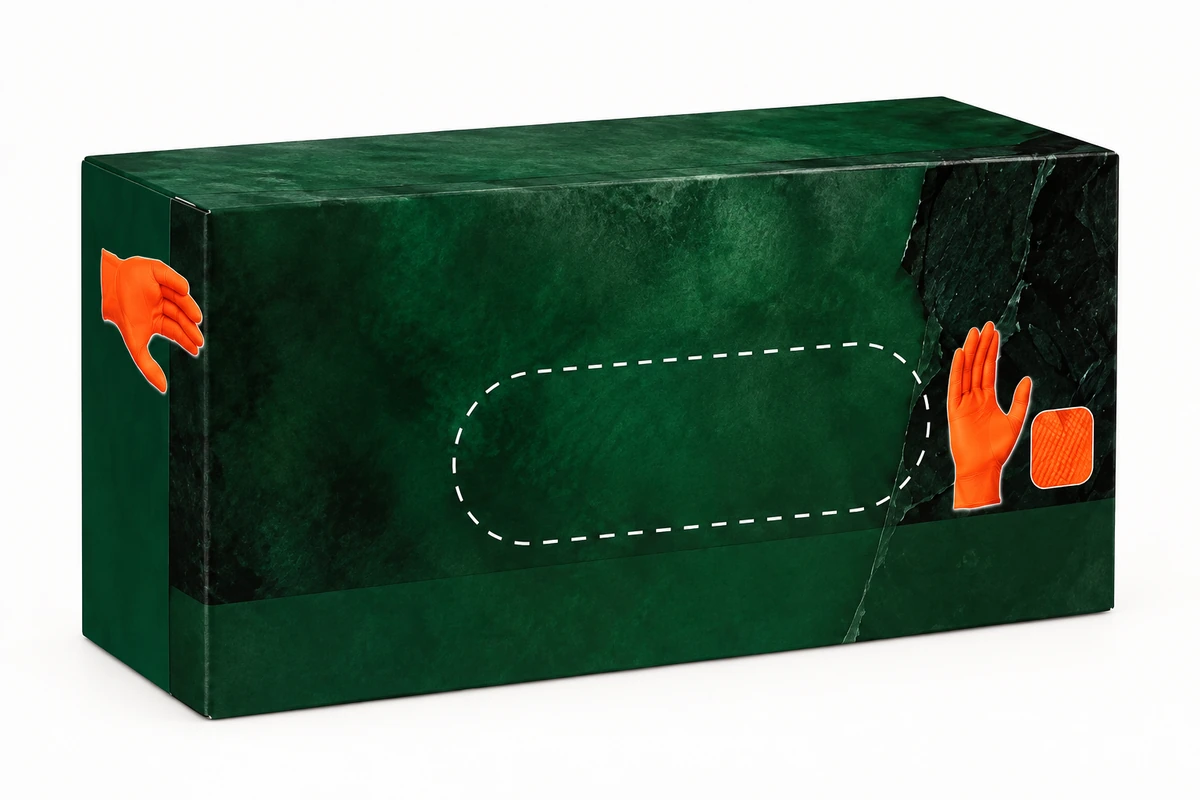
Build Private-Label Packaging From the Approved SKU
Keep glove and packaging information in one controlled record. Pack count, size, powder status, intended use, claims, legal company details, traceability, languages, barcode and evidence should describe the same approved product.
- Bag Packaging
For bulk, refill, institutional, or project-specific packing, confirm material, dimensions, closure, glove count, size identification, label position, handling, and carton quantity. - Box Packaging
For retail, distributor, workplace, food-service, beauty, or examination channels, confirm structure, glove count, opening, artwork, size panel, barcode, languages, legal information, claims, and required warnings. - Inner Box or Case
To group finished packs and support warehouse control, confirm the number and orientation of packs, SKU and size identification, dimensions, label data, and handling requirements. - Outer Carton Label
For export packing, receiving, inventory, and shipment identification, confirm product name, SKU, color, size, pack count, lot or batch data, carton quantity, shipping mark, barcode, and destination requirements. - Artwork and Claim Control
For private-label brands preparing multiple panels, languages, or markets, use editable artwork and one approved revision. Every material, use, standard, certification, performance, allergy, and regulatory statement needs valid SKU-level support. - Lot and Document Link
For buyers requiring traceability between goods, labels, inspection, and market files, define the lot or batch format and document list, then verify that product, pack, carton, reports, declarations, and validity dates refer to the same SKU and origin.
Related Custom Products
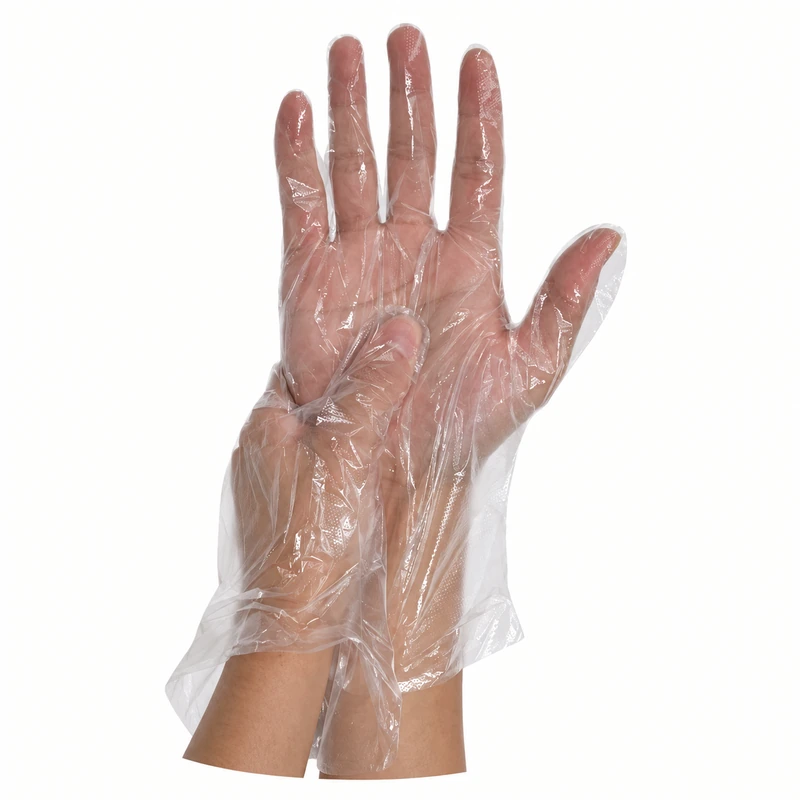
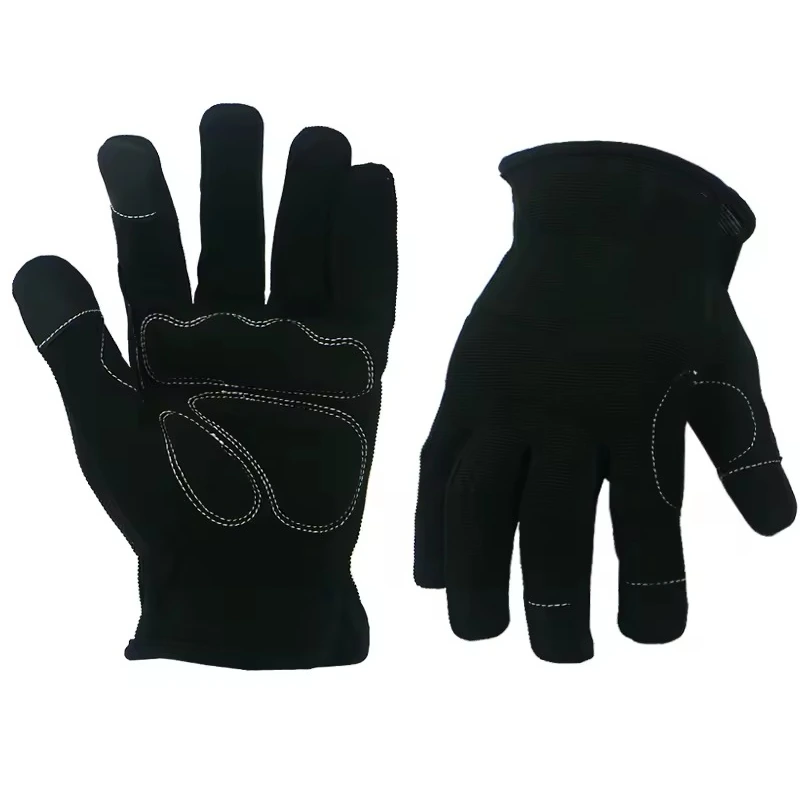
Compare related custom latex, vinyl, PE, and mechanic gloves.
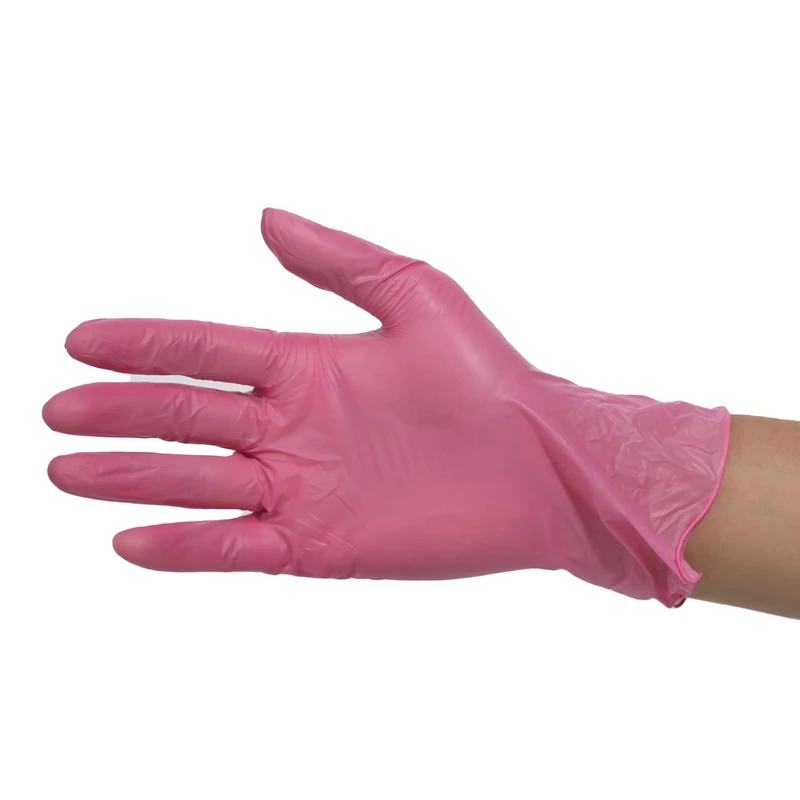

Approve the Glove Specification, Packaging, and Evidence Together
Use one approved product record for the intended use, destination, classification, material description, physical specification, color, size ratio, powder status, surface, pack count, artwork, labels, lot identification, tests, and documents. Compare the physical sample and packaging proof against that record before production. IQC, IPQC, and FQC can verify agreed inputs and outputs, but they do not create medical, food-contact, chemical, sterile, or allergy claims without applicable evidence.