
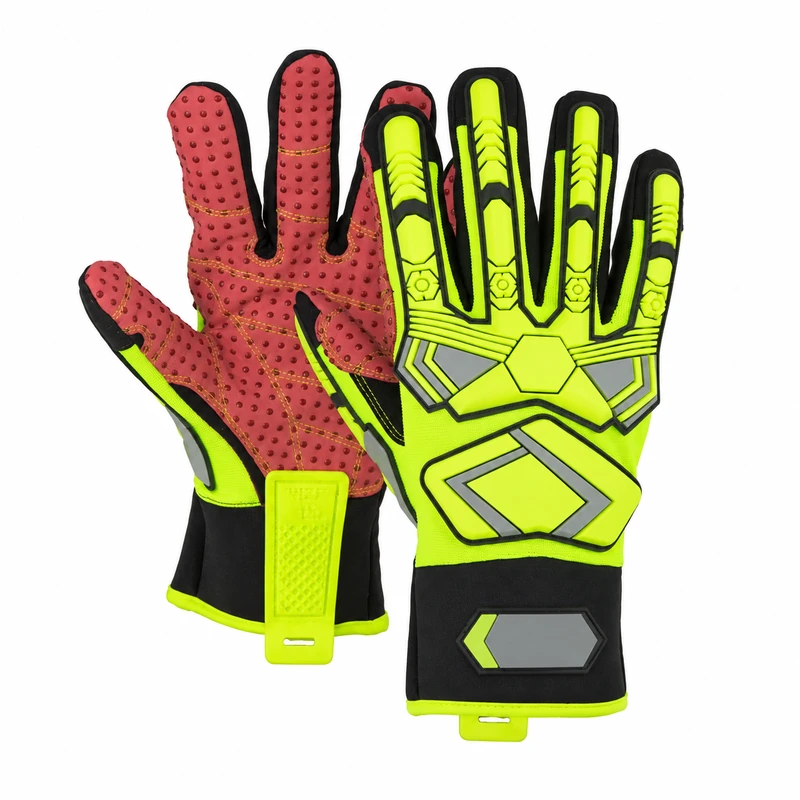
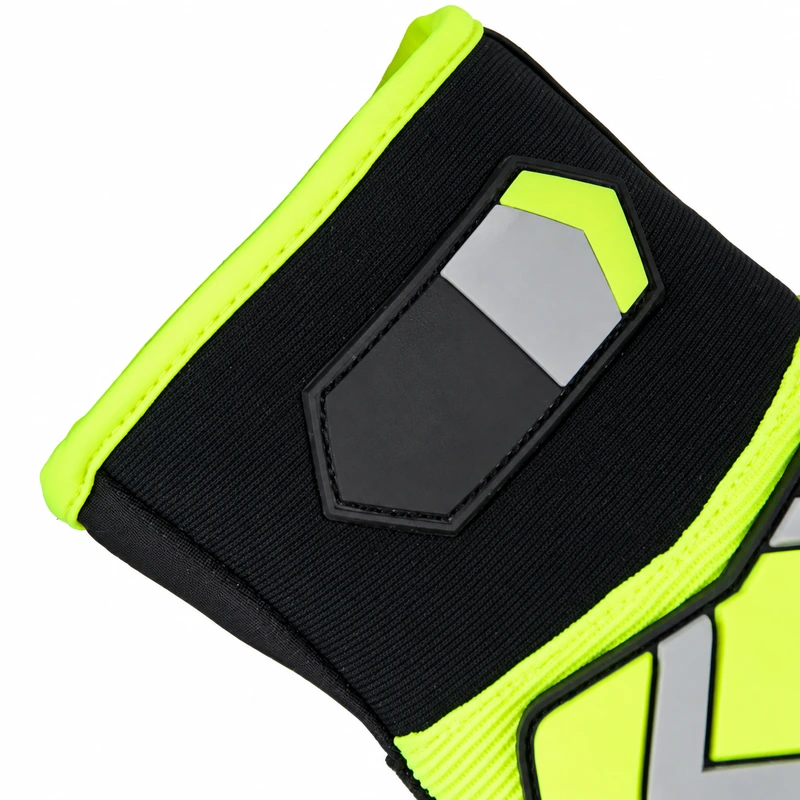
Custom Impact-Resistant Gloves
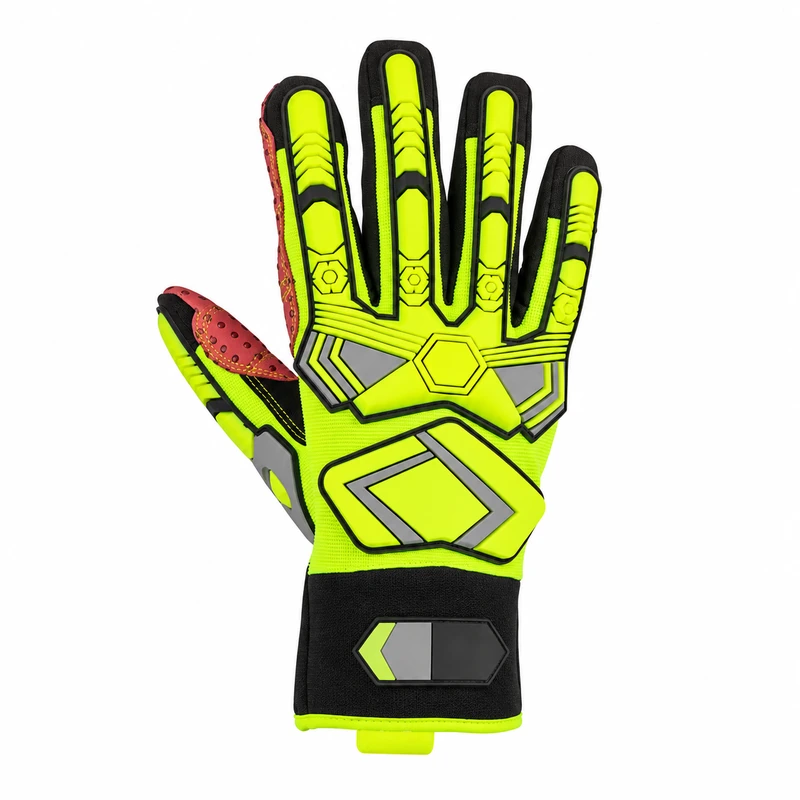
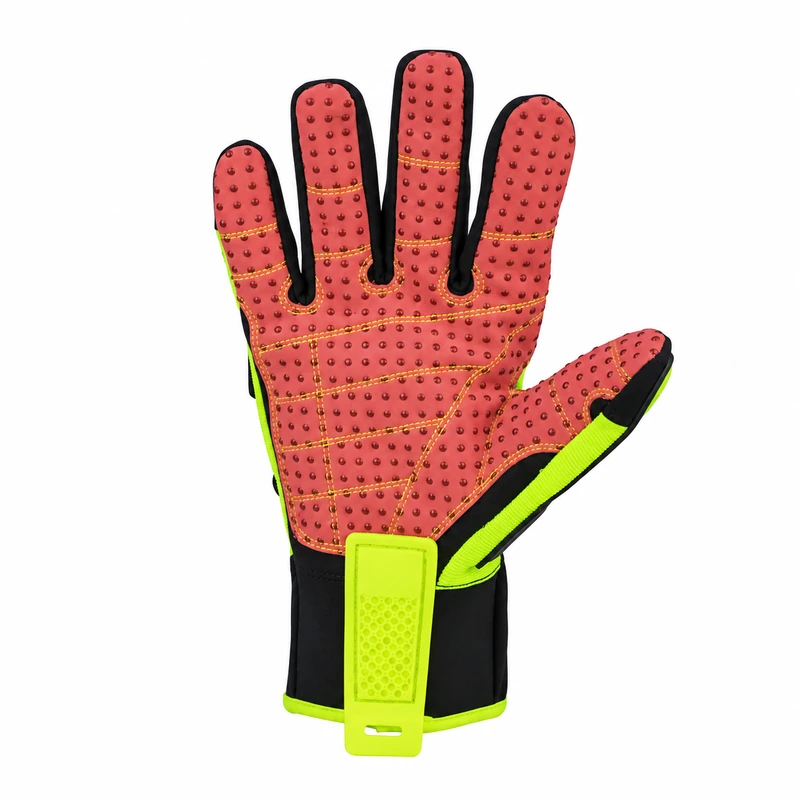
Custom work gloves with back-of-hand and knuckle cushioning for industrial handling. We review the coverage, fit, grip, branding, and required impact evidence for your task before sampling.
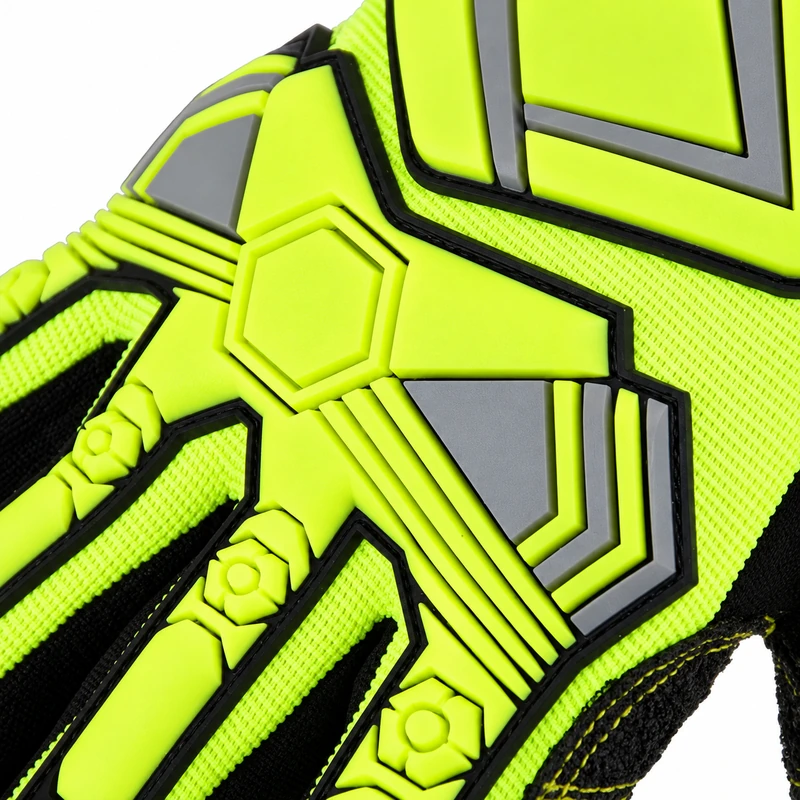
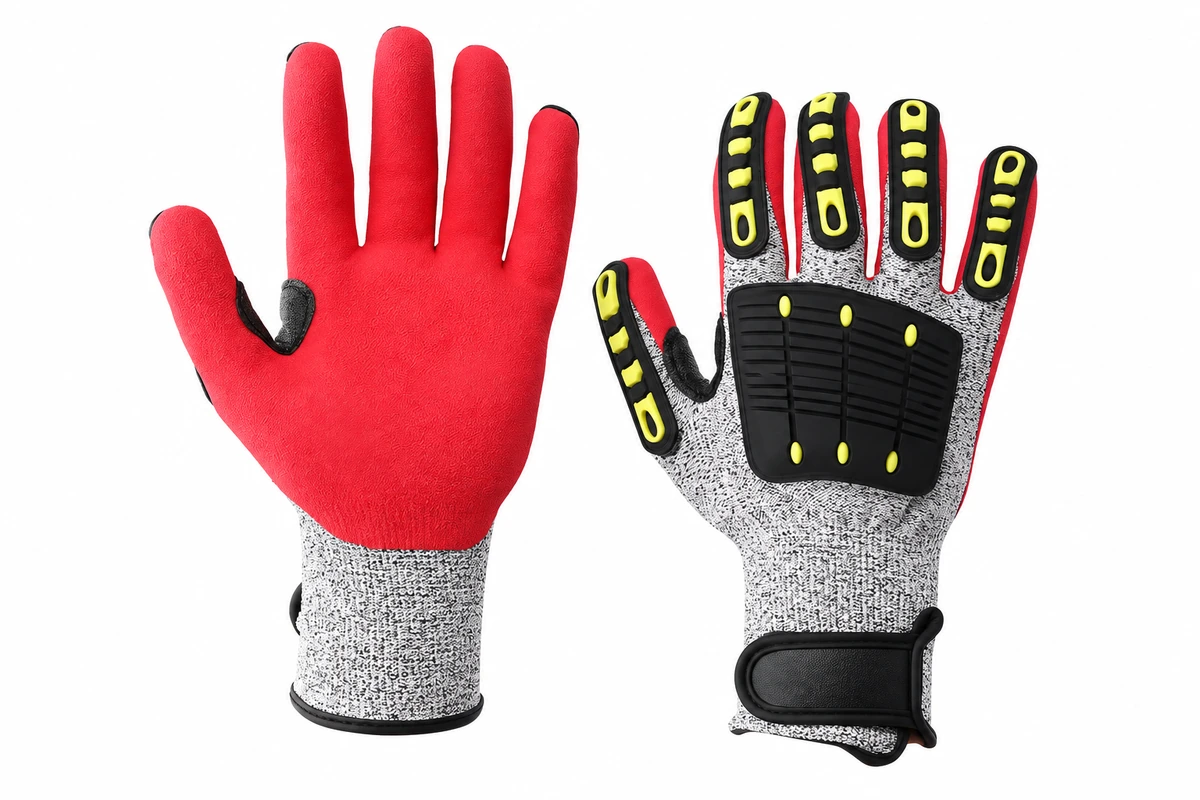
- Impact Zones: Back of hand and knuckles; wider coverage requires project review
- Sizing: S–XXL or custom measurements
- Combined Needs: Grip or cut-resistance targets confirmed separately
- Branding: Logo, labels, and color layout by sample
- Packaging: Retail or bulk packing by order
MOQ, timing, materials, impact claims, and test documents require confirmation for each product specification and destination market.
Request a Quote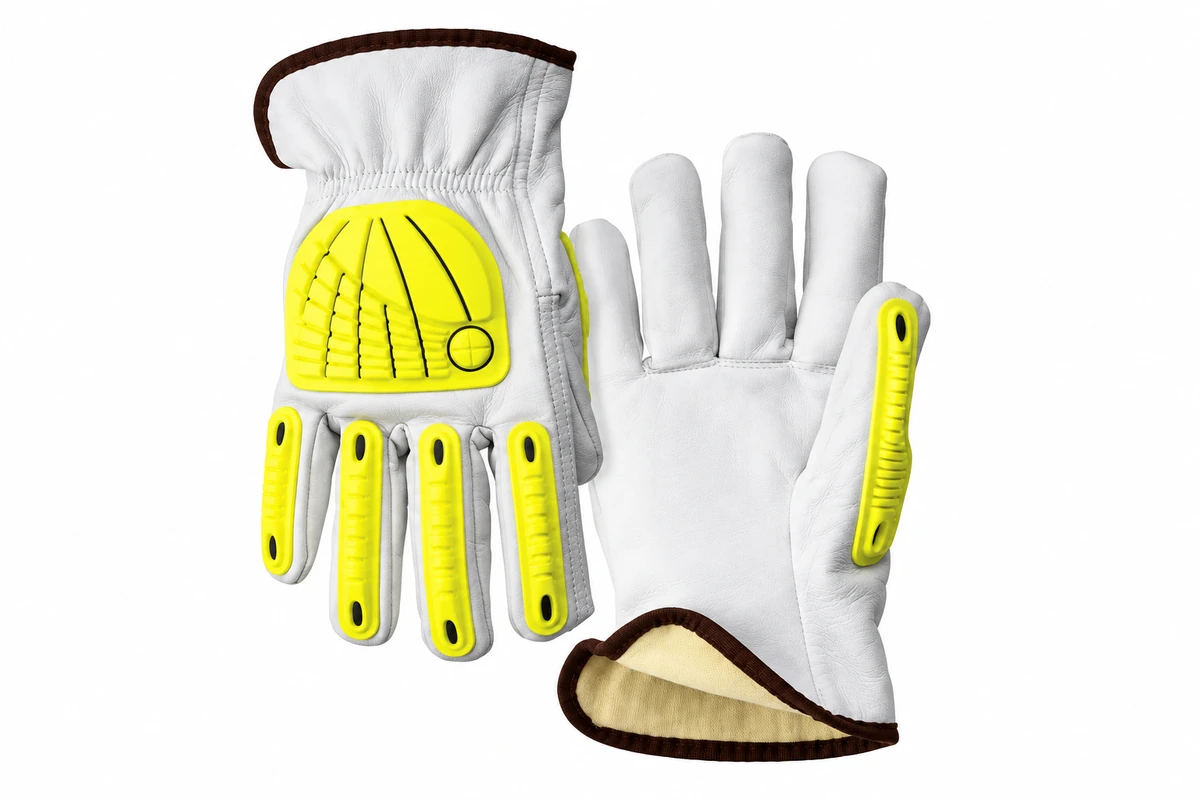
Choose the coverage your task needs
Back-of-hand cushioning: Set coverage around likely contact areas while allowing the hand to flex. Knuckle cushioning: Check the layout while gripping tools or parts; protection and movement need to work together. Additional protection: Finger or thumb-side coverage, cut resistance and other targets require separate feasibility and testing review.
Sewing and Branding for Impact Gloves
The development and production teams coordinate the visible finish with the impact glove’s construction.
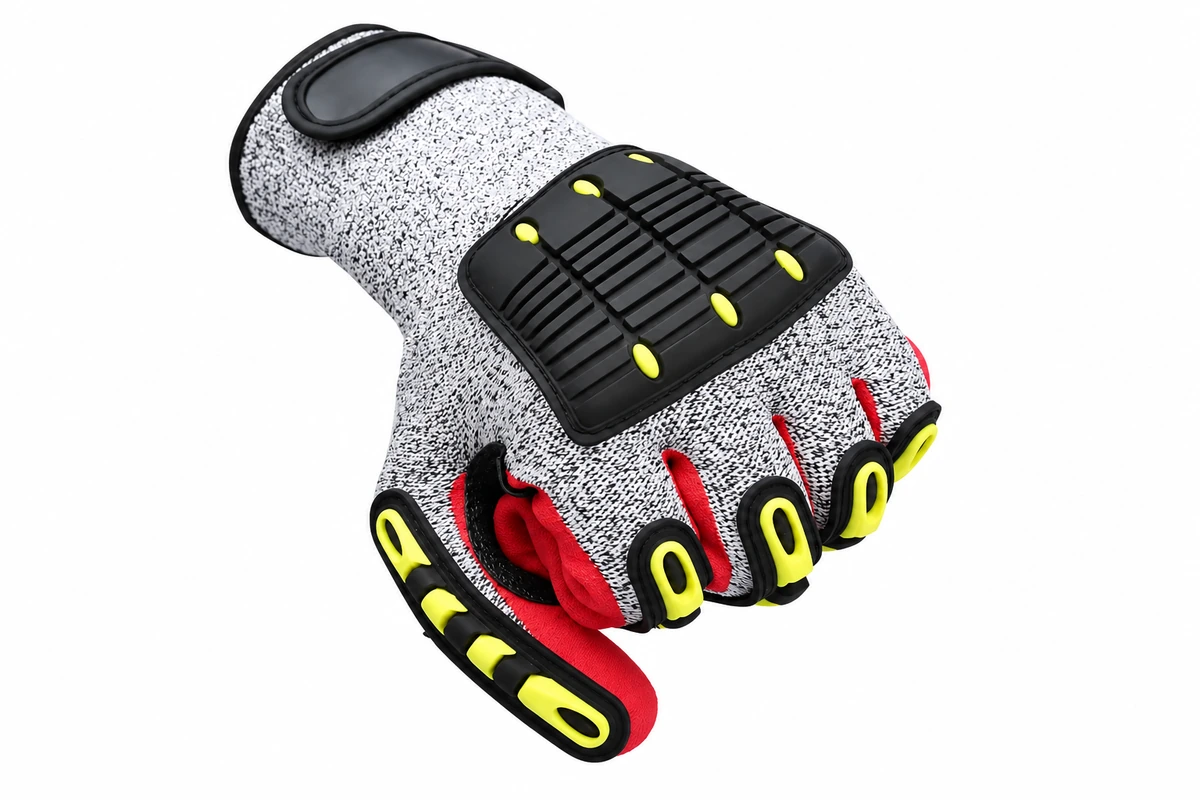
Logo Placement Around Cushioning
Decoration is developed alongside the cushioning layout so the logo has a planned position on the glove.
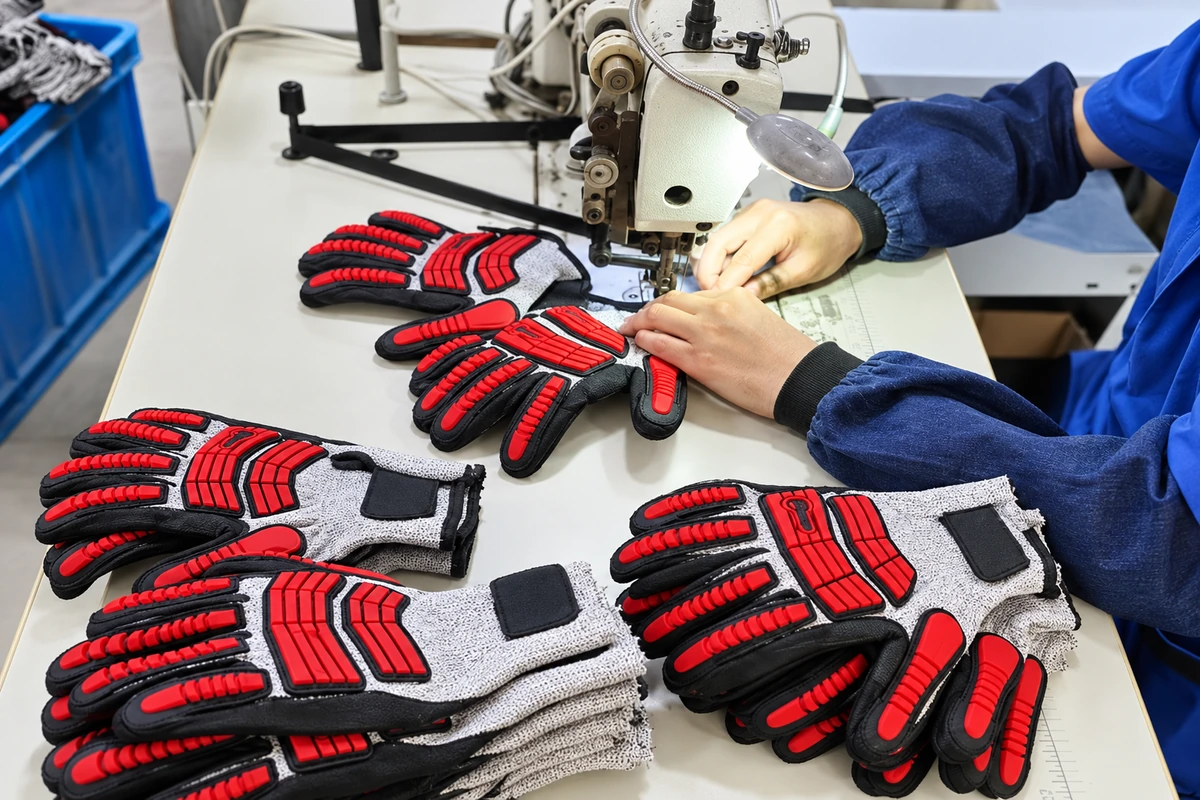
Coordinated Sewing and Decoration
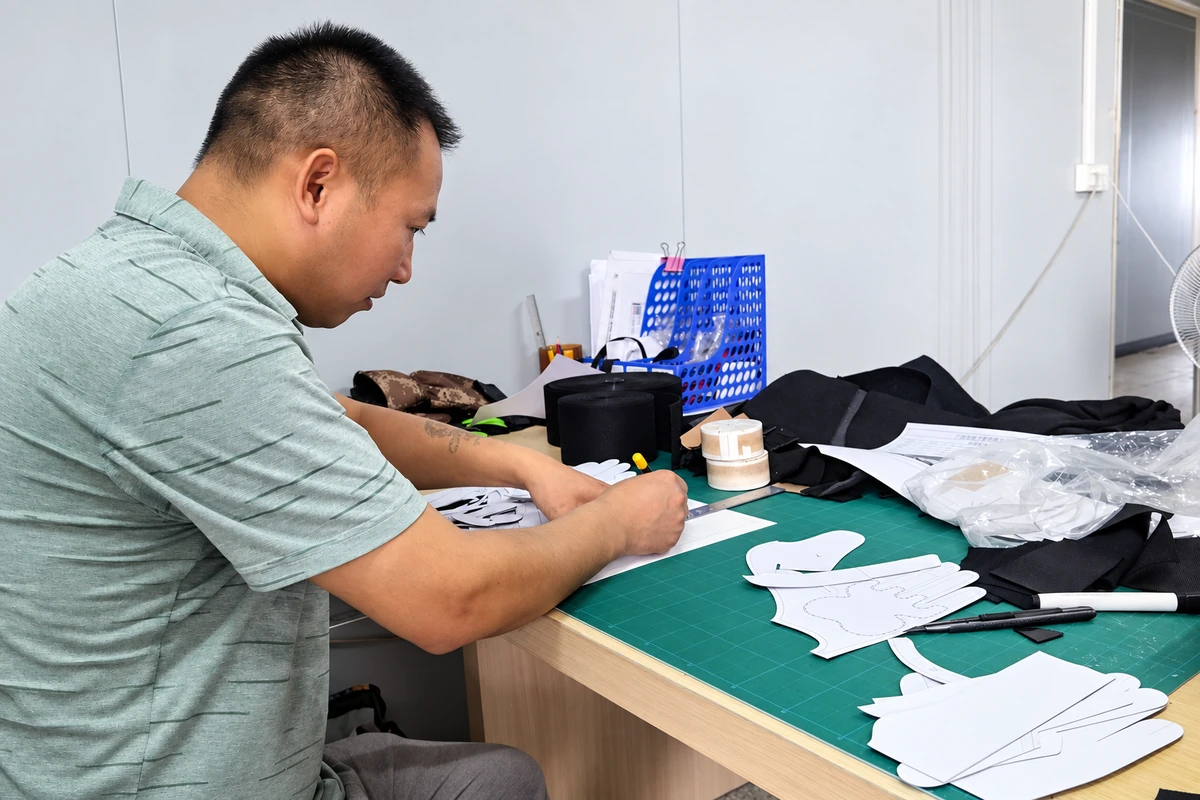
GloveWise manages cutting, sewing and printing. The teams can review fabric-panel and logo-placement changes together.
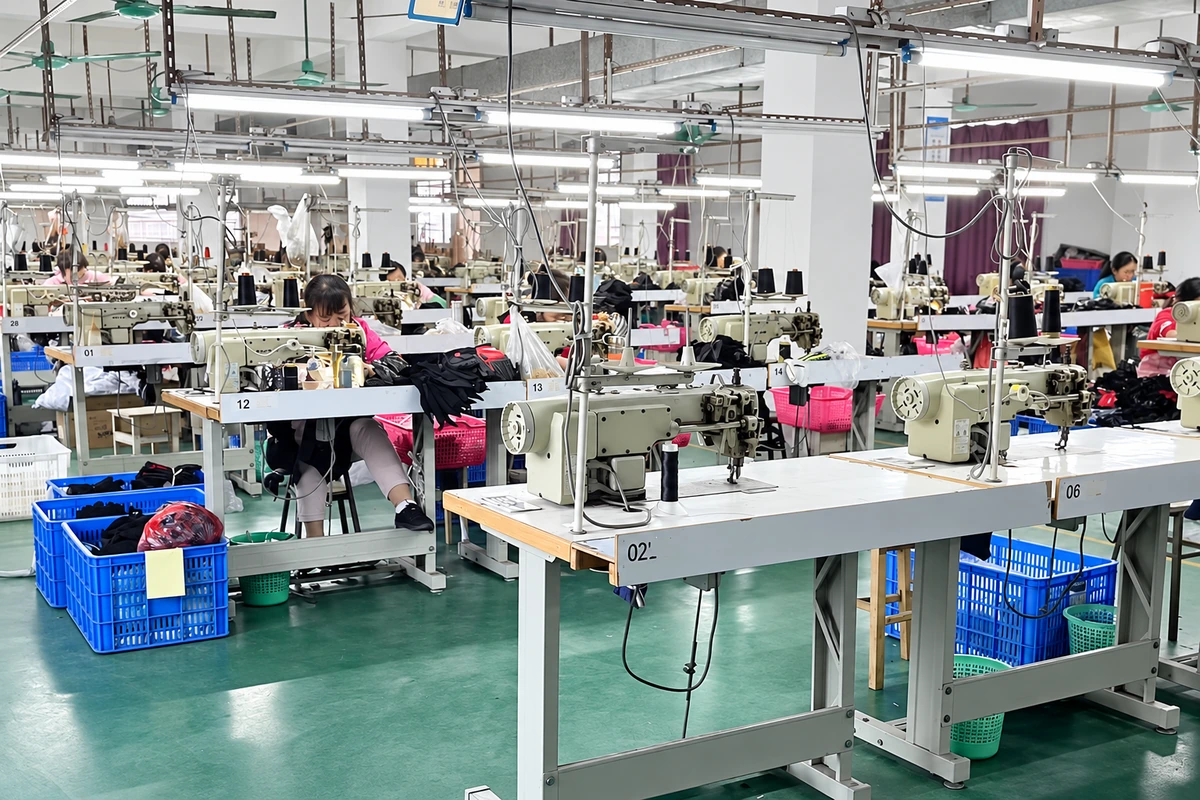
Production You Can See
Production photos, video updates and factory tours are available by arrangement to show the sewing and finishing of your approved design.
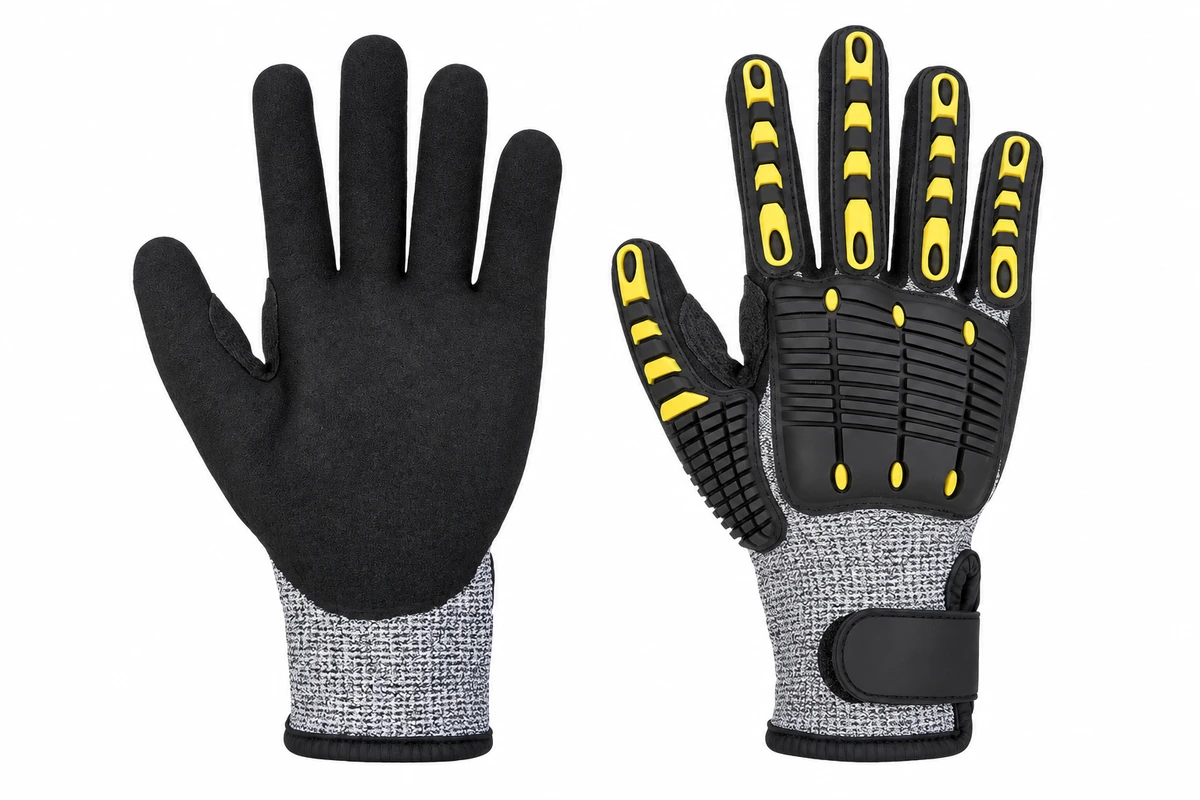
Set the Impact Performance Brief
Define impact, cut, abrasion and grip targets separately from the contact risk and destination-market requirements. Approve claims only when the agreed sample and applicable documents support them.
- Hazard and Contact Zone
For industrial programs with repeated blows to specific hand areas, mark the task, direction, frequency, and affected zones before selecting a structure. - ANSI/ISEA 138 Target
For buyers needing classified back-of-hand impact performance in the US market, specify the required level and document set before development; no level is claimed until testing confirms it. - EN 388 Impact Requirement
For products entering markets that request EN 388 impact evidence, confirm the applicable marking and report scope before approving packaging or marketing claims. - Combined Hazard Targets
For tasks involving impact, cuts, abrasion, or grip demands, define and test each performance target separately; an impact feature does not prove other protection.
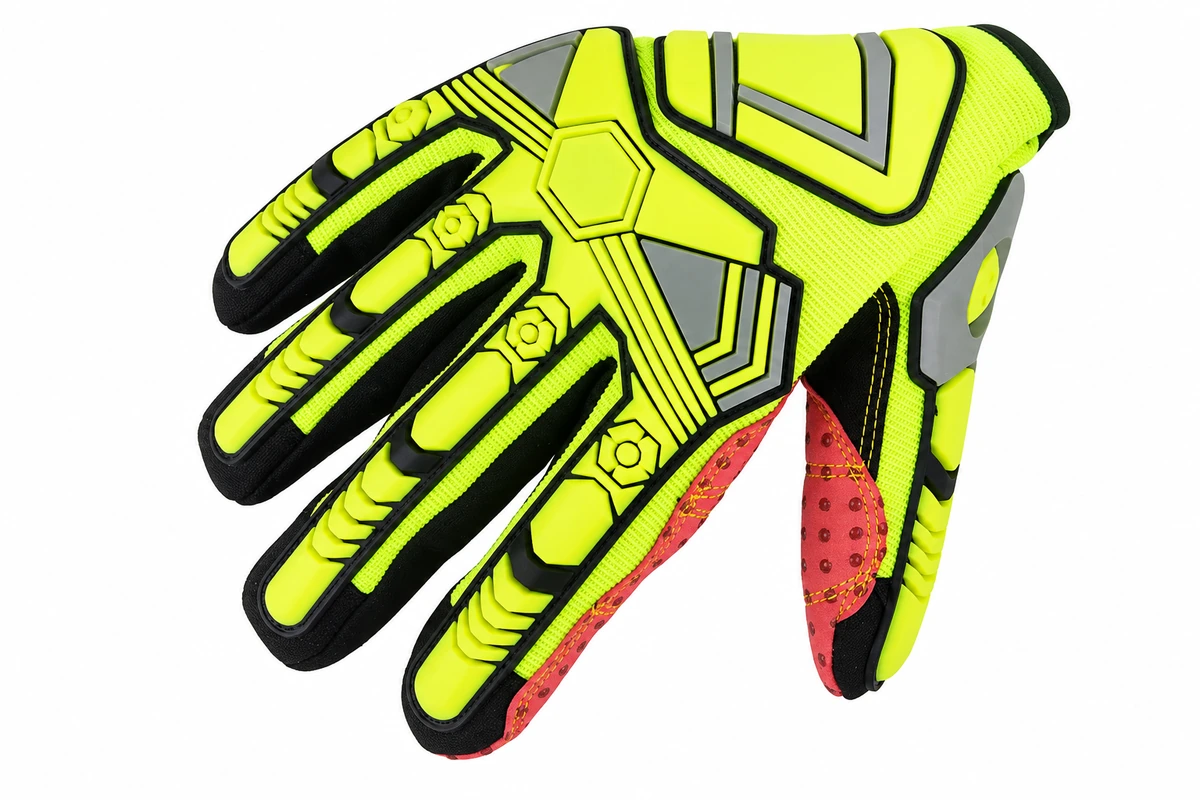
Confirm Back-of-Hand Cushioning Scope
Back-of-hand and knuckle cushioning are supported. Confirm placement, coverage and movement on the reference sample. Finger, thumb-side or wider coverage requires separate feasibility and testing review.
- Back-of-Hand Cushioning
For heavy handling and maintenance programs with contact across the back of the hand, define the position and coverage in the hazard brief and approved sample. - Knuckle Cushioning
For tasks where tools, parts, or materials may contact the knuckles, the layout must preserve necessary bending and is not a blanket crush-protection claim.
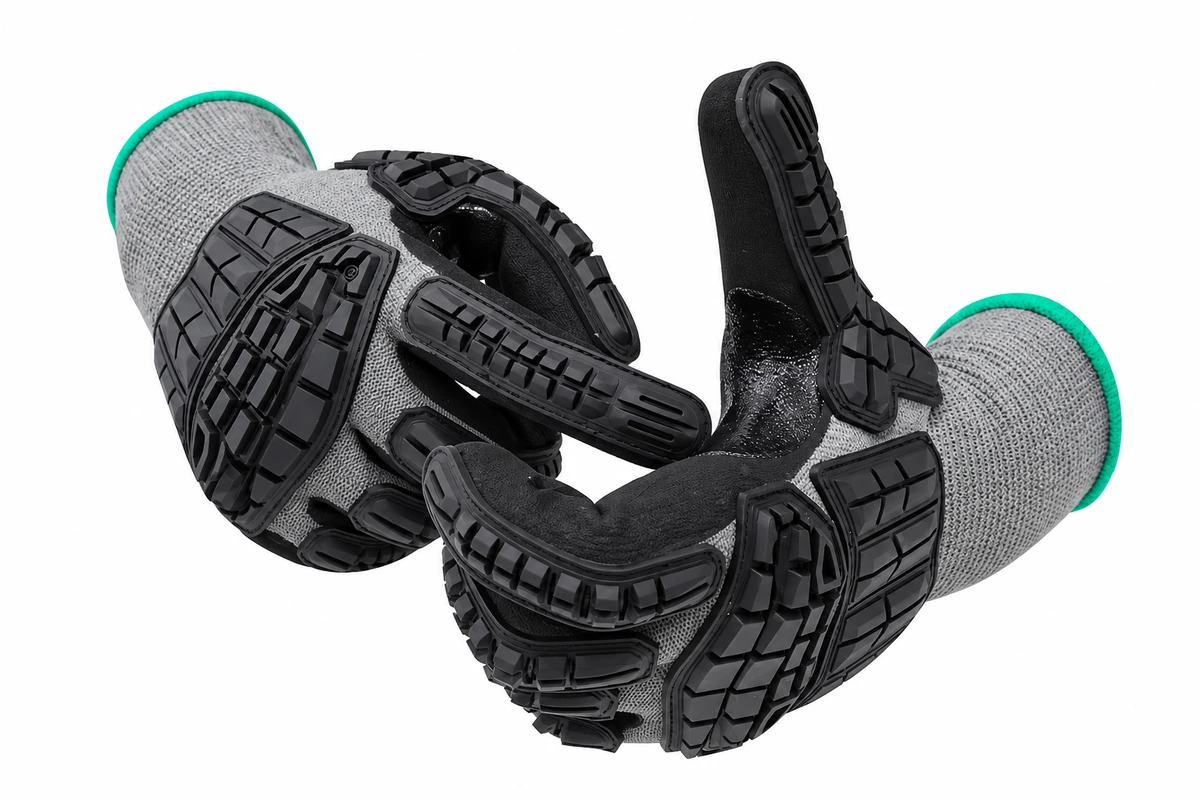
Define Fit and Movement Specifications
Impact features add bulk. Approve the size range, hand measurements, finger movement and wrist opening on a sample that stays secure without interfering with the task.
- S–XXL Size Range
Approve the base size, grading, size labels and quantity for every size. - Custom Palm Circumference
Projects whose users fall outside a standard palm-width grade. Provide measurements or a reference sample; unusual sizes require feasibility review. - Finger and Overall Length
Tasks needing fingertip control, tool handling, or extended glove length. Record both dimensions because palm width alone does not define a secure fit. - Wrist Opening and Retention
Work involving repeated gripping, lifting, or glove removal. Confirm the opening and tightening structure in the sample so the glove stays practical for the task.
Choose a Branding Method for the Glove
Select the logo method after the material and cushioning layout are known. Artwork size, color, placement, quantity and work environment affect the practical process and sample approval.
- Screen Printing
For clear graphics on a compatible surface. Approve ink, colors, artwork size, placement and wear requirements. - Heat Transfer
Detailed multicolor artwork for suitable material surfaces. Approve adhesion, color, and placement on the actual sample before production. - Embroidery
For compatible textile panels or labels. Check stitch density, backing, thickness, placement and comfort. - Silicone Printing
For raised or flexible marks on compatible areas. Approve detail, adhesion, thickness, coverage, color and flex.
Select Packaging for the Sales Channel
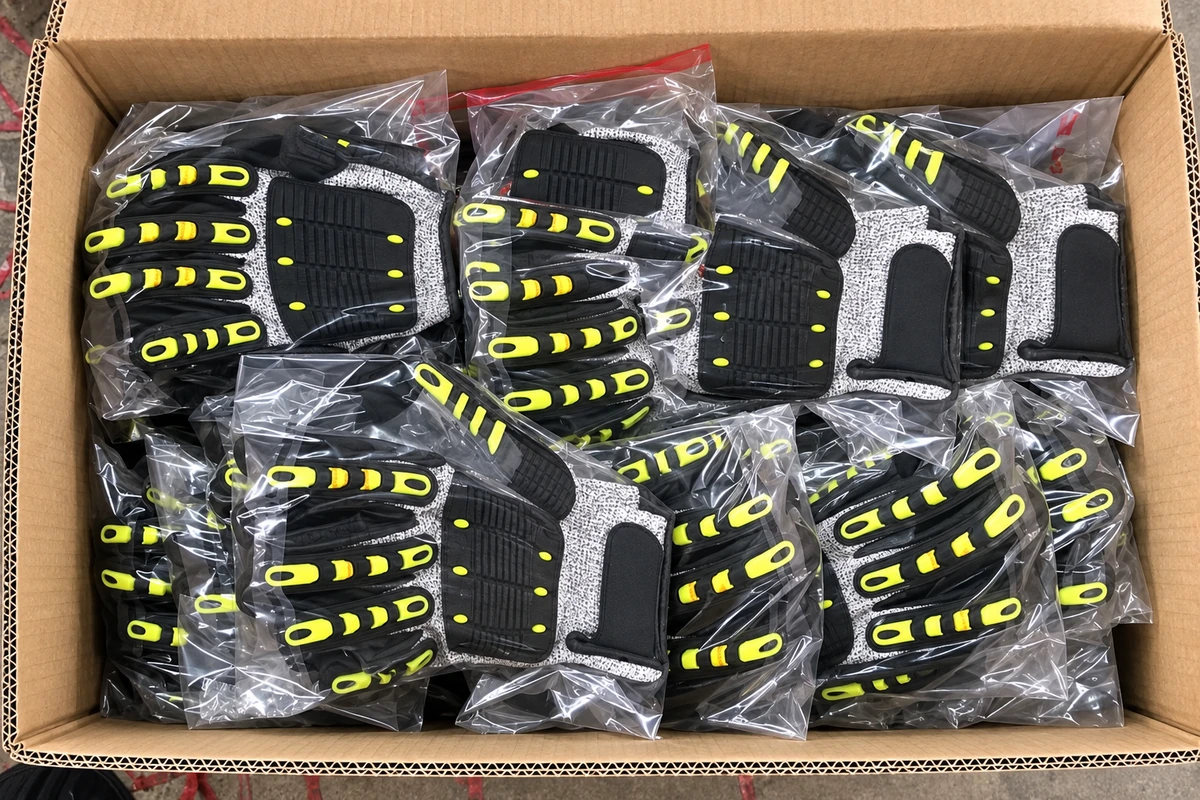
Choose packaging for the sales channel, labeling, carton efficiency and destination requirements. Artwork, pair count, carton marks and performance statements must match the approved specification and supporting documents.
- Single-Pair OPP Bag
Wholesale or protective packing for individually handled pairs. Confirm bag size, warning text, barcode, and whether additional labeling is required. - Header or Hanging Card
Retail programs that need shelf or peg display. Supply dieline, artwork, language, barcode, and approved product claims. - Multi-Pair Inner Box
Distributors packing several pairs or sizes inside a master carton. Confirm pairs per box, size separation, labels, and carton arrangement. - Outer Carton Label
Industrial orders requiring clear receiving and inventory identification. Specify item code, size, quantity, shipping mark, and destination information. - Custom Gift Box
For gift presentation. Agree structure, material, artwork, inserts, protection, MOQ, cost and timing.
Related Custom Products
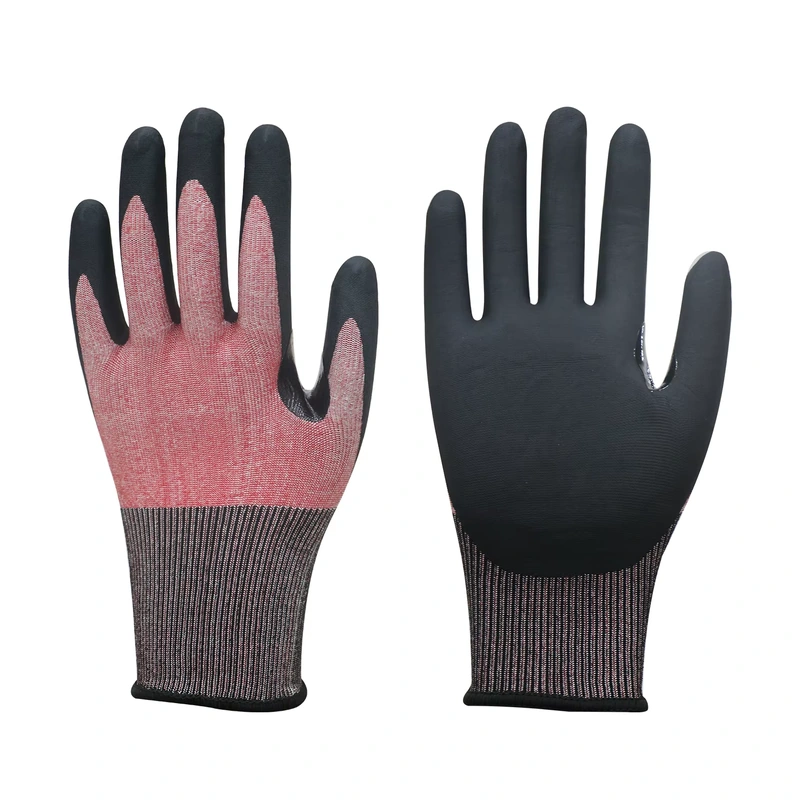
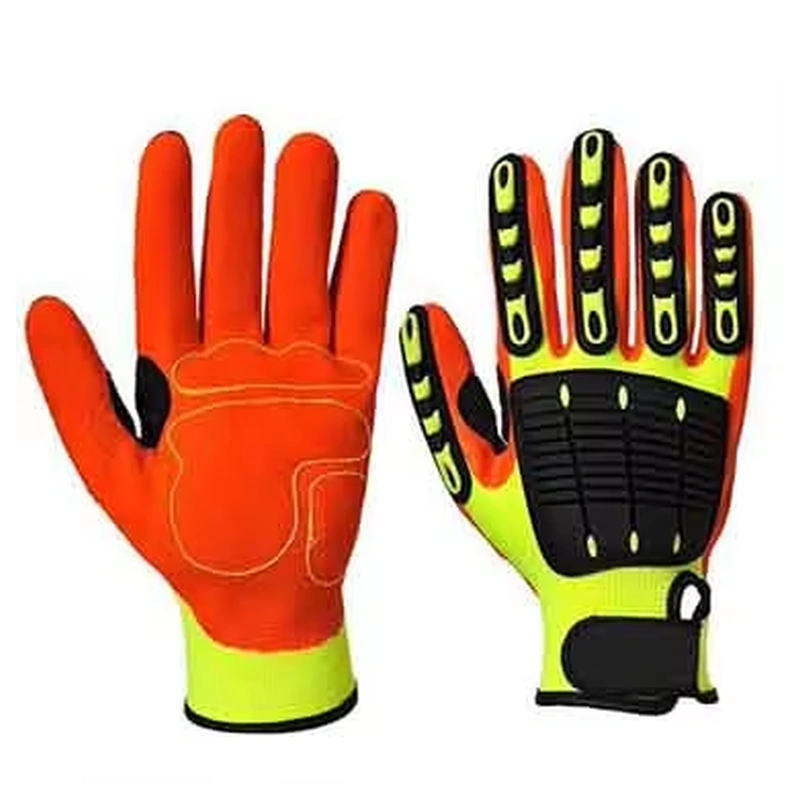
Compare related products for the same project or application.
Approve the Sample as the Production Reference
Approve fit, movement, cushioning placement, palm construction, color, branding, labels and packaging on the physical sample. After written approval, GloveWise produces to the agreed specification with IQC, IPQC and FQC. Performance claims remain tied to applicable test evidence.
Request an Impact Glove Quote
Send your impact protection requirements and quantity for review.
Request a Quote