
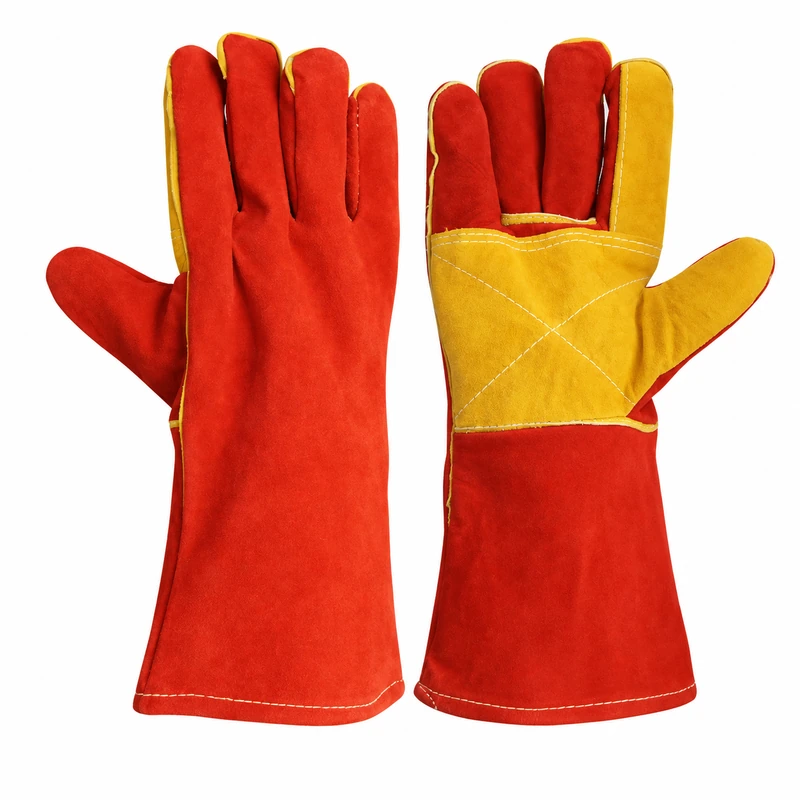
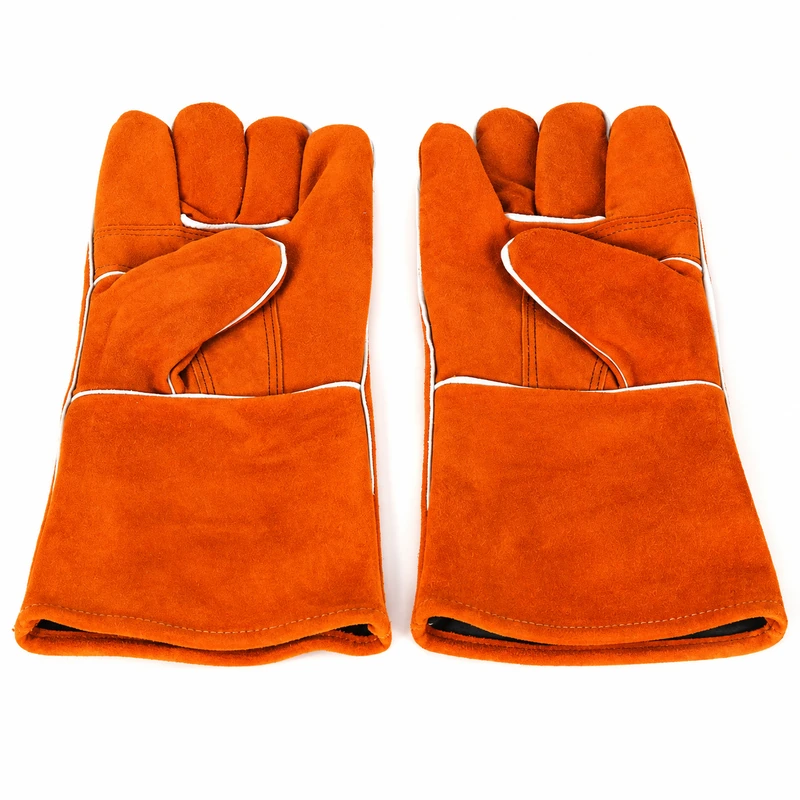
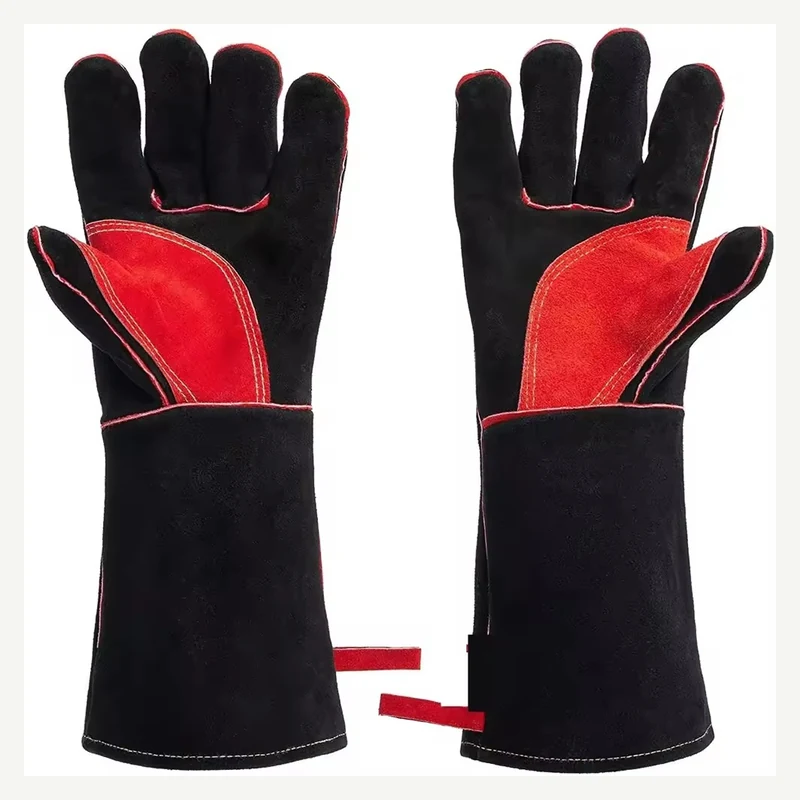
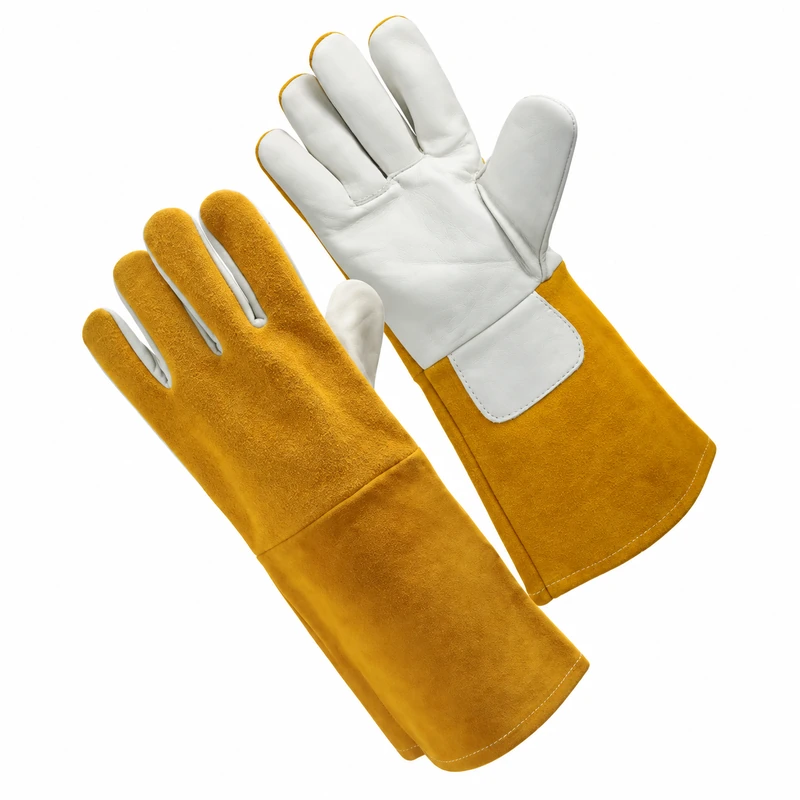
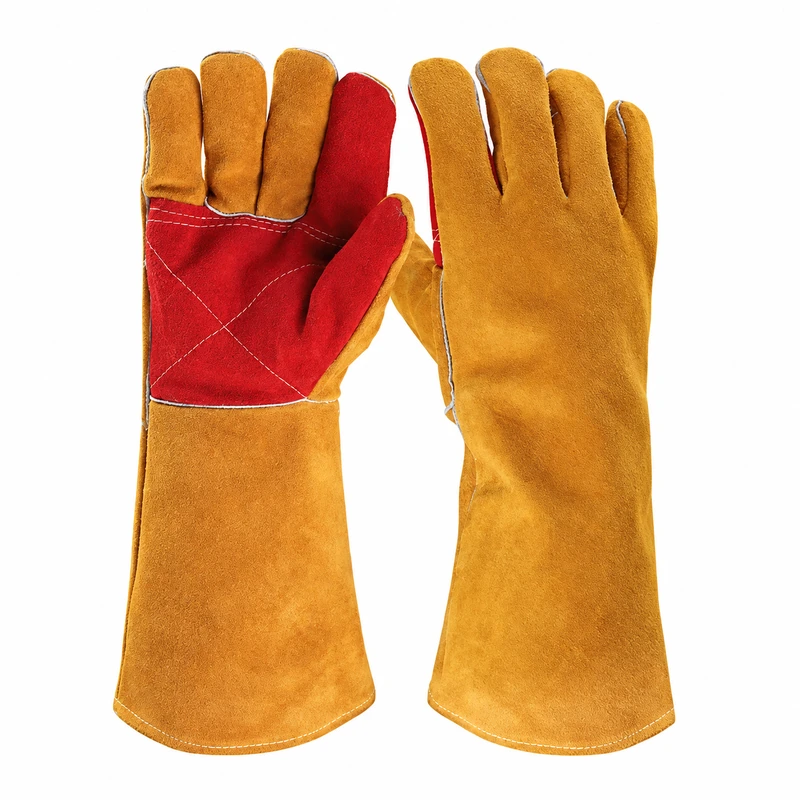
Custom Leather Welding Gloves
Custom leather welding gloves for safety distributors, fabrication teams, and private-label brands. We review leather, lining, seams, reinforcement, and cuff coverage against the welding task and required test documents.
- Application: Specify the welding process, exposure, work position, and wear duration
- Construction: Confirm leather, lining, seams, cuff, and reinforcement per project
- Fit & Coverage: S–XXL and custom dimensions; approve wrist and forearm coverage
- Private Label: Match branding, labels, and packaging to the approved sample
- Verification: Link every protection claim or standard to an agreed test file
MOQ and timing depend on the approved leather, construction, branding, testing, packaging, quantity, and production schedule.
Request a Quote
Specify the welding task before the build
TIG or other precision work: State the process and required finger control, then compare fit, seams and lining on a representative sample. Higher heat or spatter exposure: Identify the process, contact and work position so leather, lining, reinforcement and coverage can be assessed. Wrist and forearm coverage: Agree glove length, cuff opening and sleeve overlap; protection claims need matching product evidence.
Leather Cutting and Sewing for Custom Welding Gloves
The factory supports leather construction and private-label finishing, with production matched to the agreed welding-glove design.
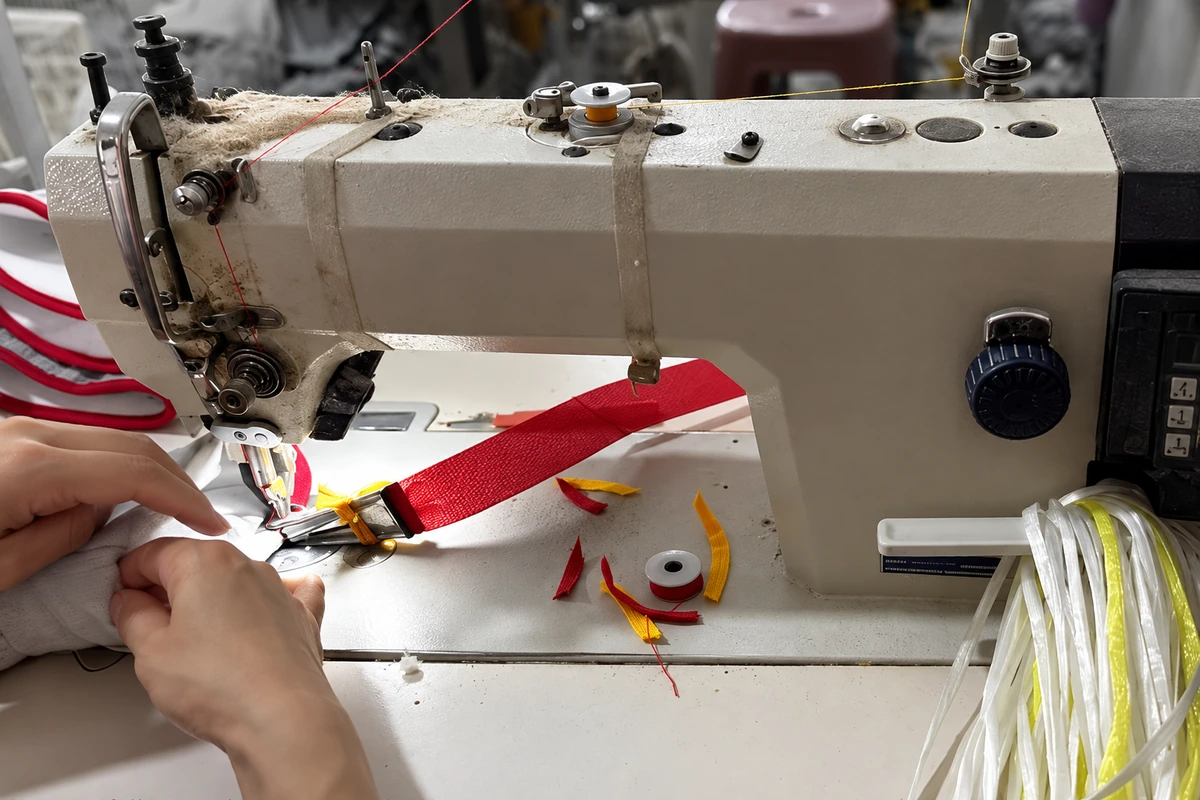
Sewn Leather Components
GloveWise coordinates leather cutting and assembly. Palm, cuff and reinforcement pieces can be developed together before sewing.
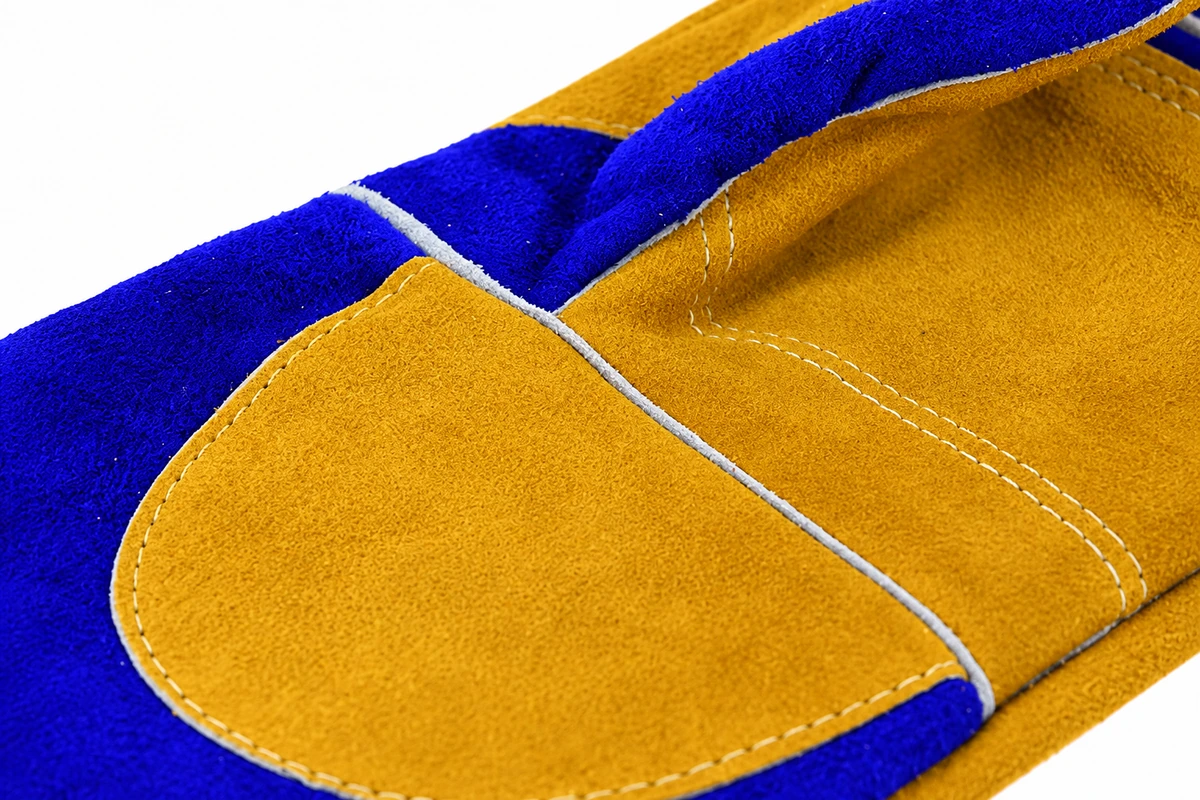
Stitch Spacing and Thread Tension
Stitch spacing and thread tension are checked during production to control sewn leather workmanship.
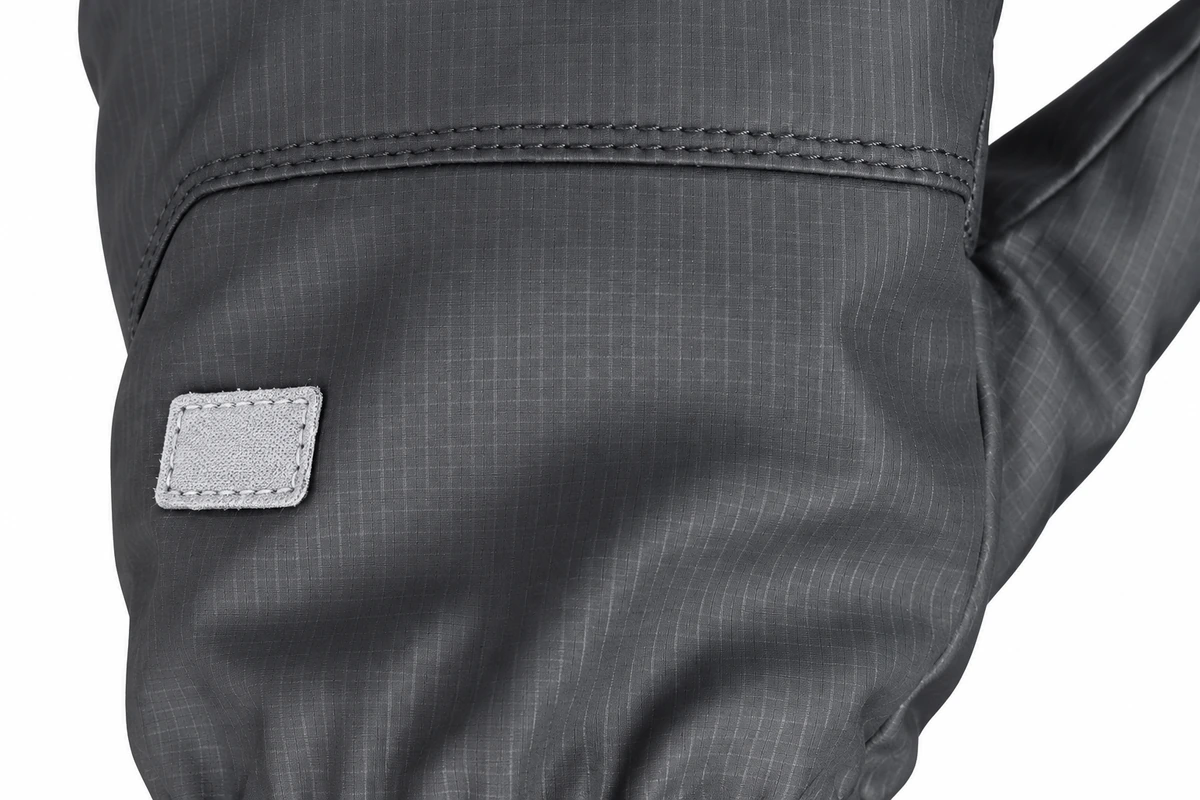
Woven Branding and Size Identification
Woven branding and size identification can be incorporated into the finished glove. Label attachment and pair preparation follow the private-label production requirements.

Define the Welding Process and Exposure
The welding process, heat and spatter, contact with hot or sharp parts, work position, environment and wear duration define the sample brief and verification plan.
- Arc Process
TIG, MIG/MAG, stick/SMAW, flux-cored, or another stated process
Identify the actual process and operating conditions because heat, spatter, contact, and dexterity needs differ - Heat and Spatter
Tasks involving radiant heat, sparks, slag, or molten-metal exposure
Describe intensity, direction, and duration; do not use “heat resistant” as an unverified all-purpose claim - Contact and Handling
Work that also involves hot parts, edges, tools, or material handling
Separate each hazard and required performance before approving the glove construction - Work Environment
Indoor, outdoor, overhead, confined, wet, or high-humidity work
State the position, conditions, and wear duration so coverage and PPE selection reflect the workplace
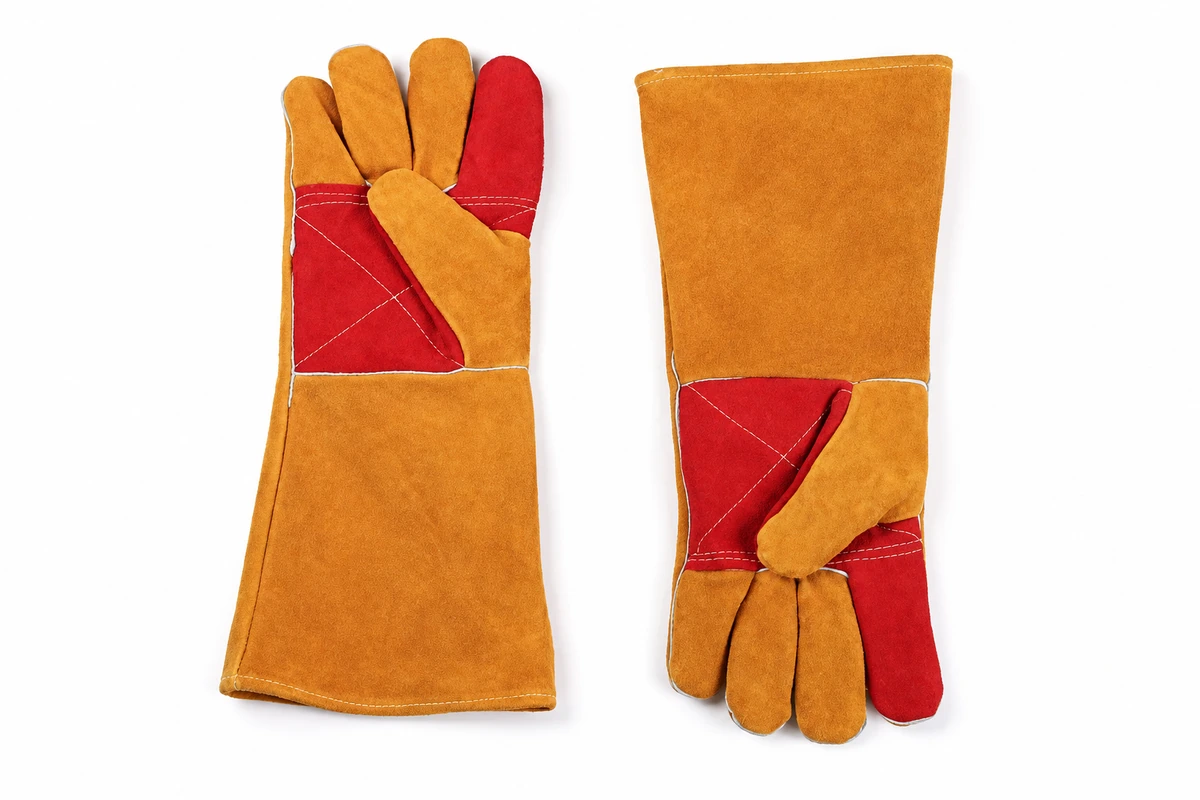
Set the Fit and Coverage Dimensions
Fit affects finger control, grip, movement and wrist or forearm coverage. Provide hand measurements or a reference sample, then approve the size chart, overall length, wrist opening and project tolerances.
- Palm Circumference
Core fit grading for distributor and workforce size runs
Provide the measurement method and target value for each size - Finger Length
Tasks where fingertip fit affects control and movement
Confirm the reference hand data or approved sample before grading - Overall Glove Length
Projects that need defined wrist or forearm coverage
Measure from the agreed reference point and approve the finished tolerance - Wrist Opening
Pull-on access and compatibility with sleeves or other PPE
Confirm the opening dimension and how it is measured on the sample - S–XXL Size Run
Standard multi-size retail, distributor, or workforce orders
Approve the final size chart and order quantity by size - Special Size
Nonstandard hand dimensions or a customer-owned reference pattern
Feasibility, grading, cost, and tolerance require project review
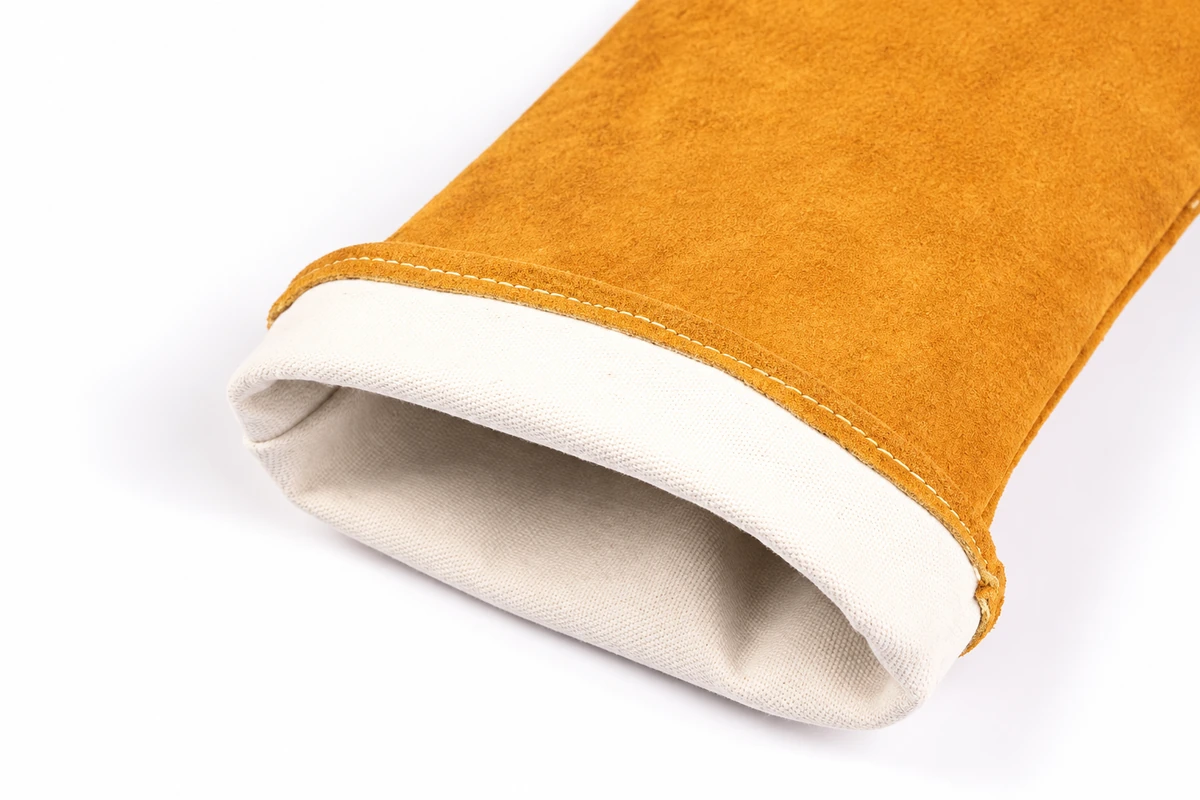
Approve the Welding Glove Construction
Specify leather, lining, seams, cuff coverage and reinforcement zones in the sample brief. GloveWise reviews feasibility before sampling.
- Leather Specification
Projects that must control leather type, surface, feel, or batch appearance
Define the required leather and acceptance reference; welding performance is not inferred from the material name alone - Lining Requirement
Tasks where comfort, insulation, dexterity, or wear duration affects selection
State the required coverage and purpose; material and performance need feasibility and test review - Seam Plan
Buyers controlling wear points, movement, or exposure around stitched areas
Mark seam location, construction, and acceptance details on the sample specification - Cuff and Coverage
Projects needing stated wrist or forearm coverage
Give the overall length, cuff shape, opening, and interface with other PPE - Reinforcement Zones
Work involving recurring contact, abrasion, or defined wear areas
Mark the exact palm, thumb, finger, or other zones; added structure can affect movement and cost
Define the Private-Label Identification Set
Supply approved artwork and target-market wording for product and size identification without unsupported safety claims. Confirm label material, attachment, placement, barcode data and sample appearance.
- Brand Woven Label
Private-label brand recognition on the product or approved attachment area
Confirm label material, dimensions, artwork, attachment, and placement against the final construction - Care Label
Product information, care guidance, and traceability text
Buyer supplies required wording and languages; content must match the approved product and market - Hangtag
Retail, distributor, or inventory presentation
Provide artwork, barcode, language, attachment, and any claim that needs document support - Size Label
Multi-size orders and fast warehouse identification
Confirm size codes, placement, packing sequence, and consistency with the approved size chart
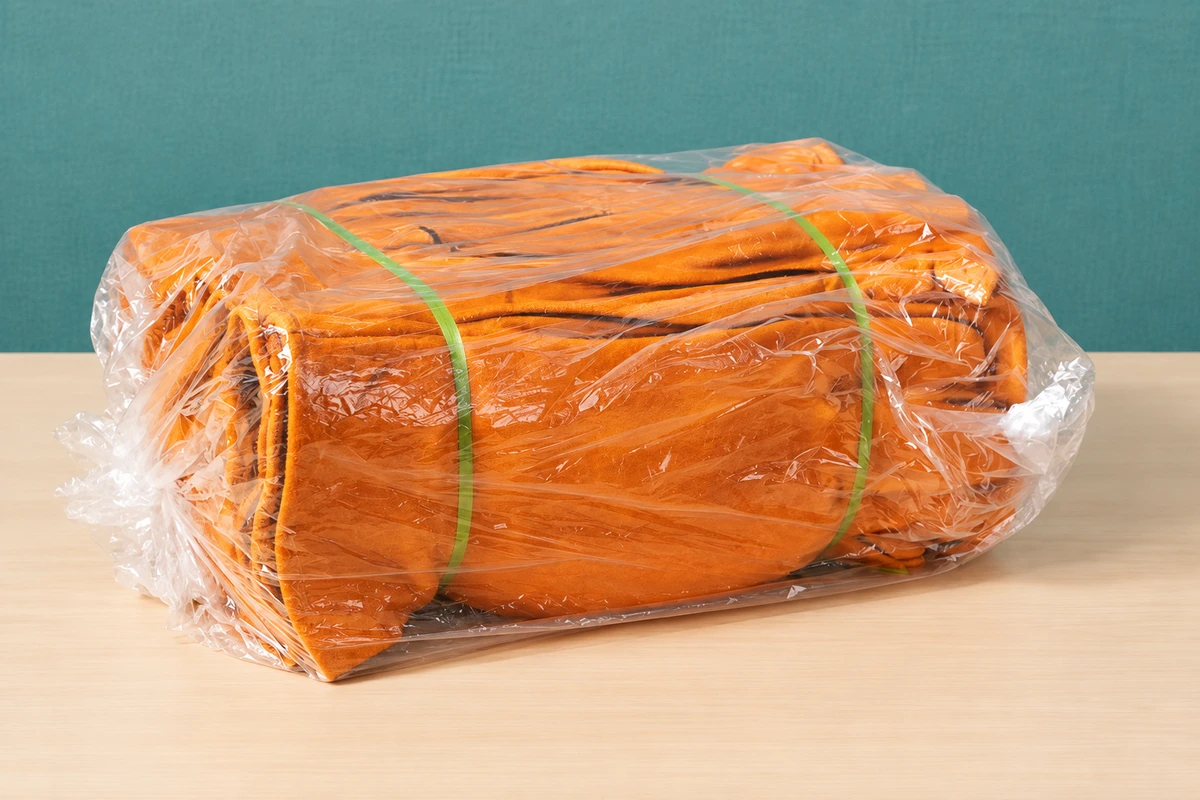
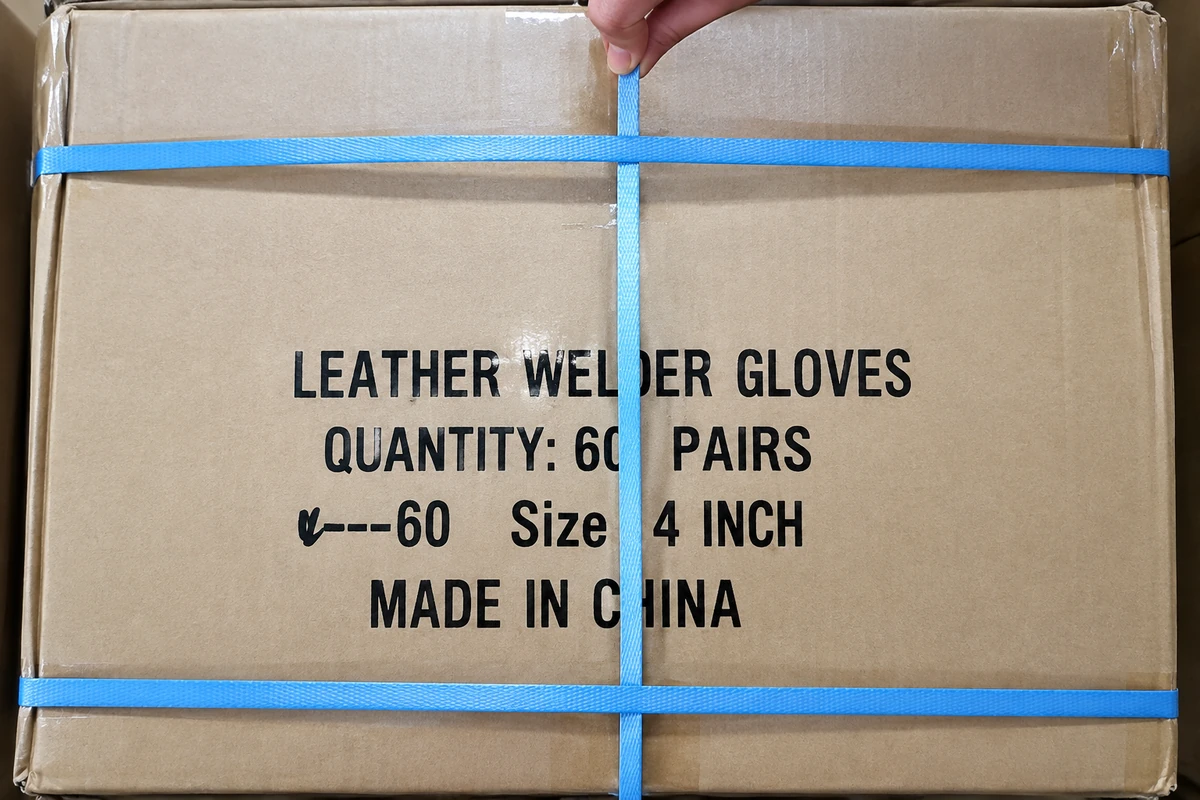
Choose Packaging and Shipment Identification
Packaging should protect the approved glove, separate sizes, present the private label and keep cartons traceable. Confirm pair quantities, label and barcode data, carton count, shipping marks, destination and transport requirements before choosing a format.
- Single-Pair OPP Bag
Basic pair separation and size control
Confirm bag size, suffocation warning where applicable, label, barcode, and sealing method - Paper Card
Retail or distributor information with a compact format
Approve card material, artwork, attachment, barcode, languages, and supported claims - Hang Card
Peg display and visible private-label presentation
Confirm hanging method, card strength, artwork, and glove attachment - Multi-Pair Inner Box
Wholesale, distributor, or workforce packing
Set pairs per box, size mix, inner label, and packing sequence - Outer Carton Label
Warehouse, shipment, and lot identification
Approve item code, size, quantity, carton number, shipping mark, and destination data - Custom Gift Box
Branded retail or presentation programs
Structure, materials, inserts, dimensions, cost, and transport protection require project confirmation
Related Custom Products
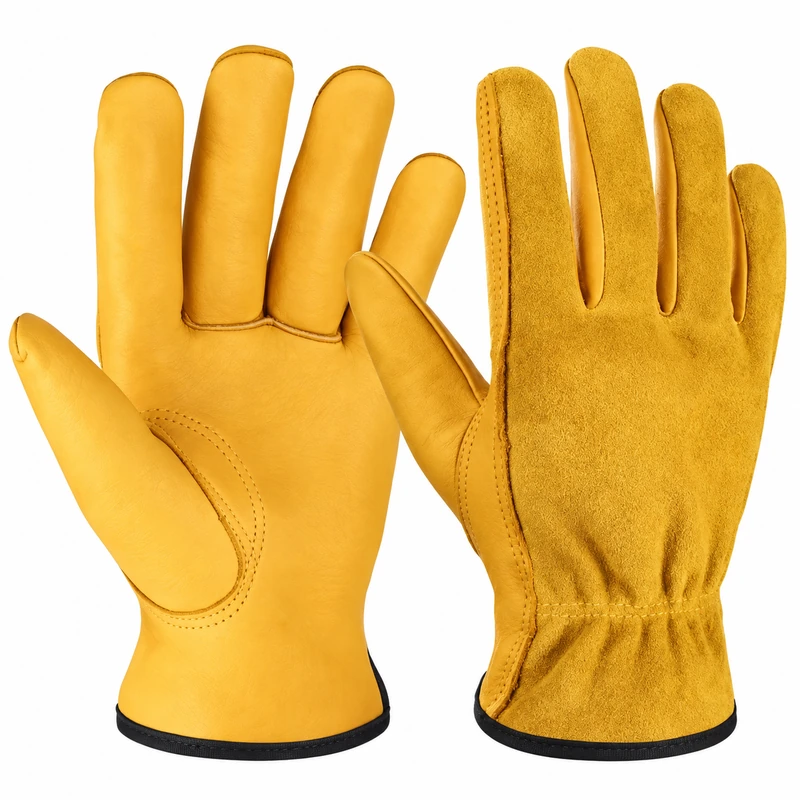
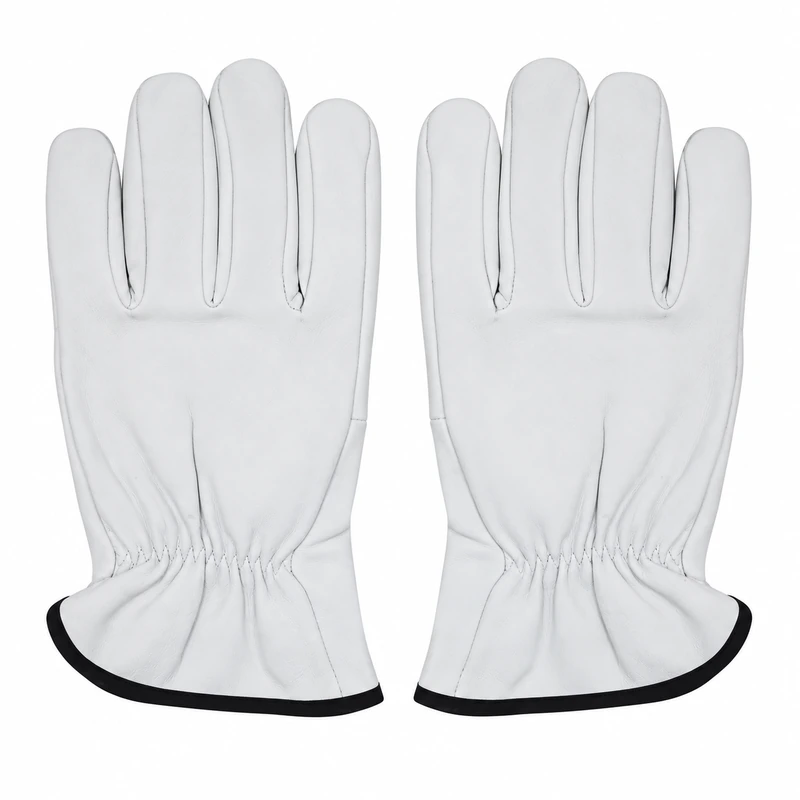
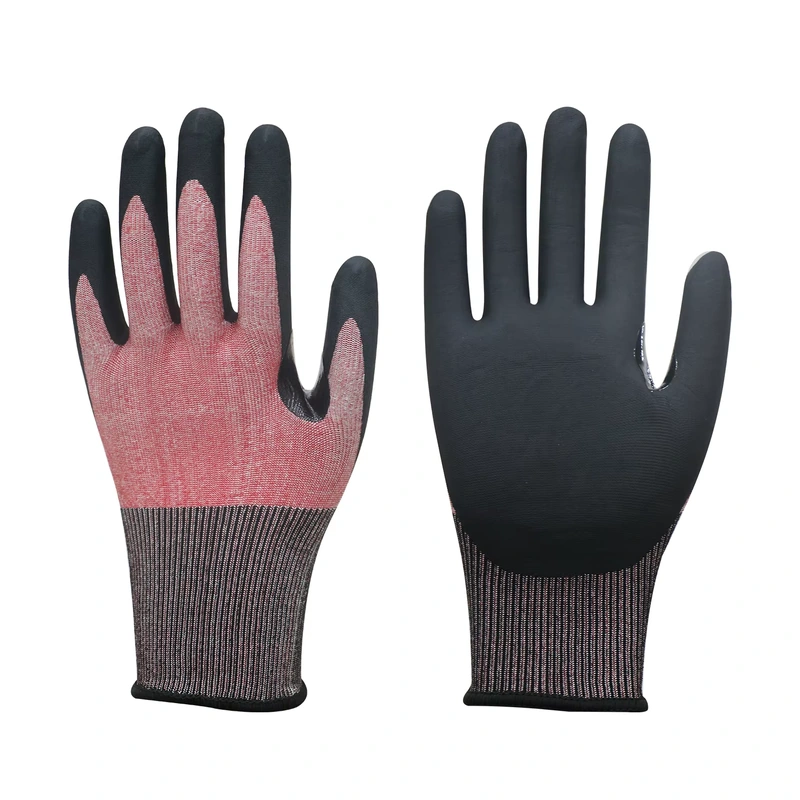
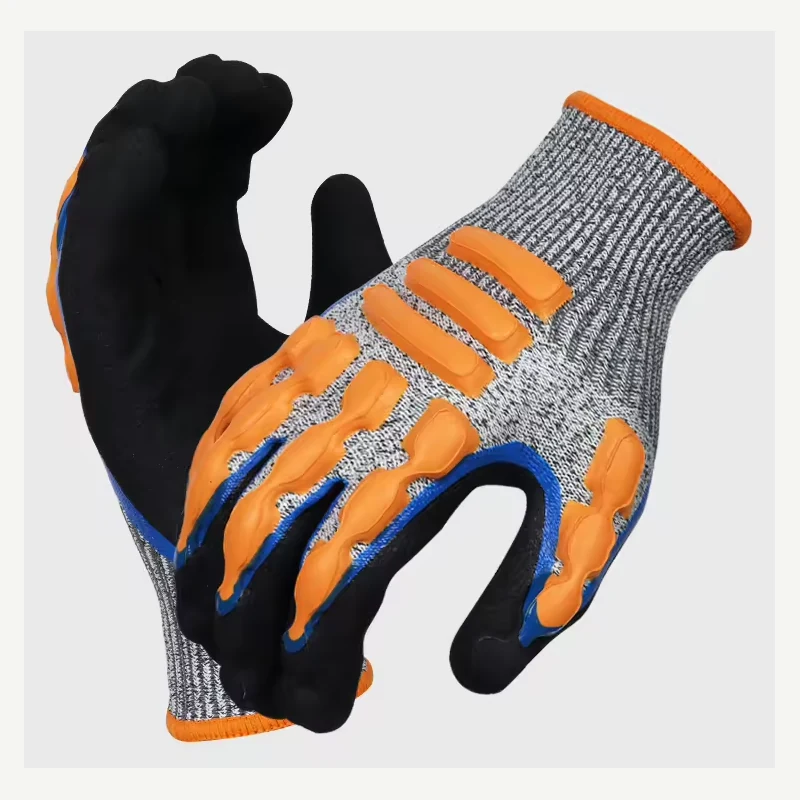
Compare related products for the same project or application.

Approve Construction and Verification Before Production
Use the approved sample and written specification to control leather, dimensions, lining, seams, coverage, reinforcement, pair matching, markings, labels, and packaging through IQC, IPQC, and FQC. Visual inspection does not prove thermal or mechanical performance; every protection claim or target-market standard needs an agreed test plan and matching file.
Request a Welding Glove Quote
Send your welding process and protection requirements for project review.
Request a Quote