
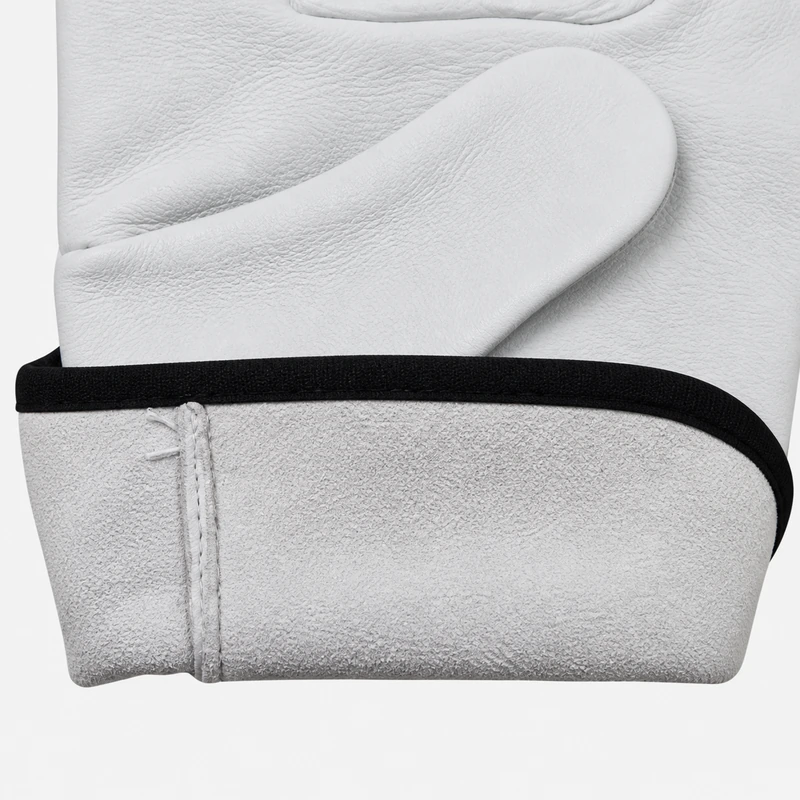
Custom Goatskin Leather Gloves
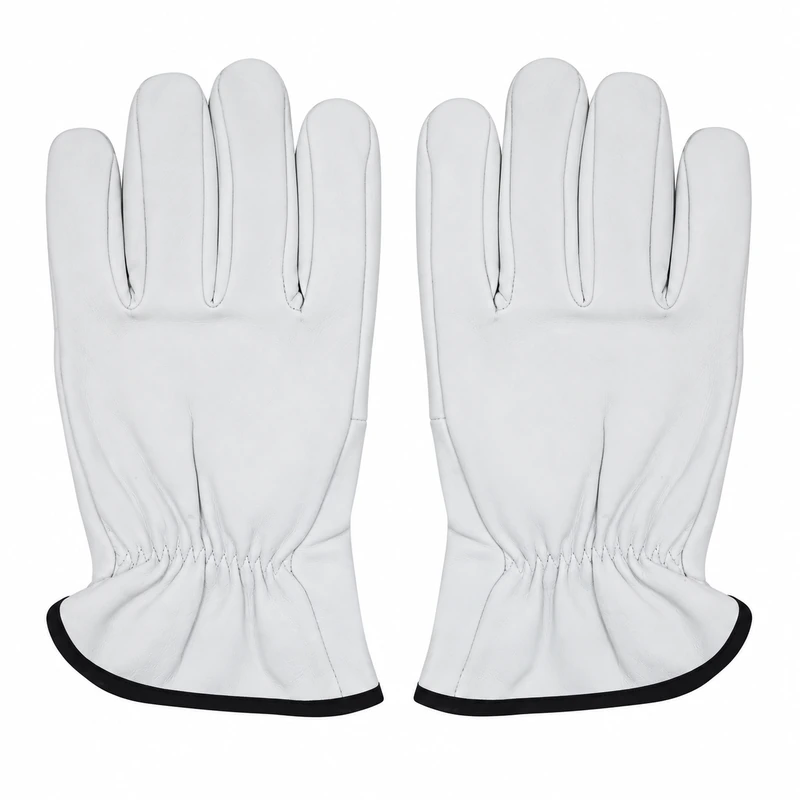
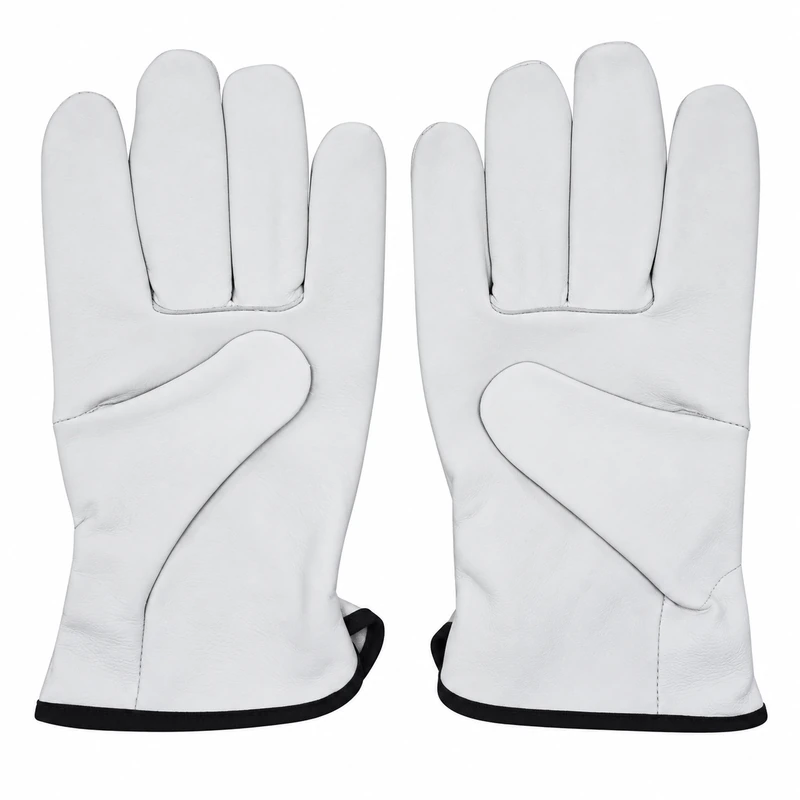
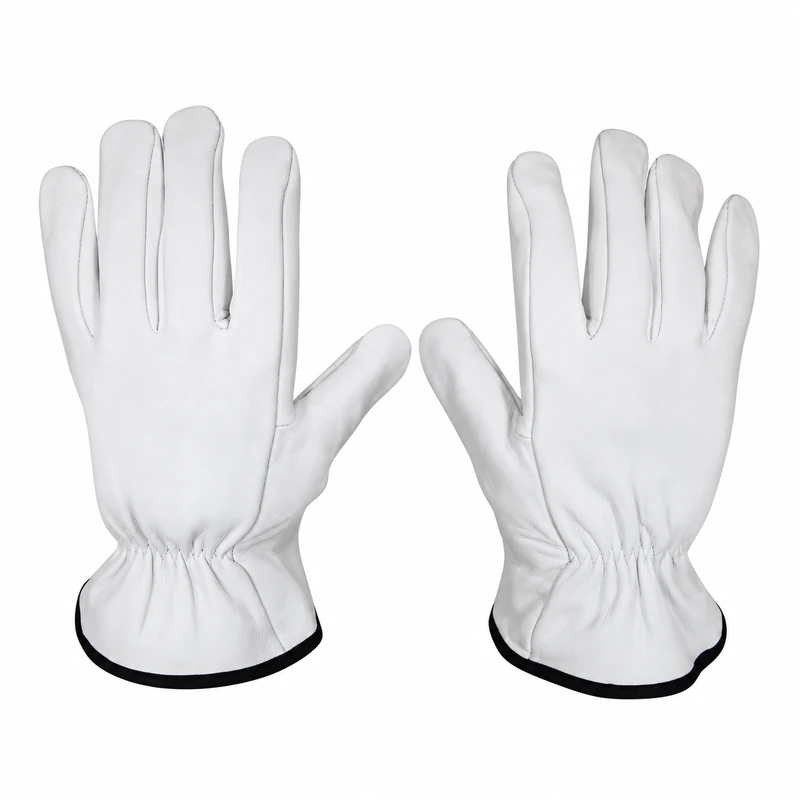
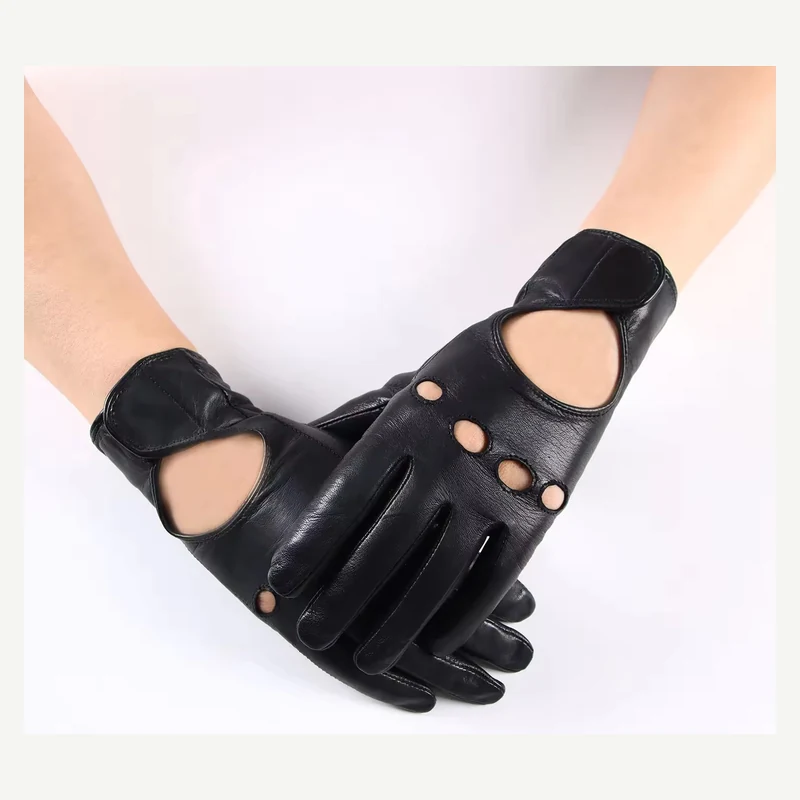
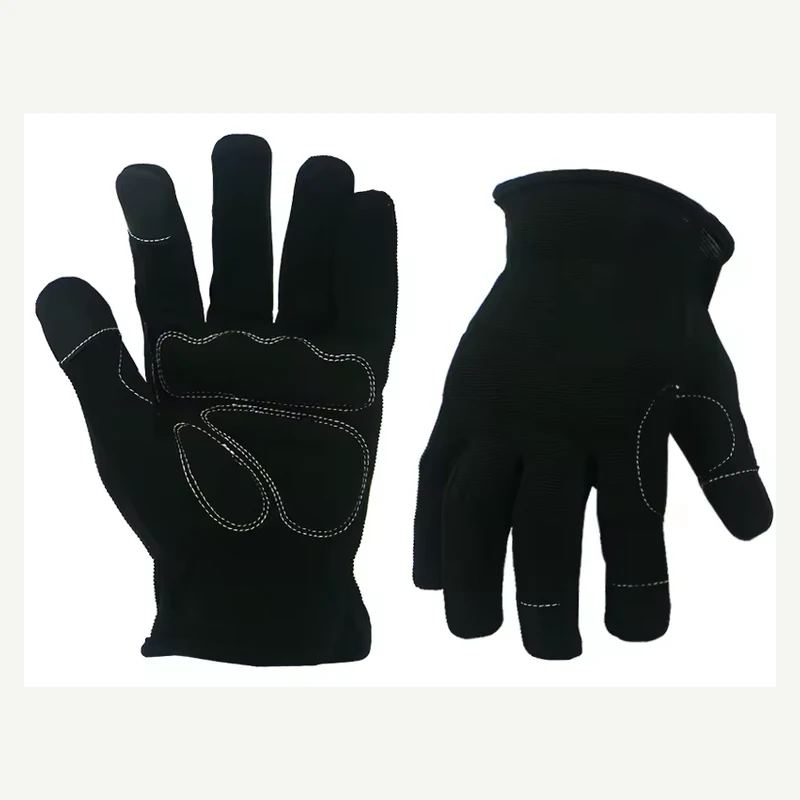
Custom goatskin gloves for driving, assembly, and general work programs that value a soft, flexible feel. GloveWise supports your fit, color, logo, labels, and packing, with the leather and finish approved by sample.
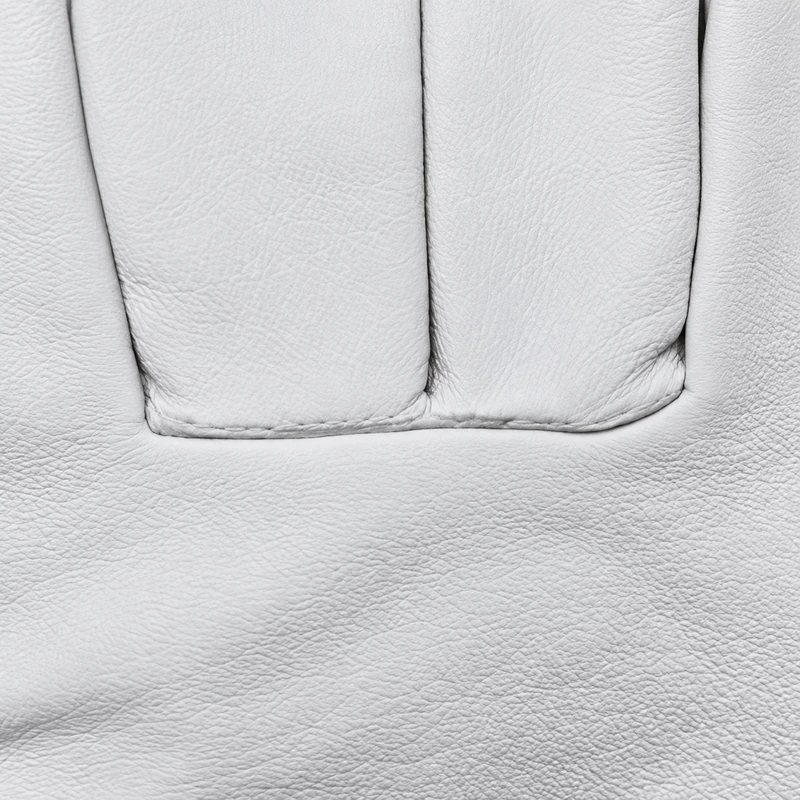
- Material: Goatskin leather; finish and hand feel approved by sample
- Fit Basis: S–XXL or custom measurements
- Applications: Driving, assembly, and general work
- Branding: Method matched to leather surface and artwork
- Packaging: OPP bags, cards, boxes, or carton labels
Final MOQ and timing depend on leather availability, size range, branding, packaging, testing, quantity, and sample revisions.
Request a Quote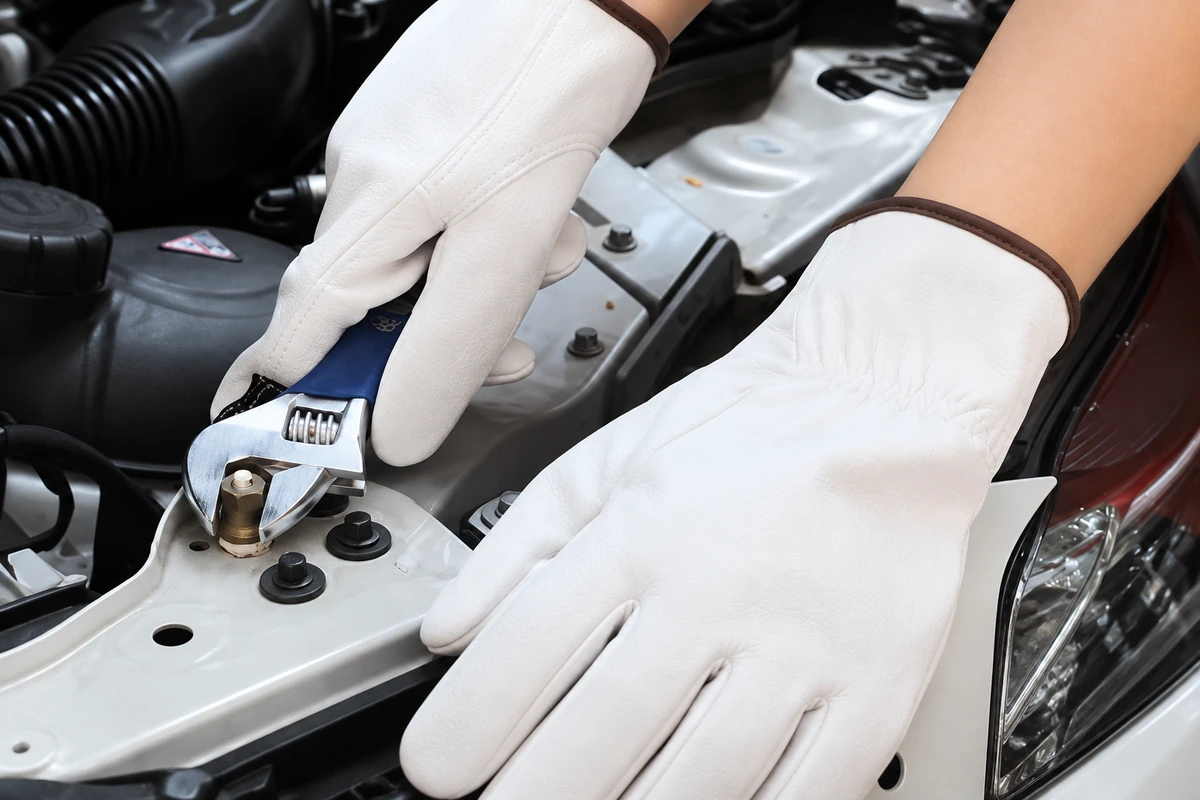
Choose goatskin around feel and movement
Assembly and handling: Review finger length, palm fit and seams against the parts being handled; verify any protection target separately. Driving accessories: Prioritize close fit, steering contact, finish and a branding method suited to the leather. Repeat private-label orders: Use one approved reference for leather shade, hand feel, size grading, pairing and packaging.
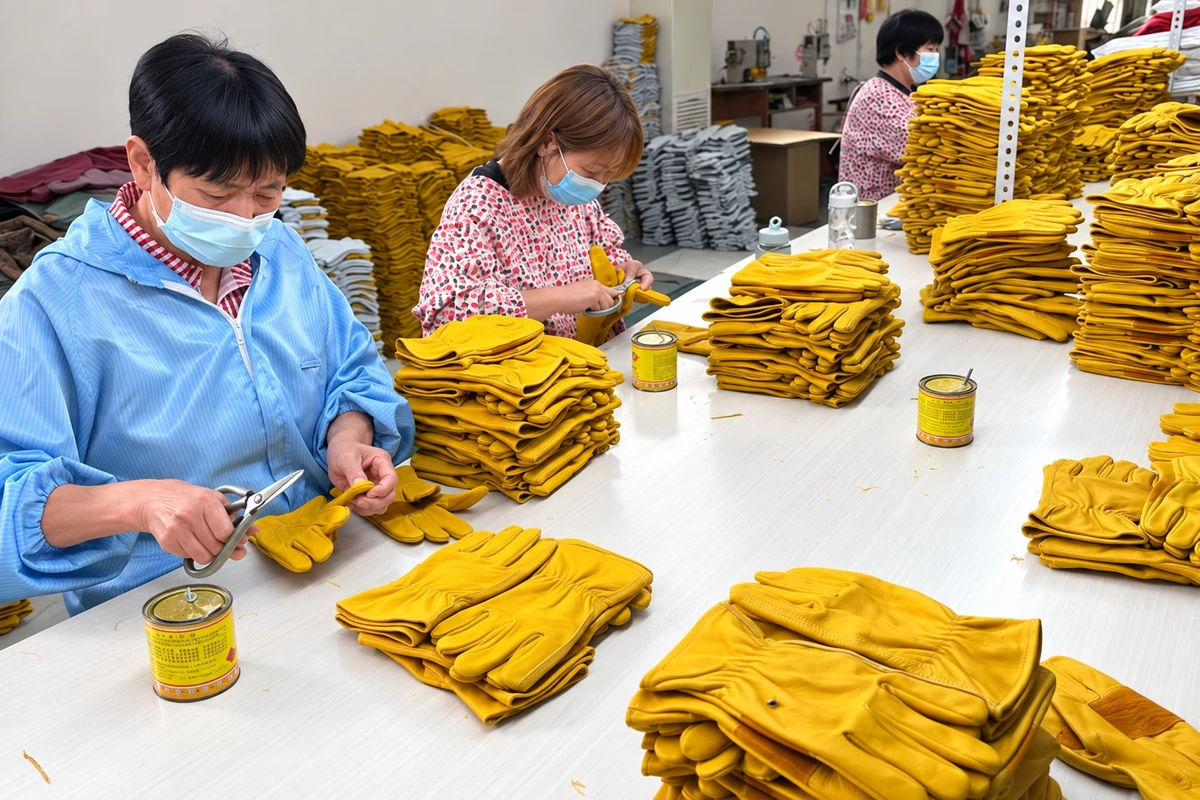
Cutting, Sewing and Decoration for Goatskin Gloves
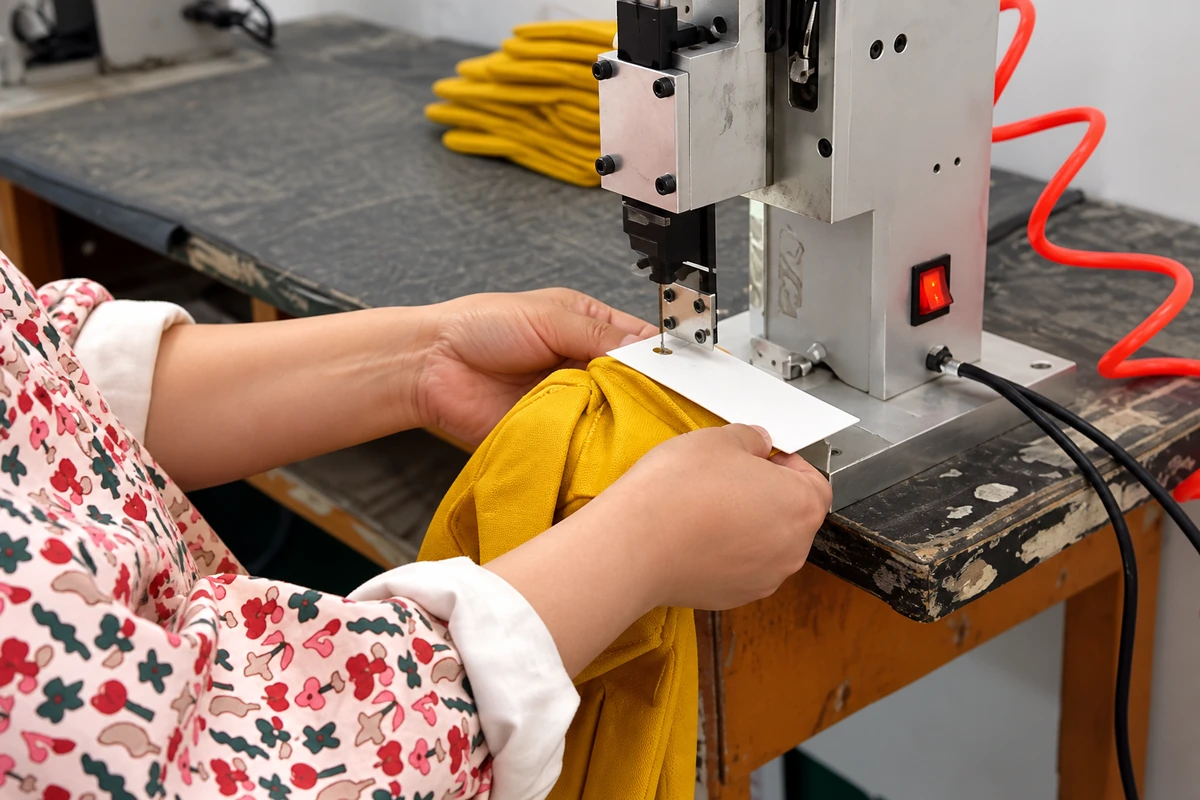
Leather handling, sewing and decoration support the finished goatskin glove and its branding.
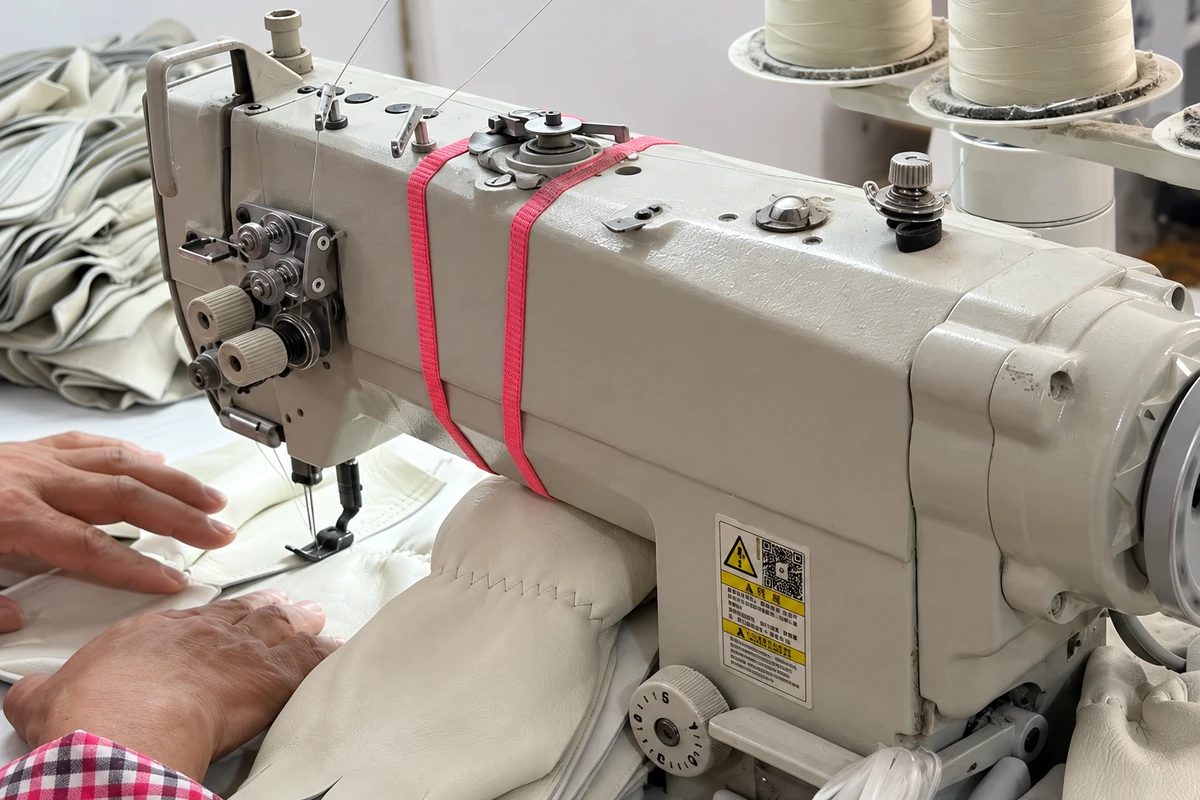
Panel Shapes Carried Into Stitching
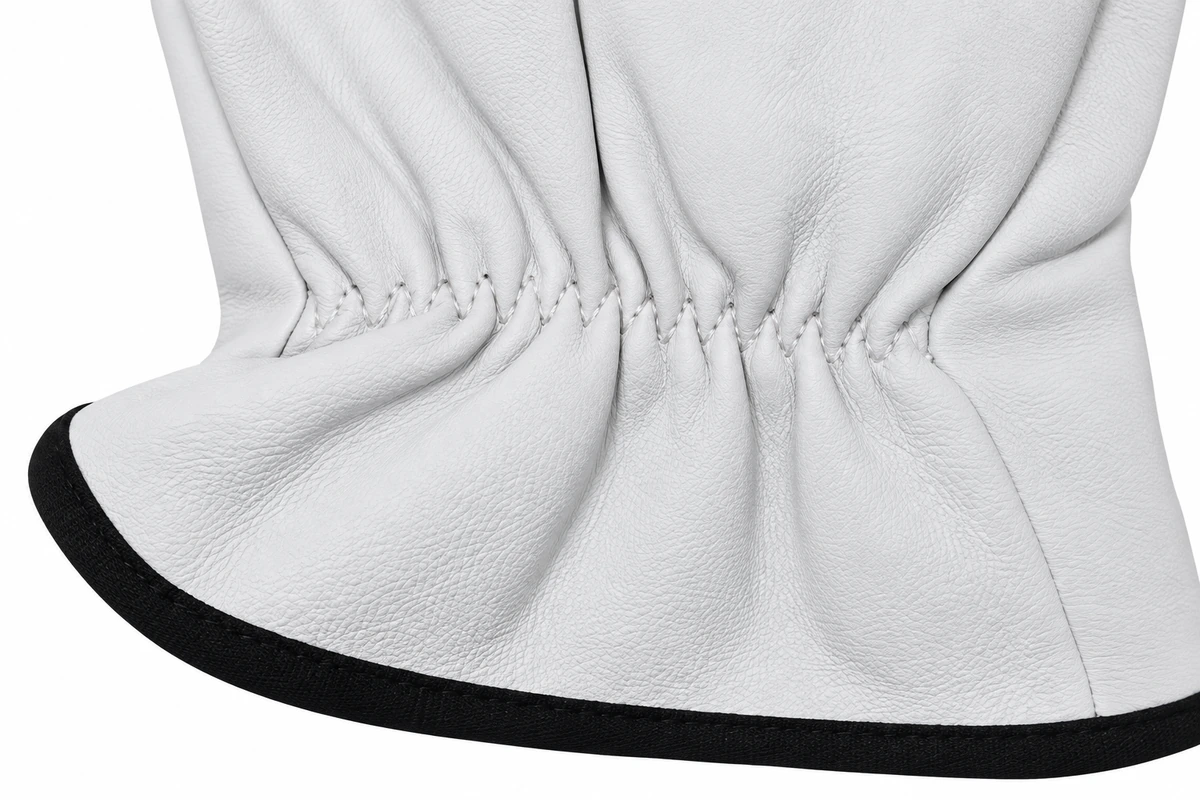
Leather cutting and sewing are coordinated, with stitch spacing and thread tension checked during production.
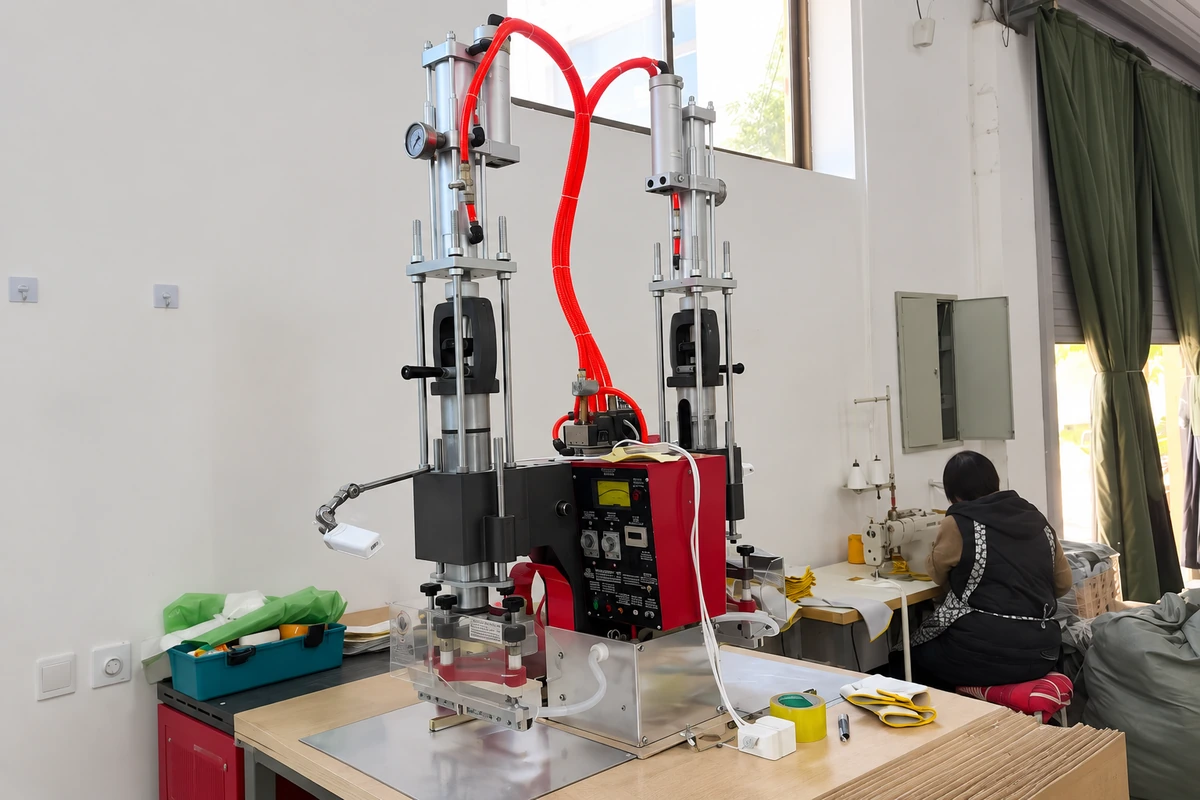
Stamped or Embroidered Branding
Hot stamping can place the brand within a suitable leather surface; embroidery creates a more visible stitched detail on a compatible area. Both can be developed around the intended appearance.
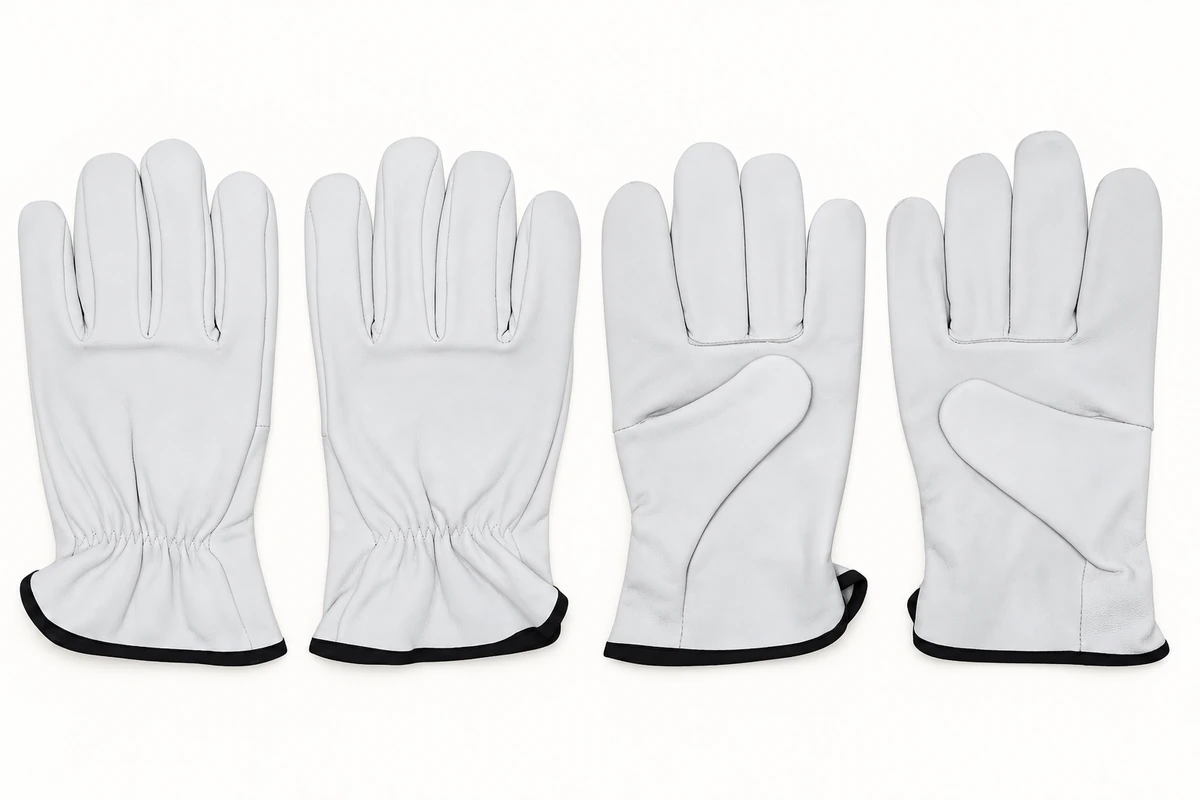
Pair Matching
During finishing, both gloves are checked together for appearance and symmetry to form a coordinated pair.

Define the Task Before Selecting the Glove Build
Describe the work, movements, contact surfaces, exposure, wear time and mandatory standards so the goatskin sample can be assessed for the intended task.
- Intended Task
For assembly, driving, handling, or general work, describe the hand movements, tools, objects, and control required during use. - Hazard Profile
For safety distributors and workplace programs, identify abrasion, cut, puncture, heat, chemical, wet, oily, or other exposure separately; goatskin alone does not confirm protection. - Dexterity Requirement
For fine assembly and driving-accessory projects, state the finger movement, grip precision, and preferred hand feel to evaluate in the sample. - Wear Conditions
For intermittent or extended use, record contact duration, environment, grip condition, and any required standard before approval.
Build the Size Range Around Fit and Finger Control
Fit affects grip, comfort and dexterity. Provide a measurement chart or reference sample, then check palm fit, finger reach, overall length and wrist opening on the graded sample.
- Palm Circumference
Core fit control for work, assembly, and driving programs. Measure around the dominant hand below the knuckles, excluding the thumb. - Finger Length
Projects that depend on fingertip control. Confirm the measurement method and target reach before grading sizes. - Overall Length
Buyers managing hand and wrist coverage. Measure from the cuff edge to the middle-finger tip using one agreed method. - Wrist Opening
Pull-on fit and entry requirements. Specify the opening dimension and how the glove should sit at the wrist. - S–XXL Size Run
Brands and distributors serving multiple wearers. Confirm the required sizes, order ratio, and approved measurement chart. - Special Sizing
Projects outside the standard graded range. Feasibility, pattern work, cost, MOQ, and timing are confirmed by project.
Coordinate Leather, Stitch, and Brand Colors
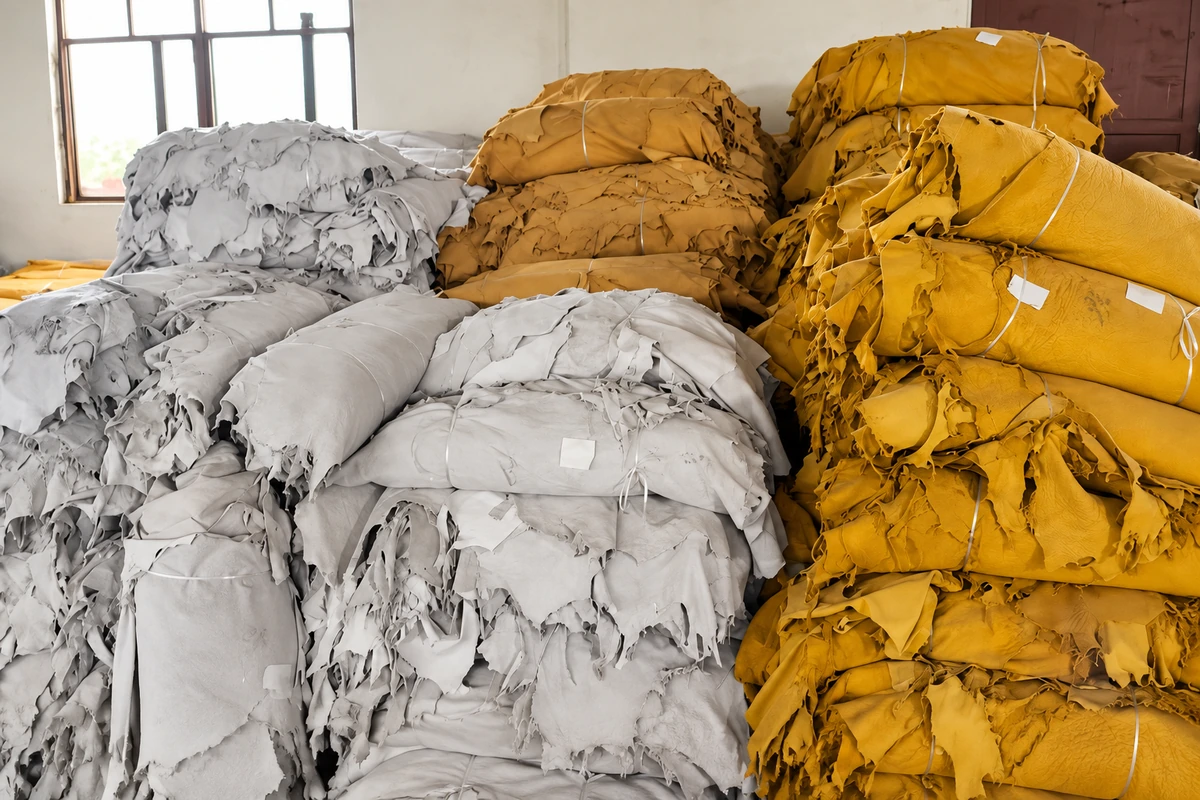
Approve leather, stitching, logo and the overall color scheme together on the sample. Surface character and branding processes can affect the finished appearance.
- Leather Color
Core product appearance for industrial or retail ranges. Confirm the selected color on the actual leather and approved sample. - Stitch Color
Brands using tonal or contrasting construction details. Review thread color beside the leather because contrast changes the visible finish. - Logo Color
Private-label projects requiring controlled brand presentation. Match the color to the selected branding method and leather surface. - Overall Color Scheme
Multi-color ranges or channel-specific collections. Approve all visible colors together before bulk materials are released.
Choose a Branding Method That Suits the Leather
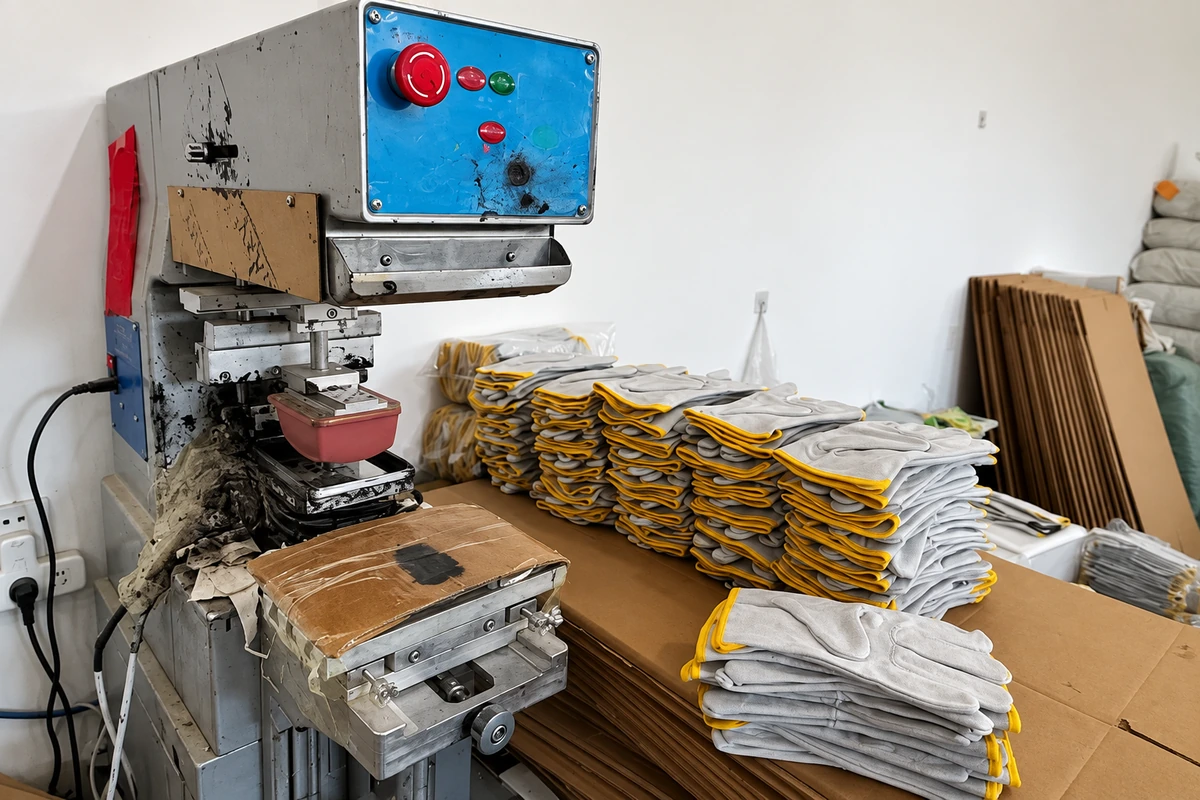
Select branding after the leather surface, artwork, placement, and intended use are known. GloveWise can review screen printing, heat transfer, hot stamping or heat press, and embroidery, with the final method approved on a representative sample.
- Screen Printing
Clear, repeatable marks on suitable panels. Ink, coverage, color, placement, and adhesion must be reviewed on the chosen surface. - Heat Transfer
Detailed or multi-color artwork where the material permits. Confirm transfer compatibility, size, placement, and sample appearance. - Hot Stamping or Heat Press
Leather projects seeking a compact impressed brand detail. Temperature, pressure, foil or finish, and leather response require sampling. - Embroidery
Woven labels or glove areas that can accept stitching. Artwork detail, thread, backing, position, and effect on comfort need approval.
Match Packaging to the Sales and Delivery Channel
Choose packaging for protection, presentation, labels, carton efficiency and destination requirements. Confirm the unit pack, printed components, size identification, carton marks and packing ratio before production for consistent finished-pair checks.
- Single-Pair OPP Bag
Standard protection for wholesale or replenishment orders. Confirm bag size, warnings, labels, and whether additional inserts are needed. - Paper Card
Retail or promotional programs needing printed product information. Provide approved artwork, dimensions, language, and attachment method. - Hang Card
Display-ready ranges using peg or hook merchandising. Confirm card structure, hanging position, barcode, and packed glove size. - Multi-Pair Inner Box
Distributors grouping pairs by size or model. Specify pair count, size ratio, box marking, and internal arrangement. - Outer-Carton Label
Importers and warehouses controlling receiving and allocation. Confirm SKU, size, quantity, destination, shipping marks, and label placement. - Custom Gift Box
Premium retail, corporate, or presentation programs. Structure, material, artwork, insert, MOQ, cost, and transit protection require project review.
Related Custom Products
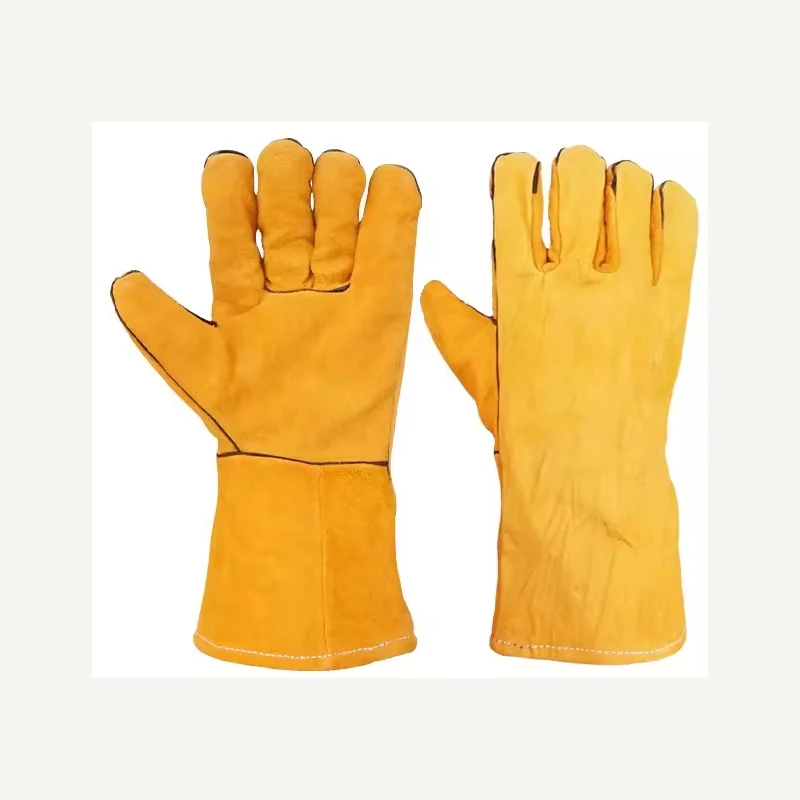
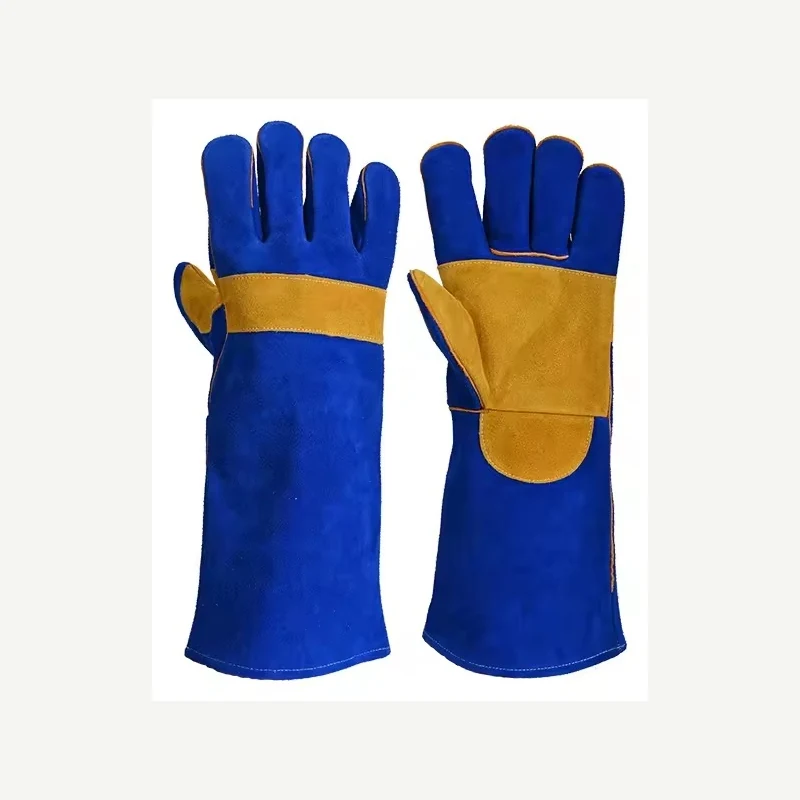
Compare related products for the same project or application.
Use the Approved Sample as the Production Reference
Natural leather can vary in surface, shade and hand feel. After specification and sample approval, production control should check incoming leather, cutting, stitching, logo placement, dimensions, symmetry, pair matching, appearance, packaging and quantity against the documented reference before shipment.
Request a Goatskin Glove Quote
Share your task and quantity. Add a reference if available.
Request a Quote