
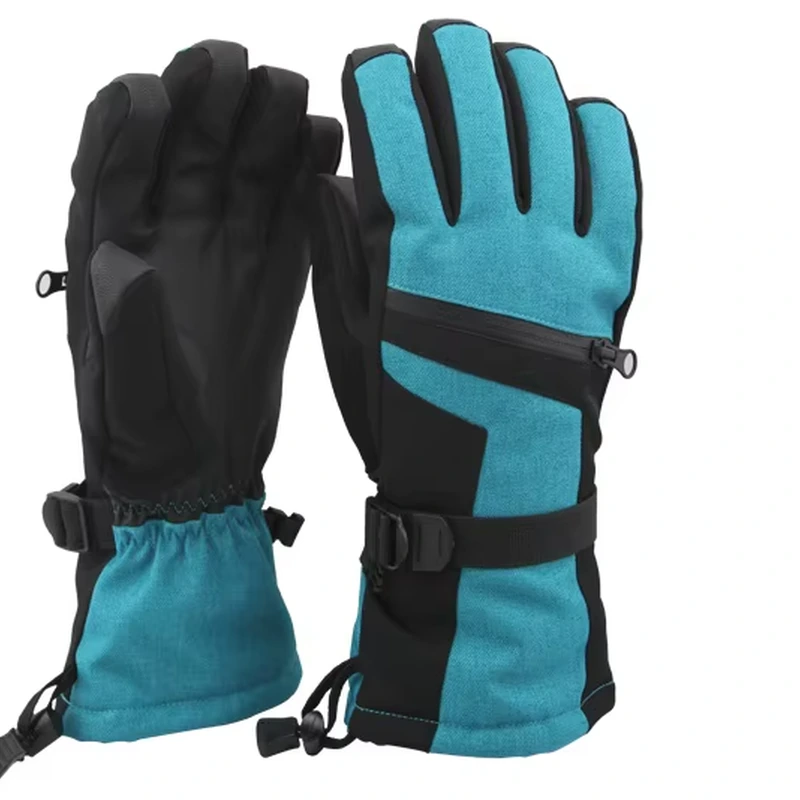
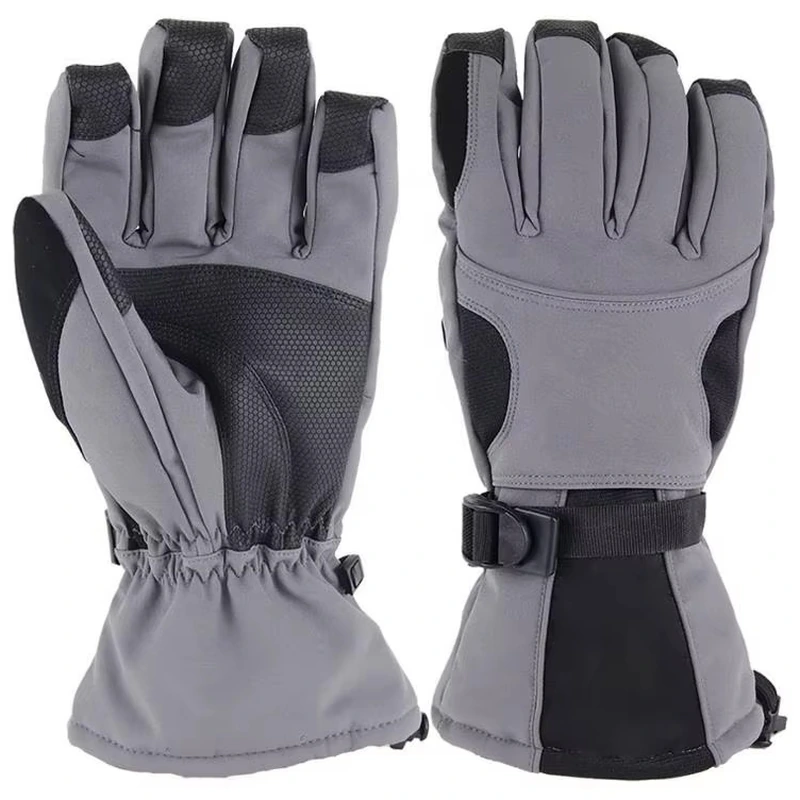
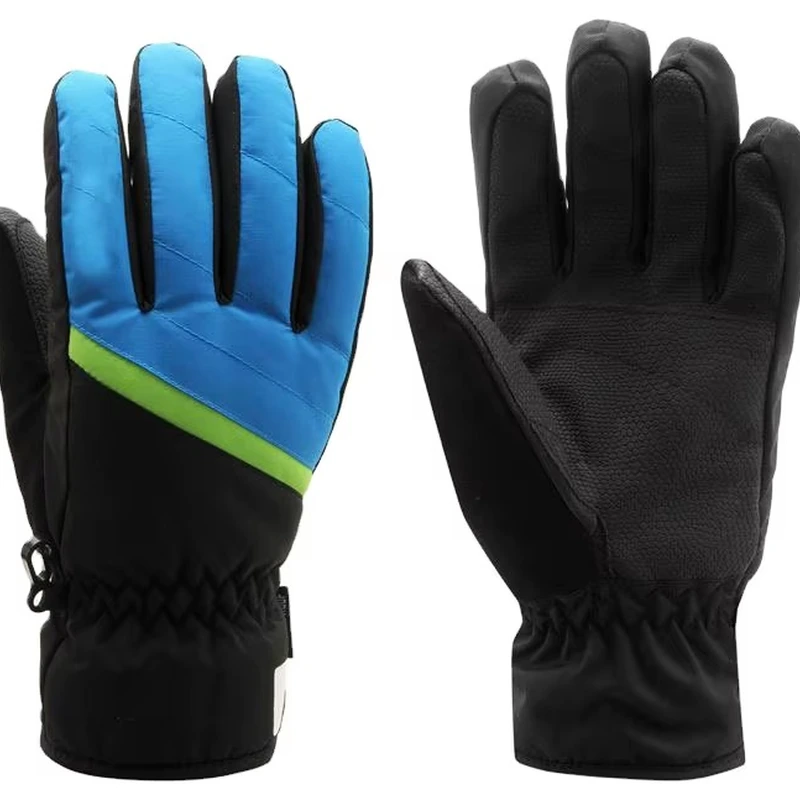
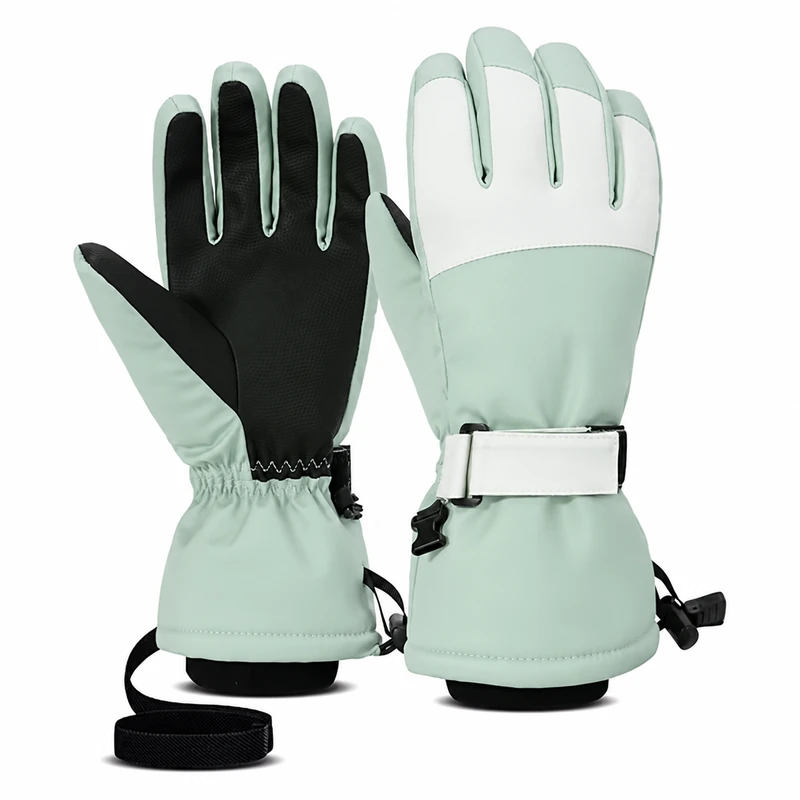
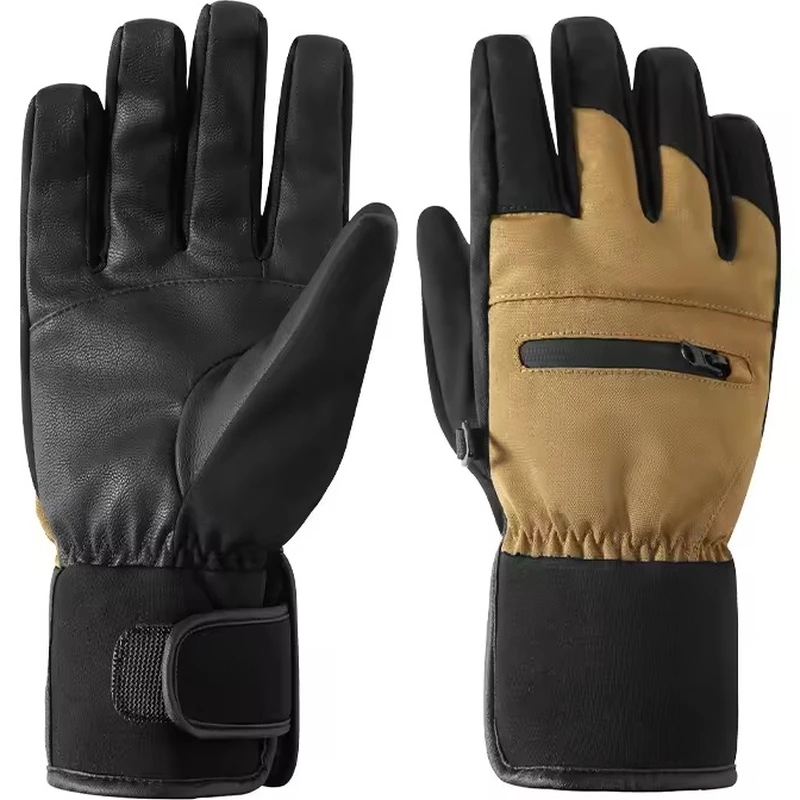
Custom Waterproof Outdoor Gloves
Custom rain-focused outdoor gloves with reviewed shells, membranes, linings, and cuffs. Balance wet grip and finger movement, then approve the complete glove against an agreed water-exposure test.
- Material: Nylon or leather shell, waterproof membrane, and optional thermal lining
- Size: S–XXL plus special sizes confirmed by measurement and sample
- Color: Fabric, stitching, logo, and overall color by approved reference
- Logo: Printing, heat transfer, embossing, embroidery, silicone, or sublimation by surface
- Packaging: OPP bag, cards, inner box, carton label, or gift box by project
Final conditions depend on the construction, materials, size mix, test plan, quantity, packaging, and production schedule.
Request a Quote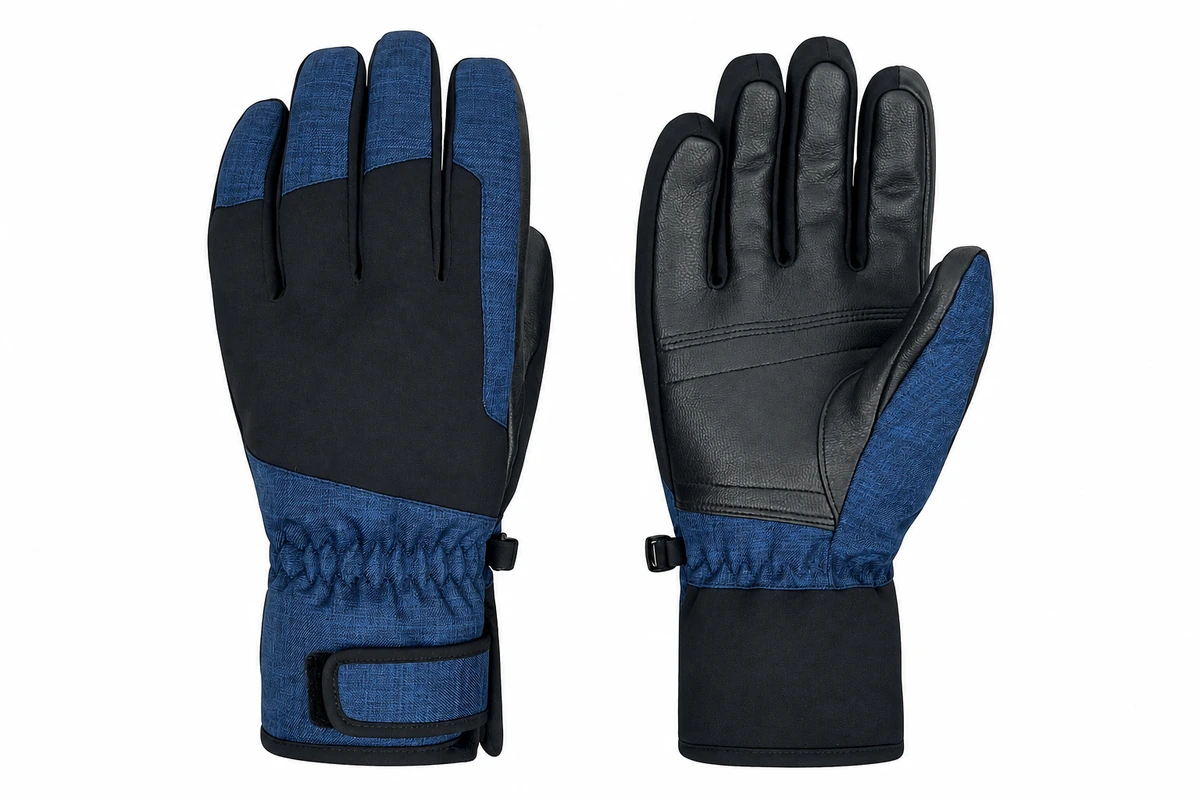
Choose rain protection around the task
Shell and barrier: Match the shell and membrane to the exposure, flexibility and expected wear. Lining and movement: Choose a comfort or thermal lining without crowding the fingers or shifting inside the shell. Cuff and seams: Check jacket overlap, openings and flex areas on the finished sample, not only the fabric.
Outer-Glove Construction and Weather Treatments
GloveWise supports outer-glove cutting, sewing and branding, coordinating specialist weather treatments with the product’s production route.
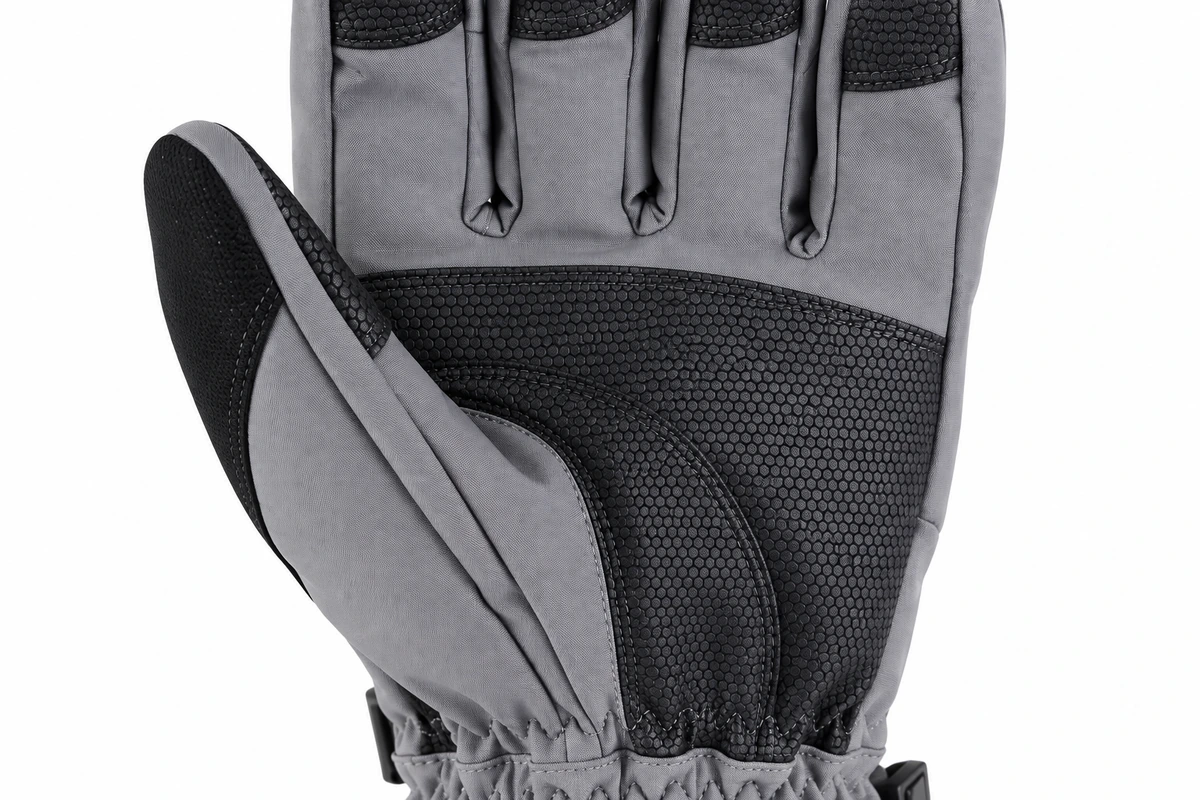
Shell and Lining Assembly
Leather and textile cutting and sewing are managed together to assemble the outer shape and inner glove components.
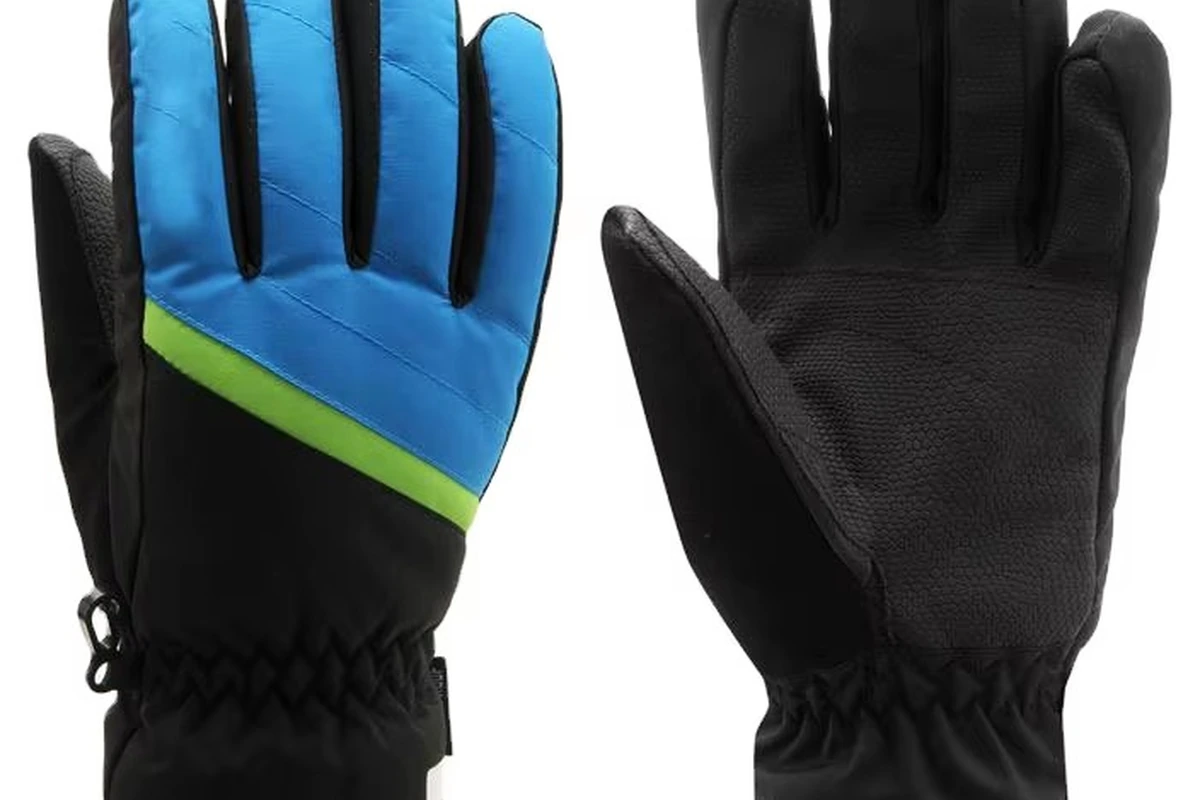
Decoration Before Sewing
Where applicable, decoration precedes sewing. The logo is planned with the outer components as part of the assembly sequence.
Outside Weather Treatments
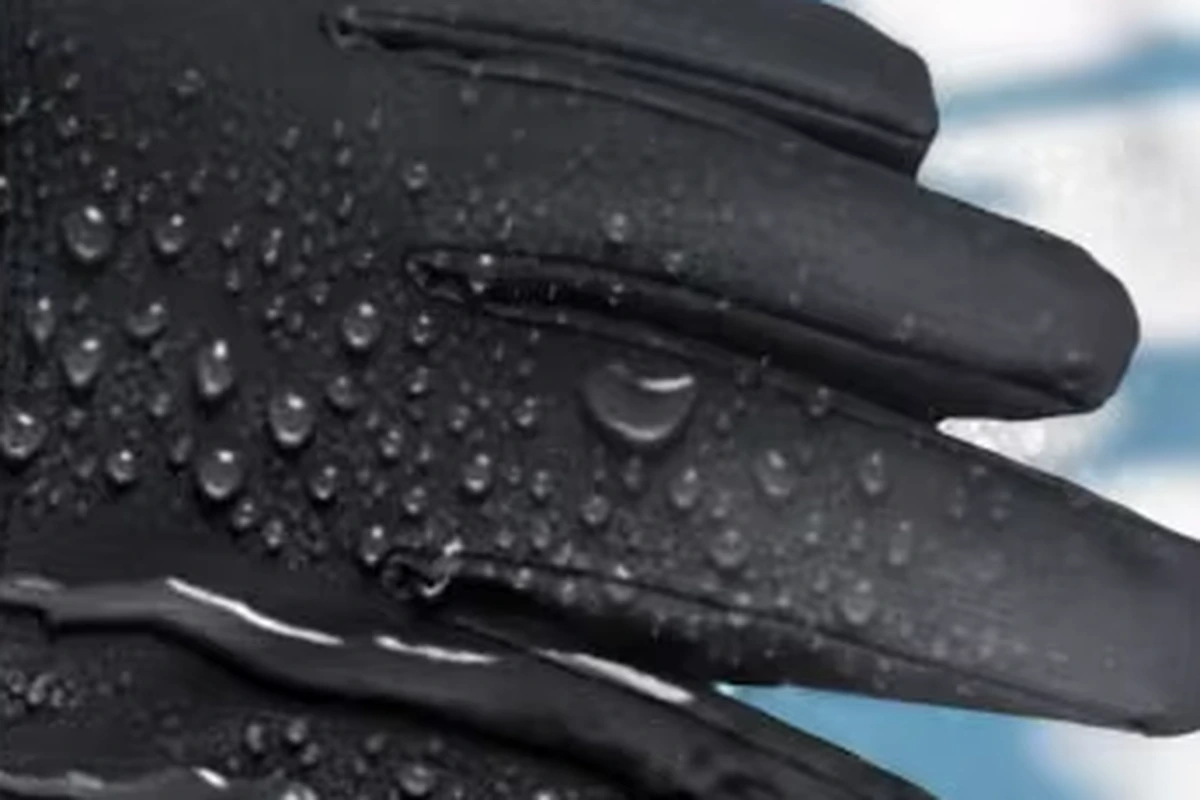
When weather treatments require outside processing, GloveWise manages suppliers through qualification, material documents and quality checks.
Build the Whole-Glove Weather System
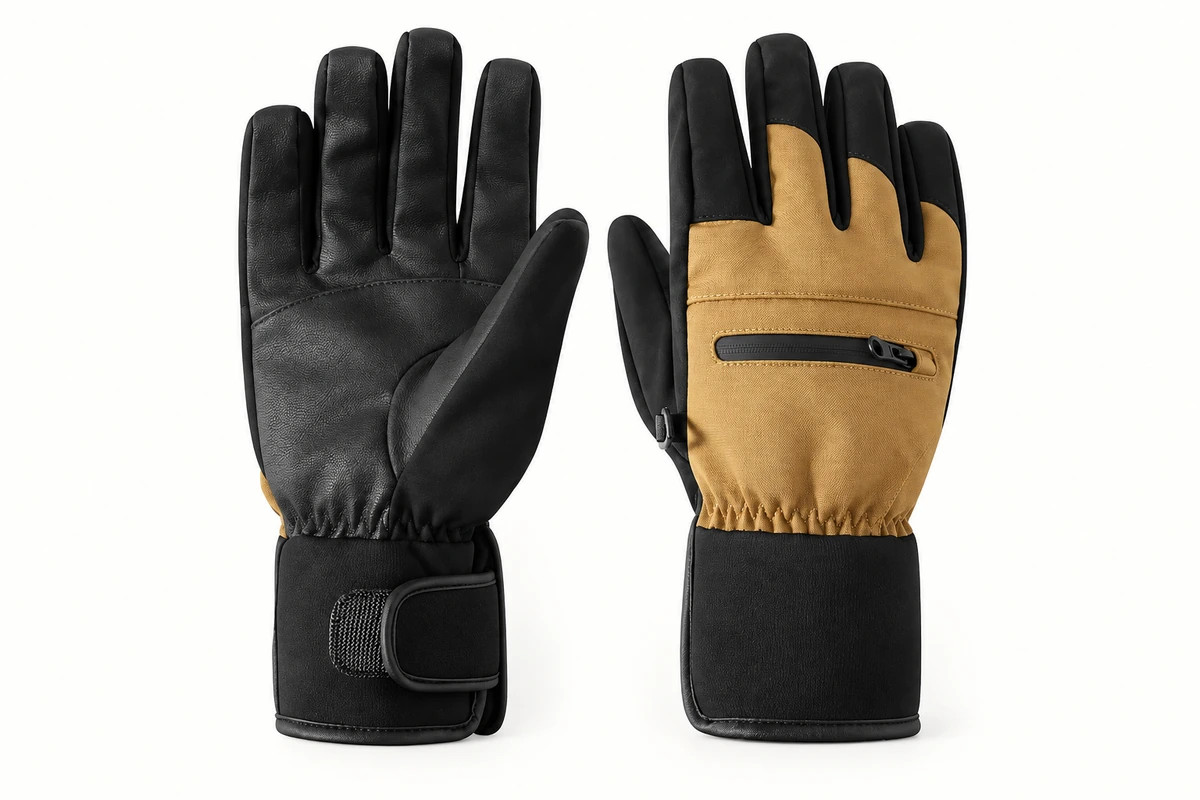
Select shell, barrier, lining, seams, flex areas and cuff for the intended water exposure. Evaluate their combined performance on the assembled sample under agreed conditions.
- Outer Shell
Choose nylon, leather, or a project-specific combination for the glove's first-contact surface, based on flex, wear, appearance, exposure, and grip needs. - Waterproof Membrane
For rain-focused constructions, confirm membrane placement, flex, moisture handling, assembly, and the finished-sample test. A membrane alone does not prove whole-glove performance. - Thermal or Comfort Lining
For cool or cold programs requiring an internal layer, confirm thickness, hand feel, liner stability, drying expectations, dexterity, and size allowance. - Seams and Flex Areas
Review stitch routes, finger joints, palm flex, assembly consistency, and test observations at likely water-entry and movement zones. Do not assume an unconfirmed seam-sealing method. - Cuff Interface
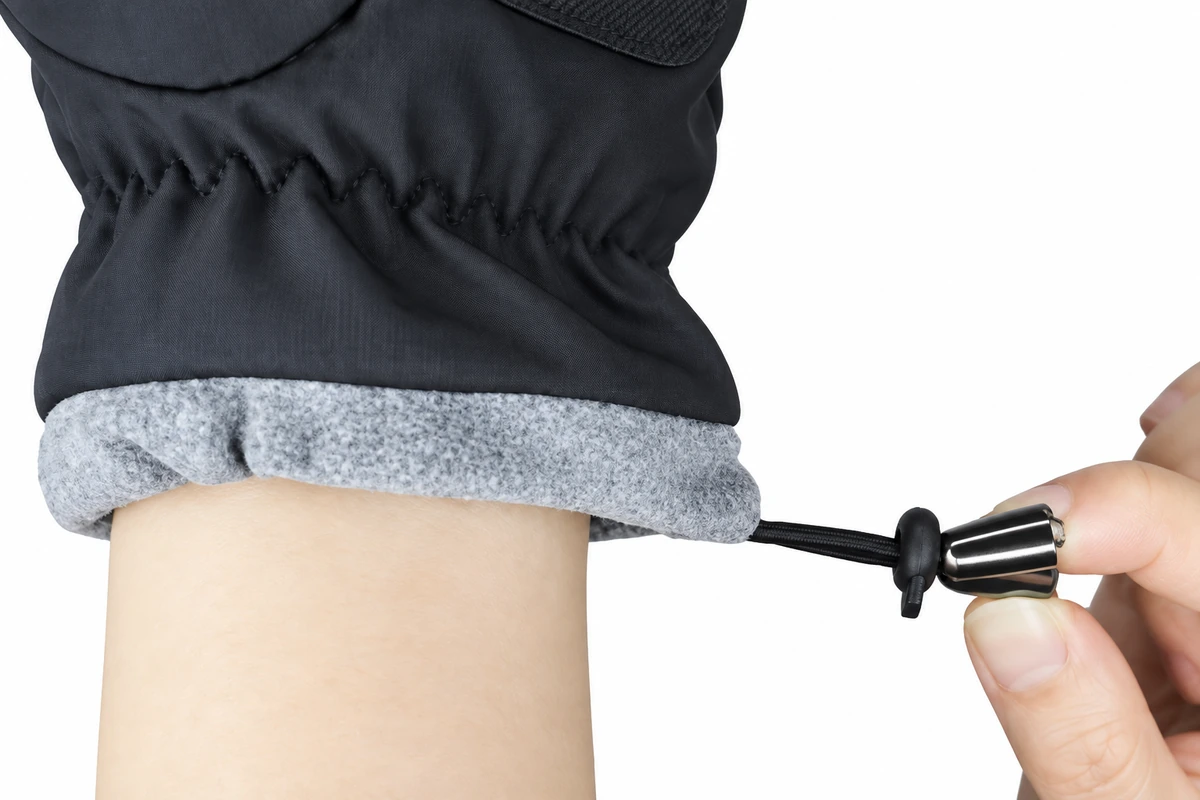
For use with a jacket or rain layer, confirm cuff length, opening, tightening, overlap direction, entry, removal, and wrist exposure.
Set the Fit Across Layers
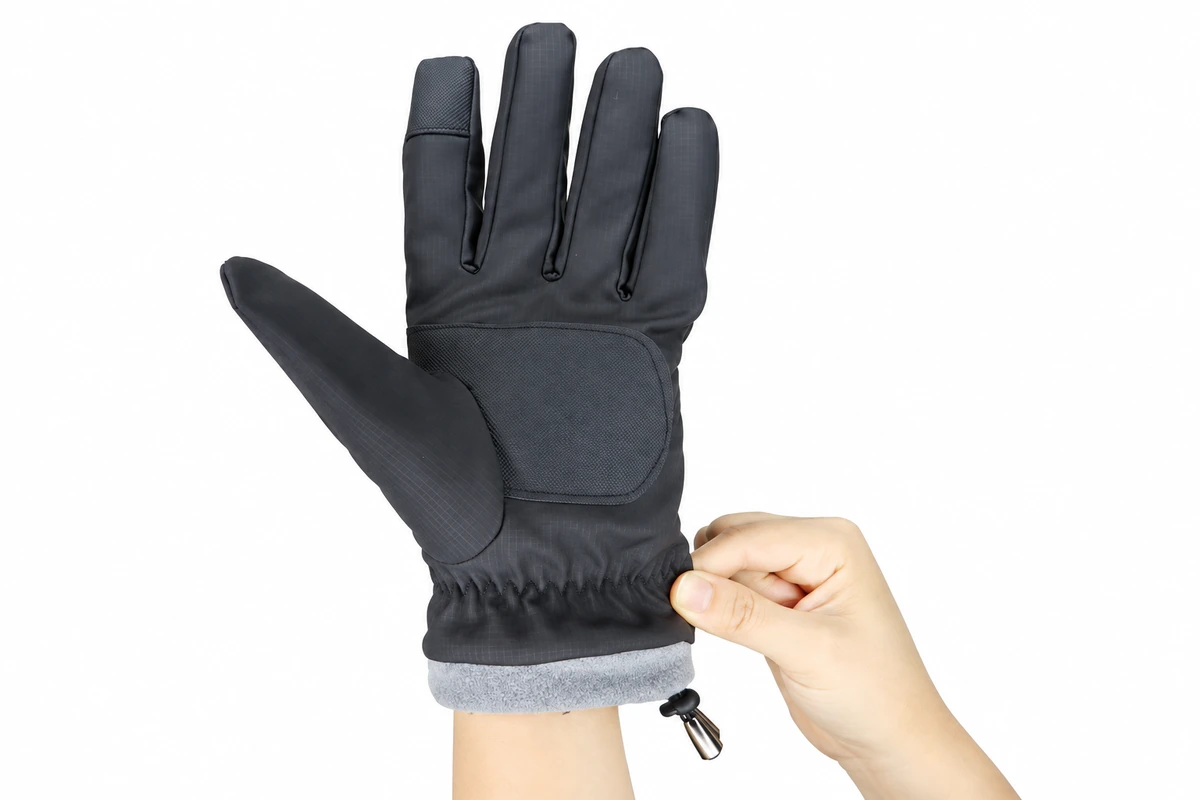
Membranes and linings add bulk and can affect finger movement, seam feel and cuff entry. Confirm measurements on representative samples across the full size range before finalizing production specifications.
- Palm Circumference
Use an agreed measuring method and palm measurement for each size; check fit on the sample. - Finger Length
Specify finger proportions by size and check fingertip space, reach and movement. - Overall Length
Confirm overall length together with cuff construction, jacket overlap, warmth, entry, and removal. - Wrist Opening
Confirm entry, comfort and retention with the selected cuff or closure. - S–XXL Size Range
For standard adult private-label programs, approve grading, measurement chart, fit sample, size ratio, labels, and tolerances before bulk production. - Special Sizes
For users outside the standard range, provide measurements and quantities early; pattern work, sampling, MOQ, price, and timing may change.
Control the Water-Entry Points
Water can enter through openings, assembly routes, flex zones, or the cuff during use. Map these paths on the sample, record exposure points, and agree on a practical test and acceptance limits before production.
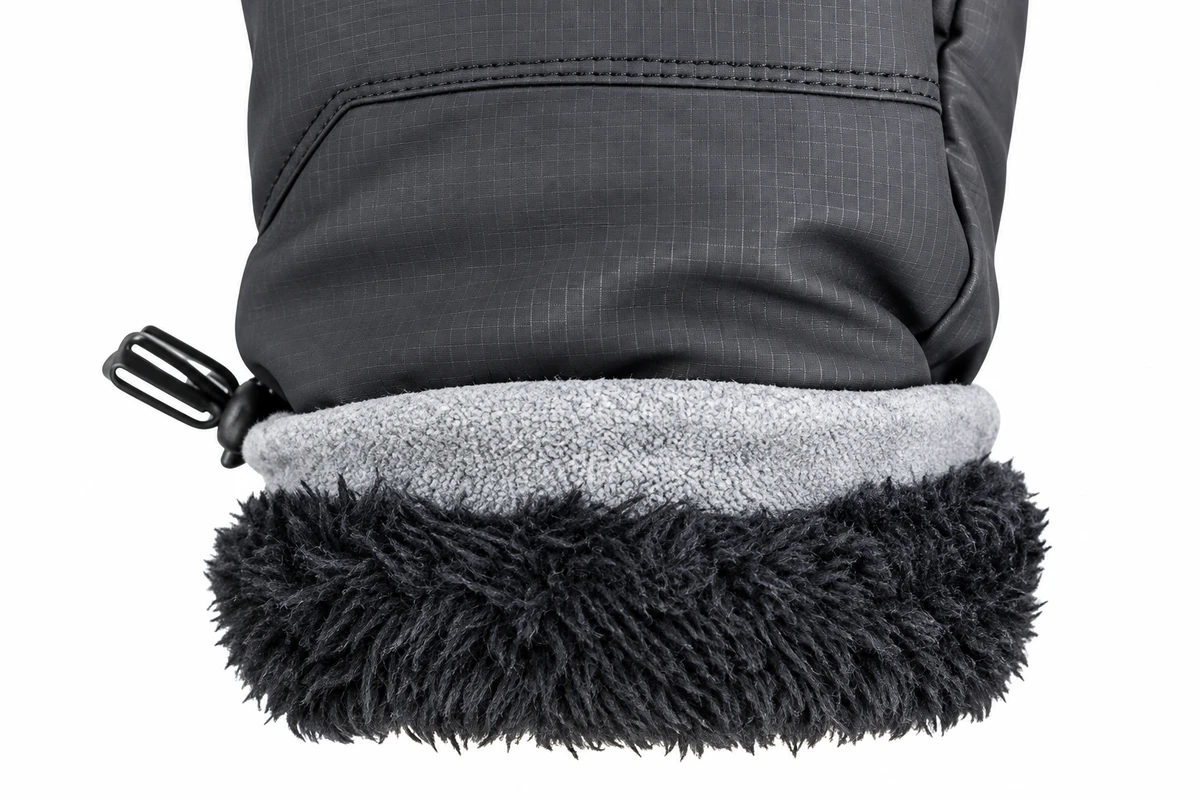
Select Materials and Layers
Choose the material and layer combination for exposure, activity, grip, warmth, appearance, flexibility and cost. Approve the complete glove construction.
- Nylon Shell
For fabric-led outdoor gloves, confirm weight, hand feel, flexibility, color, wear zones, membrane compatibility, and intended exposure on the sample. - Leather Surface or Reinforcement
For leather feel, appearance, or contact-zone reinforcement, confirm type, placement, color variation, care, grip, flex, and layer compatibility. - Waterproof Membrane
For a water-resistant barrier, confirm the material, placement, assembly, flex, comfort, and project test. Do not infer whole-glove performance from fabric data. - Thermal Lining
For added warmth in colder weather, confirm thickness, activity level, moisture expectations, hand feel, dexterity, fit allowance, and cuff integration.
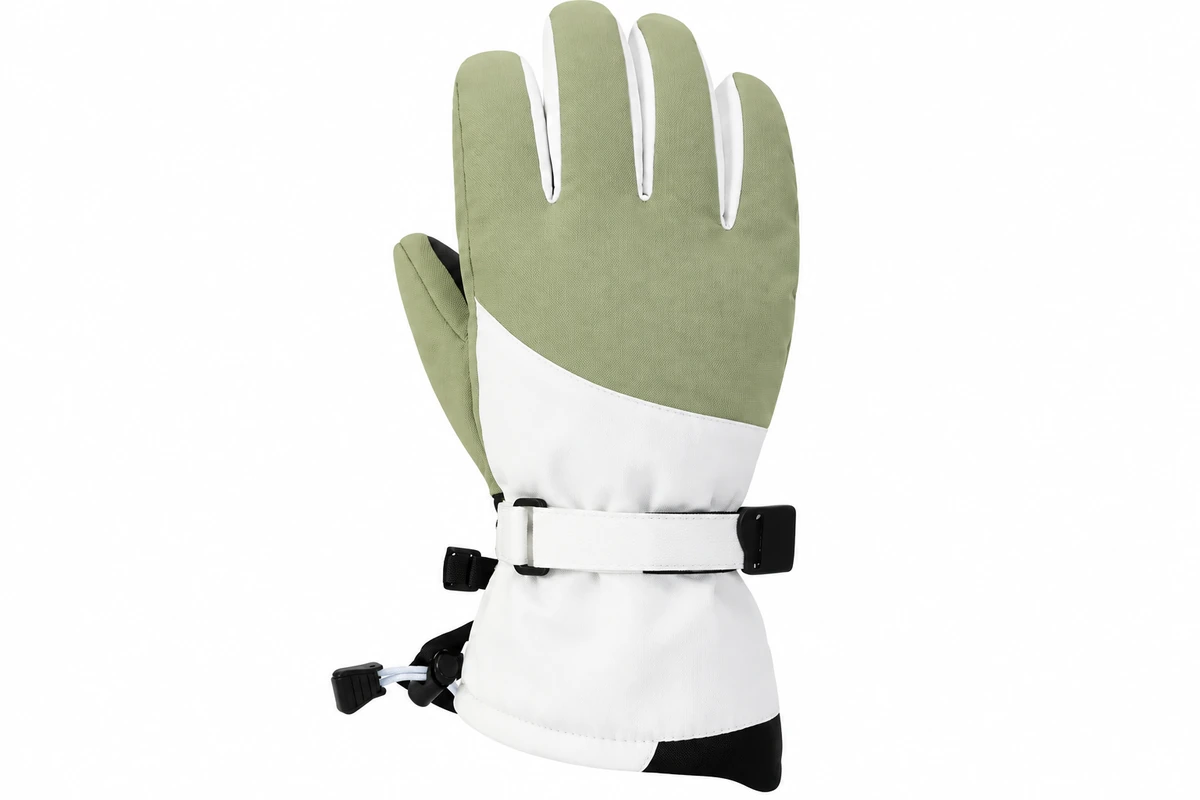
Match the Logo Method to the Waterproof Glove Surface
Logo suitability depends on the shell, reinforcement, artwork, placement, color count, flex, and intended appearance. Approve the method on the actual material before bulk production.
- Screen Printing
For clear artwork on compatible flat fabric, confirm ink, color count, surface, size, placement, flex, and the approved sample. - Heat Transfer
For detailed or multicolor artwork on compatible surfaces, confirm transfer material, temperature suitability, edge quality, placement, flex, and sample appearance. - Hot Press or Embossing
For understated branding on compatible leather or synthetics, confirm material response, depth, artwork detail, placement, color effect, and sample finish. - Embroidery
For stitched logos on suitable textile areas, confirm stitch density, backing, bulk, placement, flex, and interaction with the glove layers. - Silicone Printing
For raised branding or grip-related graphics, confirm compound, height, coverage, placement, hand feel, flex, and adhesion to the approved surface. - Sublimation
For broad graphics on printable fabric panels, confirm compatibility, panel artwork, color reference, seam alignment, and the approved print sample.
Related Custom Products
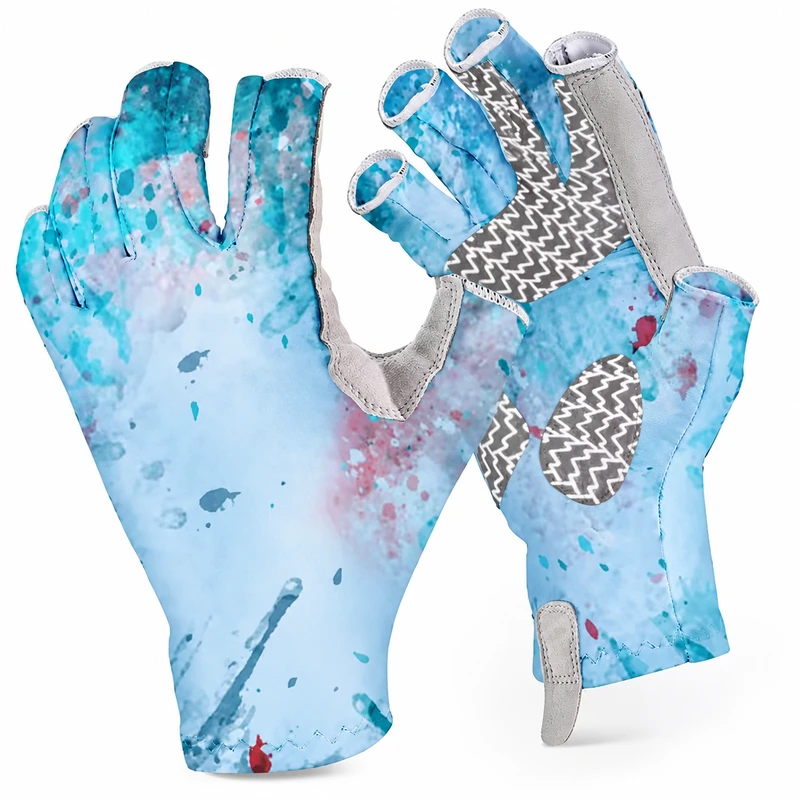
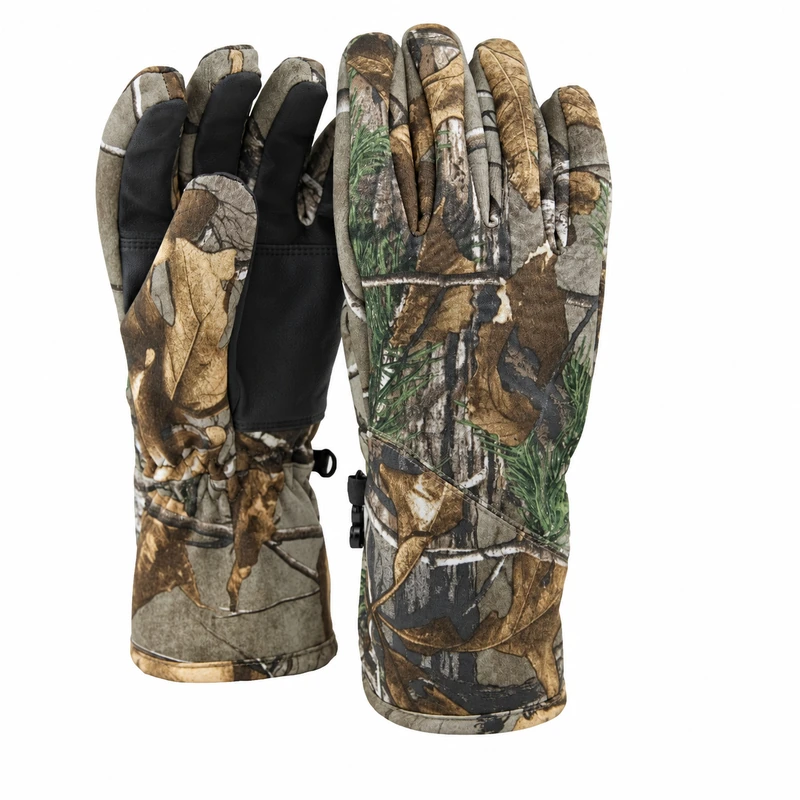
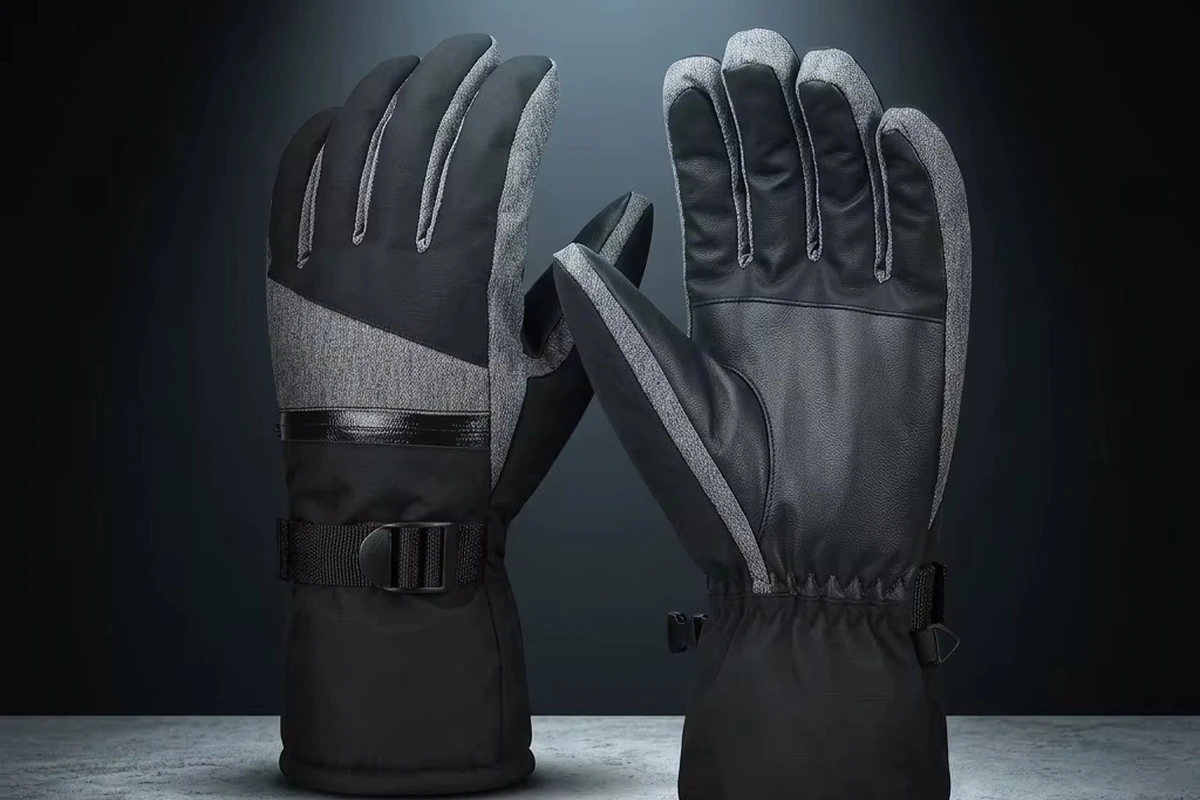
Compare related gloves for rain, wet-weather, and outdoor applications.
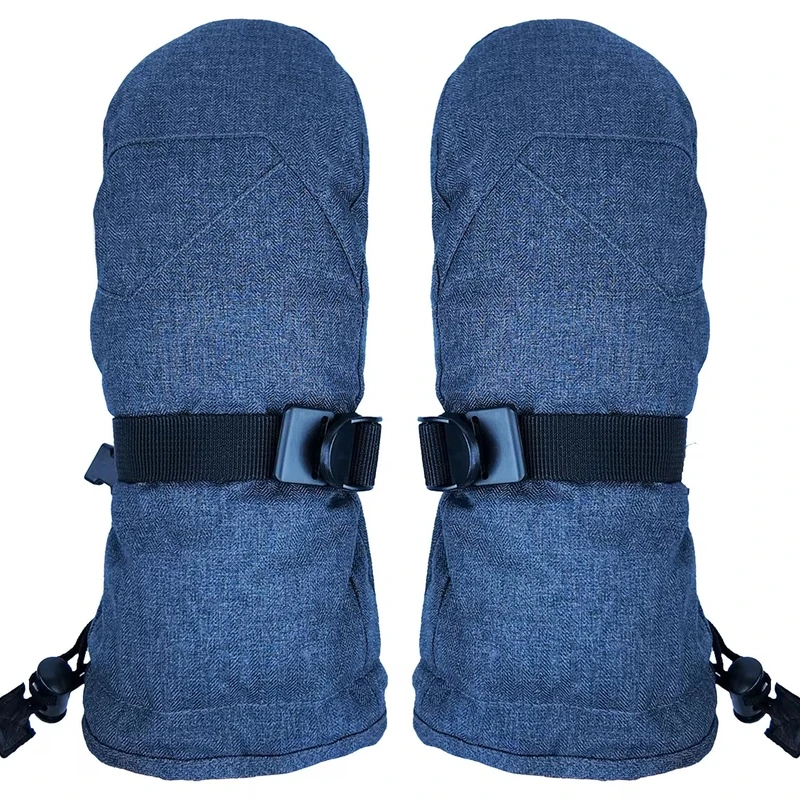
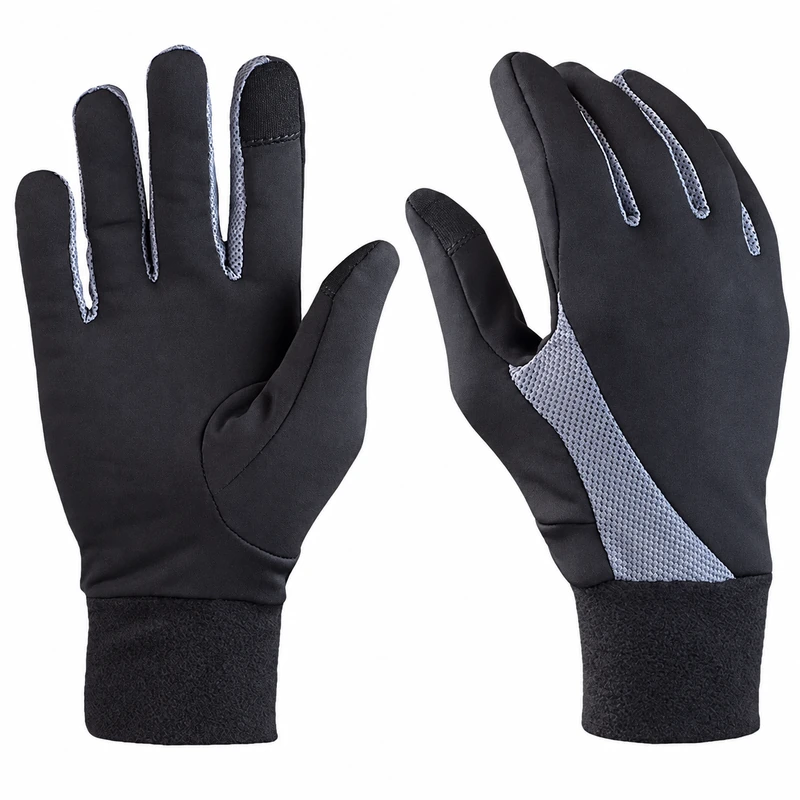
Approve the Sample With a Defined Water-Exposure Test
Test the finished glove with a buyer-agreed method that reflects the intended rain or splash exposure, duration, movement, and cuff position. Record water-entry points, wet grip, flex, liner stability, fit, and relevant sizes. Fabric or membrane data can support material review but does not replace finished-glove approval.
Request a Waterproof Outdoor Glove Quote
Send your water-exposure conditions and test requirements for feasibility review.
Request a Quote