
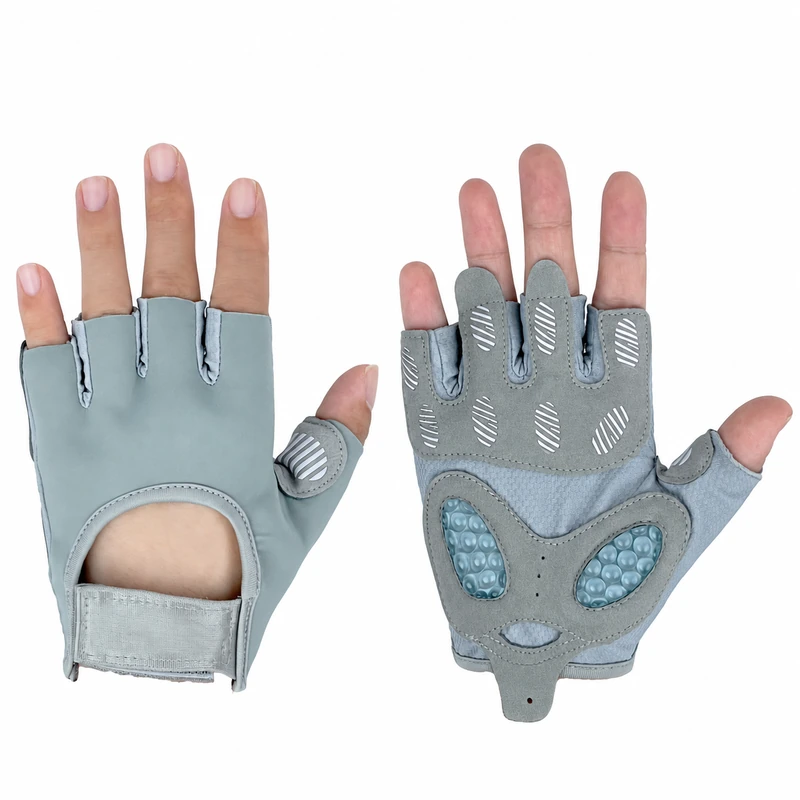
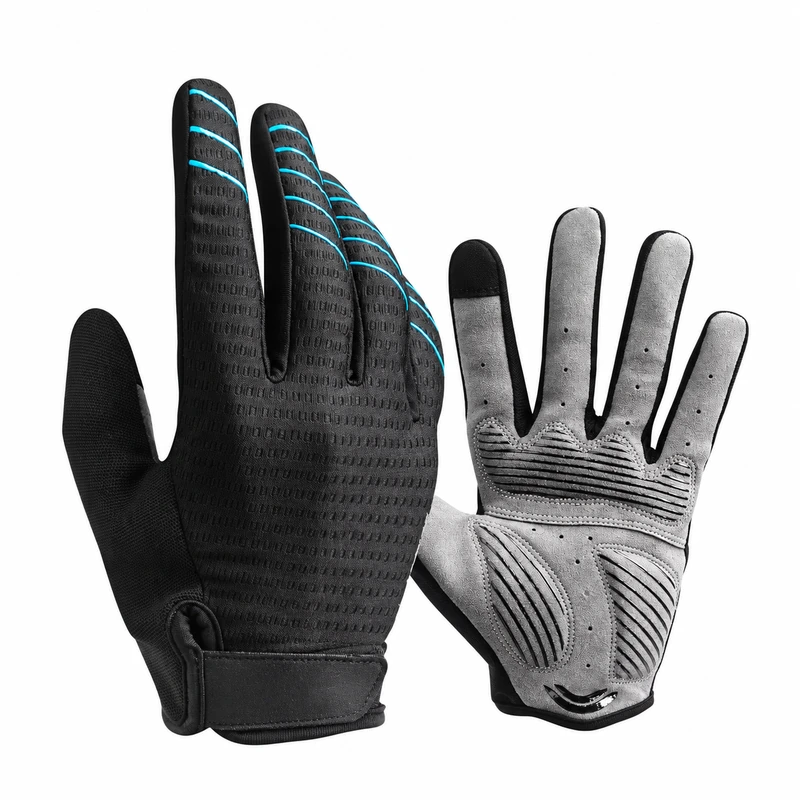
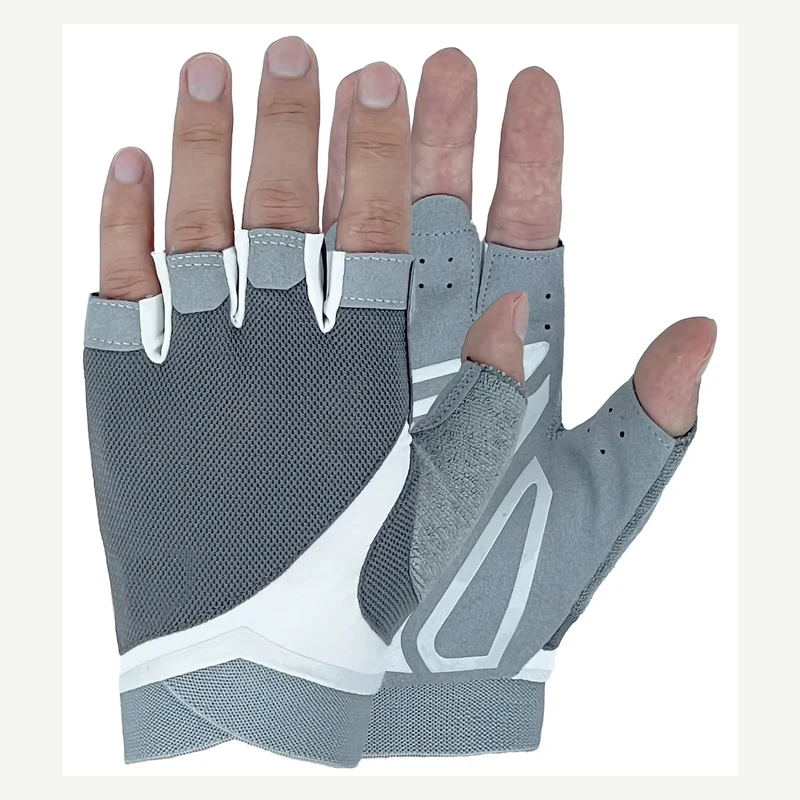
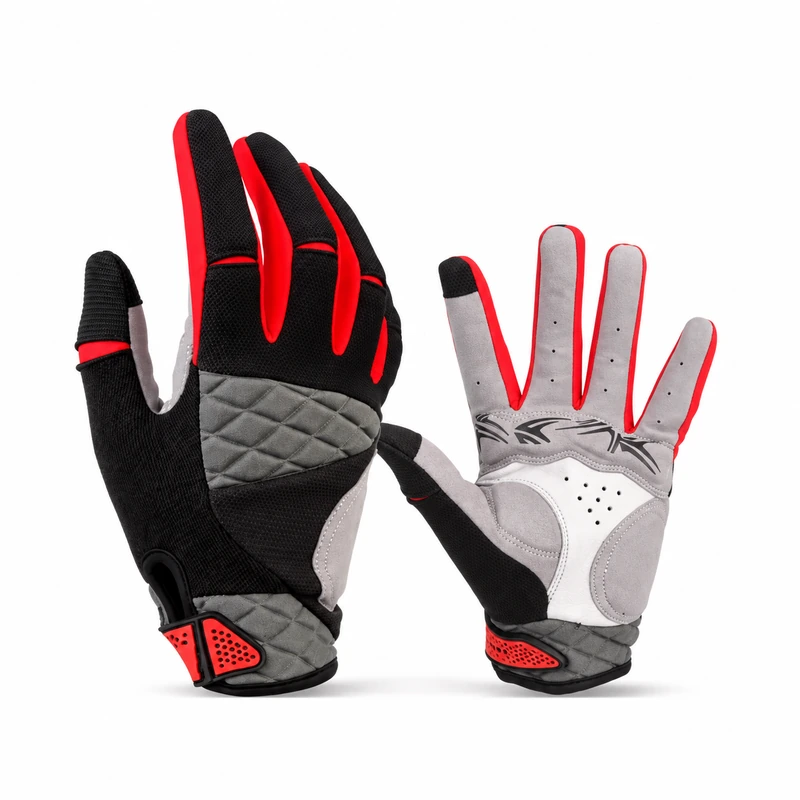
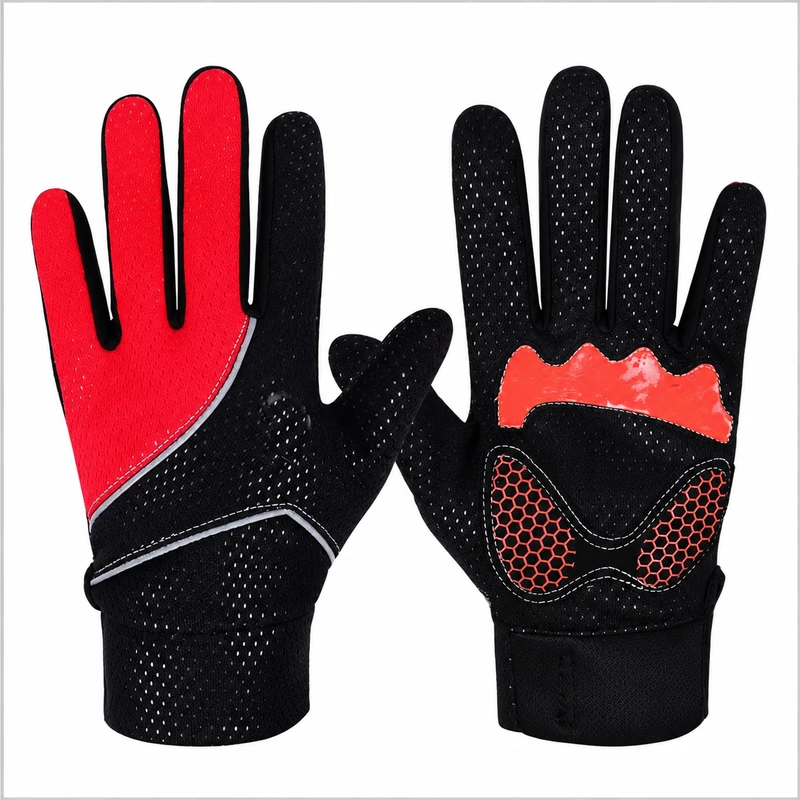
Custom Cycling Gloves
Custom cycling gloves for road, MTB, commuting, and indoor ranges. Choose half- or full-finger coverage, foam padding, silicone grip, ventilation, and your brand finish; approve the sample with the intended handlebar setup.
- Ride Format: Road, MTB, commuting, or indoor cycling
- Finger Coverage: Half-finger or full-finger
- Palm Construction: Foam padding, reinforcement, and silicone grip
- Fit: S–XXL or project-specific measurements
- Brand Finish: Logo, labels, and retail packaging
Confirm final materials, padding placement, silicone pattern, size grading, branding, packaging, MOQ, and timing against the approved specification and sample.
Request a Quote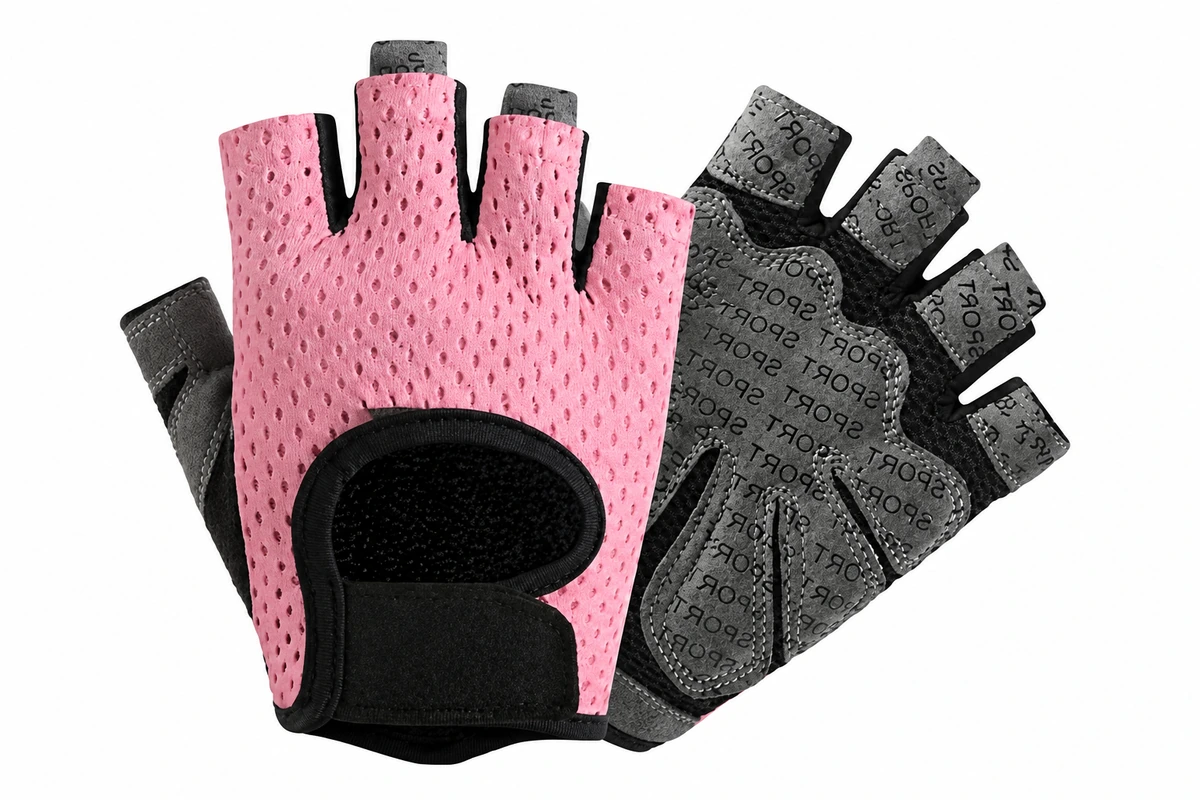
Choose coverage and palm feel for the ride
Half-finger: For road, indoor and warmer-weather programs where direct fingertip access matters. Full-finger: For MTB, commuting or broader coverage; check fingertip reach and brake-lever feel. Palm padding and grip: Position foam, reinforcement and silicone around the actual bar contact, then check pressure and movement on a sample.
Panel Construction, Silicone Printing and Decoration
Sewn panels, silicone printing and textile decoration combine the cycling glove’s functional and visual design.
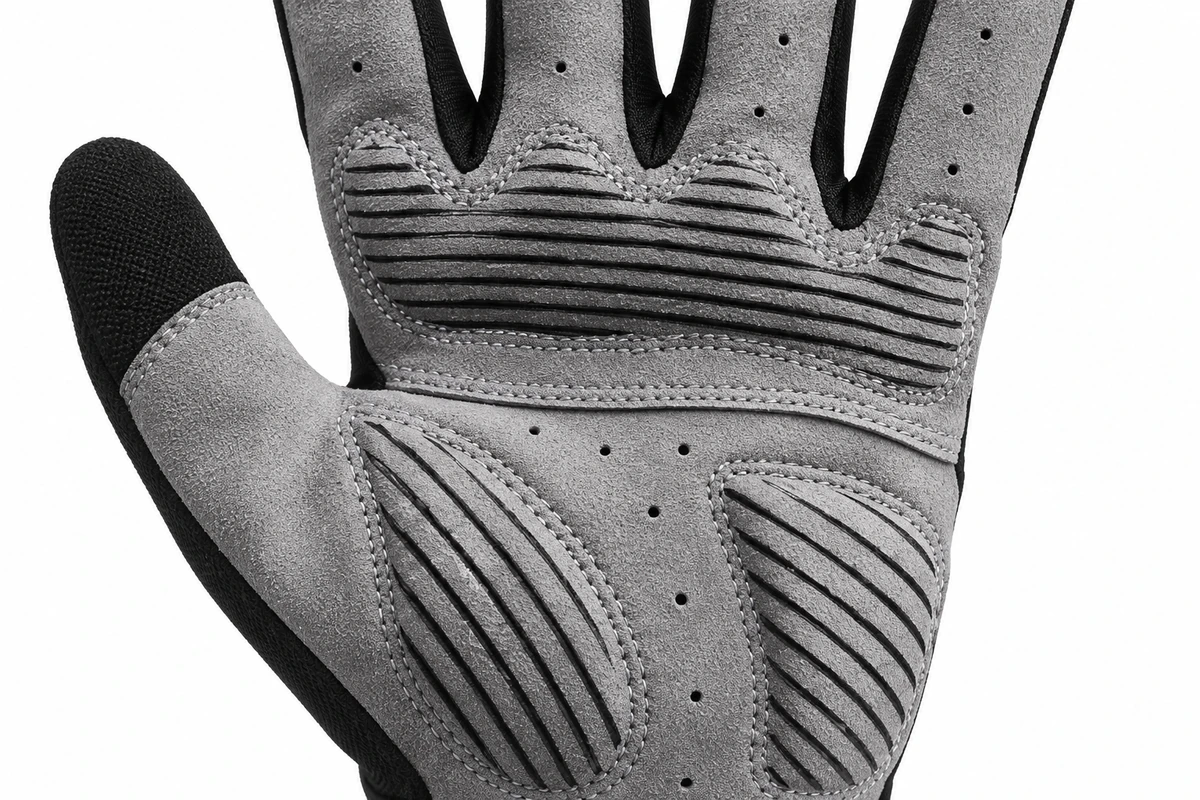
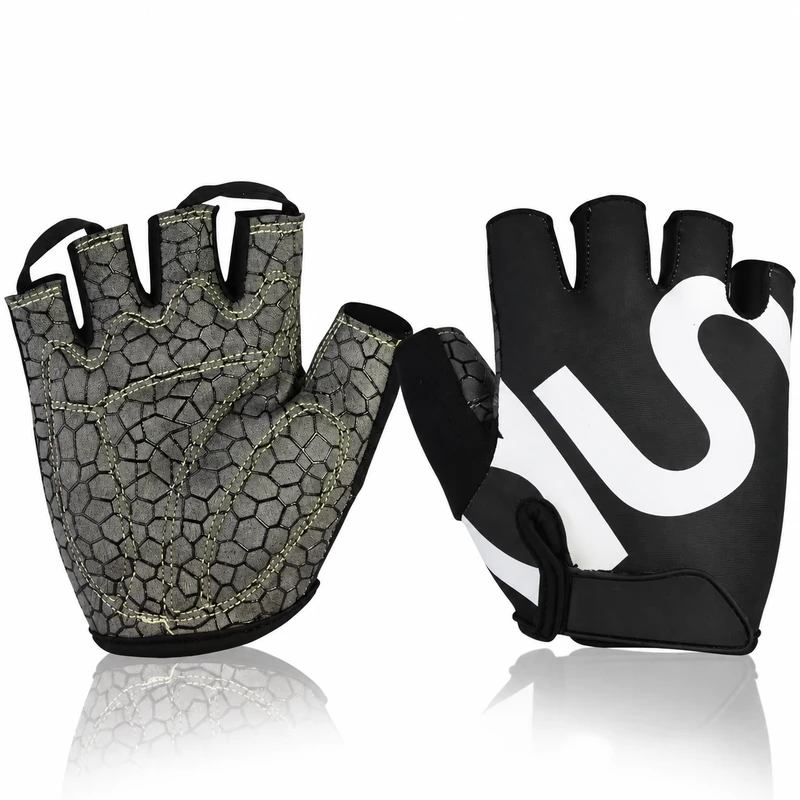
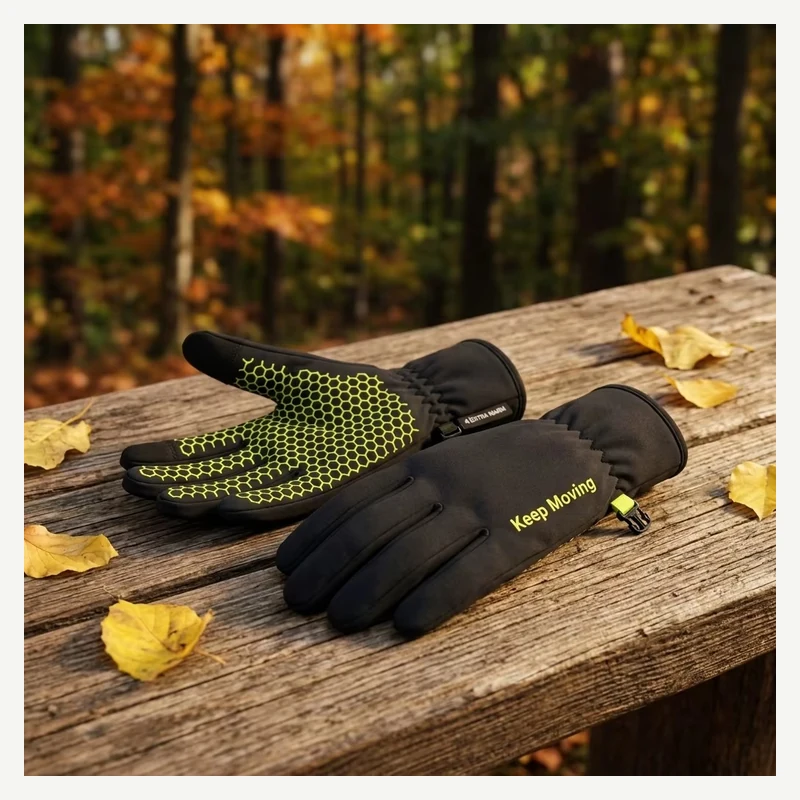
Sewn Palms and Silicone Print
GloveWise can develop sewn palm pieces and raised silicone print together as one finished surface.
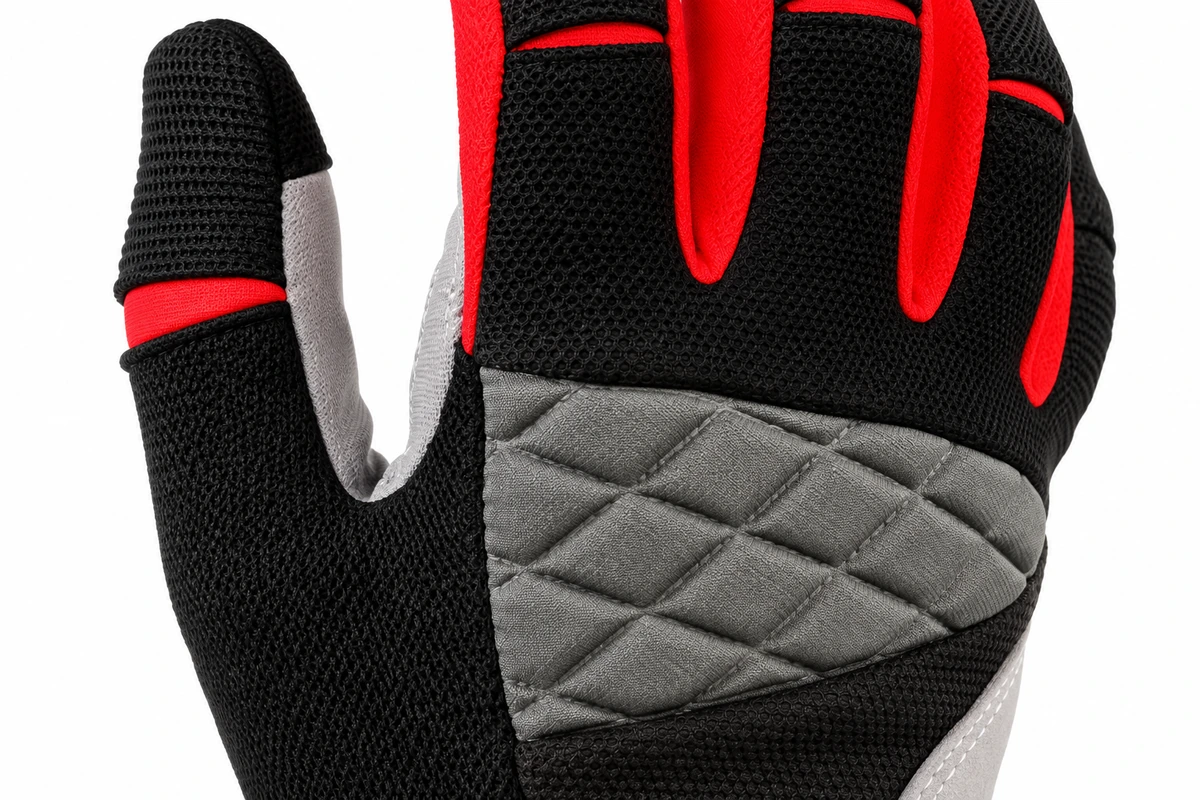
Back Mesh Assembly
The cutting and sewing team joins breathable back panels to the surrounding glove components.
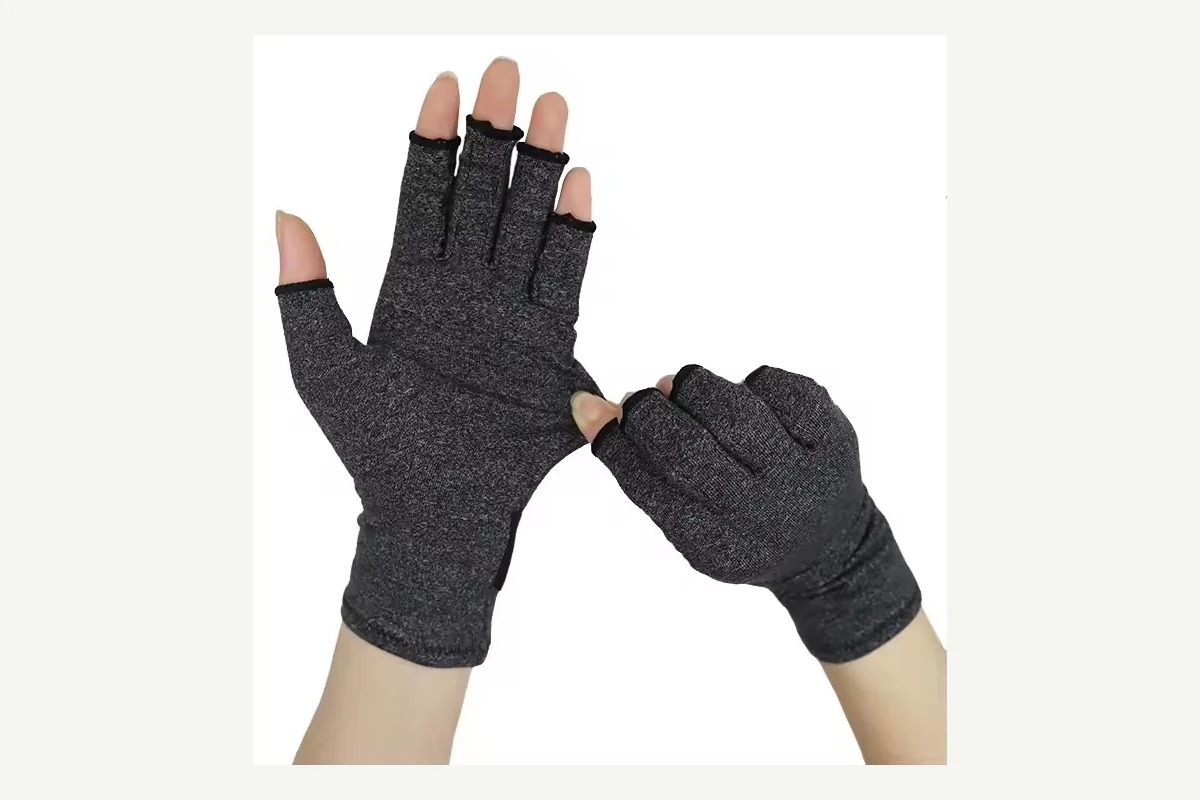
Embroidery and Silicone Finishes
Embroidery can add a stitched accent on compatible areas, while silicone provides a raised finish for the cycling collection.
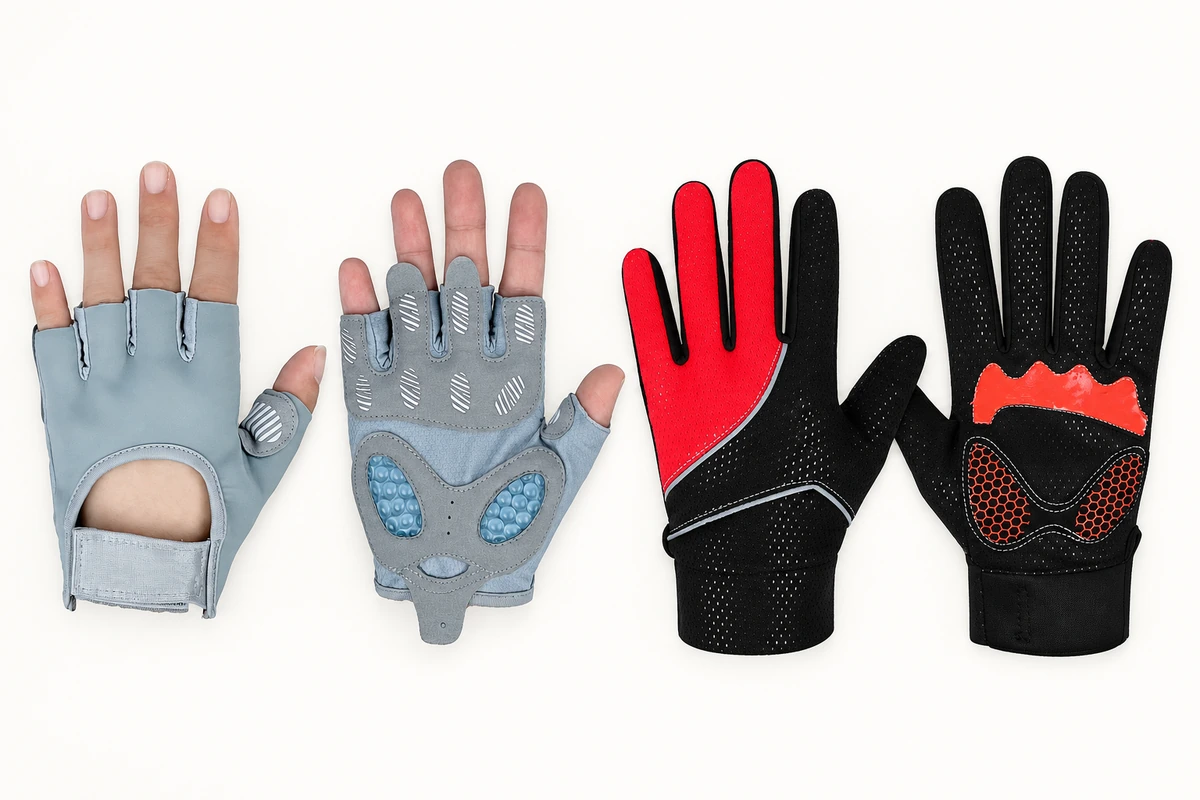
Choose Half-Finger or Full-Finger Coverage
Select coverage for the ride, weather and controls. Check finger openings or fingertip length, movement, ventilation and access to brake and shift controls on the sample.
- Half-Finger Coverage
Road, indoor, commuting, or warm-weather collections. Confirm finger-opening position, edge comfort, removal fit, and control access on the sample. - Full-Finger Coverage
MTB, commuting, or projects needing more hand coverage. Confirm fingertip length, lever feel, ventilation, and the exact function required before production.
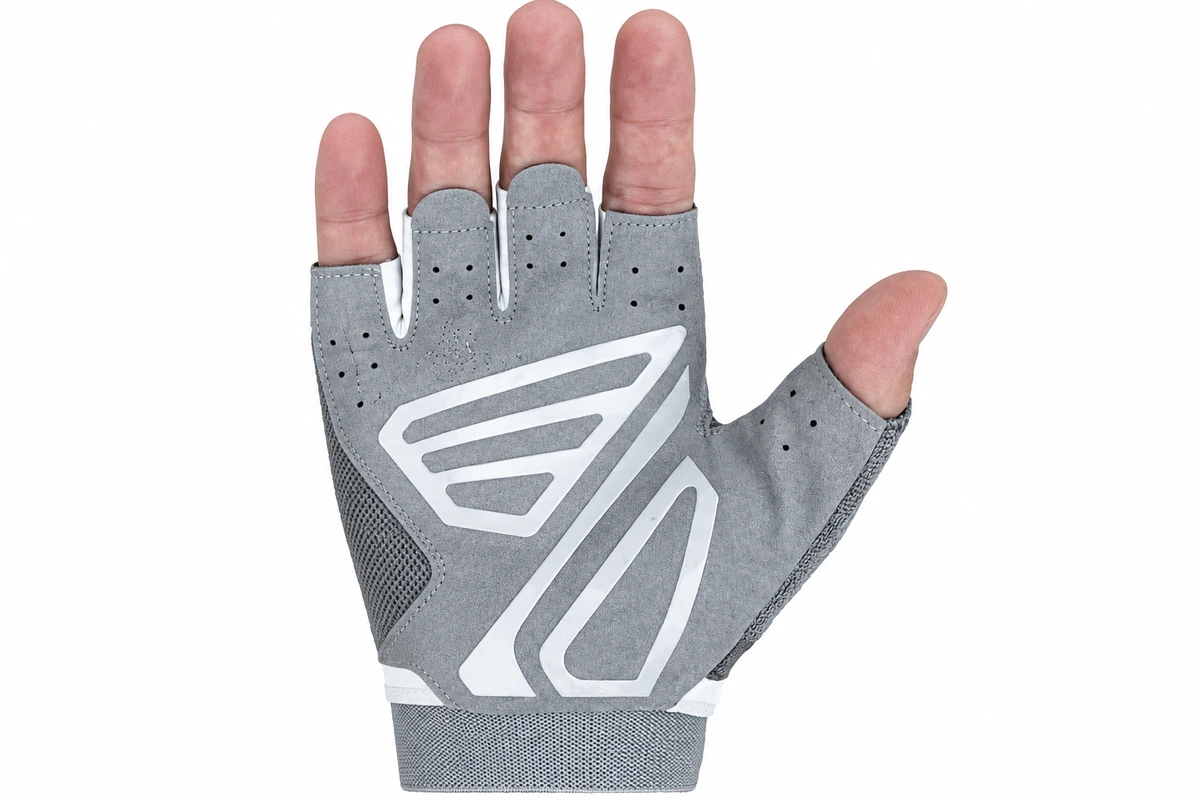
Build the Palm Around Handlebar Contact
Position reinforcement, foam padding, and silicone for the target handlebar, riding posture, and grip needs, then approve them together on a physical sample.
- Palm Reinforcement
High-contact palm zones in road, MTB, or commuter projects. Confirm reinforcement shape and seams where the hand meets the target grip. - Foam Padding
For defined cushioning at handlebar contact points. Confirm pad location, outline, and thickness by testing the sample in the intended riding position; no single layout suits every hand position. - Anti-Slip Silicone Print
Brands needing a specified grip pattern or visible palm detail. Confirm artwork, coverage, placement, and adhesion on the selected palm material.
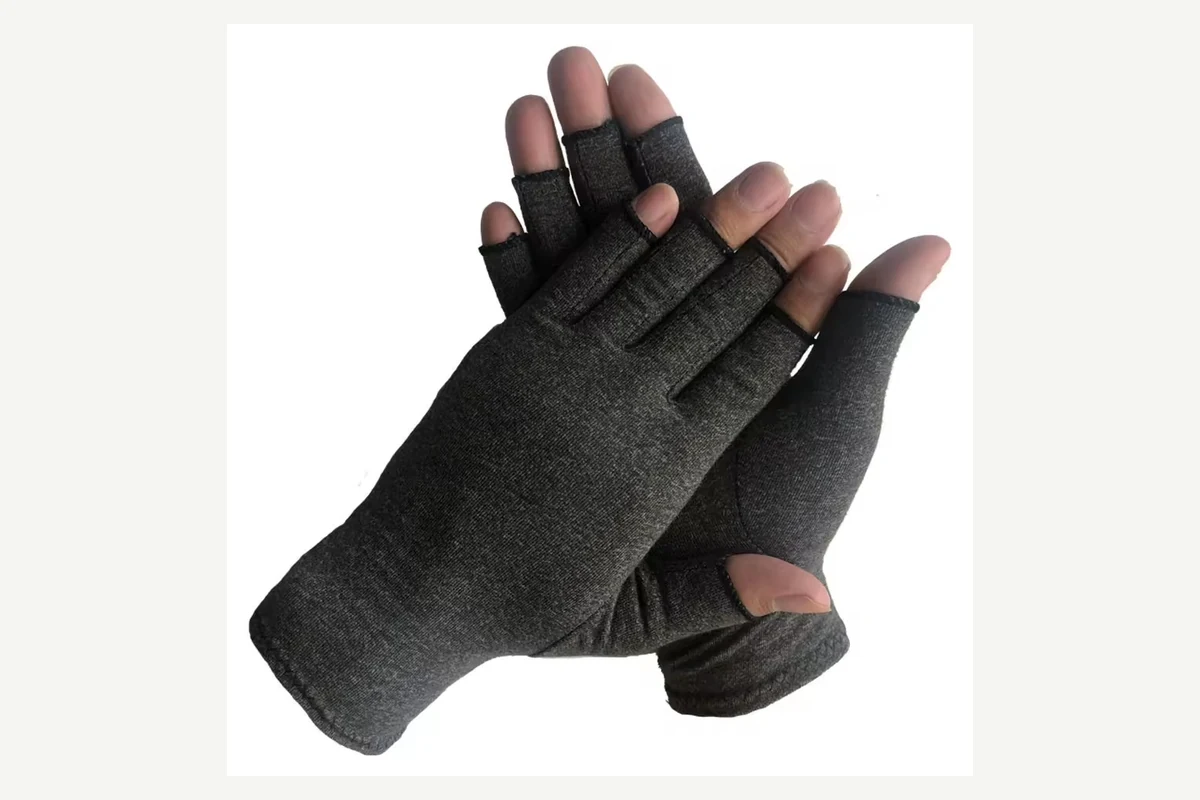
Set Measurements Before Size Grading
Set fit from a measurement table or approved reference glove. S–XXL and special sizes can be developed; confirm the measuring method, intended fit and grading before bulk production.
- Palm Circumference
Core hand-width control for multi-size retail ranges. State the measuring position and whether the target fit is close or relaxed. - Finger Length
Half-finger openings or full-finger fingertip fit. Measure the relevant fingers and check reach to riding controls on the sample. - Overall Length
Projects comparing total hand and cuff coverage. Define start and end points so the measurement can be repeated consistently. - Wrist Opening
Designs using a shaped cuff or wrist tightening structure. Confirm the opening at rest and when the glove is put on. - S–XXL Grading
Brands planning a standard multi-size assortment. Approve the base size and grade rules rather than relying only on size names. - Special Sizes
Programs needing measurements beyond the standard range. Provide target measurements and expected quantity by size for feasibility review.
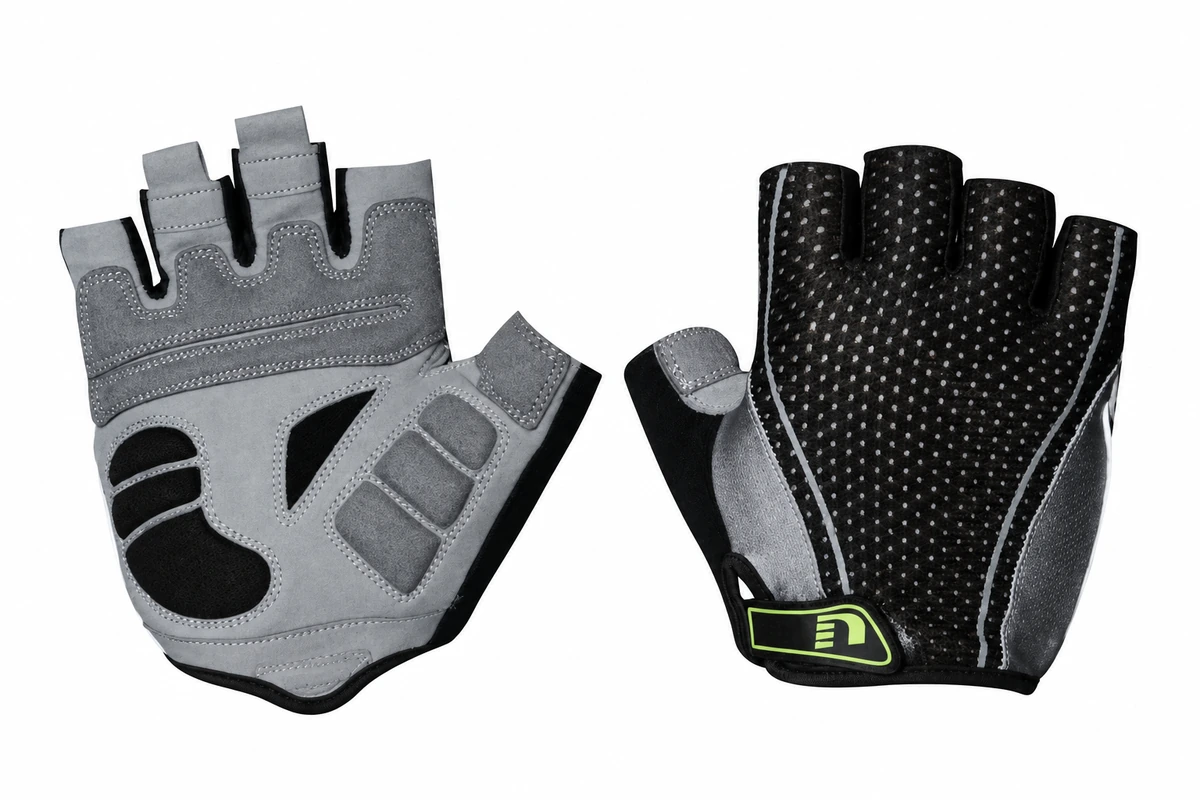
Balance Ventilation, Hand Shape, and Wrist Hold
Select the mesh area, finger curve, and wrist structure together, then check airflow, fit, flex, entry, and stability on the approved sample.
- Breathable Back Mesh
Road, indoor, or warm-weather projects prioritizing airflow. Confirm mesh position, coverage, color, and how it joins the palm and fingers. - Pre-Curved Fingers
Full-finger or shaped designs intended to follow a riding hand position. Confirm the curve with the target material and real grip position. - Wrist Tightening Structure
Projects needing adjustable wrist hold or a defined cuff closure. Confirm opening, adjustment range, attachment, and logo placement before production.
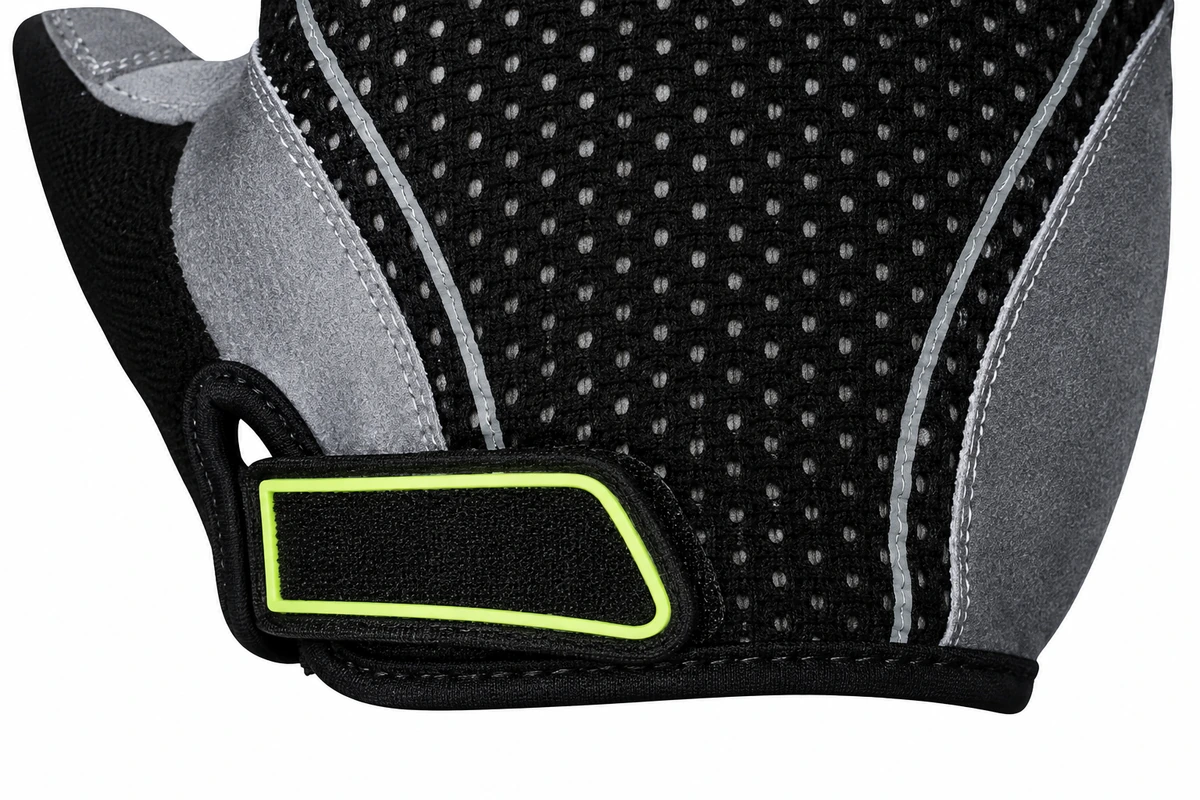
Select a Logo Method for Each Material Zone
Submit vector artwork if available. Material, placement, artwork detail and desired finish determine the logo method; approve method, color, size and position on the glove sample.
- Screen Print
Clear graphics on suitable fabric panels. Confirm ink color, artwork detail, print area, and material compatibility. - Heat Transfer
Multicolor or detailed marks on compatible backhand areas. Confirm film appearance, edge, flexibility, and application area on the sample. - Embroidery
Woven brand marks where fabric weight and placement permit. Confirm stitch density, backing, size, and whether the panel can carry the embroidery. - Silicone Print
Raised or grip-focused branding, including suitable palm applications. Confirm relief, coverage, placement, color, and adhesion to the chosen material. - Sublimation
All-over or integrated graphics on compatible polyester-based panels. Confirm printable panel, color artwork, seams, and final layout before sampling.
Related Custom Products
Compare related products for the same project or application.
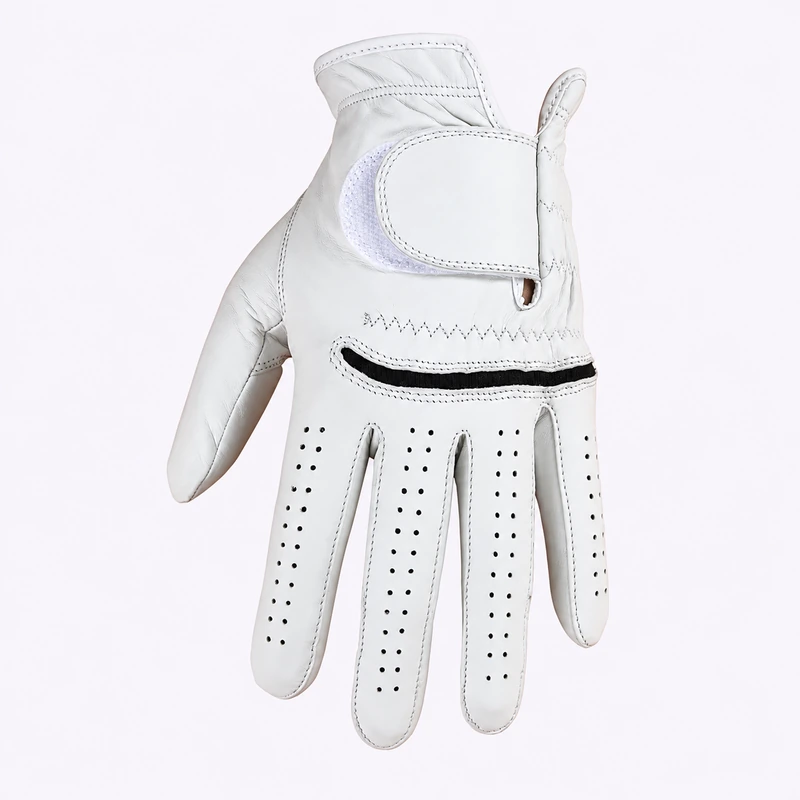
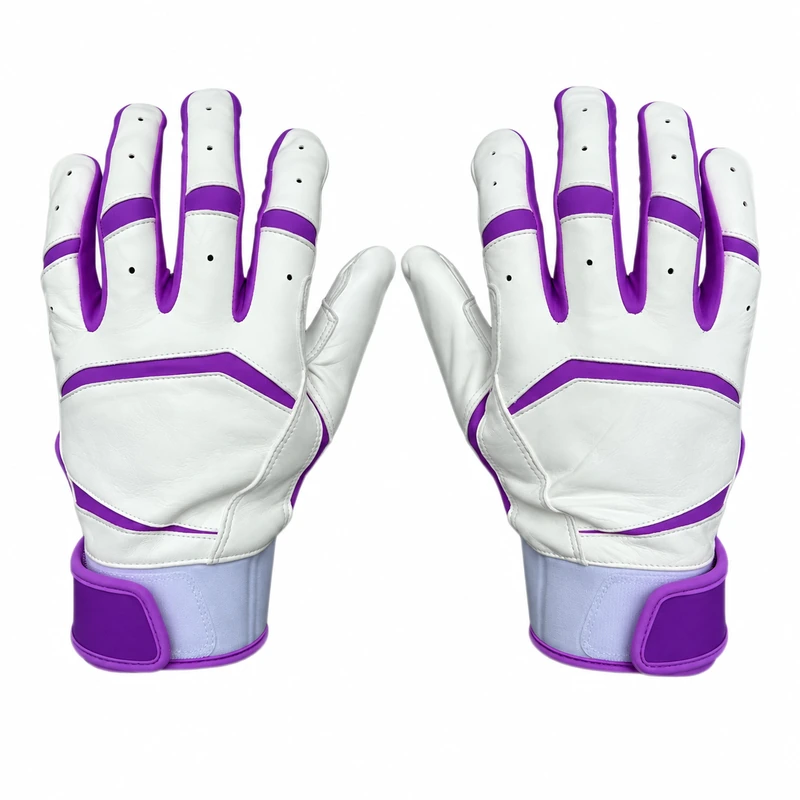
Test and Approve Pressure Zones and Grip
Test the sample on the intended handlebar and controls in the required riding postures. Approve pad edges, silicone contact, seams, finger movement, wrist hold and size before releasing the production specification.
Plan Your Cycling Glove Sample
Share your riding use and quantity. Add a glove reference if available.
Request a Quote