
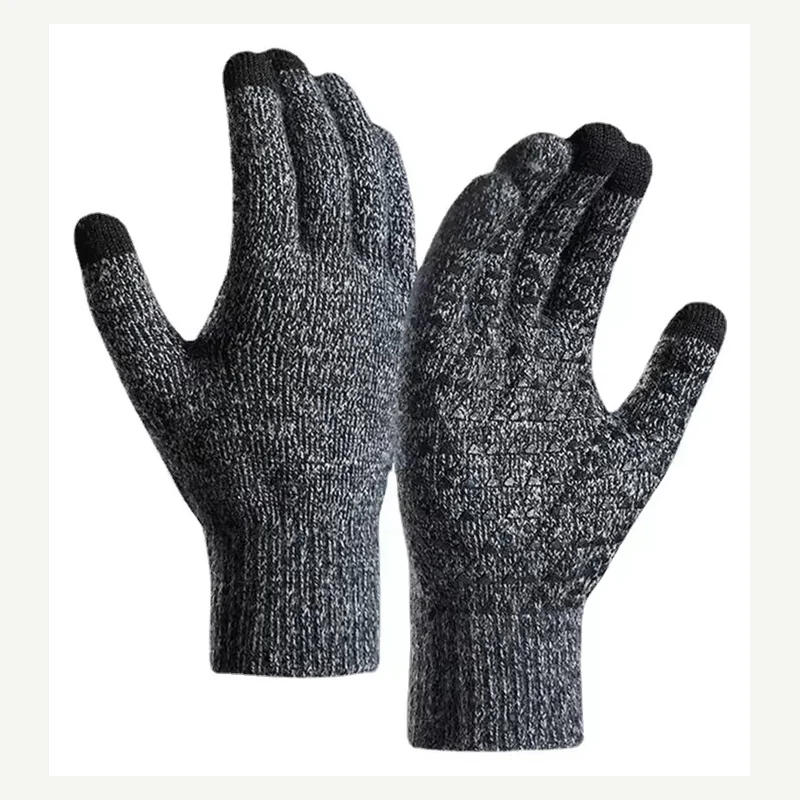
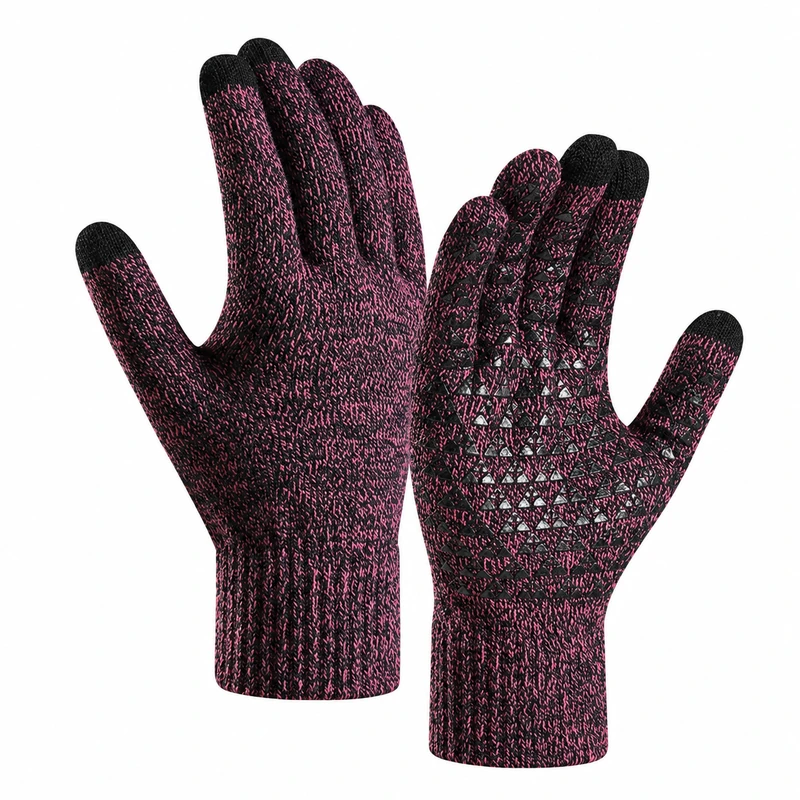
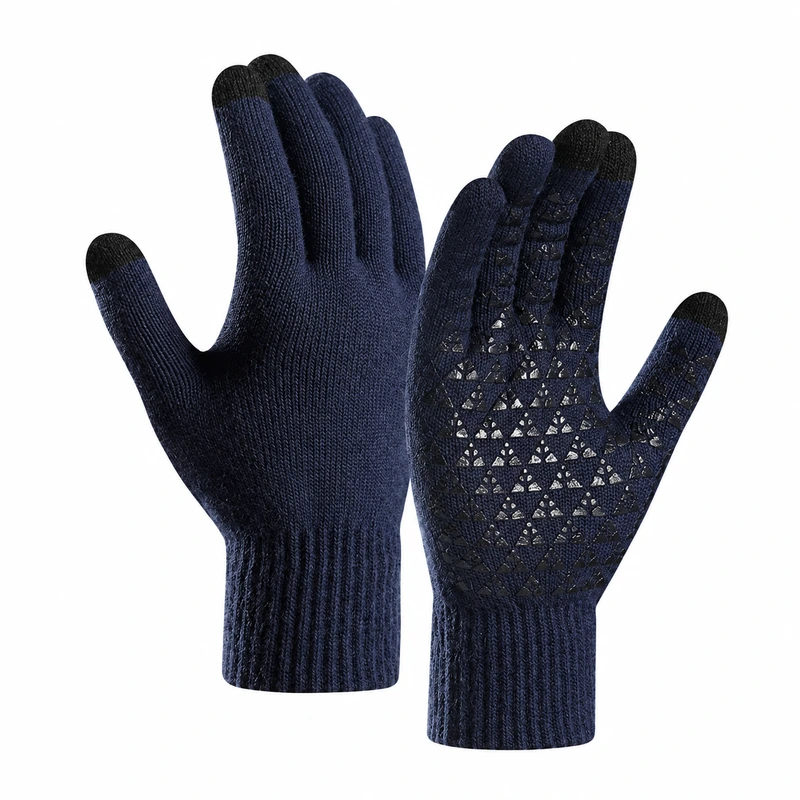
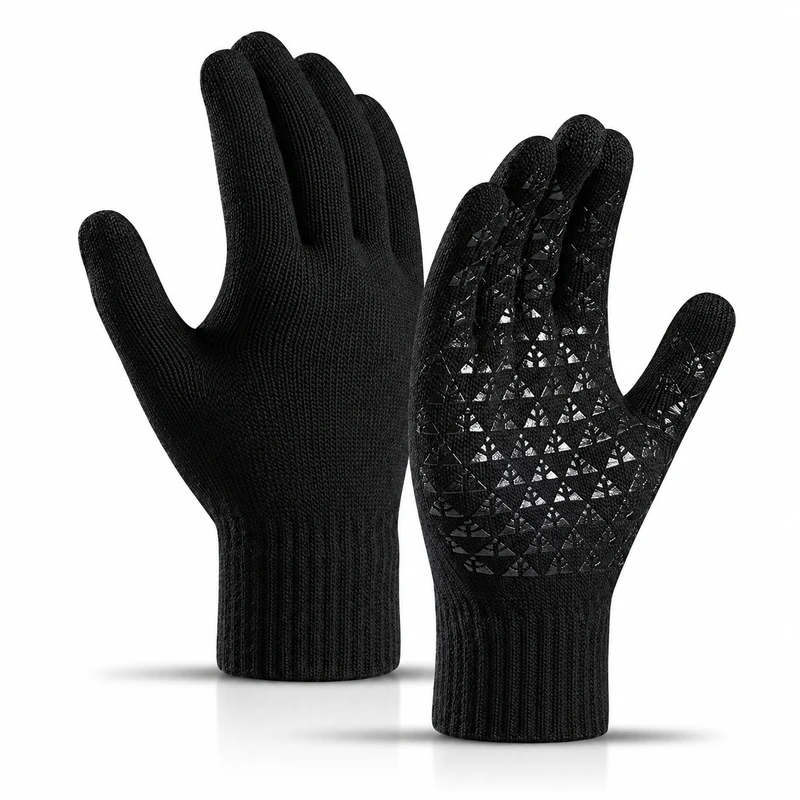
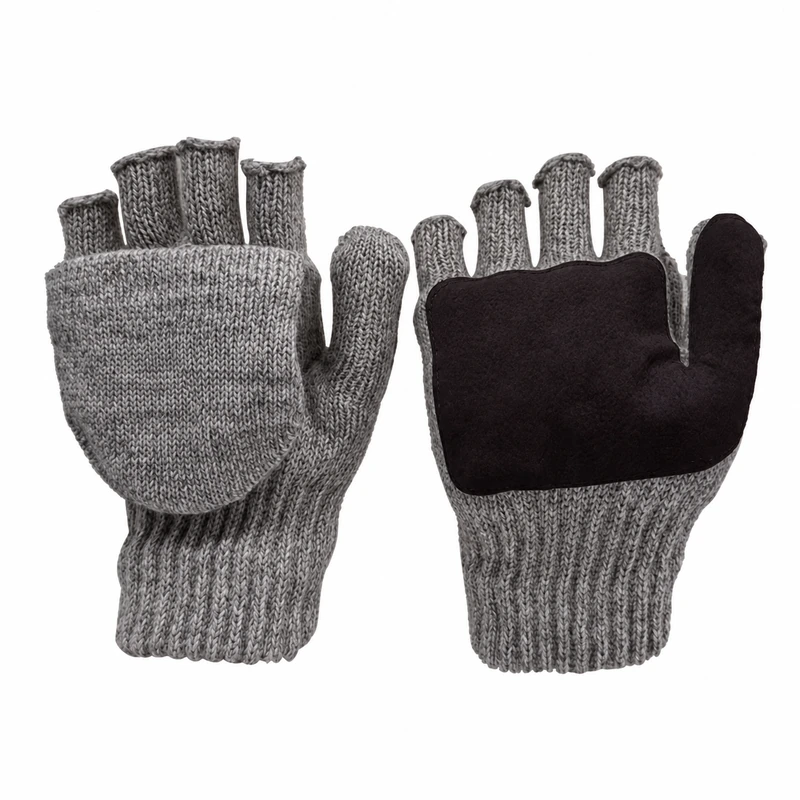
Custom Wool Gloves
Custom wool gloves for autumn and winter retail, lifestyle collections, and branded gifts. We review the fiber composition, hand feel, fit, finger coverage, colors, labels, and packaging before sampling.
- Fiber Specification: Confirmed by Project and Material Sample
- Fit Range: S–XXL or Custom Measurements
- Style Direction: Full-Finger, Fingerless, or Custom Length
- Private Label: Logo, Woven, Care, Size Labels, and Hangtags
- Retail Packaging: OPP Bags, Paper Cards, Inner Boxes, or Gift Boxes
Final fiber content, material, hand feel, fit, color, branding method, label wording, packaging, MOQ, and timing are confirmed against the approved project specification and physical sample.
Request a Quote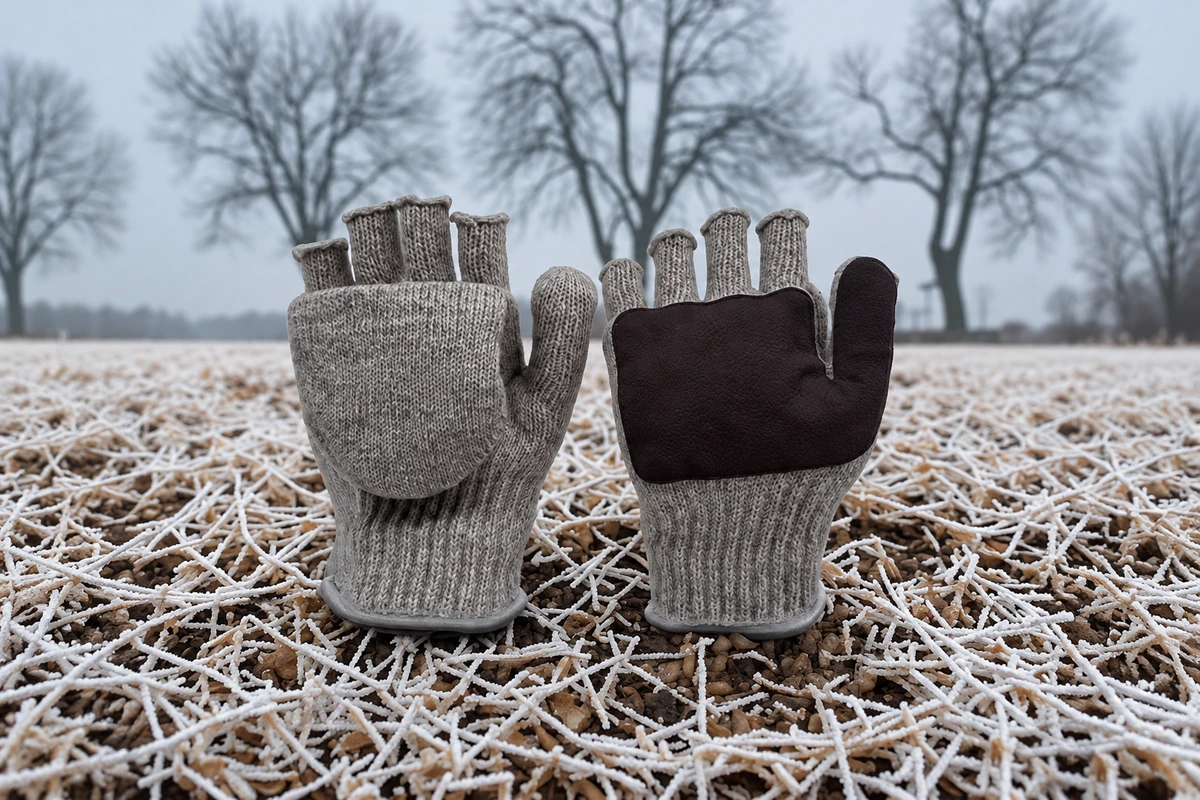
Choose a wool glove for the season
Full-finger warmth: Review the yarn, thickness, stretch and cuff against the intended season and fit. Fingerless or custom length: Set the silhouette and openings from a reference; confirm dimensions on the actual material. Private-label retail: Keep the fiber percentages, care wording, size labels and packaging consistent with the approved specification.
Stitched Brand Details for Your Wool Collection
Embroidery, labels and pair presentation can give your wool gloves a recognizable brand finish.
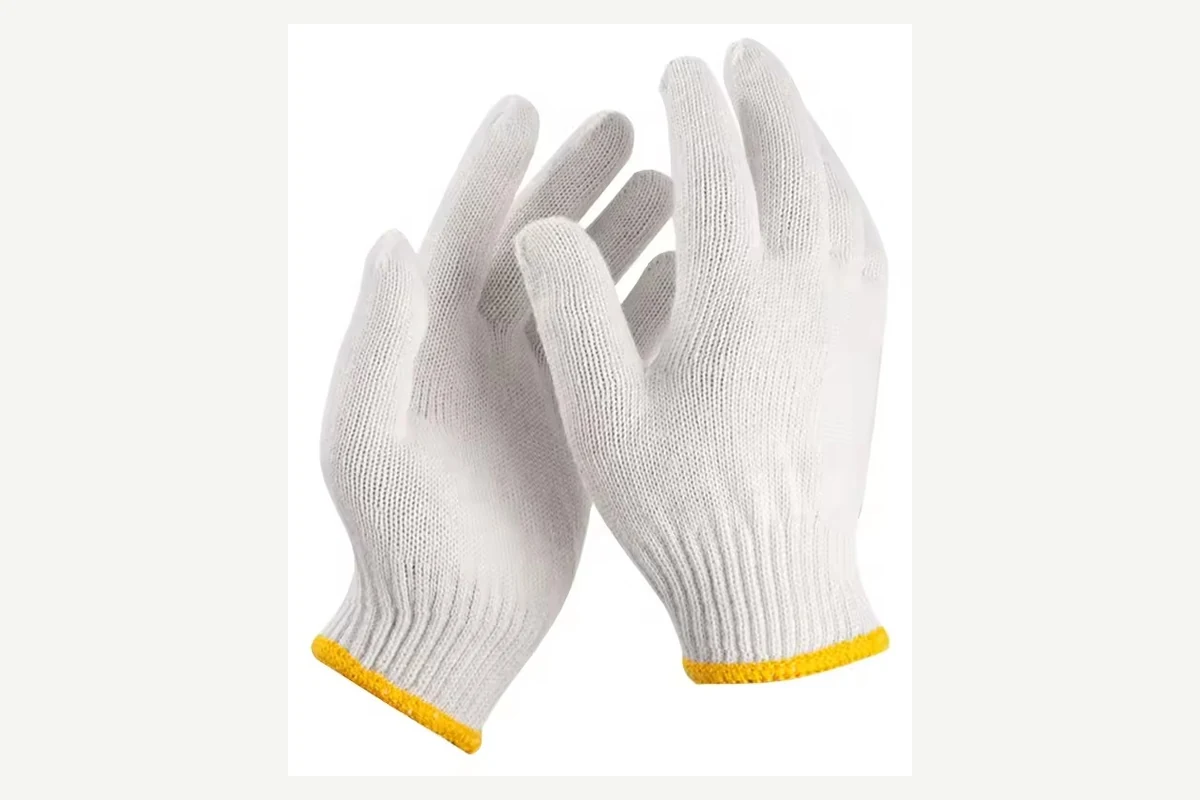
Embroidery on Knit Areas
Embroidery can add textured branding on compatible knit areas, with thread color and finish developed on the glove.
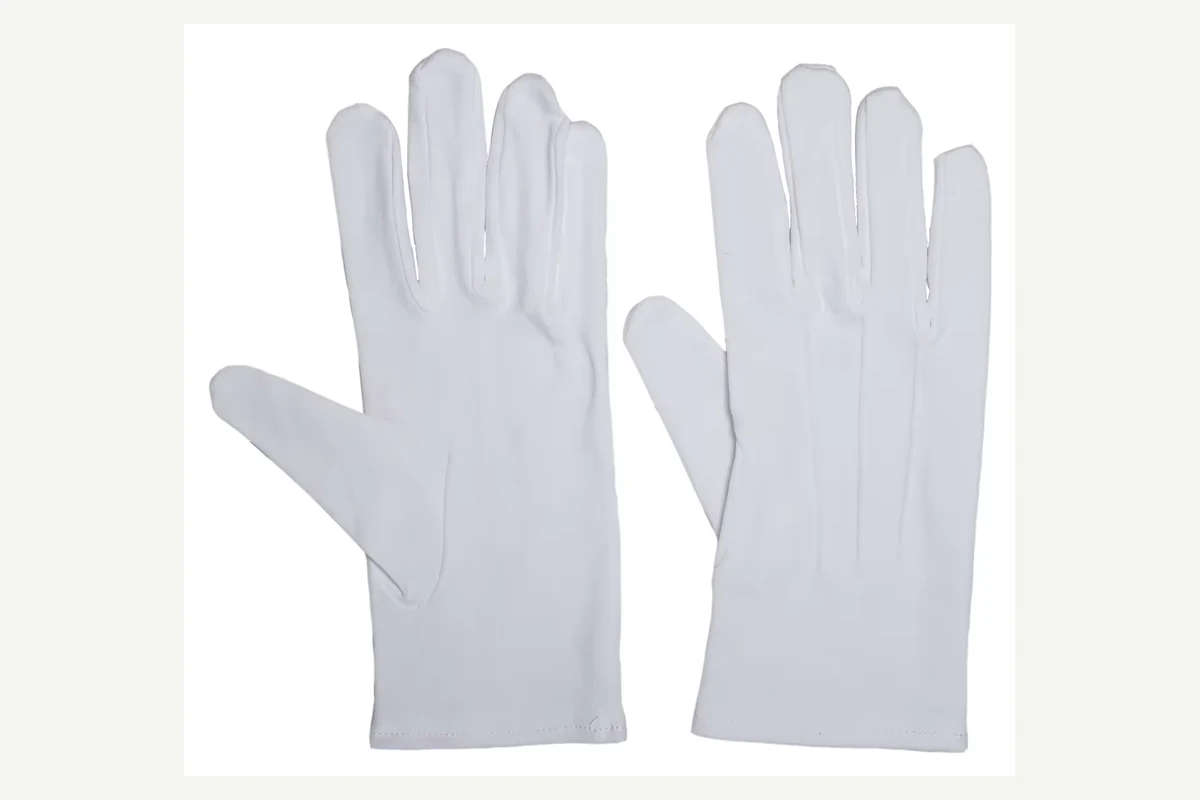
Artwork on the Actual Knit
The branded sample uses the actual knit to check artwork against its texture and stretch before production.
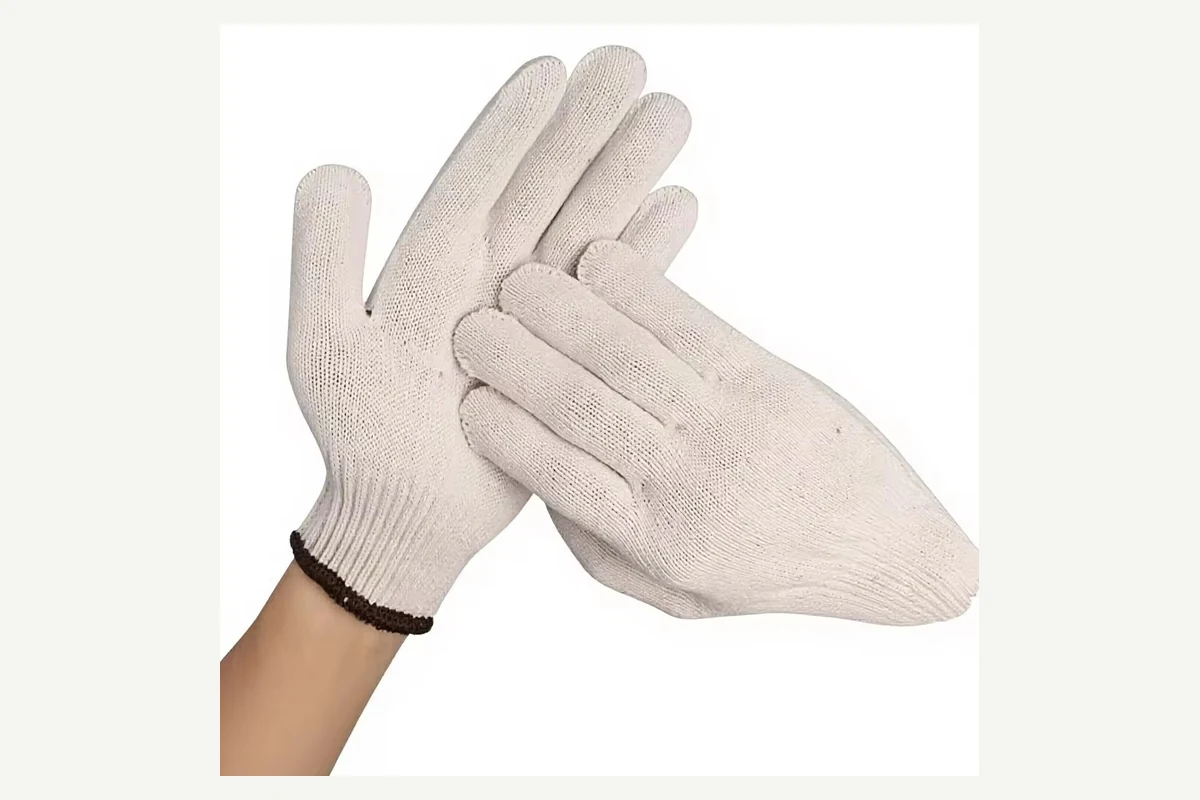
Pair Matching, Labels and Packing
Pair matching and packing bring the gloves, selected labels and presentation together as a finished retail unit.
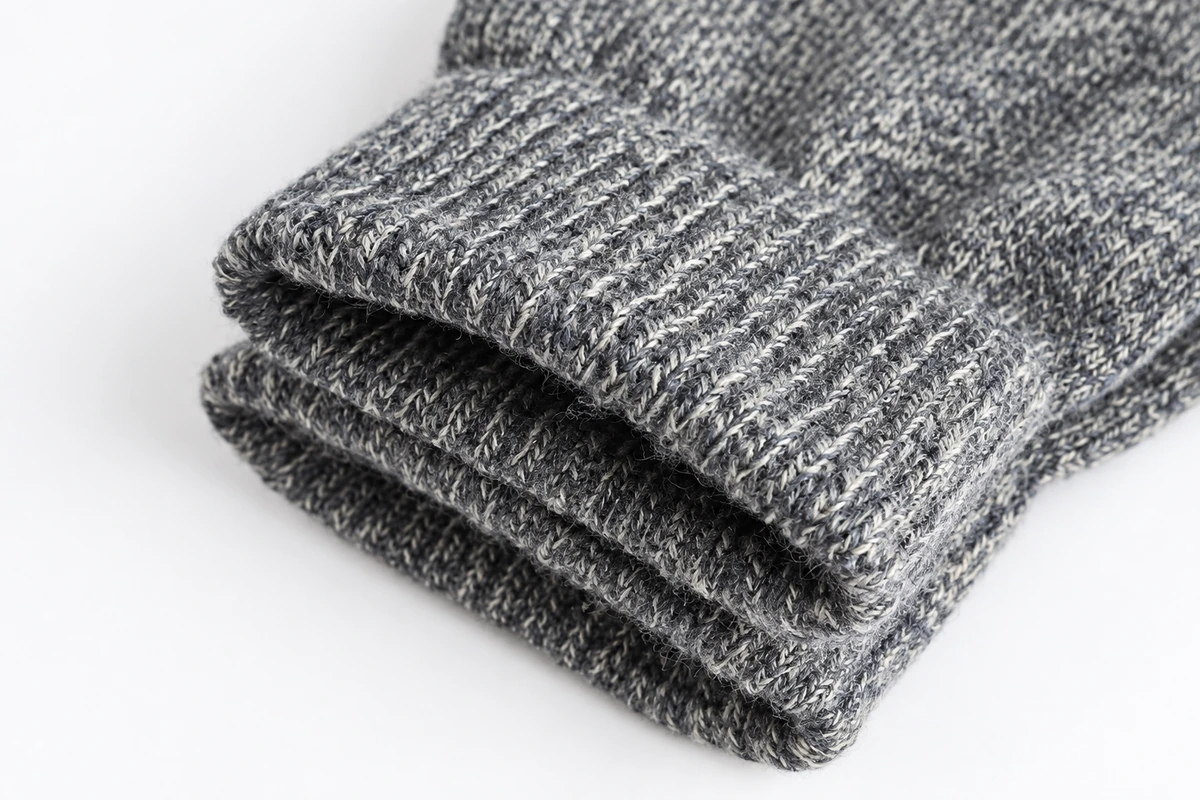
Define the Wool Specification Before Sampling
Confirm fiber percentages, hand feel, thickness, the main body and added components so the sample, label and retail description match. “Wool” alone is not a full specification.
- Declared Fiber Content
Retail, import and private-label material statements need approved percentages for wool and every other relevant fiber. Do not assume 100% wool or a specialty wool name without evidence. - Yarn and Hand Feel Target
Provide a reference, swatch or description for texture, thickness, softness and season. Approve the actual material; the same product name can cover different constructions. - Main Body and Added Components
Labels, decorations, trims and other parts may use different materials. Distinguish them from the glove body where required, and match visible descriptions to the final specification.
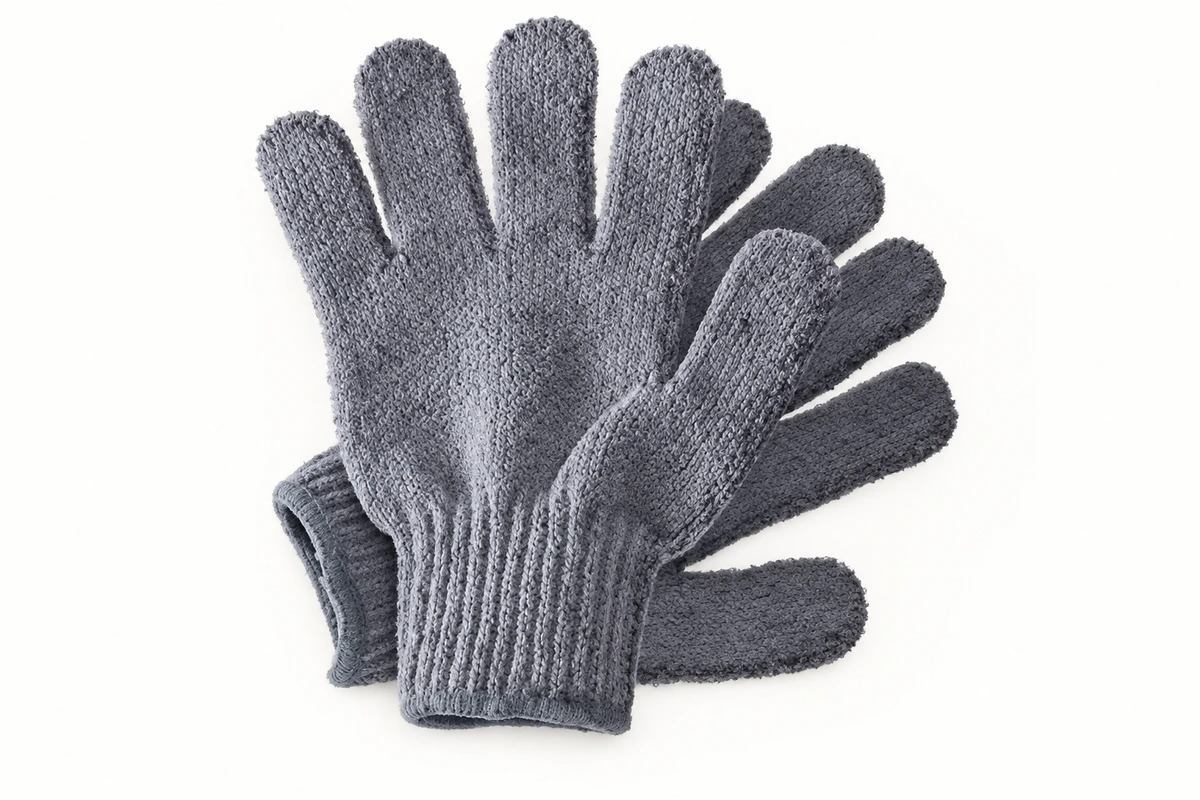
Grade the Fit From Hand Measurements
Knit stretch can improve comfort, but sizing still needs agreed measurements. Approve proportions from a size chart, hand data or reference sample before grading.
- Palm Circumference
Use an agreed measuring method and palm measurement for each size; check fit on the sample. - Finger Length
Specify finger proportions by size and check fingertip space, reach and movement. - Overall Length
For wrist-length or extended styles, measure from the agreed point and match the length to the intended look. - Wrist Opening
For closer cuffs or easier entry and removal, check the opening with material stretch, glove length and sample fit. - S–XXL Size Range
Confirm the approved size chart and size ratio for the target market’s retail assortment. - Special Sizes
Send hand measurements, a size chart or a reference glove. Pattern changes, MOQ, cost and timing need review.
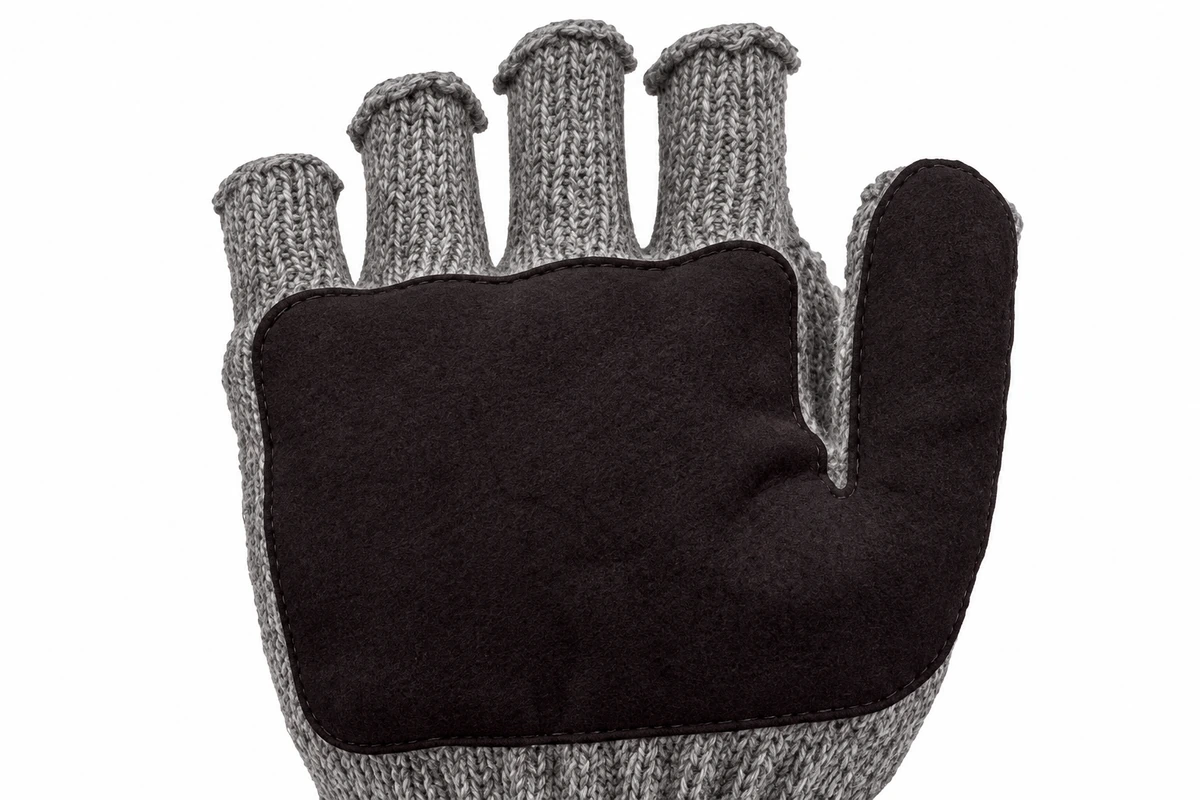
Set Finger Coverage and Length for the Collection
Select finger coverage and length for the collection’s silhouette and use. Confirm openings, proportions and finished dimensions on the physical sample.
- Full-Finger Design
Full hand coverage for classic autumn and winter collections. Confirm finger lengths, tip shape and intended fit during sampling. - Fingerless Design
Exposed fingertips form part of the style. Confirm opening positions, edge treatment and finished proportions on the sample. - Custom Glove Length
Specify wrist-length, extended or collection-specific proportions with a target length and style reference. Length affects fit, material use and cost.
Coordinate Material, Stitching, and Brand Colors
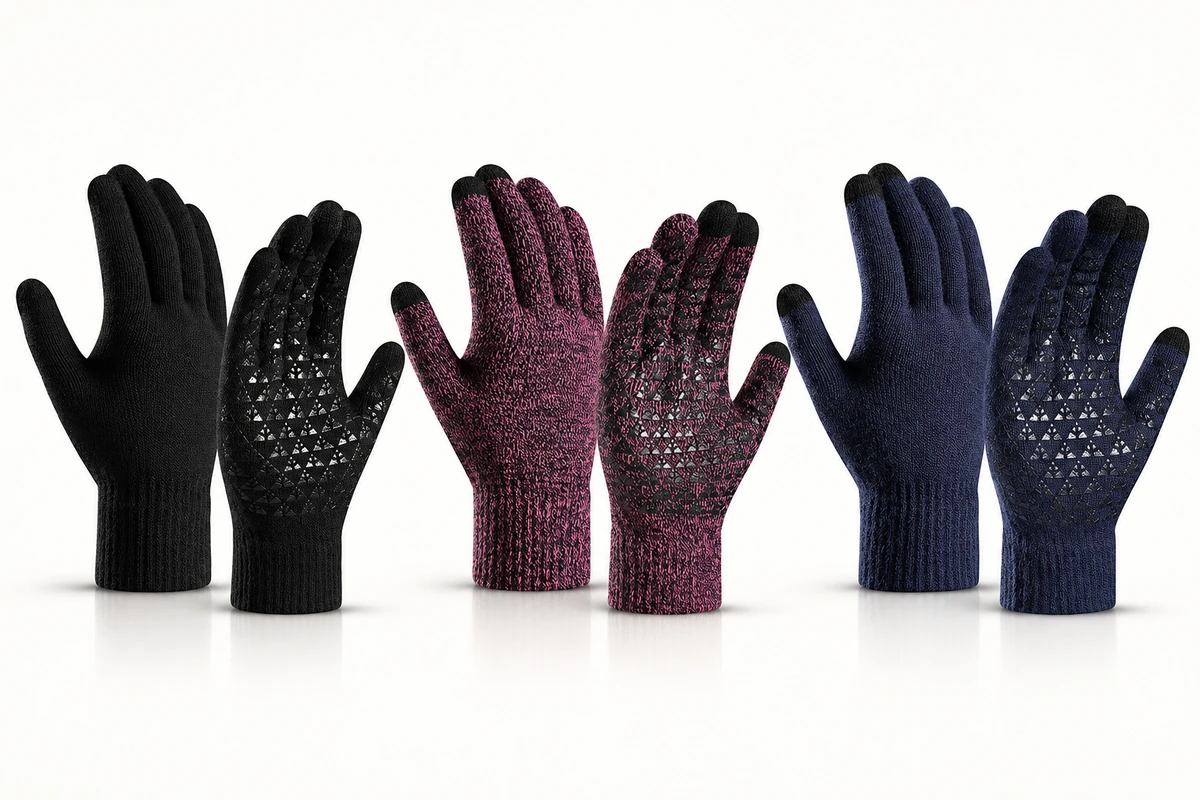
Approve glove material, stitching, logo, labels and the full palette together on physical samples. Surfaces and processes can show color differently.
- Glove Material Color
Set seasonal or core colors using the actual material. Confirm availability and sample appearance rather than relying on a digital reference. - Stitching Color
For matching or contrasting seams, review thread beside the glove material; the same color reference can look different on each surface. - Logo Color
Coordinate branding with the glove and packaging. Confirm application method, artwork color, size and placement before sample approval. - Overall Color Scheme
Approve glove material, stitching, logo, labels and packaging together for coordinated or multicolor collections.
Build the Private-Label Identification Set
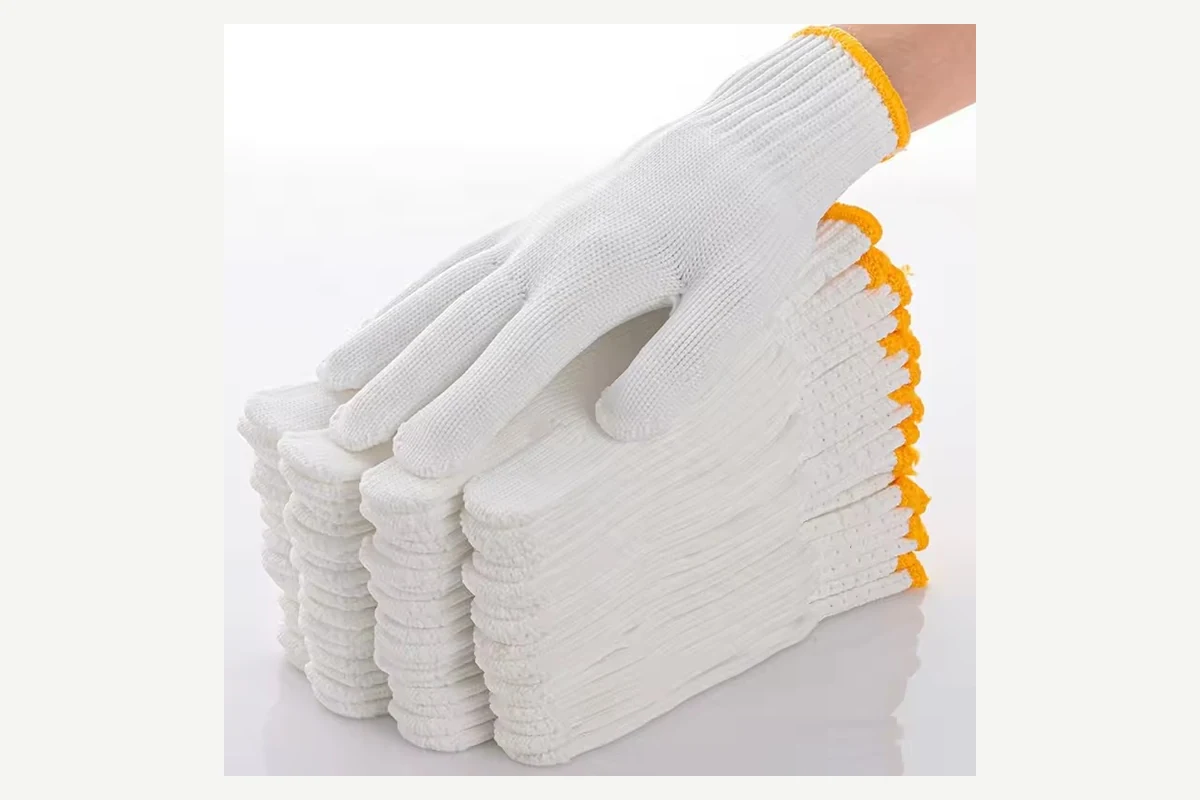
Plan brand, care, size and retail identification together. Confirm wording, language, placement and destination requirements before production labels are released.
- Brand Woven Label
For lasting brand identification on compatible gloves. Approve artwork, dimensions, colors, fold, sewing position and material suitability on the sample. - Wash-Care Label
Retail material and care information must use buyer-supplied or approved wording, fiber content, language, responsible party identity and destination-market details. - Hangtag
For shelf display, product information and brand presentation. Confirm size, stock, print content, attachment, barcode requirements and whether full material information appears elsewhere. - Size Label
Match visible size codes to the approved size chart, packing list and carton records for retail and warehouse identification.
Related Custom Products
Compare related products for the same project or application.
Check Pair Matching and Label Accuracy Before Packing
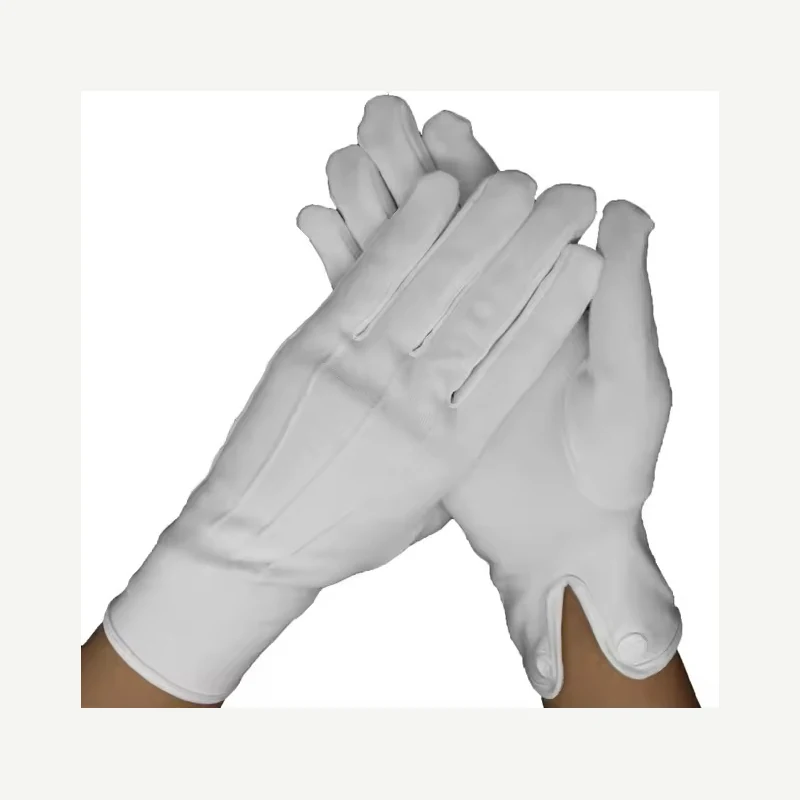
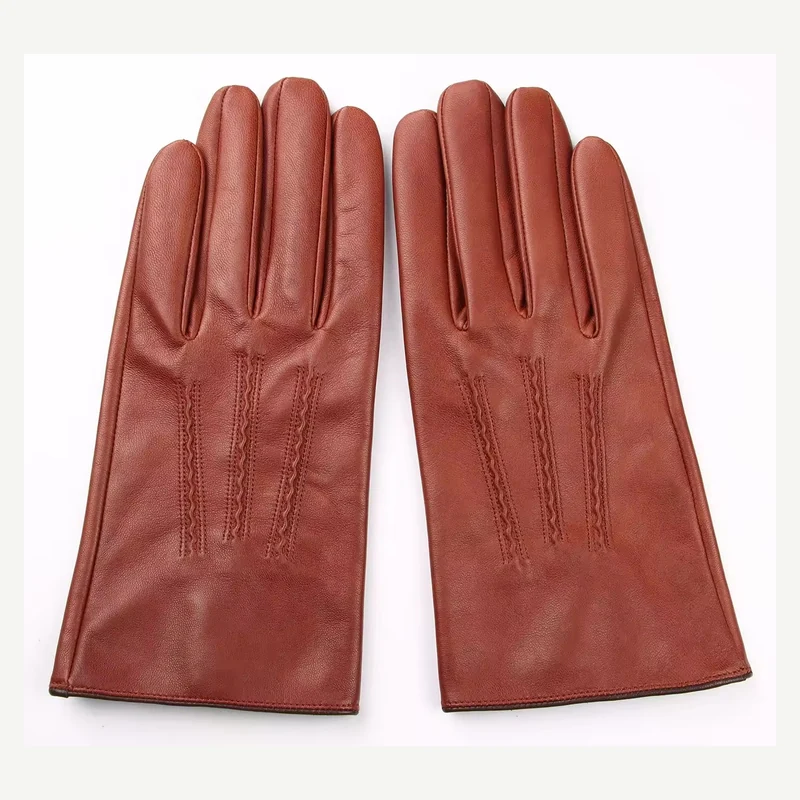
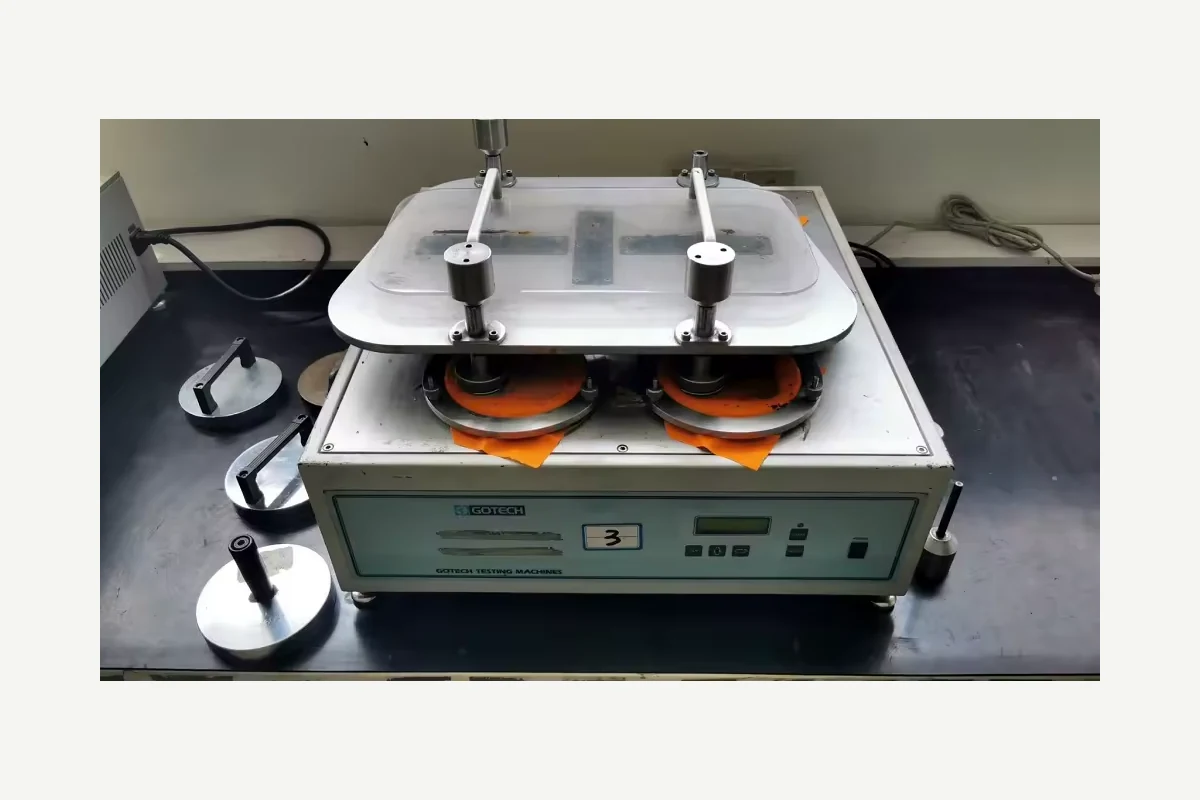
Check incoming material, fiber and label records, dimensions, symmetry, surface appearance, color, construction, brand placement, pair matching, packaging, and quantity against the approved sample and final specification at the appropriate production stages.
Plan Your Wool Glove Sample
Share your preferred style and quantity. Add fiber details if known.
Request a Sample