
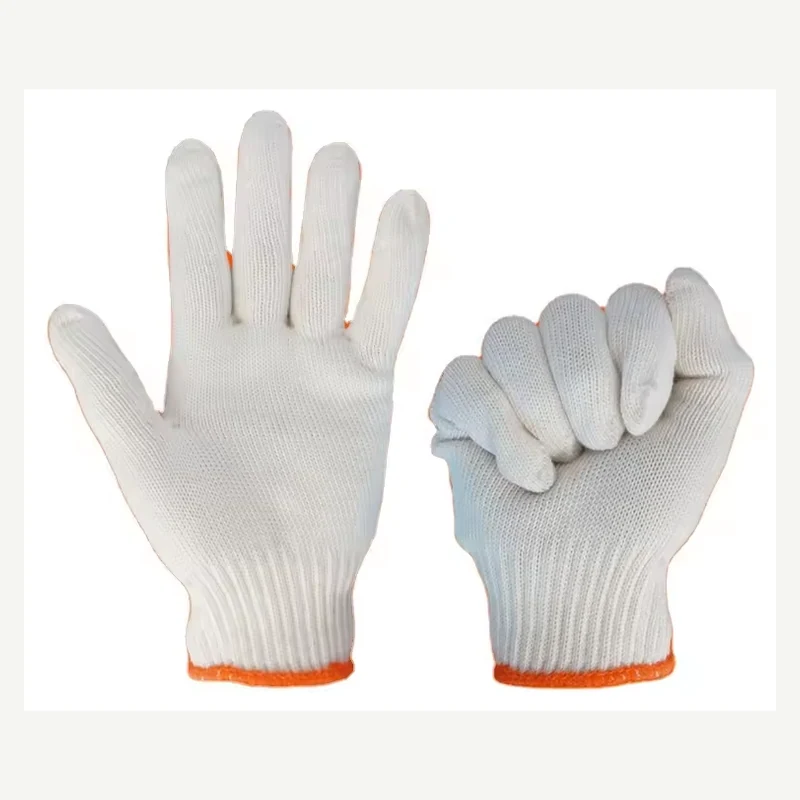
Custom Cashmere Gloves
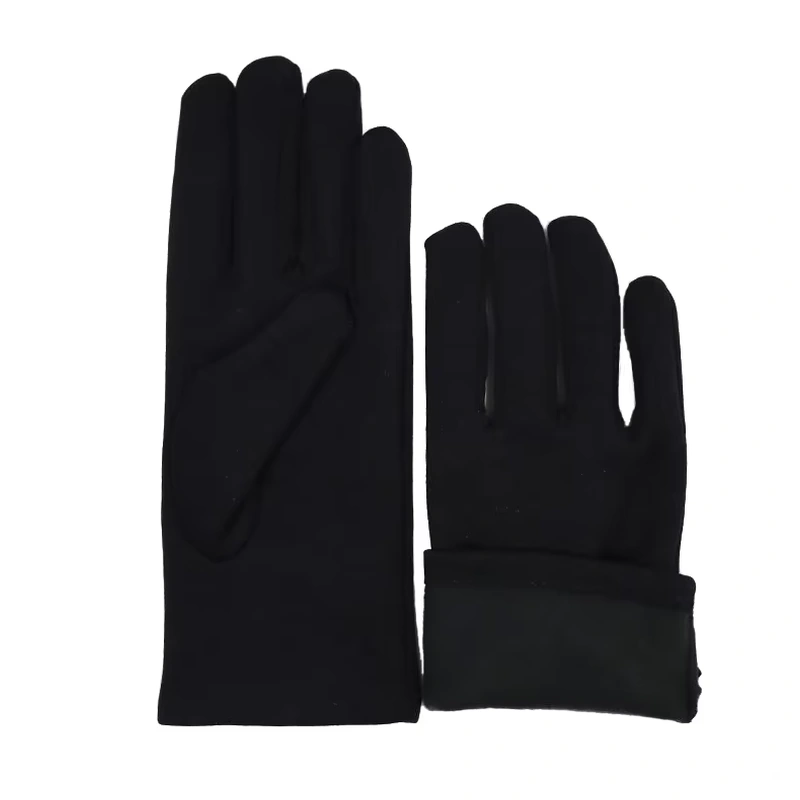
Custom cashmere glove projects for fashion collections and corporate gifting. Review the verified cashmere content, yarn, hand feel, fit, colors, and retail presentation together before approving the sample.
- Fiber Claim: Verified Cashmere Content and Percentages
- Fit Range: S–XXL or Custom Measurements
- Style Direction: Full-Finger, Fingerless, or Custom Length
- Private Label: Woven, Care, Size Labels, and Hangtags
- Retail Packaging: OPP Bags, Paper Cards, Inner Boxes, or Gift Boxes
Final cashmere identity, fiber percentages, yarn and knit specification, hand feel, fit, color, branding, care wording, packaging, MOQ, and timing are confirmed against the approved project specification, supporting documents, and physical sample.
Request a Quote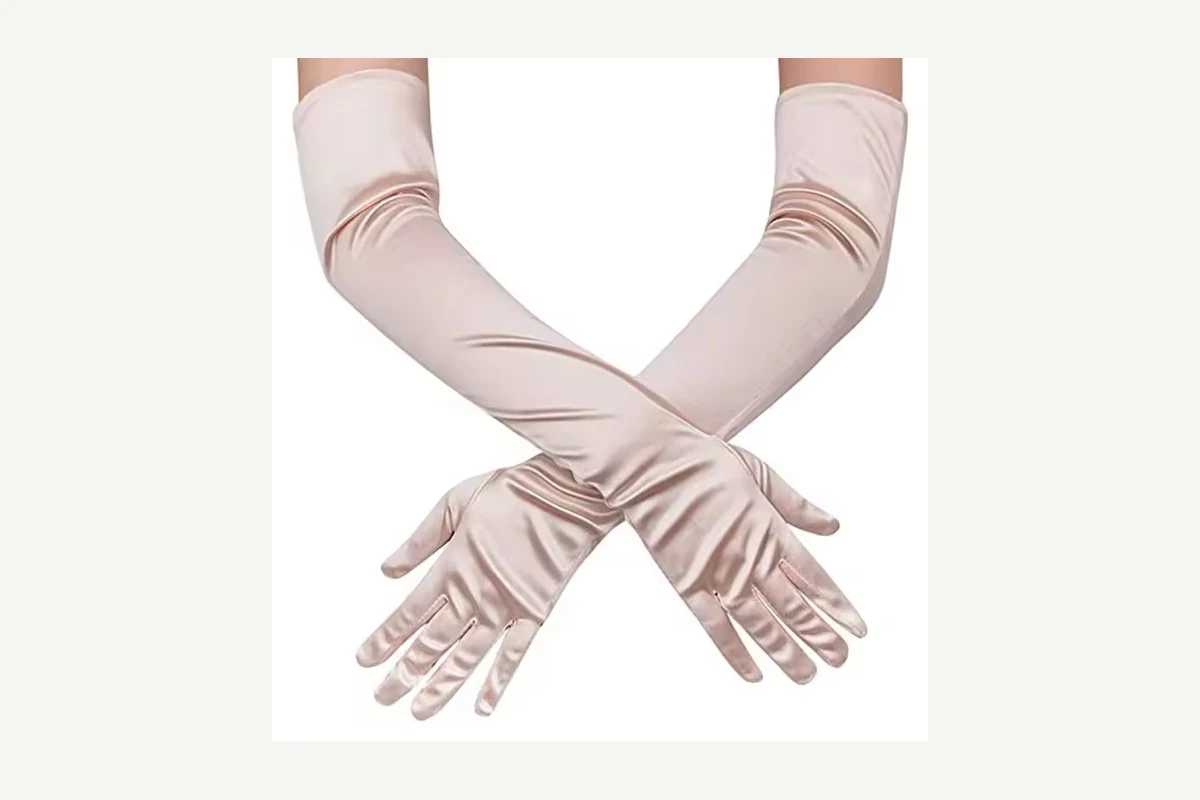
Balance fiber content, feel and presentation
Cashmere composition: Specify the intended cashmere percentage and all other fibers; material evidence must support the product wording. Fit and silhouette: Compare full-finger, fingerless or custom-length styles using the actual knit sample. Gift or retail finish: Coordinate woven labels, care information, color and packaging with the approved composition and design.
Subtle Custom Details for Cashmere Gloves
Private-label development combines the cashmere glove’s soft appearance with restrained decoration and coordinated presentation.
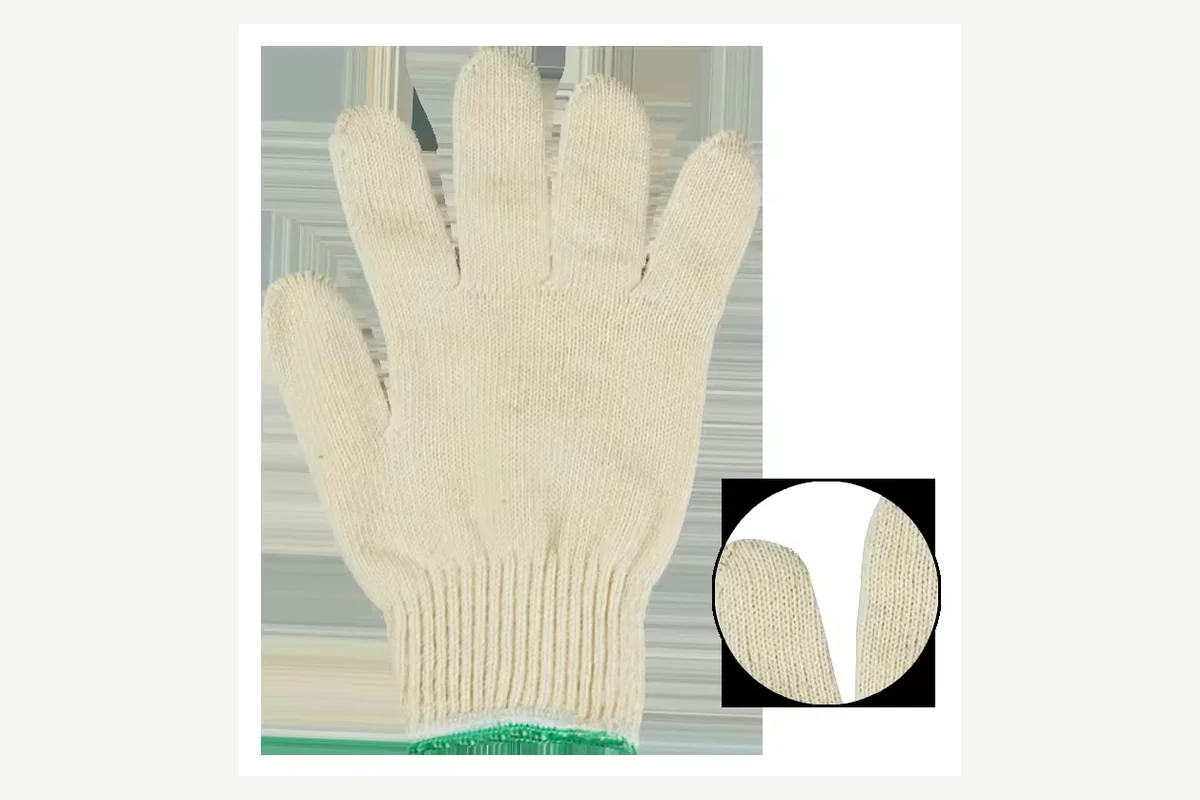
Small Embroidered Marks
Compact embroidery can add branding on a compatible glove area, with the stitched result reviewed on the actual knit.
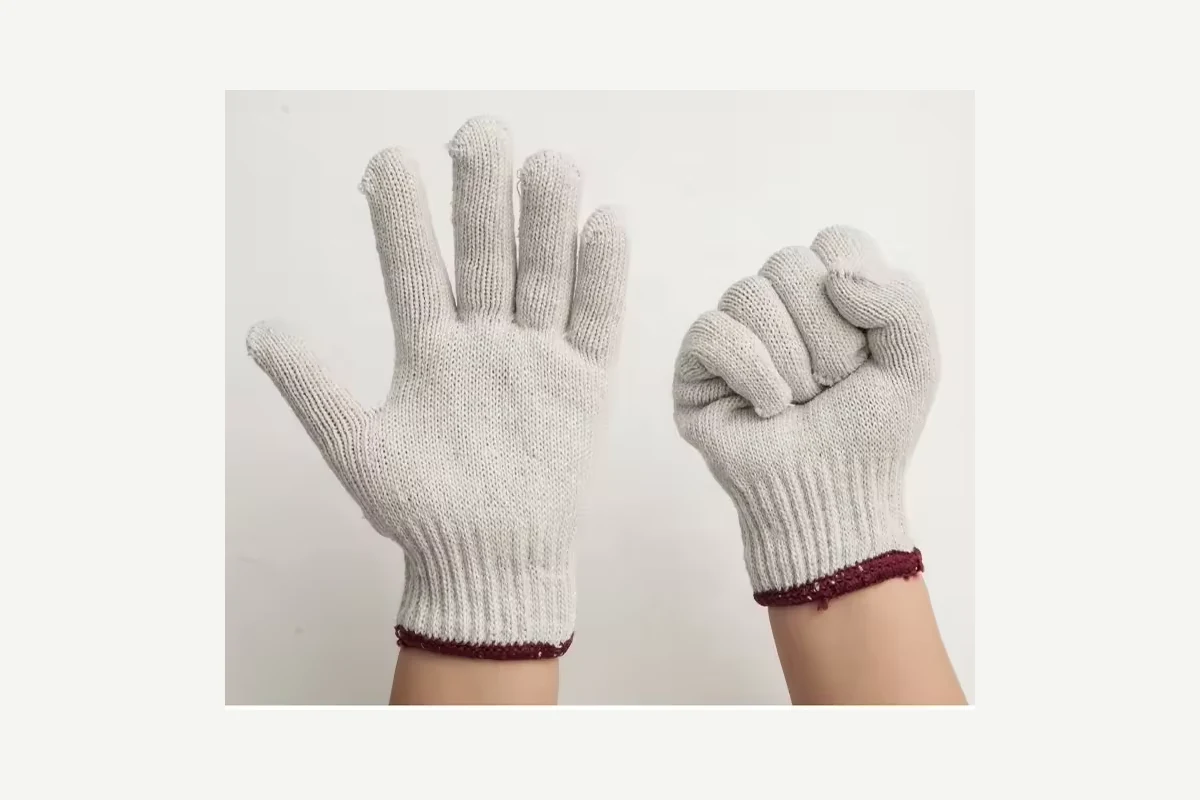
Matching or Contrasting Thread
Custom thread colors can match the glove or create an accent. Review the stitched detail with the material.
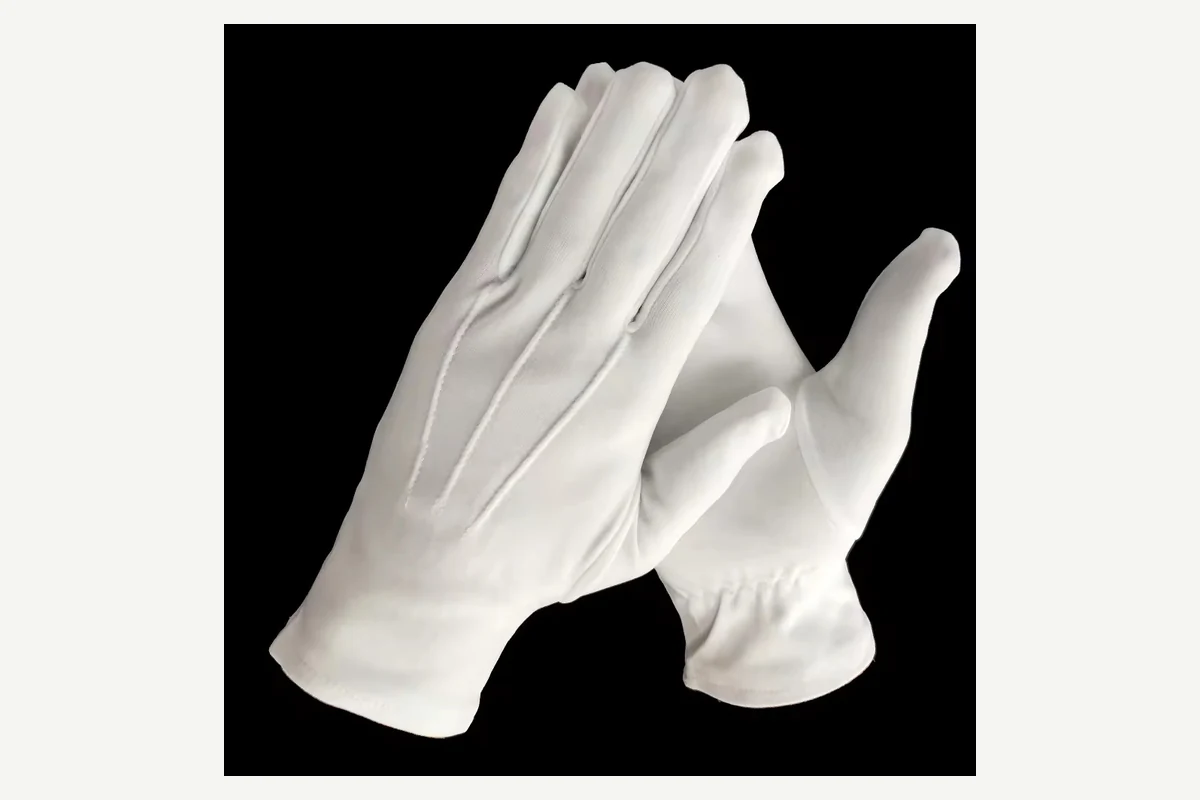
A Complete Gift Presentation
GloveWise can develop a custom gift box with the finished pair. Review the glove, branding and box together in a physical presentation sample.
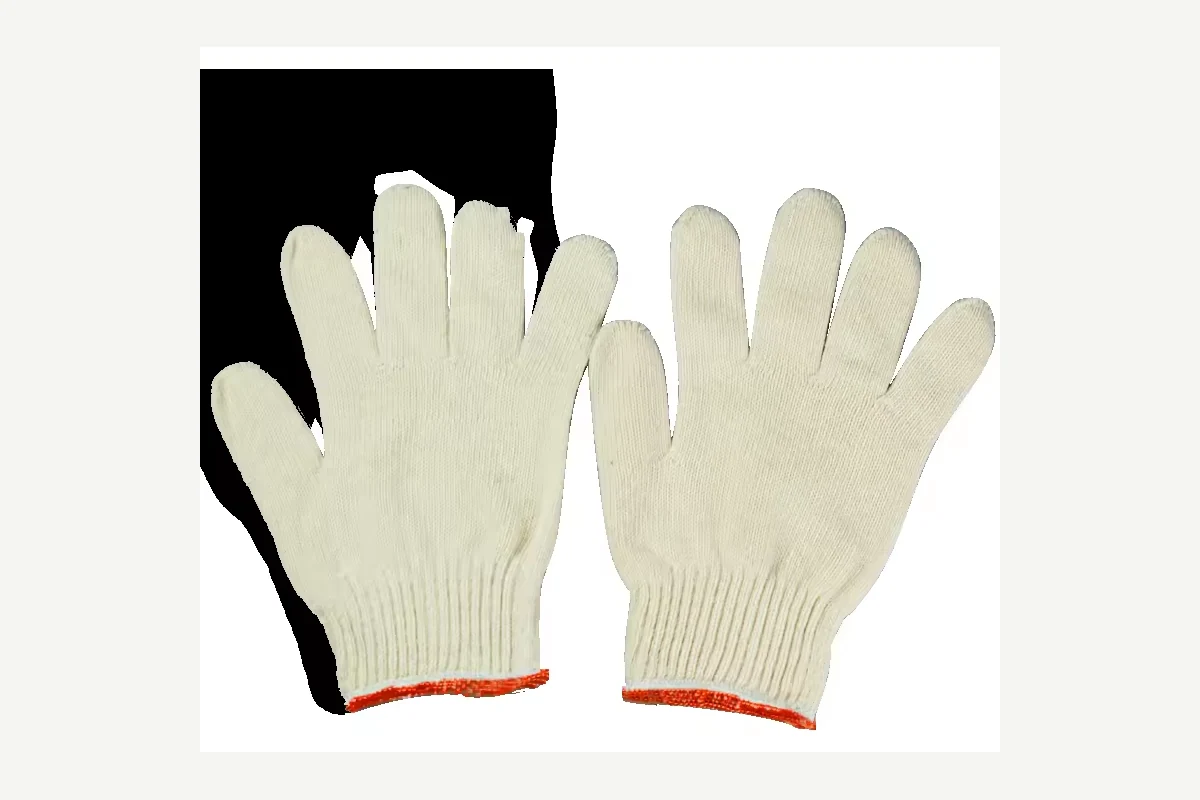
Define the Cashmere Claim Before Sampling
Define cashmere with a measurable material specification. Record the intended cashmere percentage, every other fiber, supporting documents or testing route, and the exact wording that may appear on labels and packaging.
- Declared Cashmere Percentage
For pure or blended cashmere retail products, percentages must match the approved composition and evidence. Never assume 100% cashmere. - Complete Blend Composition
Identify every relevant fiber by percentage for the target price, feel and wear requirements. A general cashmere-blend label is not enough. - Material Evidence and Testing Route
Importers, department stores and private-label buyers needing claim verification should confirm supplier documents and required independent fiber testing before approving final label copy.
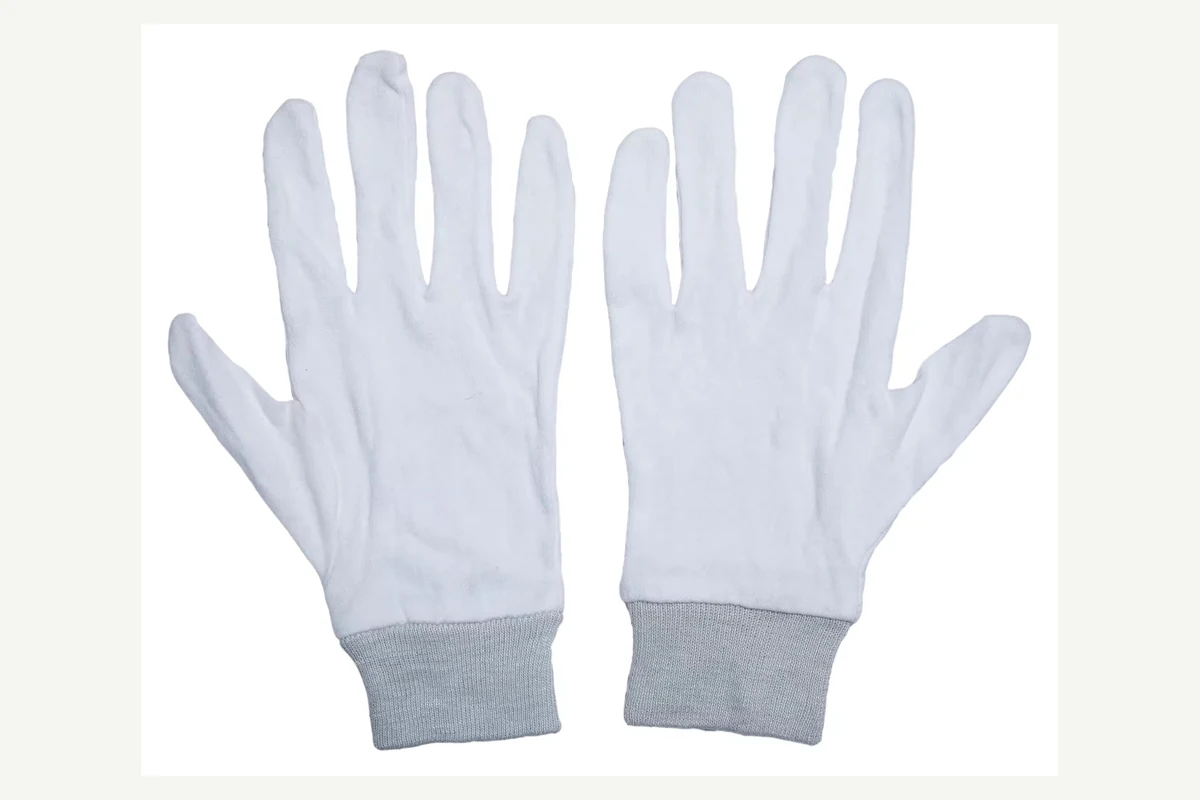
Build the Fit From Hand Measurements
Define fit from hand measurements, a brand size chart or a reference sample. Approve measurements and grading together because yarn, knit construction, thickness and stretch can affect the finished feel.
- Palm Circumference
Adult fashion glove programs: Record the measuring point and intended ease, then approve the physical sample. - Finger Length
Full-finger styles: Confirm each finger proportion rather than relying only on overall glove length. - Overall Glove Length
Standard, shortened, or extended silhouettes: Use the same measurement reference in the brief, sample report, and bulk inspection. - Wrist Opening
Easy-on or closer-fitting programs: Balance opening width and stretch with comfort on the approved sample. - S–XXL Size Grading
Multi-size retail assortments: Confirm the base size, grading increments, size labels, and assortment quantities. - Special Size Development
Brands using a proprietary size chart: Feasibility, measurements, quantity, cost, and timing remain project-specific.
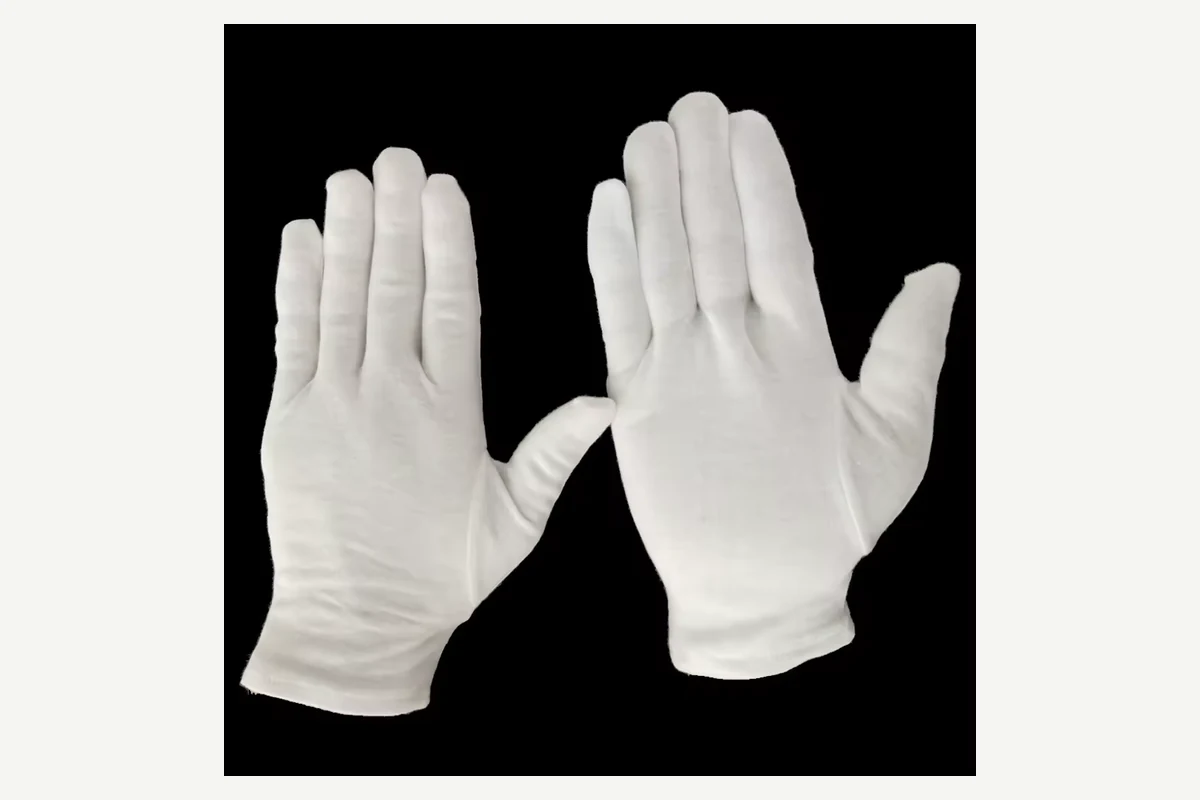
Choose the Silhouette for the Collection
Select finger coverage and length for the collection’s style, occasion and wrist proportion. Review openings, dimensions, edge construction and fit on the approved physical sample.
- Full-Finger Profile
Classic retail, gifting, and formal accessory collections: Confirm fingertip shape, individual finger length, and overall balance on the physical sample. - Fingerless Profile
Indoor, transitional, or finger-access applications: Confirm opening positions, edge finish, and the intended amount of finger coverage. - Custom Overall or Cuff Length
Shorter or extended silhouettes: Supply exact measurements or a reference sample and approve the final proportion before production.
Coordinate Material, Trim, and Brand Colors
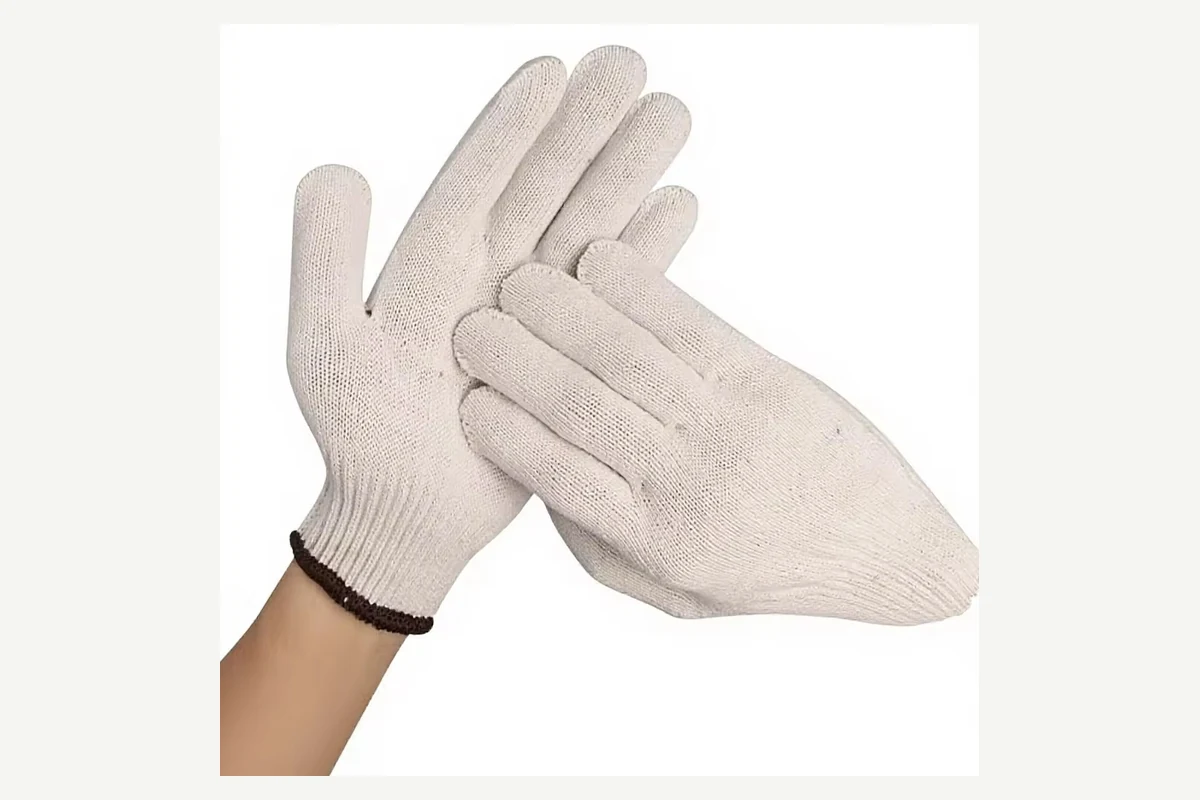
Coordinate the glove material, stitching, visible branding, and retail presentation. Because material character and process can change the final appearance, approve physical color results before production.
- Material Color
Seasonal fashion and core color programs: Approve a physical color result because screens cannot represent the finished material reliably. - Stitching Color
Tonal or contrast-detail designs: Thread and glove material may show color differently; review them together. - Logo Color
Woven labels, tags, and printed packaging: Match the approved artwork within the limits of the selected process and material. - Coordinated Colorway
Multi-color, gift, or brand-led programs: Review glove, label, hangtag, and packaging components as one presentation set.
Keep Fiber, Care, Size, and Brand Information Aligned
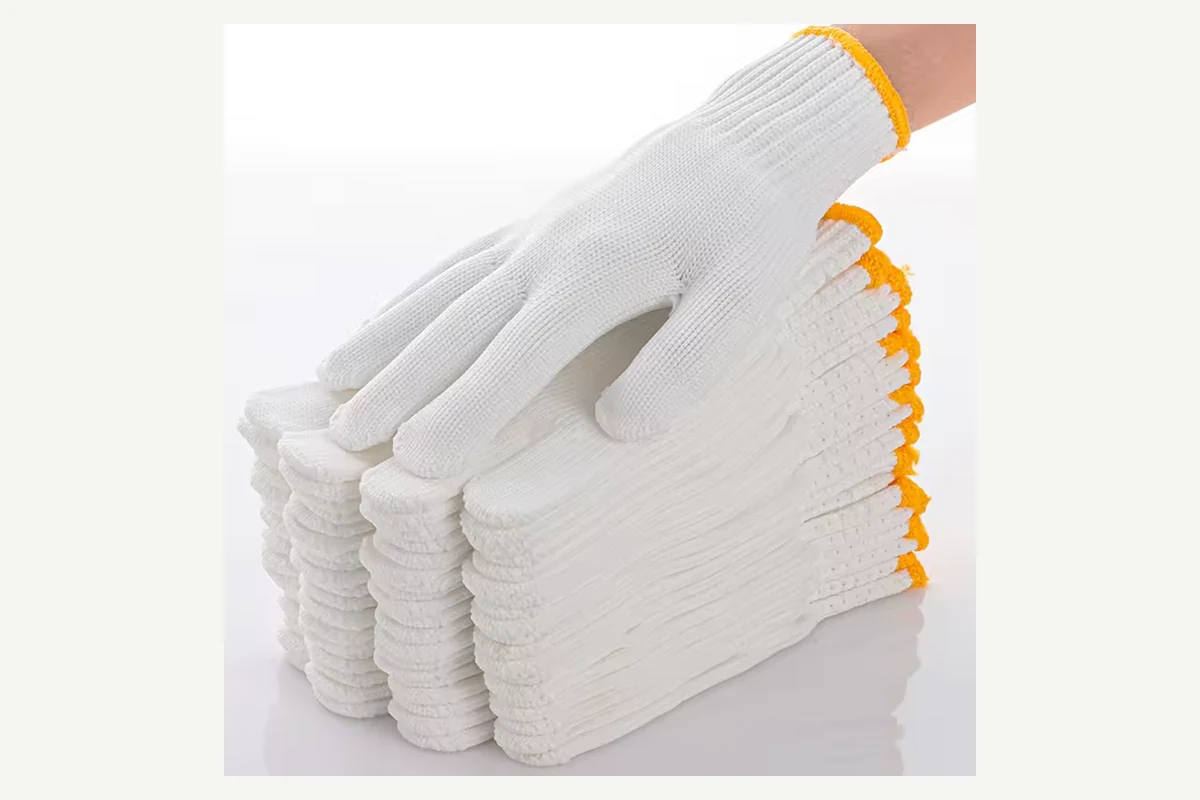
Keep cashmere content, all fiber percentages, care, size, brand and destination-market information consistent with the approved specification across labels, hangtags, packaging and order documents.
- Woven Brand Label
Private-label retail and gifting: Confirm dimensions, colors, wording, fold, and placement on the sample. - Care Label
Retail and import programs: Align fiber statement, care method, and required market information with approved evidence. - Size Label
Multi-size assortments: Use the approved size system and confirm label format and placement. - Hangtag
Shelf, gift, product-information, or barcode programs: Coordinate all claims with the sewn label, specification, artwork, and destination requirements.
Related Custom Products
Compare related products for the same project or application.
Check Bulk Production Against the Approved Reference
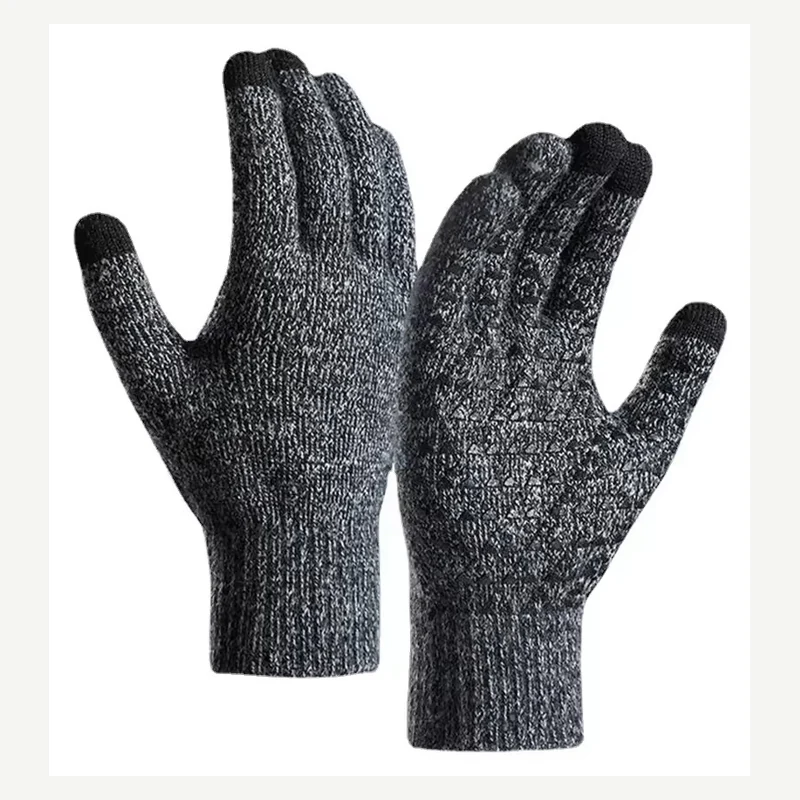
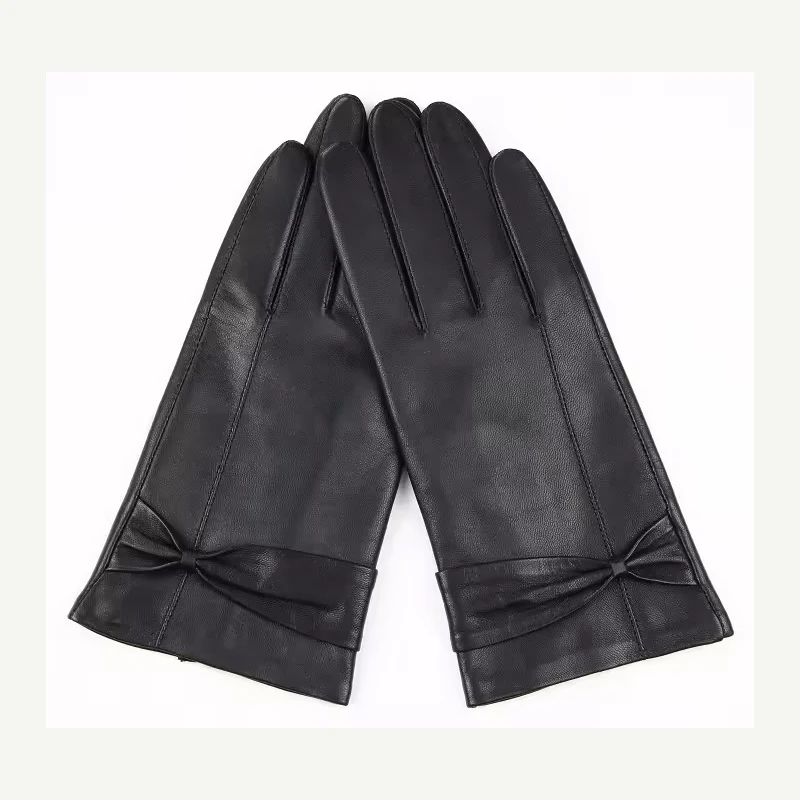
Check incoming material records, knit appearance, hand feel, dimensions, color, construction, brand placement, left-right matching, labels, packaging, and quantity against the approved specification, material evidence, and physical sample before shipment release.
Request a Cashmere Glove Sample
Share your preferred cashmere content and quantity. We can review the composition together.
Request a Sample